Loading subject page…


222,714 views
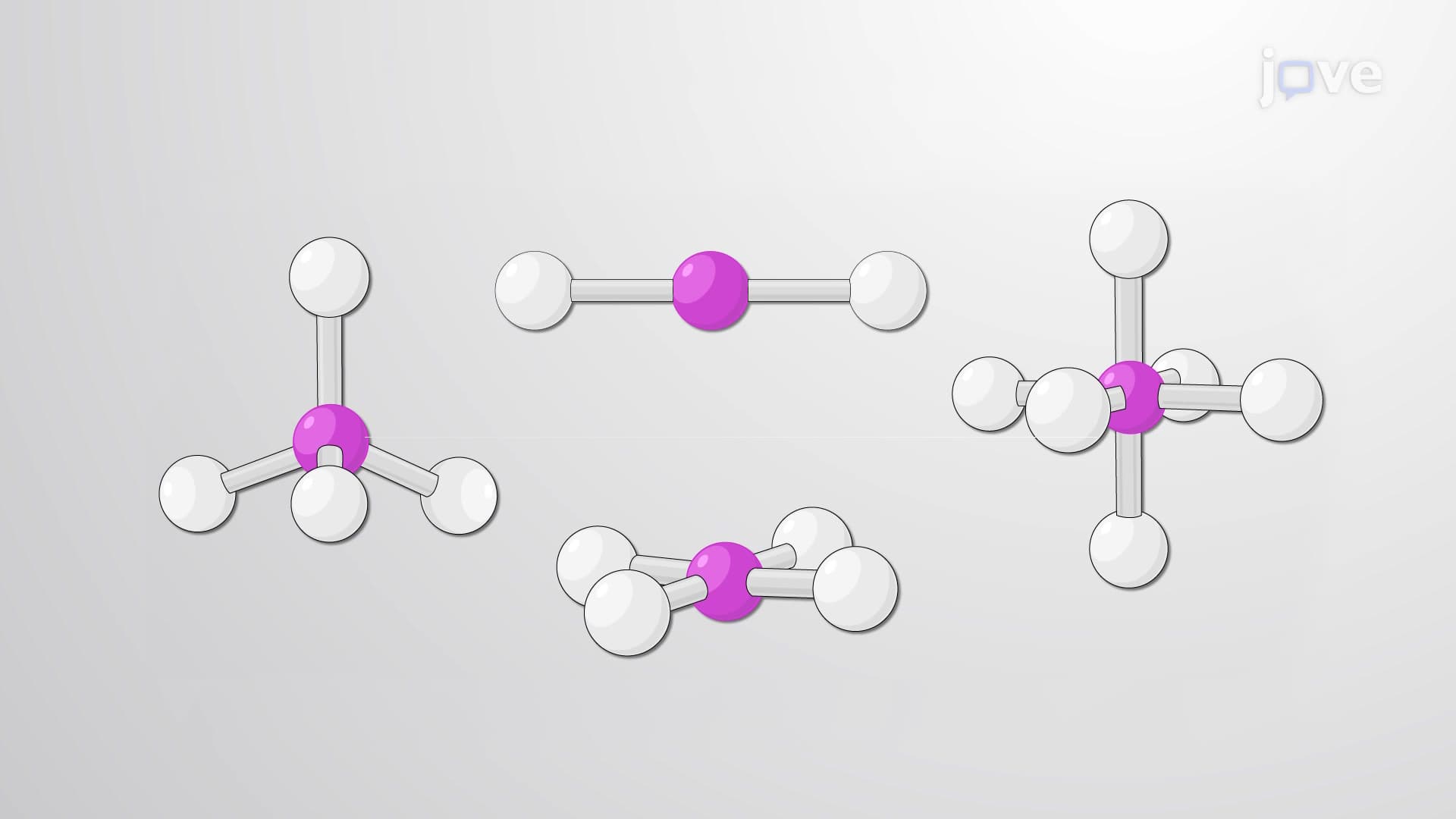

Video Summary: What Is Coordination Number and Geometry
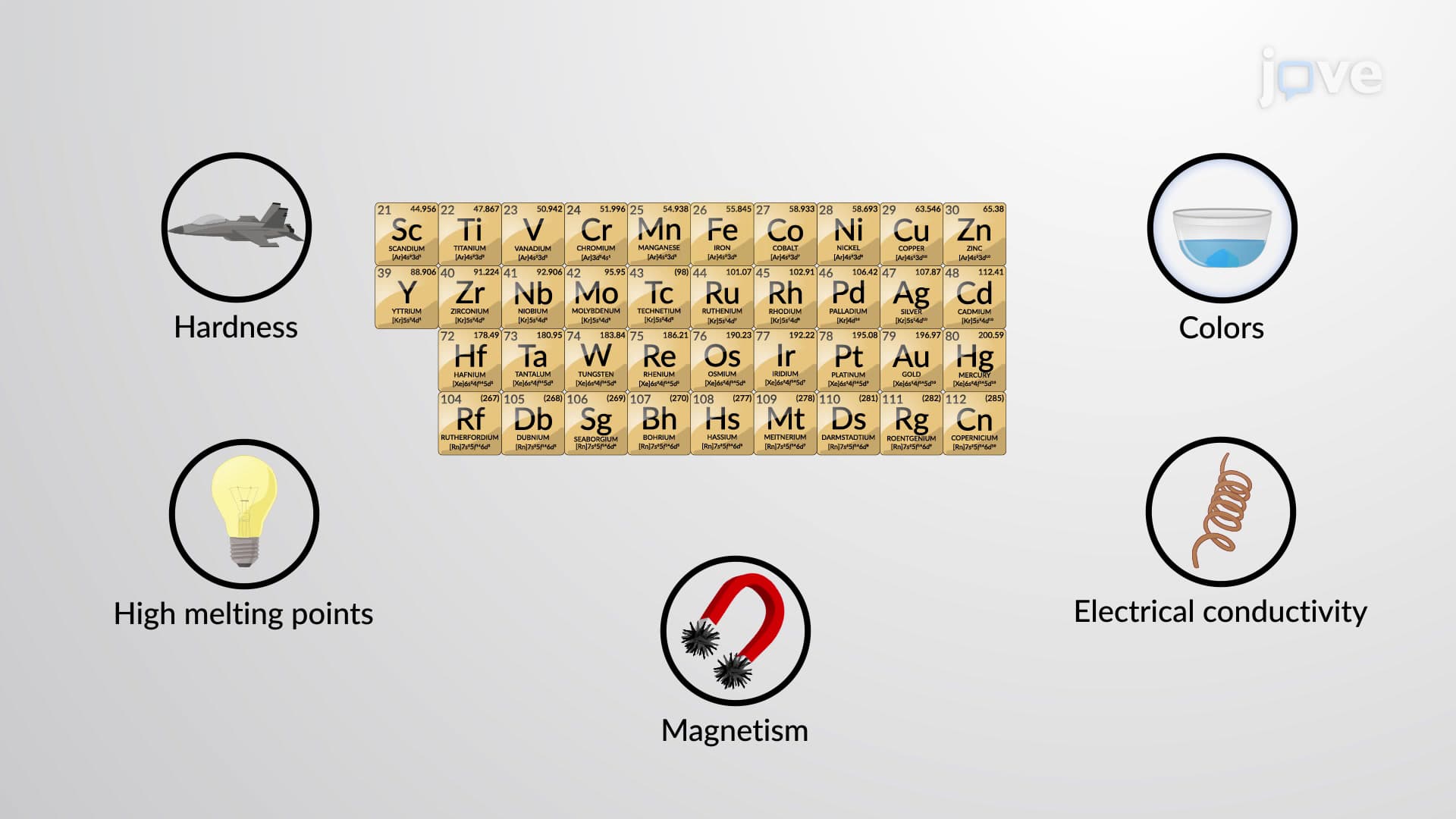
Why do transition metals create such vibrant colors in everything from gemstones to paints? The answer lies in coordination number and geometry, which determine how metal ions bond with surrounding atoms or molecules. For example, the deep blue color in copper sulfate solutions used in US high school chemistry labs results from copper's specific coordination environment. Understanding these fundamental concepts reveals how metal ions organize in three-dimensional space, affecting everything from catalysis to biological processes. Watch the full video on JoVE Coach to master this concept with expert-led visuals and step-by-step explanations.
Coordination number and geometry represent two interconnected concepts that define how atoms arrange themselves around central metal ions in complex compounds. The coordination number specifically refers to the number of atoms, ions, or molecules (called ligands) that directly bond to a central metal atom. This number typically ranges from 2 to 6, though higher coordination numbers exist in specialized cases.
The geometry, meanwhile, describes the three-dimensional spatial arrangement these ligands adopt around the central metal. This arrangement isn't random-it follows predictable patterns based on electronic repulsion, orbital availability, and ligand characteristics. Understanding these concepts proves essential for students preparing for AP Chemistry exams, college inorganic chemistry courses, and professional programs like pre-medicine tracks.
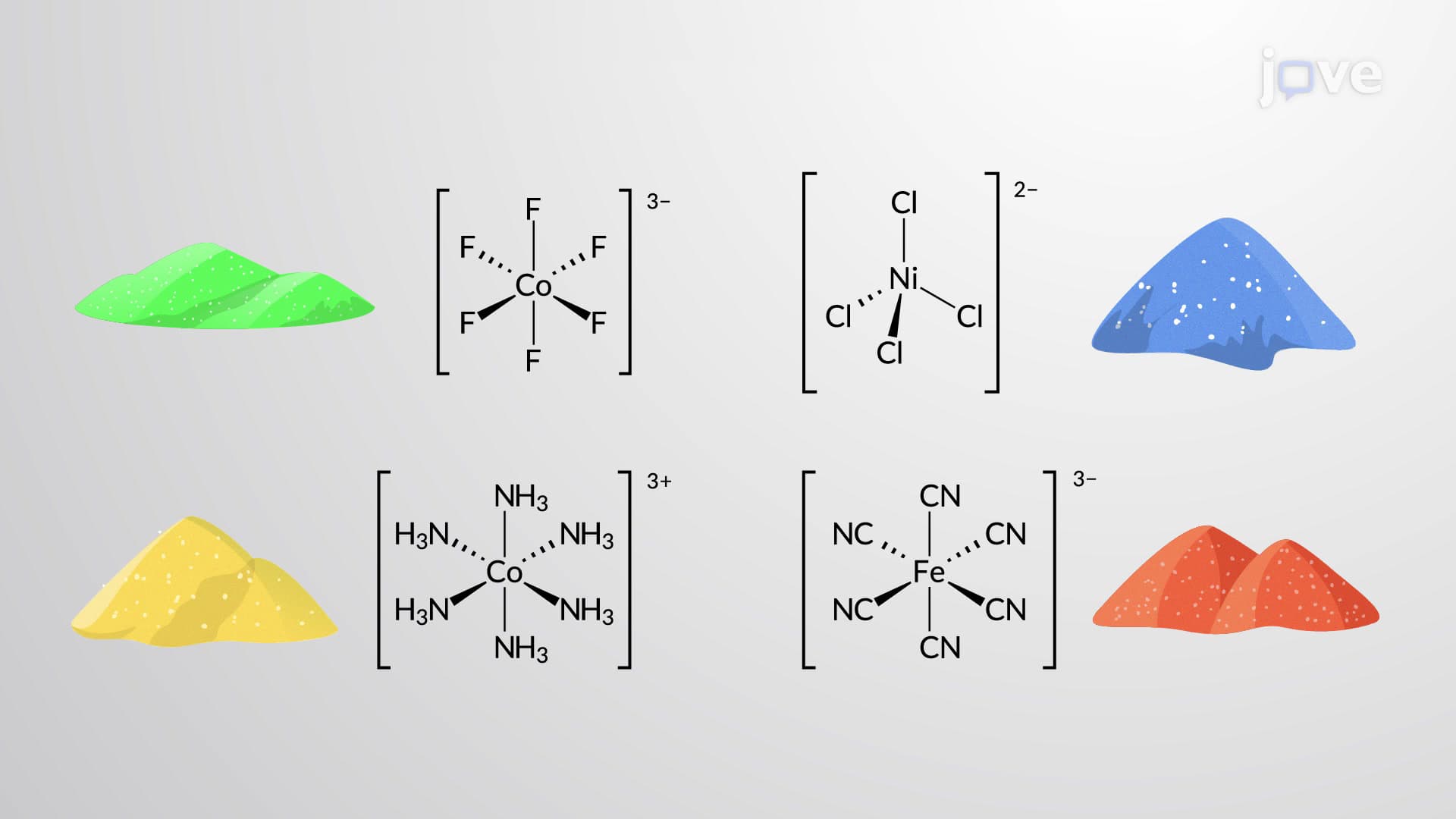
Several key factors determine a metal ion's coordination number. Ligand size plays a crucial role-smaller ligands like fluoride ions can pack more densely around a metal center, while larger ligands like chloride ions require more space, reducing the coordination number. For instance, iron(III) typically coordinates with six small fluoride ligands but only four larger chloride ligands.
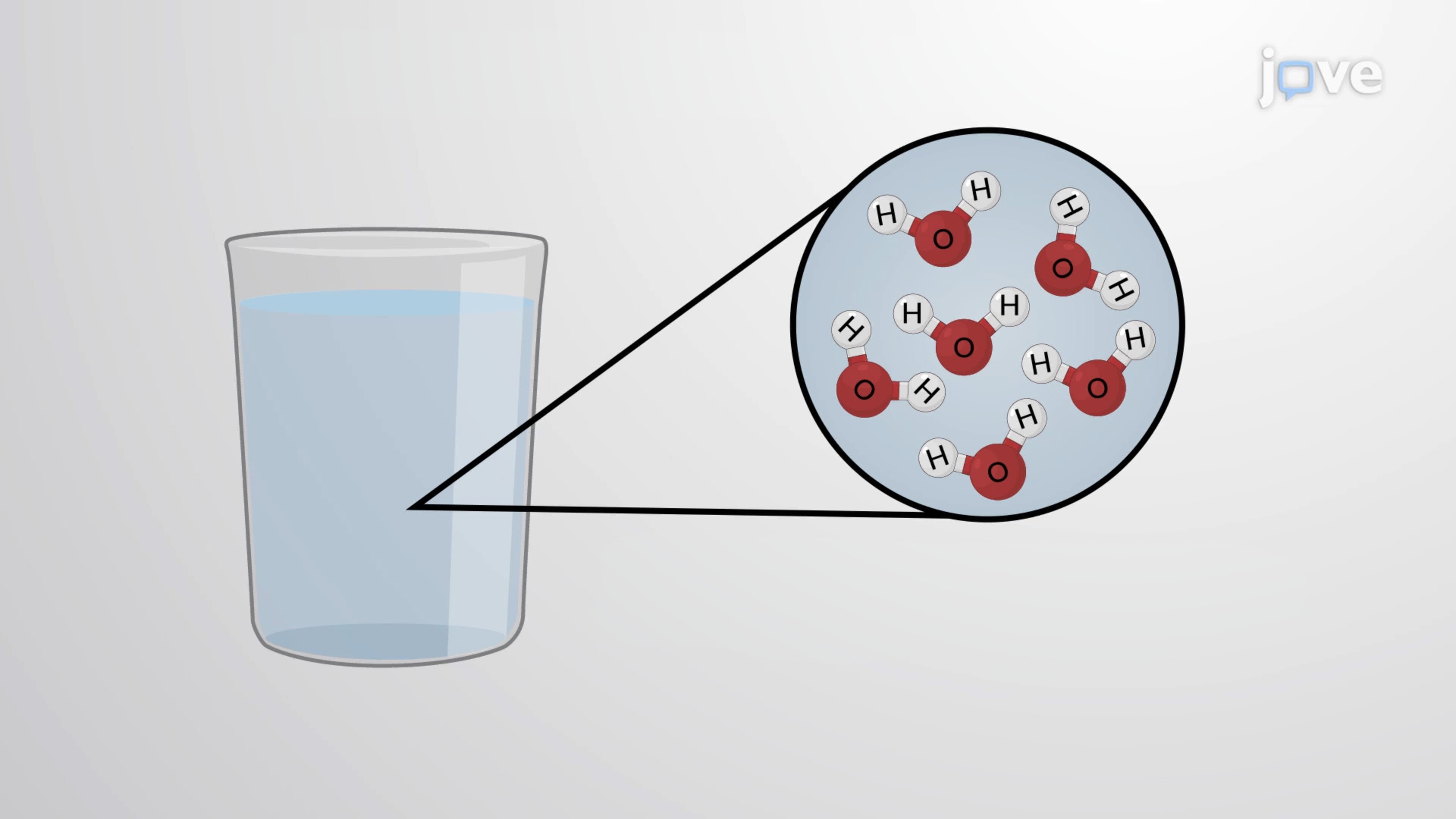
Ligand charge also influences coordination. Neutral ligands like water molecules tend to form higher coordination numbers (often 6) compared to charged ligands. Nickel(II) demonstrates this principle clearly: it coordinates with six neutral water molecules in aqueous solution but only four negatively charged chloride ions when forming [NiCl4]2-.
The electronic configuration of the metal ion, particularly d-electron count, significantly impacts preferred coordination numbers and geometries. This electronic factor becomes especially important in transition metals, where d-orbital participation in bonding creates specific geometric preferences.
Different coordination numbers produce characteristic geometric arrangements. Coordination number 2 yields linear geometry, with ligands positioned 180° apart. This arrangement appears in complexes like [AgCl2]-, commonly encountered in analytical chemistry procedures used in US college laboratories.
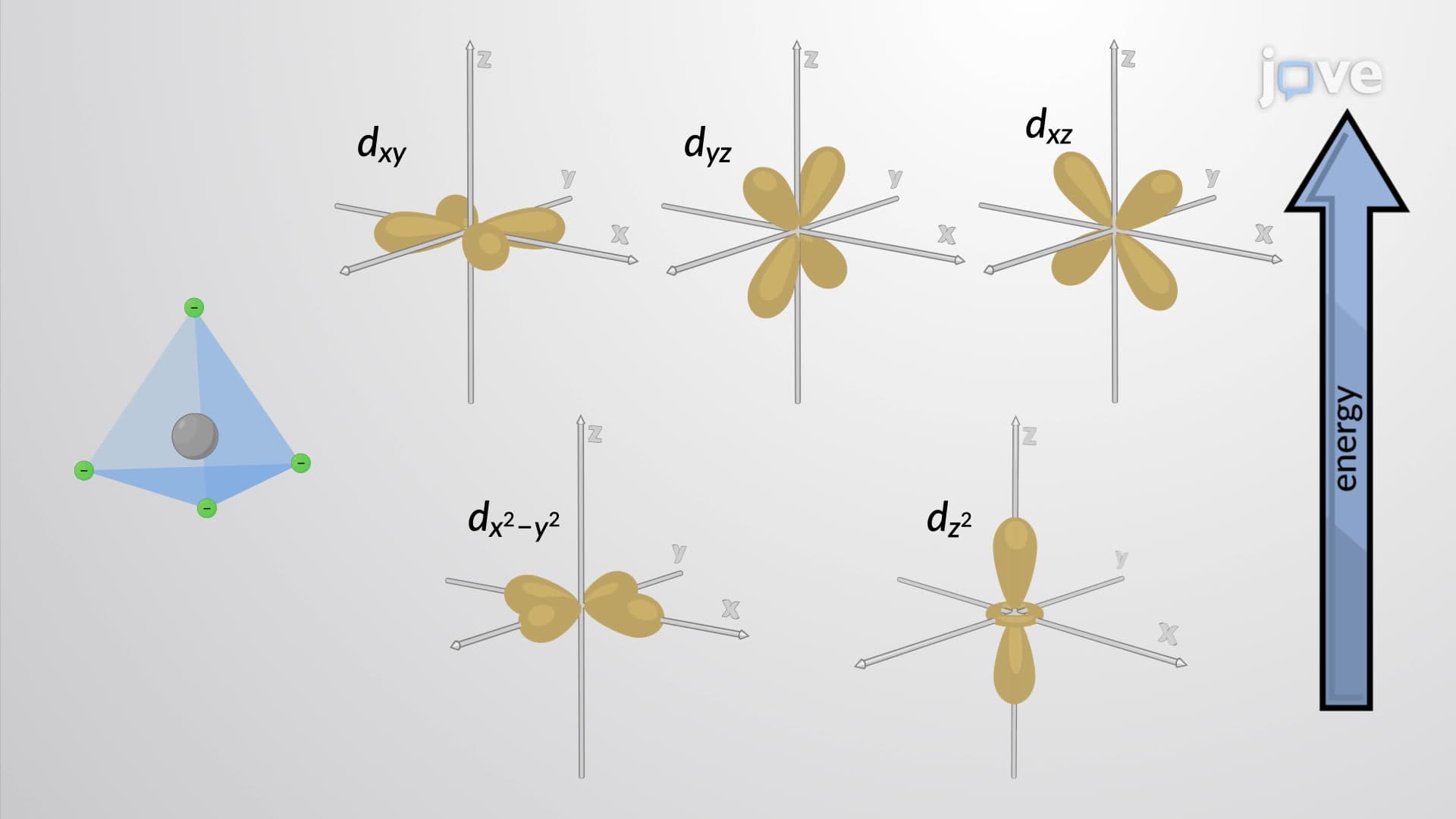
Coordination number 4 presents two possible geometries depending on the metal's electronic configuration. Square planar geometry occurs with d8 metals like palladium(II) and platinum(II), creating the flat, four-cornered arrangement seen in anticancer drugs like cisplatin. Tetrahedral geometry appears with d10 metals like zinc(II), forming the three-dimensional pyramid shape crucial in many biological enzymes.
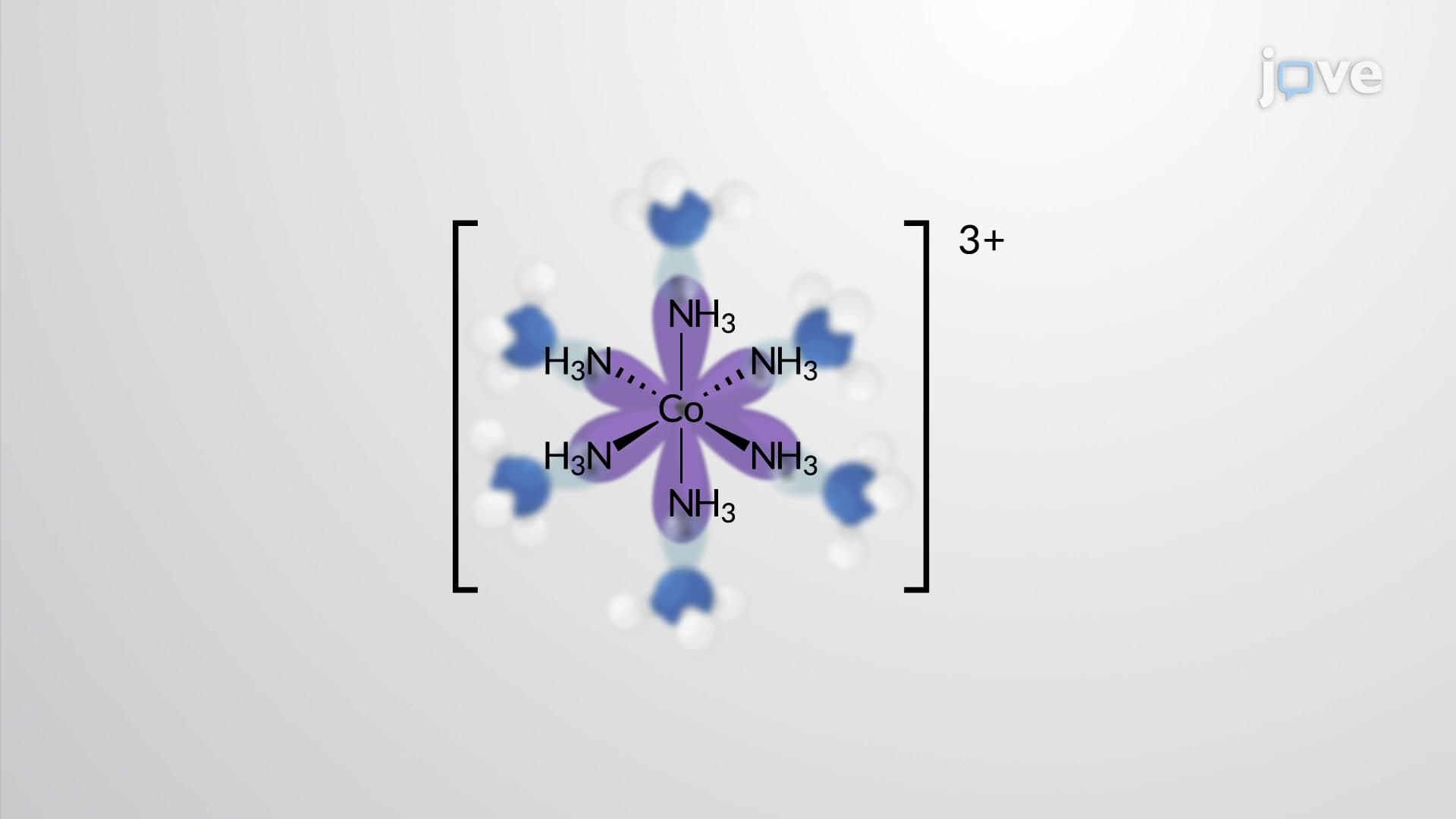
Coordination number 6 universally adopts octahedral geometry, where six ligands occupy the vertices of an eight-faced polyhedron. This arrangement dominates transition metal chemistry and appears in compounds from the cobalt complexes studied in advanced placement chemistry to the iron-containing hemoglobin in our blood.
These geometric principles directly impact material properties, catalytic behavior, and biological activity, making them essential knowledge for students pursuing careers in chemistry, materials science, or medicine.
Related Micro-courses