Loading subject page…


222,714 views

Video Summary: What Is Stereoisomerism
Did you know that the life-saving cancer drug cisplatin and its inactive twin transplatin have identical formulas but completely different biological effects? This remarkable difference illustrates stereoisomerism, compounds with the same molecular formula but different spatial arrangements of atoms. From platinum-based chemotherapy drugs used in US hospitals to the molecular architecture of coordination compounds, understanding what stereoisomerism entails is crucial for chemistry students. Watch the full video on JoVE Coach to master this concept with expert-led visuals and step-by-step explanations.
Stereoisomerism represents one of chemistry's most elegant phenomena, where molecules share identical molecular formulas and connectivity patterns yet exhibit vastly different properties due to distinct three-dimensional arrangements. In coordination compounds, this concept becomes particularly significant as metal centers coordinate with ligands in precise geometric patterns, creating opportunities for multiple spatial arrangements.
Geometric isomers demonstrate how molecular geometry directly influences chemical behavior. The most clinically relevant example involves platinum-based anticancer drugs. Cisplatin, used extensively in US oncology centers for treating testicular, ovarian, and lung cancers, features chloride ligands positioned adjacent to each other in a square-planar arrangement. Its geometric isomer, transplatin, places these chloride ligands on opposite sides, rendering it therapeutically inactive. This dramatic difference in biological activity stems purely from geometric arrangement, not chemical composition.
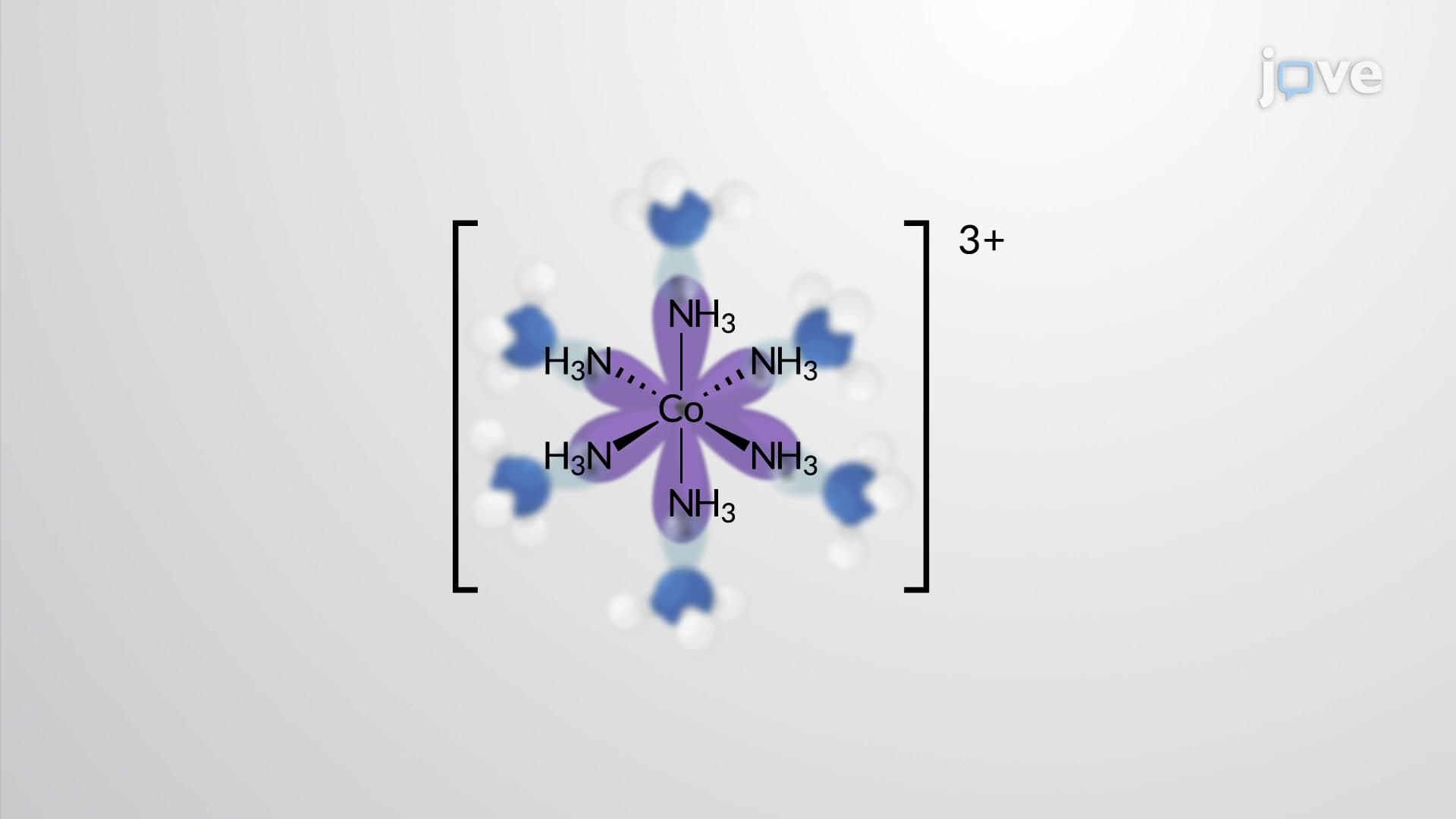
Octahedral complexes introduce additional geometric complexity through fac-mer isomerism. In facial (fac) isomers, three identical ligands occupy adjacent positions forming a triangular face, while in meridional (mer) isomers, three identical ligands form a plane through the central metal atom. These arrangements significantly impact compound stability, reactivity, and spectroscopic properties, concepts frequently tested on AP Chemistry exams and college-level inorganic chemistry courses.
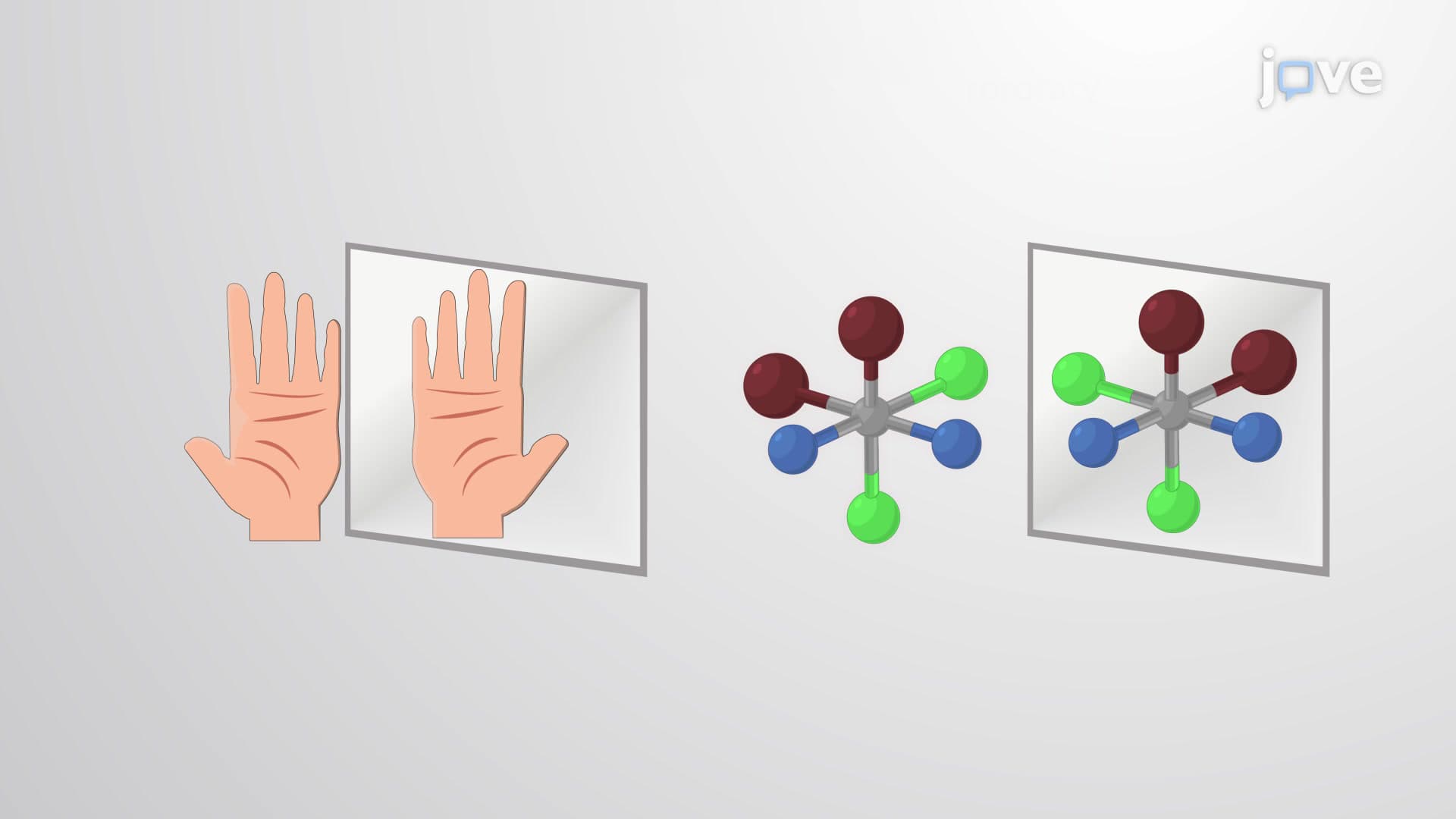
Optical isomers, or enantiomers, represent chemistry's version of left and right hands, mirror images that cannot be superimposed. These compounds exhibit identical physical properties except for their interaction with plane-polarized light. One enantiomer rotates polarized light clockwise (dextrorotatory, designated as d or +), while its mirror image rotates light counterclockwise (levorotatory, designated as l or -).
This phenomenon proves crucial in pharmaceutical research conducted at US institutions. Many drug compounds exist as enantiomeric pairs, where one enantiomer provides therapeutic benefits while the other may be inactive or even harmful. Understanding optical isomerism helps chemistry students grasp why pharmaceutical companies invest heavily in developing single-enantiomer drugs, a concept increasingly emphasized in MCAT preparation and advanced undergraduate chemistry curricula.
Stereoisomerism concepts appear prominently in standardized assessments, from AP Chemistry free-response questions to MCAT passages exploring drug mechanisms. Students should focus on visualizing three-dimensional structures, predicting isomeric relationships, and connecting molecular geometry to biological function, skills that prove invaluable in advanced chemistry courses and healthcare-related career paths.
Related Micro-courses