Loading subject page…


222,714 views

Video Summary: What Is Valence Bond Theory
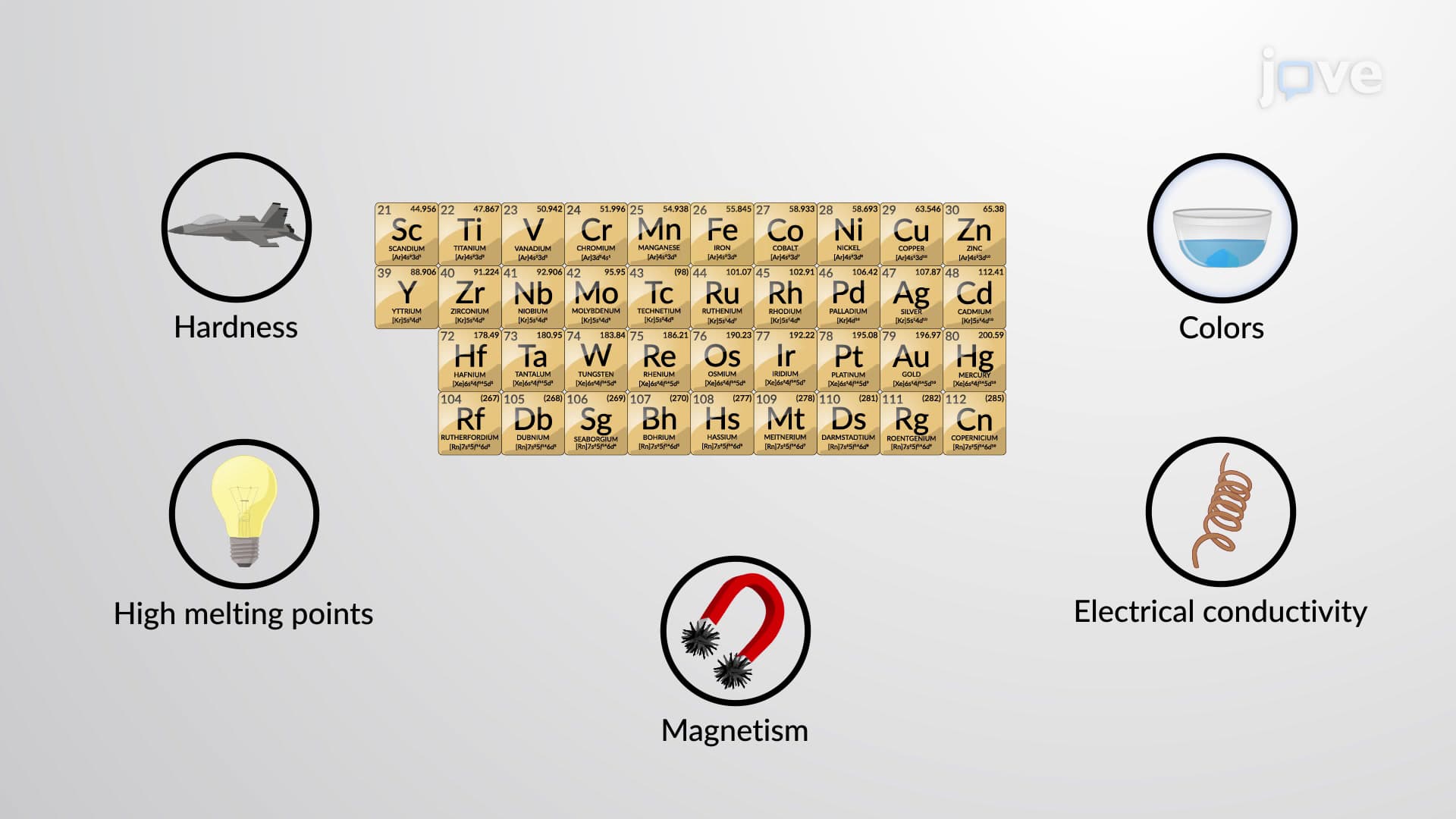
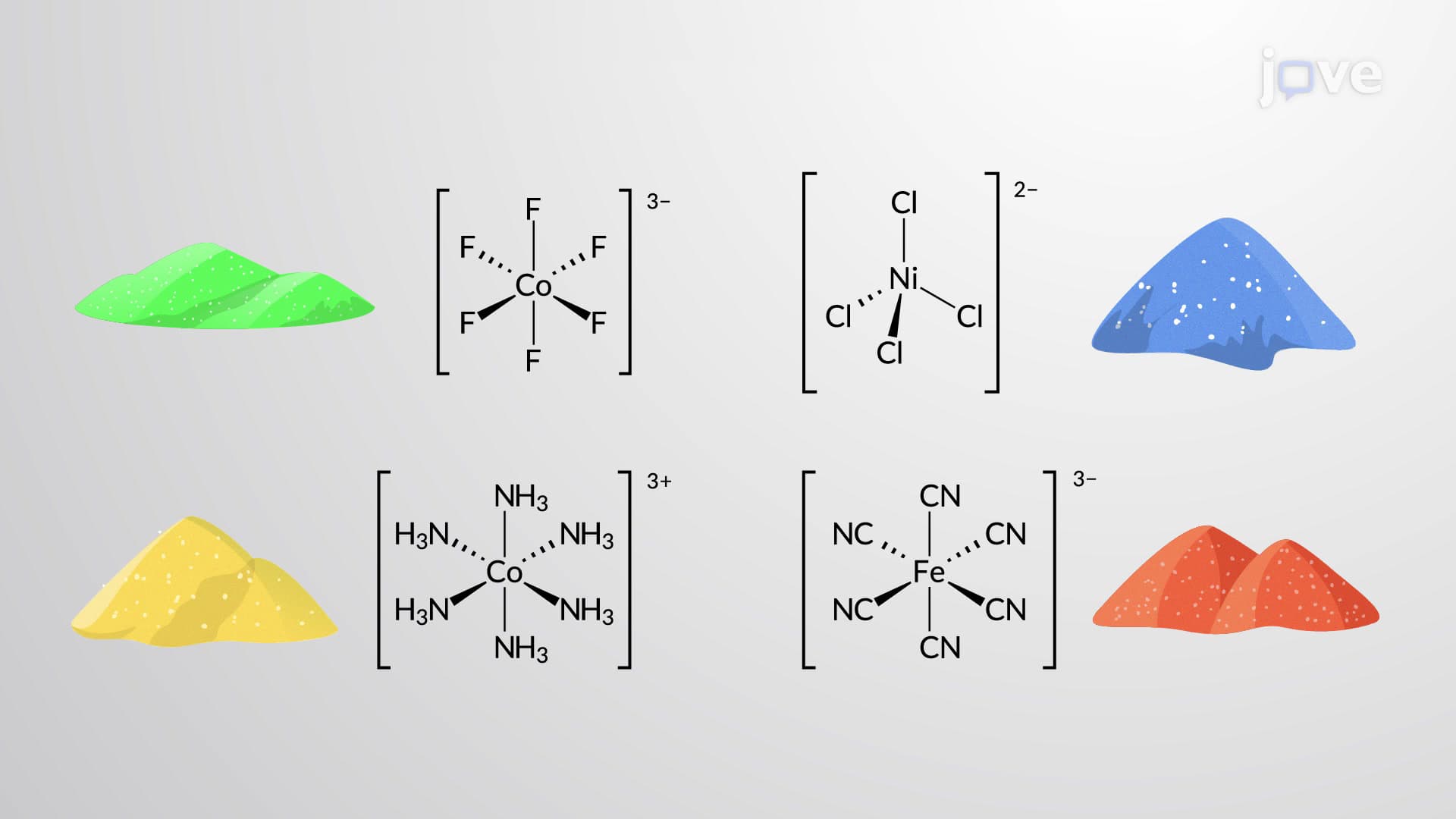
Ever wondered why copper sulfate crystals appear bright blue while iron rust looks orange-red? Valence bond theory explains how metal atoms in compounds like those used in US water treatment facilities form specific geometric arrangements through orbital hybridization. This fundamental chemistry concept describes how s, p, and d orbitals combine to create hybrid orbitals that determine molecular geometry and magnetic properties in coordination complexes. Watch the full video on JoVE Coach to master this concept with expert-led visuals and step-by-step explanations.
Valence bond theory represents one of the cornerstone concepts in advanced chemistry, particularly crucial for students preparing for AP Chemistry exams and college-level inorganic chemistry courses. This theory explains how atoms form chemical bonds through the overlap of atomic orbitals, with special emphasis on coordination complexes where metal atoms bond with surrounding ligands.
The fundamental premise involves hybridization-the mathematical combination of atomic orbitals to form new hybrid orbitals of equivalent energy. For coordination complexes, this process determines both molecular geometry and magnetic properties, making it essential knowledge for pre-med students tackling MCAT chemistry sections.
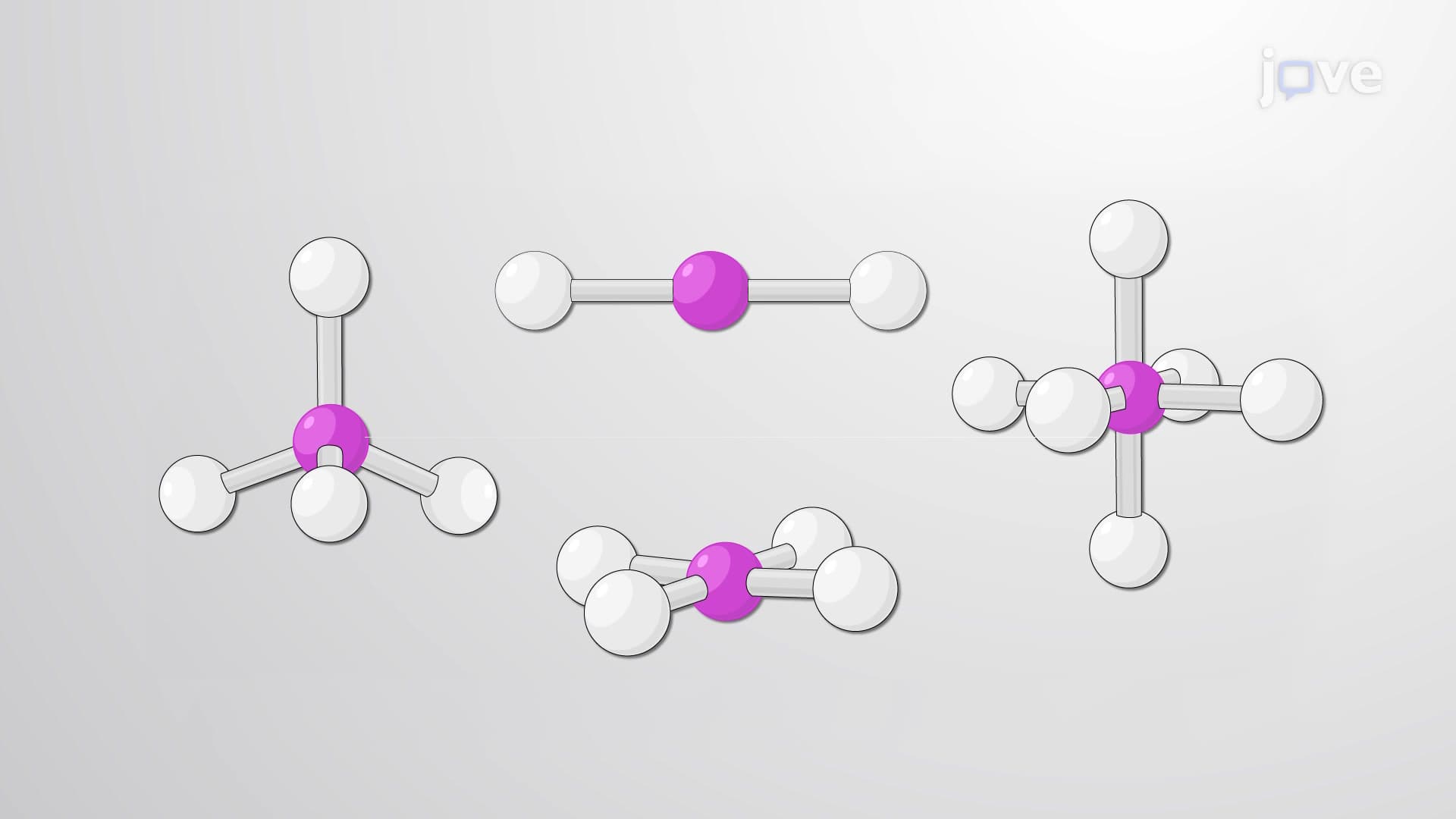
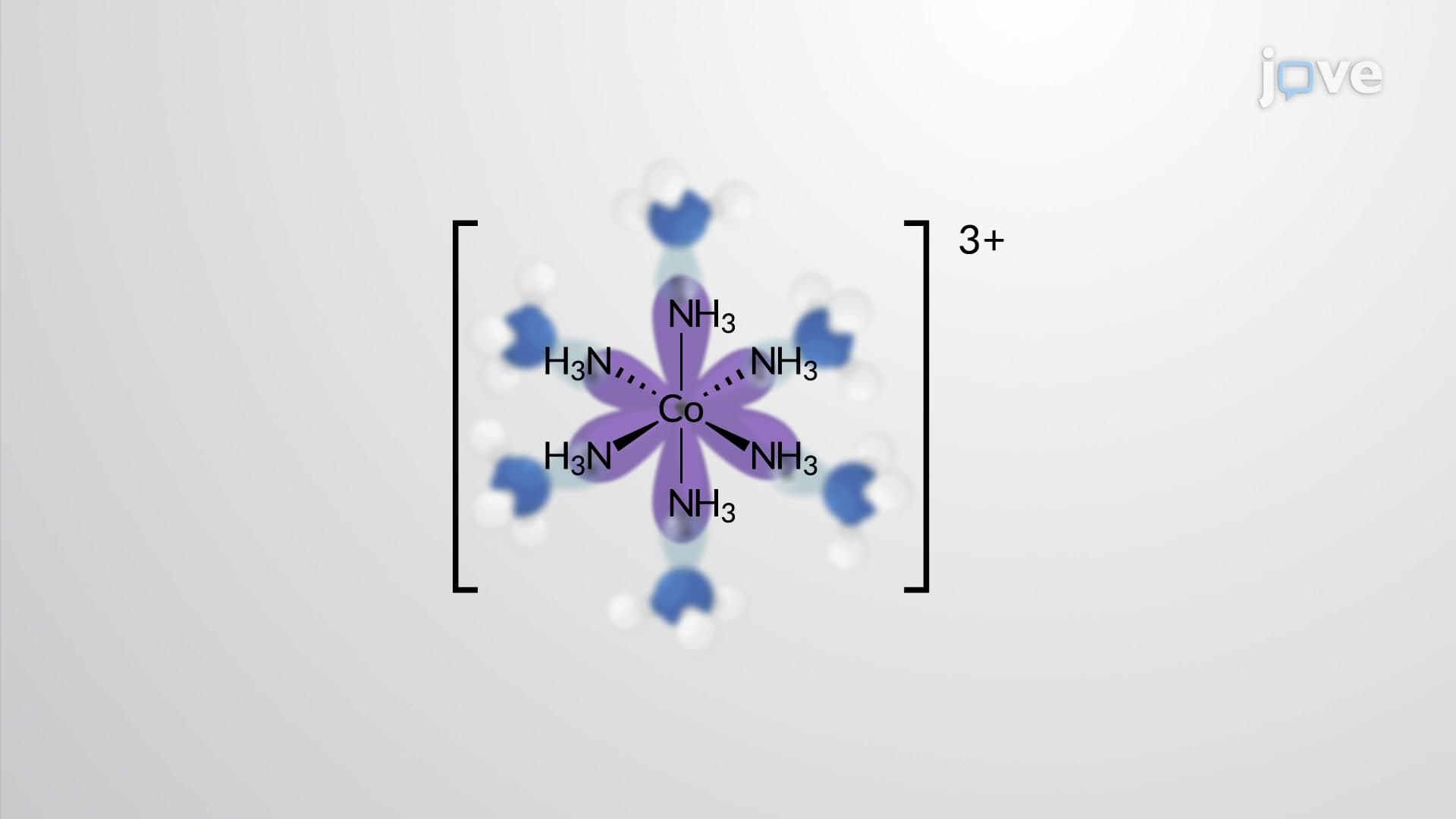
Different hybridization schemes produce distinct three-dimensional arrangements. Octahedral complexes, commonly found in transition metal chemistry, utilize sp3d2 or d2sp3 hybridization involving six hybrid orbitals. The choice between these depends on ligand field strength-strong field ligands like ammonia force electron pairing in d orbitals, creating d2sp3 inner orbital complexes, while weak field ligands like fluoride maintain the original electron configuration in sp3d2 outer orbital complexes.
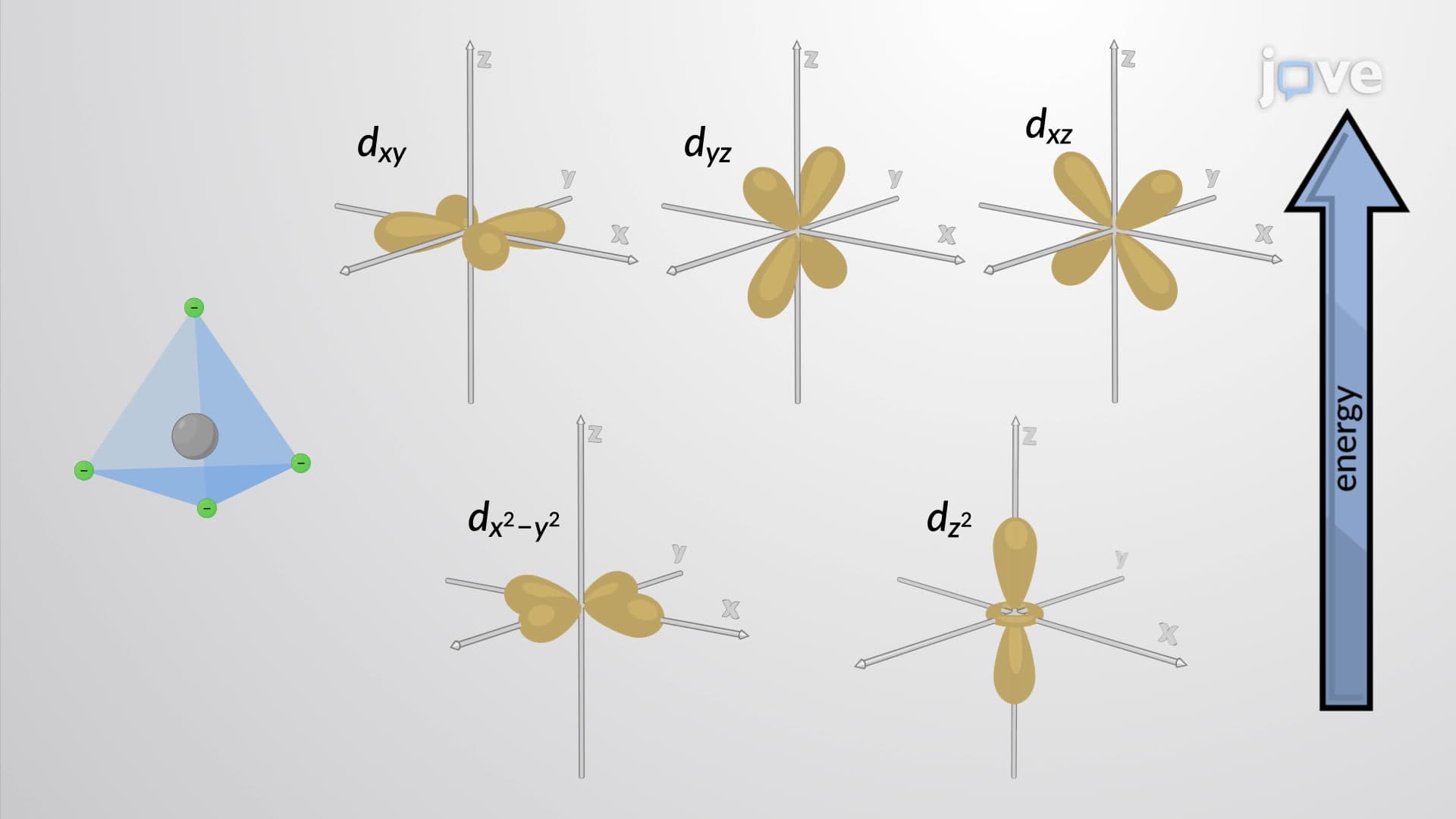
Tetrahedral complexes employ sp3 hybridization, typically observed with smaller metal ions or bulky ligands. Square planar geometry results from dsp2 hybridization, most common with d8 metal ions like platinum(II) and palladium(II). These geometric preferences directly impact the properties of catalysts used in petroleum refining across US chemical plants.
Valence bond theory elegantly connects molecular structure to magnetic behavior. Paramagnetic complexes contain unpaired electrons, making them attracted to magnetic fields-a property exploited in MRI contrast agents used throughout US hospitals. Diamagnetic complexes have all paired electrons, resulting in slight repulsion from magnetic fields.
The pairing energy versus ligand field strength determines whether electrons occupy higher energy orbitals or pair up in lower ones. This concept frequently appears on college chemistry exams, requiring students to predict magnetic properties from ligand identity and metal oxidation state.
Understanding valence bond theory proves essential for comprehending catalysis mechanisms in industrial processes, from the platinum catalysts in automotive catalytic converters to the iron-based catalysts in ammonia production. However, the theory's limitations become apparent when explaining color variations in coordination compounds or temperature-dependent magnetic behavior-phenomena better addressed by crystal field theory and molecular orbital theory, topics typically covered in advanced undergraduate courses.
Related Micro-courses