Loading subject page…


2,661 views

Video Summary: What Is Finishing Concrete
Ever wonder how sidewalks in cities like New York achieve that smooth, durable surface that withstands millions of footsteps? Finishing concrete is the critical process that transforms freshly poured concrete into the polished surfaces we see in everything from driveways to the iconic concrete structures at MIT's campus. This multi-step technique involves screeding, floating, edging, jointing, and final texturing to create surfaces that are both functional and aesthetically pleasing. Watch the full video on JoVE Coach to master this concept with expert-led visuals and step-by-step explanations.
Finishing concrete represents the culmination of the concrete placement process, where raw consolidated concrete is transformed into a refined, functional surface. This critical construction phase determines both the aesthetic appeal and long-term performance of concrete structures, from residential driveways in suburban California to major infrastructure projects like the concrete roadways of Interstate highways.
The finishing process begins immediately after concrete consolidation and follows a precise sequence that construction professionals across the United States have refined over decades. Students studying construction management or civil engineering at universities like Stanford or Georgia Tech learn that proper timing is essential-finishing operations must align with the concrete's hydration process and the evaporation of bleed water.
The finishing concrete procedure starts with screeding, where excess material is removed and the surface is leveled flush with formwork. Professional concrete crews then employ bull floats or darbies to achieve initial surface smoothness. These tools embed large aggregates below the surface while filling low spots and removing high points, creating a uniform foundation for subsequent operations.
Critical to success is recognizing when the concrete surface loses its characteristic sheen from bleed water evaporation. This visual cue signals readiness for final finishing operations. Students preparing for construction-related AP exams or college midterms should understand that premature finishing can compromise surface integrity, while delayed finishing may result in surfaces too hard to properly work.
Edging and jointing represent crucial steps in professional finishing concrete operations. Edging creates rounded corners that resist chipping and cracking, while strategic joint placement controls where cracks will occur as the concrete cures and experiences thermal expansion. Construction projects at major US universities demonstrate these techniques-notice how campus walkways feature control joints every few feet to manage cracking.
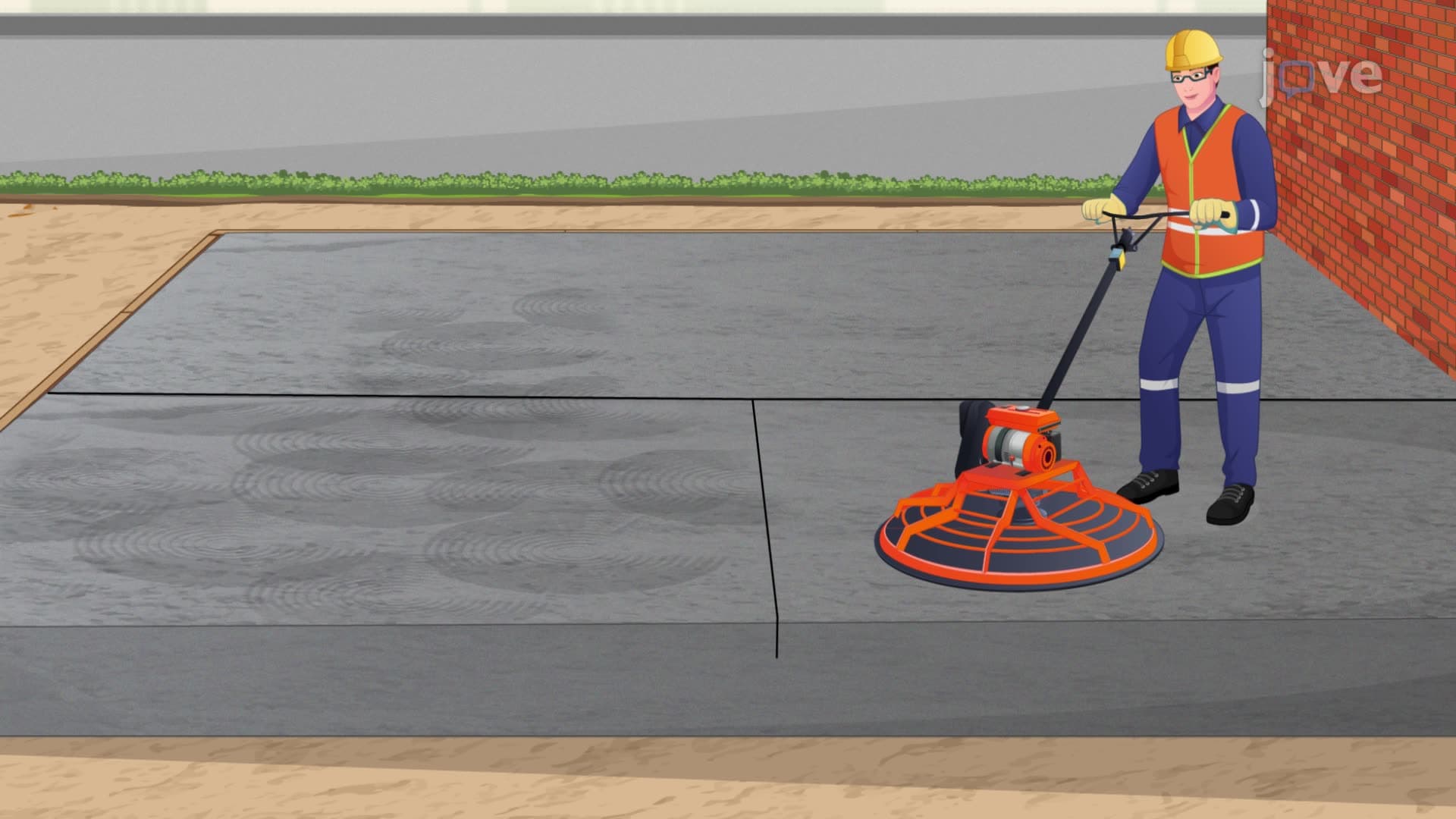
The final phase involves surface texturing tailored to specific applications. Troweling creates smooth, hard surfaces ideal for indoor applications like warehouse floors. Brooming produces slip-resistant textures essential for outdoor walkways and pool decks-a technique widely used in commercial construction across states like Florida and Texas where slip resistance is critical for liability reasons.
Understanding these finishing concrete techniques prepares students for advanced coursework in materials science and construction management, while providing practical knowledge applicable to internships with major construction firms like Turner Construction or Bechtel Corporation.
Related Micro-courses