Loading subject page…


2,661 views

Video Summary: What Is Mixing Concrete
Every major US construction project-from the Golden Gate Bridge to modern skyscrapers-relies on properly mixed concrete to ensure structural integrity. Mixing concrete involves systematically combining cement, aggregates, and water to create a uniform paste that coats all materials evenly. Understanding what is mixing concrete becomes crucial when considering that improperly mixed concrete can lead to catastrophic failures in buildings and infrastructure across America. Watch the full video on JoVE Coach to master this concept with expert-led visuals and step-by-step explanations.
Mixing concrete represents one of the most critical processes in construction engineering, forming the backbone of America's built environment. The primary objective involves achieving complete and uniform distribution of cement paste around all aggregate particles, creating a homogeneous mixture that will cure into strong, durable concrete. This process directly impacts the final strength, durability, and performance characteristics of structures ranging from residential foundations to interstate highway systems.
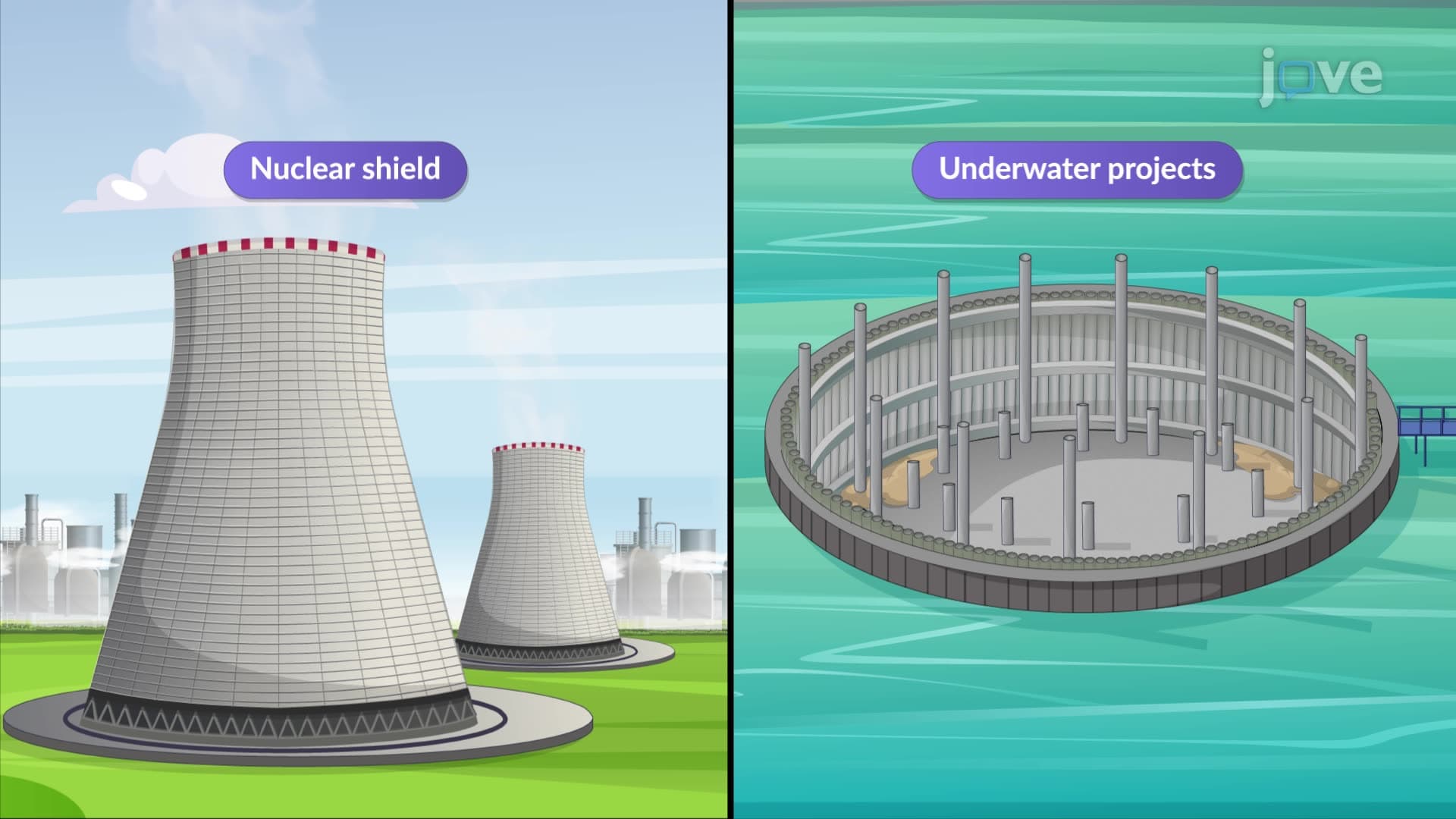
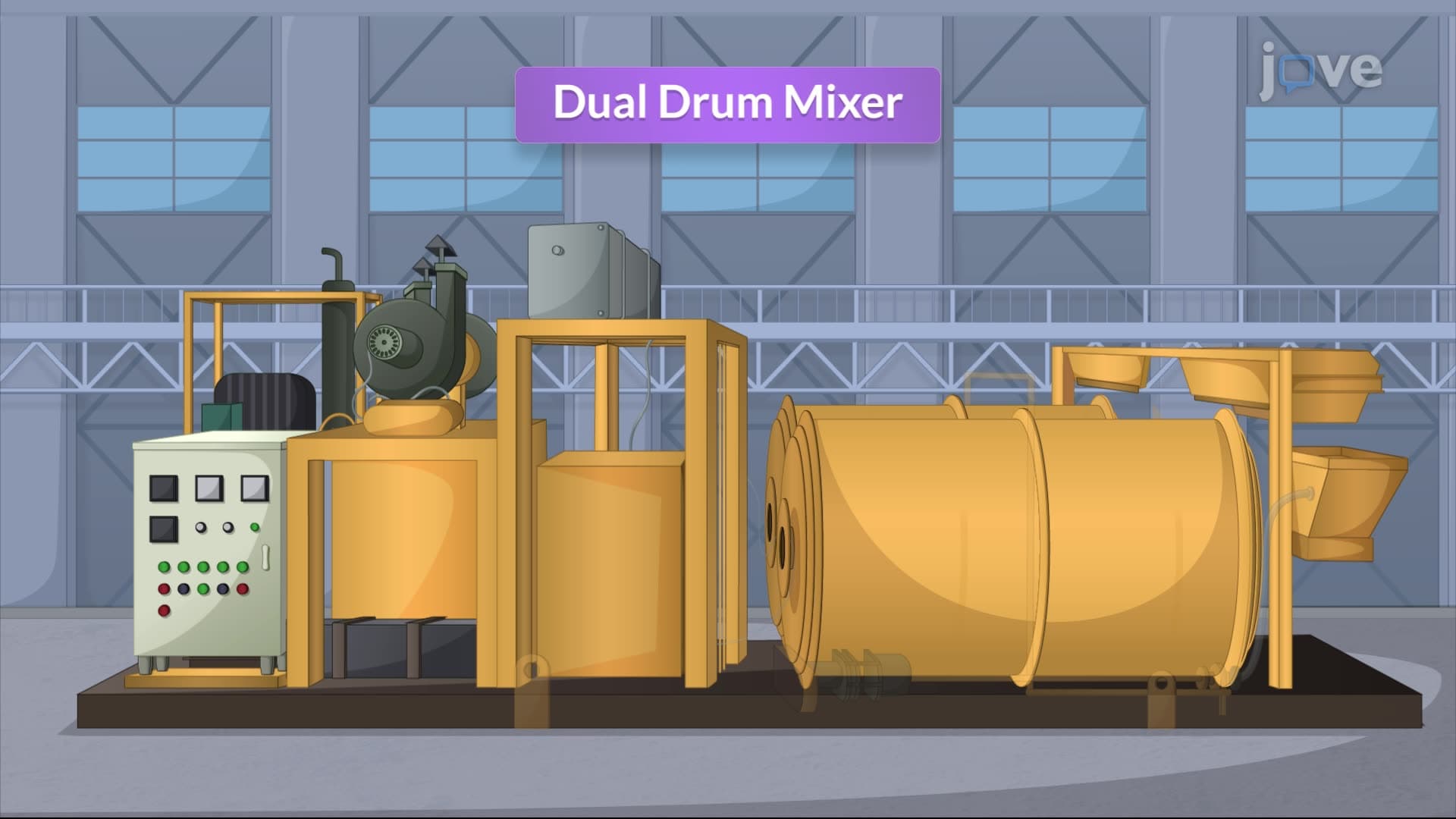
The construction industry employs two main categories of mixing equipment, each serving specific project requirements. Batch mixers process predetermined quantities of materials in discrete batches, offering precise control over mixture proportions-essential for specialty concrete applications like those used in nuclear power plants or high-rise construction. The four primary batch mixer types include tilting drum mixers (common in ready-mix plants), non-tilting drum mixers (used for high-volume production), pan-type mixers (preferred for precast concrete manufacturing), and dual drum mixers (employed for complex, multi-stage mixing processes).
Continuous mixers provide uninterrupted concrete production, automatically receiving ingredients and producing steady output streams. These systems prove invaluable for large-scale projects like dam construction or major highway paving operations, where consistent, high-volume concrete production is paramount.
Understanding the mixing concrete concept extends beyond equipment operation to encompass rigorous quality assurance protocols. Construction teams collect samples at specific discharge points, testing for consistency, workability, and uniformity-critical factors that determine whether concrete meets American Concrete Institute (ACI) standards and local building codes.
Students preparing for AP Physics or college-level materials science courses encounter mixing concrete principles when studying composite materials and construction engineering. The topic appears frequently in Civil Engineering fundamentals courses and professional certification exams. Understanding these concepts proves essential for students pursuing careers in construction management, structural engineering, or materials testing-fields experiencing significant growth in the US construction industry.
Related Micro-courses