Loading subject page…

- Civil Engineering
- Mixing, Placing and Curing Concrete
- Preplaced Aggregate Concrete
Micro-course: Mixing, Placing and Curing Concrete
2,661 views
Learn key concepts and earn your certificate.


Preplaced Aggregate Concrete

00:00
01:29
Video Summary: What Is Preplaced Aggregate Concrete
Ever wondered how engineers build massive underwater structures like the foundations of San Francisco's Bay Bridge? Preplaced aggregate concrete revolutionizes construction by placing coarse aggregate first, then injecting mortar under pressure to fill the voids-creating incredibly strong, uniform structures with minimal shrinkage. This innovative technique enables construction of nuclear power plant shields and underwater foundations across the United States. Watch the full video on JoVE Coach to master this concept with expert-led visuals and step-by-step explanations.
- Understand what is preplaced aggregate concrete and how it differs from conventional concrete mixing methods
- Identify the two-stage construction process involving gap-graded aggregate placement followed by pressurized mortar injection
- Analyze the advantages of reduced segregation, improved uniformity, and enhanced durability in large-scale projects
- Recognize specific applications including nuclear shields, underwater construction, and water-retaining structures
- Evaluate temperature control methods using chilled water circulation for heat management during hydration
- Apply knowledge of mortar composition including Portland cement, pozzolans, and fluidizing aids
- Compare the benefits of low shrinkage and reduced permeability versus traditional concrete methods
- Explore the mechanical process of slotted pipe insertion and gradual removal during mortar placement
Understanding Preplaced Aggregate Concrete Fundamentals
Preplaced aggregate concrete represents a specialized construction technique where engineers reverse the traditional concrete mixing process. Instead of combining all materials before placement, this method involves strategically placing gap-graded coarse aggregate within formwork first, creating a skeleton structure with approximately one-third void space. This innovative approach addresses critical challenges in large-scale construction projects across the United States.
The Two-Stage Construction Process
The construction process begins with careful placement and compaction of wet coarse aggregate within the designated formwork. Gap-graded aggregate ensures optimal void distribution, typically leaving 33% of the total volume empty. Subsequently, specialized mortar-comprising Portland cement, pozzolan, fine aggregates, water, and fluidizing aids-fills these voids under controlled pressure.
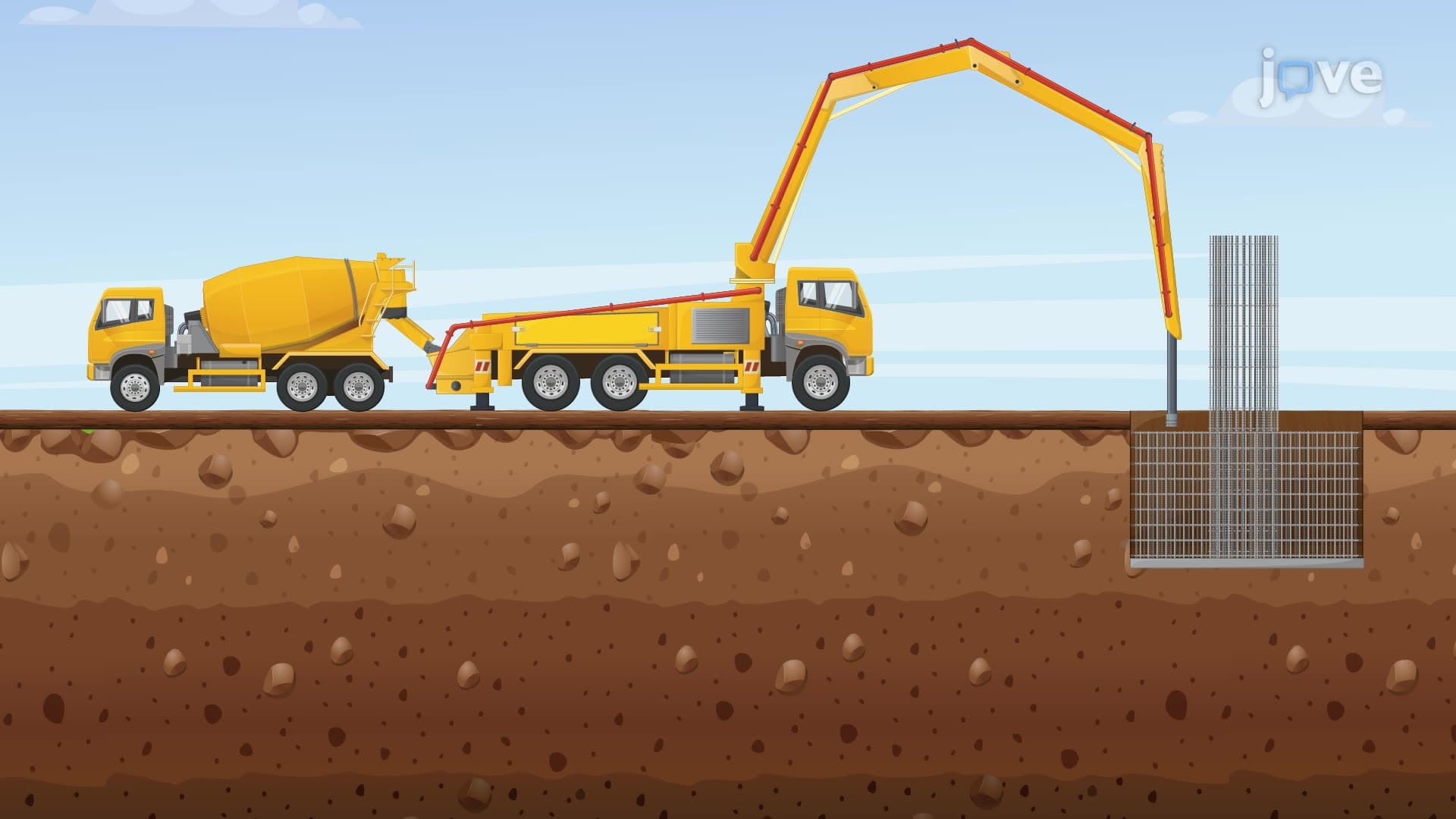
Engineers utilize slotted pipes approximately 1.5 inches in diameter, strategically spaced throughout the aggregate mass. The mortar injection occurs systematically, with pipes gradually withdrawn as mortar levels rise. This method prevents aggregate displacement and ensures complete void filling. External vibration at the mortar's surface level enhances the finish quality of exposed surfaces.
Specialized Applications and Advantages
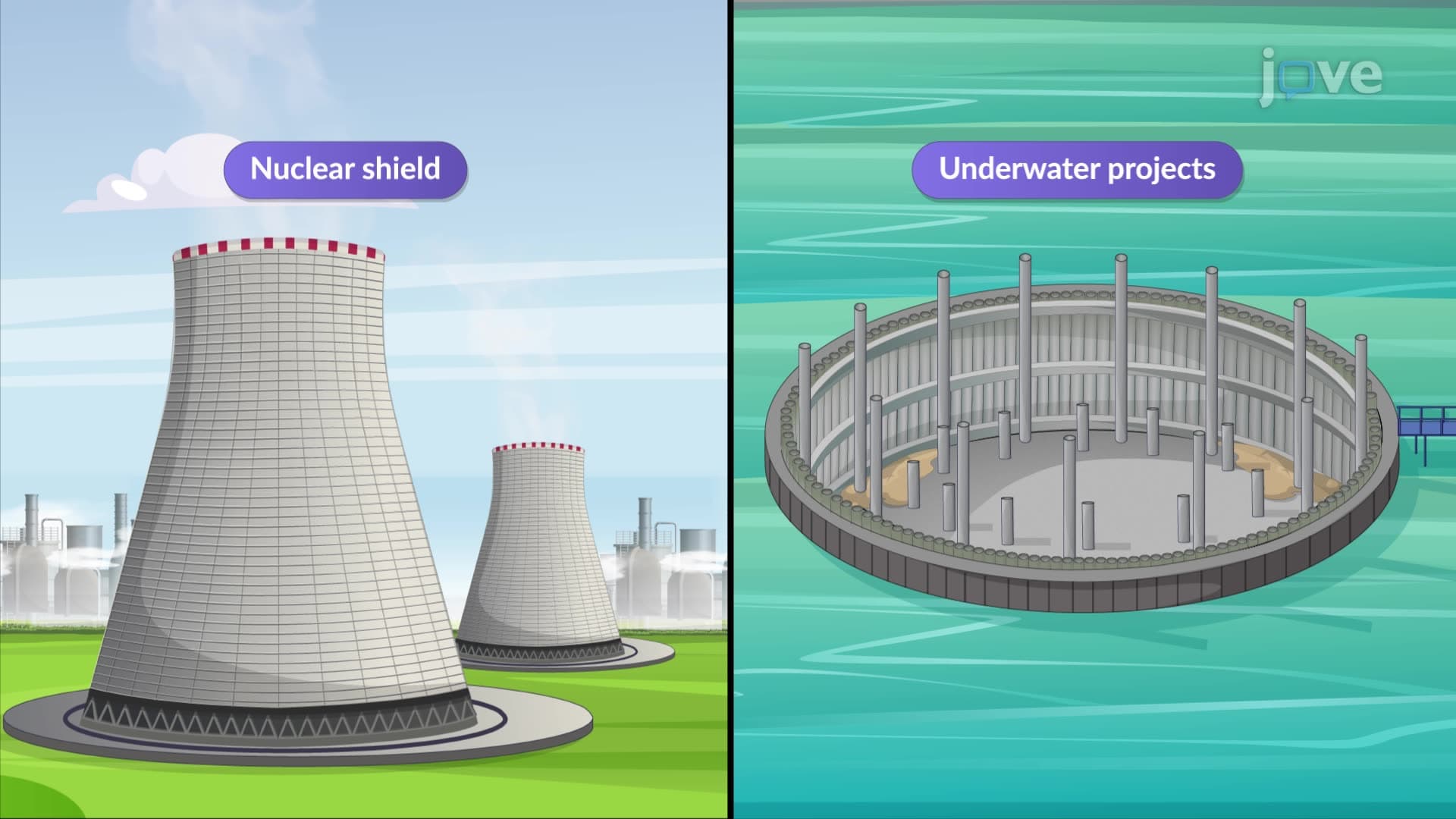
Preplaced aggregate concrete excels in challenging construction environments where traditional concrete placement proves difficult or inadequate. Nuclear power facilities across the United States, including plants in Georgia and South Carolina, utilize this technique for radiation shielding construction due to its superior density uniformity and reduced segregation.
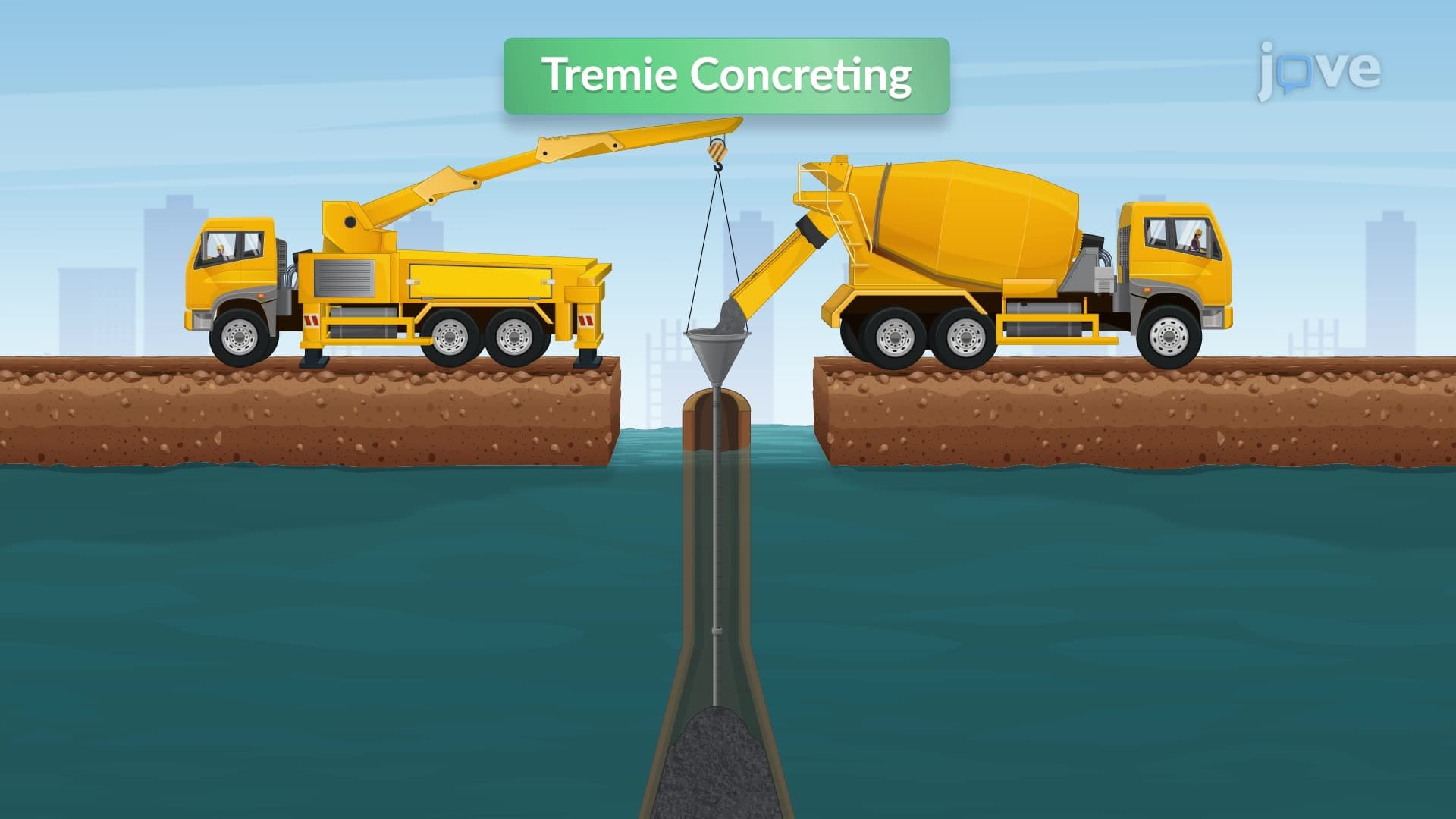
Underwater construction projects, such as bridge pier foundations in the Hudson River or San Francisco Bay, benefit from this method's resistance to washout and excellent workability in submerged conditions. The technique's low shrinkage characteristics make it ideal for water-retaining structures like dams and reservoirs throughout the American West.
Temperature Control and Quality Assurance
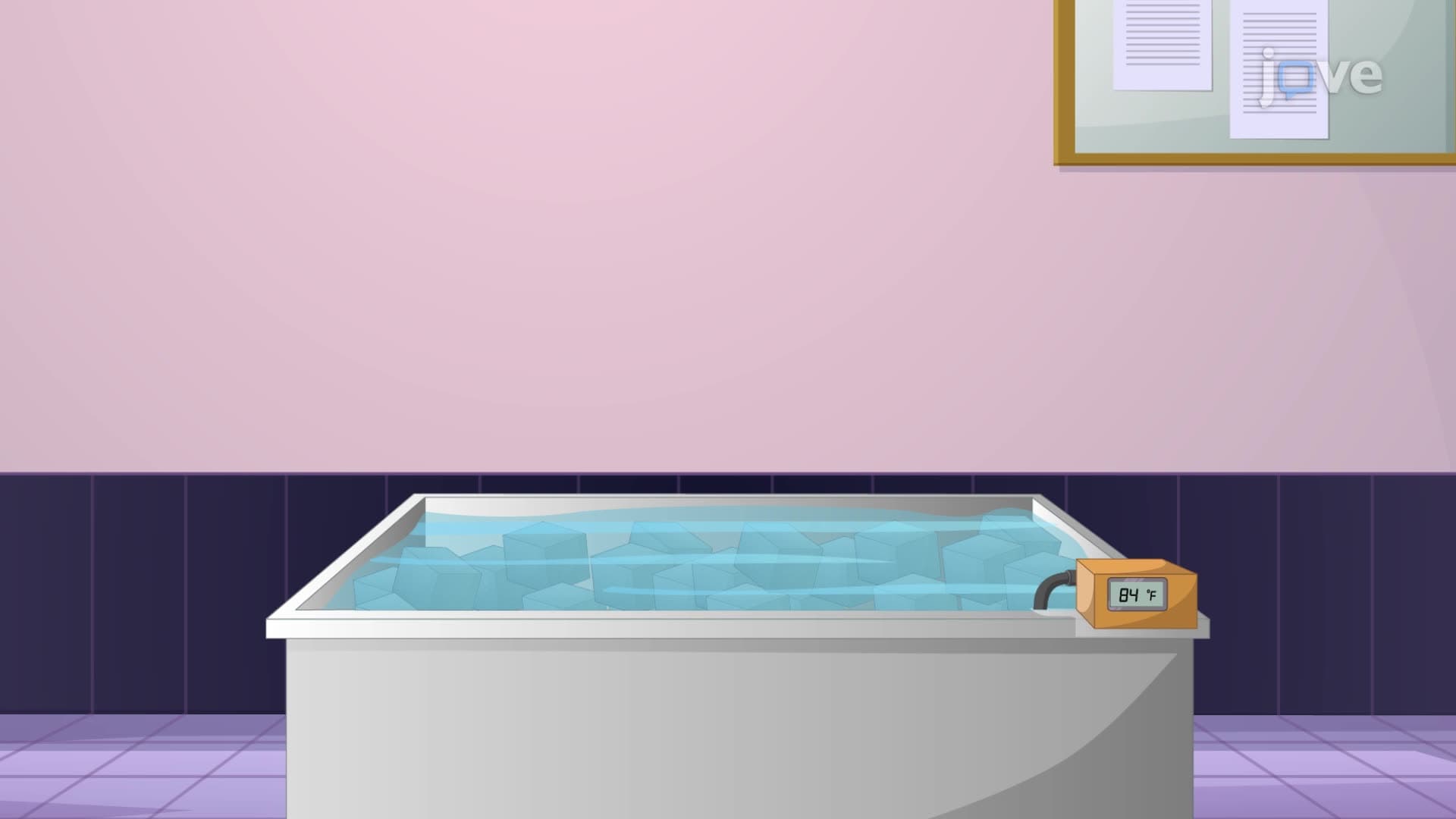
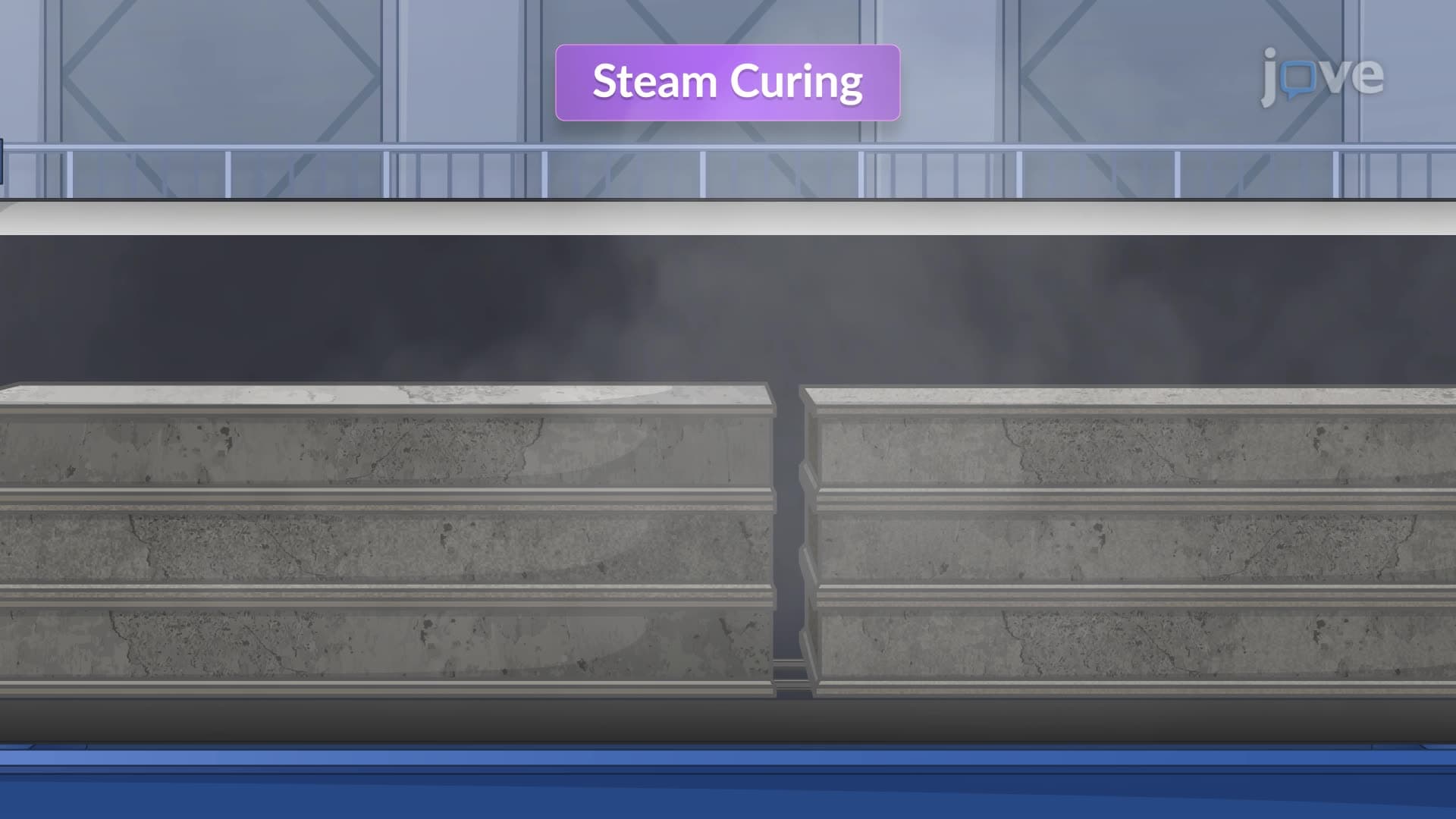
Large construction projects require sophisticated temperature management during the hydration process. Engineers circulate chilled water around placed aggregates to control the heat of hydration, preventing thermal cracking in massive concrete pours. Conversely, in cold weather conditions common in northern states, steam circulation warms aggregates to ensure proper curing.
This temperature control proves essential for projects like the construction of nuclear containment vessels or large monolithic blocks used in infrastructure projects. The reduced permeability achieved through this method enhances durability and extends service life, making it a preferred choice for critical infrastructure applications.
Students preparing for AP Chemistry or college-level materials science courses should understand how this technique demonstrates principles of fluid mechanics, materials science, and structural engineering in real-world applications.
Frequently Asked Questions
Preplaced aggregate concrete is a specialized construction technique where coarse aggregate is placed first in formwork, then mortar is injected under pressure to fill the voids. This two-stage process creates stronger, more uniform concrete with reduced segregation compared to traditional mixing methods. It's particularly valuable for large-scale construction projects requiring exceptional durability.
The MCAT may test understanding of fluid dynamics during mortar injection or hydration chemistry of cement compounds. AP Chemistry could examine the role of pozzolans as supplementary cementing materials or the thermodynamics of heat control during large concrete pours. Focus on the chemical reactions and physical processes involved in cement hydration.
Materials Engineering, Structural Engineering, and Construction Management courses typically cover this topic in detail. Students in Civil Engineering programs at universities like MIT, Stanford, or Georgia Tech study this technique as part of advanced concrete technology coursework. It's also relevant in Nuclear Engineering programs due to shielding applications.
Yes, the Fundamentals of Engineering (FE) exam and Professional Engineering (PE) exam often include questions about specialized concrete techniques. Understanding the advantages, applications, and construction processes demonstrates comprehensive knowledge of advanced materials and construction methods valued in professional practice.
Major applications include nuclear power plant construction like the Vogtle Electric Generating Plant in Georgia, underwater bridge foundations such as the San Francisco-Oakland Bay Bridge, and large dam projects throughout the western United States. Many military installations and port facilities also utilize this technique for critical infrastructure.
Basic high school chemistry provides sufficient background for understanding cement hydration and pozzolan reactions. Focus on concepts like chemical bonding, reaction kinetics, and material properties. Students with AP Chemistry or introductory college chemistry knowledge will find the material highly accessible and can appreciate the underlying science more deeply.
Create visual diagrams showing the two-stage construction process, practice identifying applications based on project requirements, and connect the technique to fundamental engineering principles. Use flashcards for terminology and focus on understanding why this method offers advantages over traditional concrete placement in specific scenarios.
Consider studying other specialized concrete techniques like self-consolidating concrete, fiber-reinforced concrete, and high-performance concrete mixtures. Explore related topics in materials science, structural analysis, and construction management to build comprehensive understanding of modern construction methods and materials technology.
Related Micro-courses
6 Concepts

12 Concepts
6 Concepts