Loading subject page…


2,661 views

Video Summary: What Is Pumped Concrete
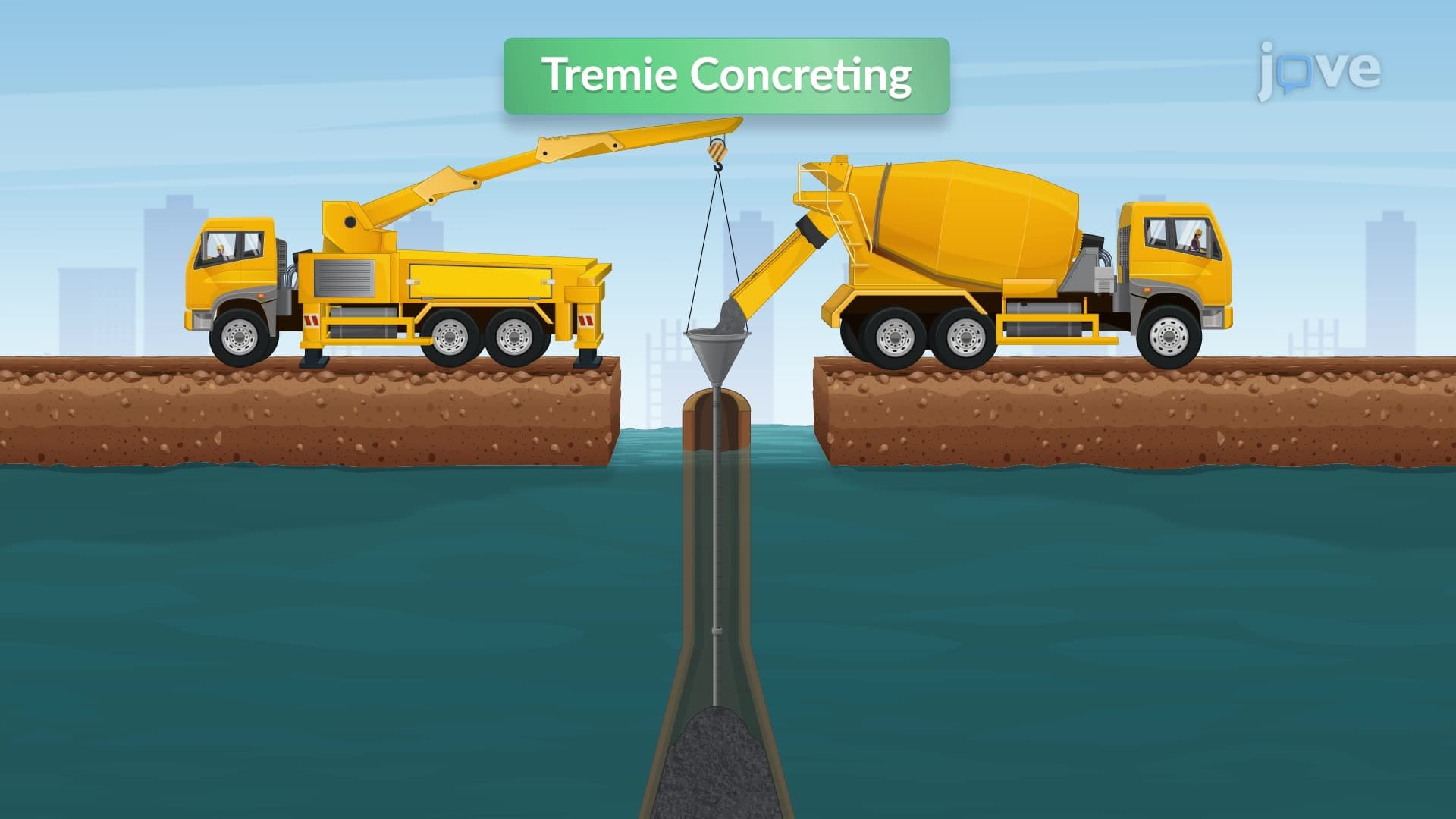
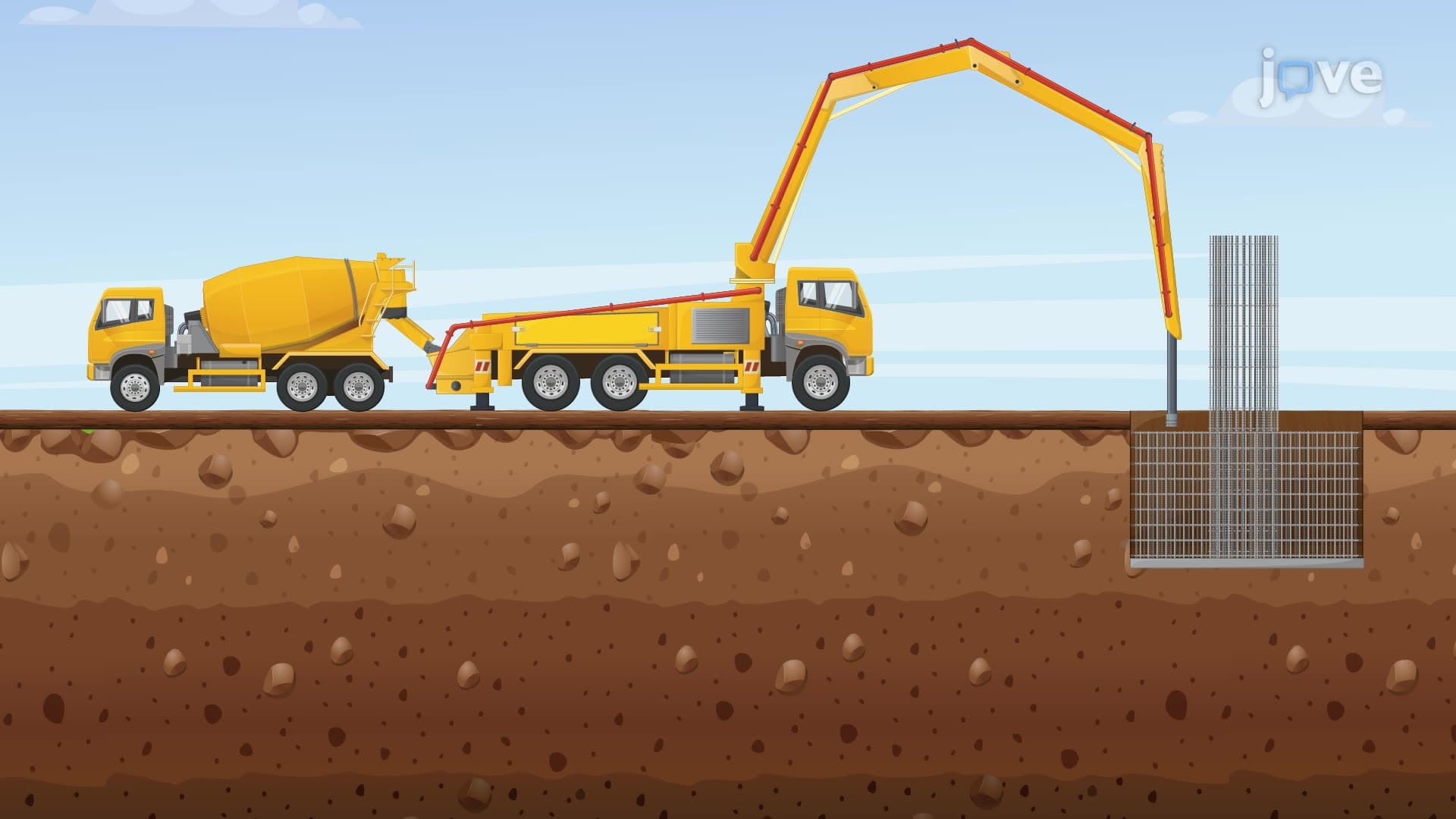
Ever wondered how concrete reaches the top floors of skyscrapers like One World Trade Center in New York? Pumped concrete revolutionizes construction by transporting concrete through pipelines over long distances to hard-to-reach locations. This innovative delivery system uses specialized pumps and pipelines to move concrete mixtures from ground level to deep foundation pits or high-rise structures across construction sites nationwide. Watch the full video on JoVE Coach to master this concept with expert-led visuals and step-by-step explanations.
Pumped concrete represents a sophisticated concrete delivery method that uses mechanical pumping systems to transport fresh concrete through pipelines to placement locations. This technology addresses critical construction challenges where traditional concrete trucks cannot access work areas, such as underground subway tunnels in cities like Boston or the upper floors of Chicago's Willis Tower during construction.
The pumped concrete definition encompasses both the material properties and delivery methodology. Unlike standard concrete placement, pumped concrete requires specific mix designs with controlled workability, aggregate gradation, and slump characteristics to ensure smooth flow through pipelines without segregation or blockage.
Direct-acting piston pumps form the backbone of most stationary pumping operations. These systems utilize hydraulic pistons that create alternating suction and pressure cycles. During the suction phase, concrete flows from the hopper through inlet valves into the pumping chamber. The forward stroke then forces concrete through outlet valves into the delivery pipeline under significant pressure-often exceeding 1,000 psi for high-rise applications.
Major construction projects like the renovation of Los Angeles International Airport utilize these systems for their reliability and high-volume concrete placement capabilities. Engineering students studying for AP Physics or college-level mechanics courses encounter similar piston-cylinder systems when analyzing fluid dynamics and pressure relationships.
Truck-mounted squeeze pumps, also called peristaltic pumps, operate through a completely different mechanism. Rotating squeeze wheels compress flexible rubber hoses in sequence, creating a wave-like motion that propels concrete forward. This gentler pumping action makes squeeze pumps ideal for decorative concrete applications or when aggregate damage must be minimized.
The folding boom attachment extends reach up to 200 feet horizontally and 100 feet vertically, making these systems perfect for residential construction across suburban developments in states like Texas and Florida. Students preparing for the Fundamentals of Engineering (FE) exam often encounter questions about pump selection criteria and operational parameters.
Successful pumped concrete operations depend heavily on proper mix design. The aggregate size limitation-requiring pipe diameters three times larger than maximum aggregate size-prevents pipeline blockages. For example, concrete with 1-inch maximum aggregate requires minimum 3-inch diameter pipes.
Slump control between 1.5 and 4 inches ensures optimal pumpability. Mixtures below this range create excessive friction, increasing pump pressure and potentially causing system failure. Conversely, overly wet mixtures lead to aggregate segregation, compromising concrete strength and durability. Students studying materials science for the Civil Engineering PE exam must understand these relationships for successful project management.
Related Micro-courses