Loading subject page…

- Civil Engineering
- Mixing, Placing and Curing Concrete
- Vibrating Concrete
Micro-course: Mixing, Placing and Curing Concrete
2,661 views
Learn key concepts and earn your certificate.


Vibrating Concrete

00:00
01:19
Video Summary: What Is Vibrating Concrete
Ever wonder why skyscrapers like New York's One World Trade Center don't crumble under their own weight? The secret lies in vibrating concrete, a critical construction technique that eliminates air pockets and creates incredibly strong, dense concrete structures. This process involves using mechanical vibrators to compact freshly poured concrete, ensuring maximum strength and durability in everything from bridge foundations to high-rise buildings across America. Watch the full video on JoVE Coach to master this concept with expert-led visuals and step-by-step explanations.
- Understand what is vibrating concrete and its fundamental role in modern construction engineering
- Identify the different types of mechanical vibrators used in concrete compaction processes
- Analyze the proper timing and positioning techniques for internal poker vibrators
- Compare internal vibrators versus external vibrators and their specific applications
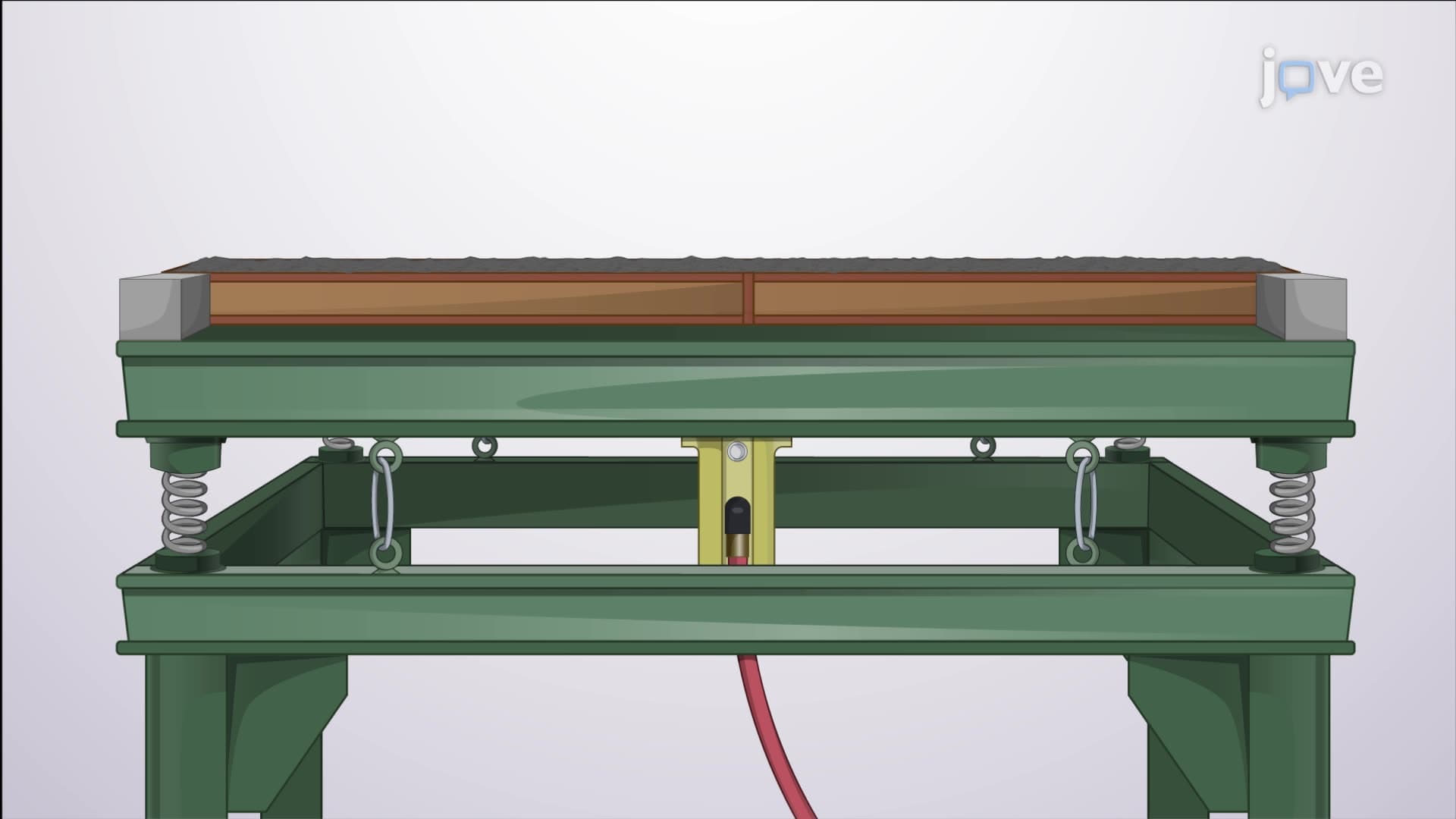
- Evaluate the effectiveness of vibrating tables for precast concrete manufacturing
- Apply knowledge of vibration duration and spacing requirements for optimal concrete density
- Recognize how entrapped air removal affects concrete strength and structural integrity
- Explore real-world applications in US infrastructure projects and building codes
Understanding What is Vibrating Concrete
Vibrating concrete represents one of the most crucial processes in modern construction engineering. This technique involves using mechanical vibrators to compact freshly placed concrete, transforming a potentially weak mixture into a dense, high-strength building material. The process fundamentally changes concrete's internal structure by eliminating air voids that would otherwise compromise structural integrity.
Types of Concrete Vibrators and Their Applications
Internal vibrators, commonly known as poker vibrators, are the workhorses of concrete construction. These devices penetrate directly through the concrete mass, typically spaced every 2-3 feet across the surface. Construction crews at major US projects, such as the renovation of the San Francisco-Oakland Bay Bridge, rely on these tools to ensure uniform compaction throughout thick concrete pours.
External vibrators offer a different approach, attaching directly to formwork through elastic supports. This method proves particularly valuable for thin concrete sections and precast elements. California's precast concrete industry extensively uses external vibration systems for manufacturing bridge girders and architectural panels that meet stringent seismic requirements.
Vibration Timing and Technique Mastery
Proper vibration duration ranges from 5 seconds to 2 minutes, depending on concrete consistency and mix design. This timing proves critical-insufficient vibration leaves air pockets, while excessive vibration can cause aggregate segregation. The gradual withdrawal technique ensures the vibrator's path seals naturally, preventing weak spots that could lead to structural failure.
Real-World Impact on US Infrastructure
Vibrating concrete techniques directly impact structures students see daily. The Hoover Dam's massive concrete pours required innovative vibration methods to achieve the density needed for century-long durability. Modern applications include everything from interstate highway construction following Federal Highway Administration standards to residential foundations meeting International Building Code requirements.
For students preparing for AP Physics or engineering coursework, understanding vibrating concrete connects theoretical concepts of density, mechanical energy transfer, and materials science to tangible applications. This knowledge proves valuable on standardized tests and provides foundation for advanced civil engineering studies at institutions like MIT, Stanford, or Georgia Tech.
Frequently Asked Questions
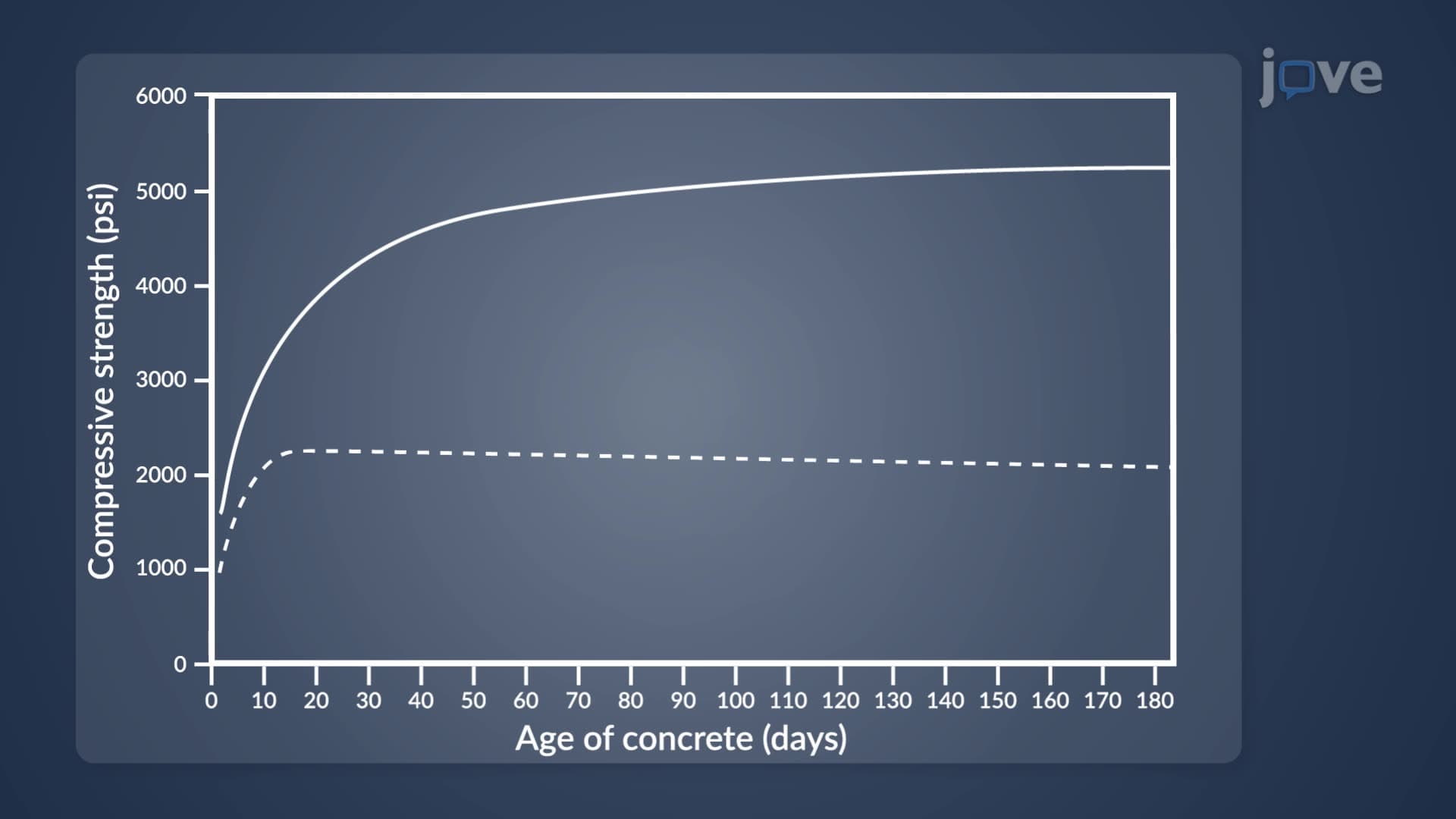
Vibrating concrete is a compaction process using mechanical vibrators to remove air bubbles and create dense, strong concrete structures. This technique increases concrete strength by up to 25% compared to non-vibrated concrete. It's essential because air pockets significantly weaken concrete, making vibration critical for safe, durable construction in buildings, bridges, and infrastructure projects across the United States.
AP Physics exams often test vibrating concrete through questions about mechanical energy transfer, frequency, and materials properties. College entrance exams may include problems calculating vibration effects on concrete density or analyzing force transmission through construction materials. Understanding this concept helps with both multiple-choice questions and free-response problems involving real-world engineering applications.
College exams typically focus on vibrator selection, spacing calculations, and timing requirements for different concrete mixes. Students encounter problems involving vibration frequency optimization, air void reduction calculations, and quality control procedures. Many universities include case studies of major US construction projects where proper vibration techniques were critical for structural success.
Vibrating concrete is everywhere in US infrastructure-from Interstate highway construction and airport runways to skyscraper foundations and bridge decks. Major projects like the new Tappan Zee Bridge replacement in New York and earthquake-resistant buildings in California rely heavily on proper concrete vibration. Even residential driveways and sidewalks benefit from vibration techniques for long-lasting durability.
Understanding vibrating concrete requires only basic algebra and physics principles taught in high school. The mathematical concepts involve simple calculations of spacing, timing, and frequency relationships. Most students comfortable with basic geometry and introductory physics can master these concepts without advanced calculus or complex engineering mathematics.
Focus on memorizing the three main vibrator types (internal, external, and table) and their specific applications. Create diagrams showing proper vibrator spacing and timing sequences. Practice calculating vibration parameters for different concrete thicknesses and consistencies. Review case studies of major US construction projects to understand real-world applications and potential exam scenarios.
Advanced students should explore concrete mix design principles, reinforcement placement techniques, and quality control testing methods. Study concrete curing processes, admixture effects, and sustainable concrete technologies. These topics build naturally on vibrating concrete knowledge and prepare students for advanced civil engineering coursework or construction management careers.
Related Micro-courses
6 Concepts

12 Concepts
6 Concepts