Loading subject page…


2,462 views

Video Summary: Effect of Sea Water on Concrete Explained
Did you know that the Golden Gate Bridge's concrete foundations face constant chemical warfare from Pacific Ocean salt water? The effect of sea water on concrete creates a complex battlefield where dissolved minerals attack concrete's internal structure while salt crystals expand like tiny explosives within microscopic pores. From California's coastal highways to Florida's marine structures, understanding how seawater degrades concrete through chemical reactions and physical expansion helps engineers design longer-lasting infrastructure. Watch the full video on JoVE Coach to master this concept with expert-led visuals and step-by-step explanations.
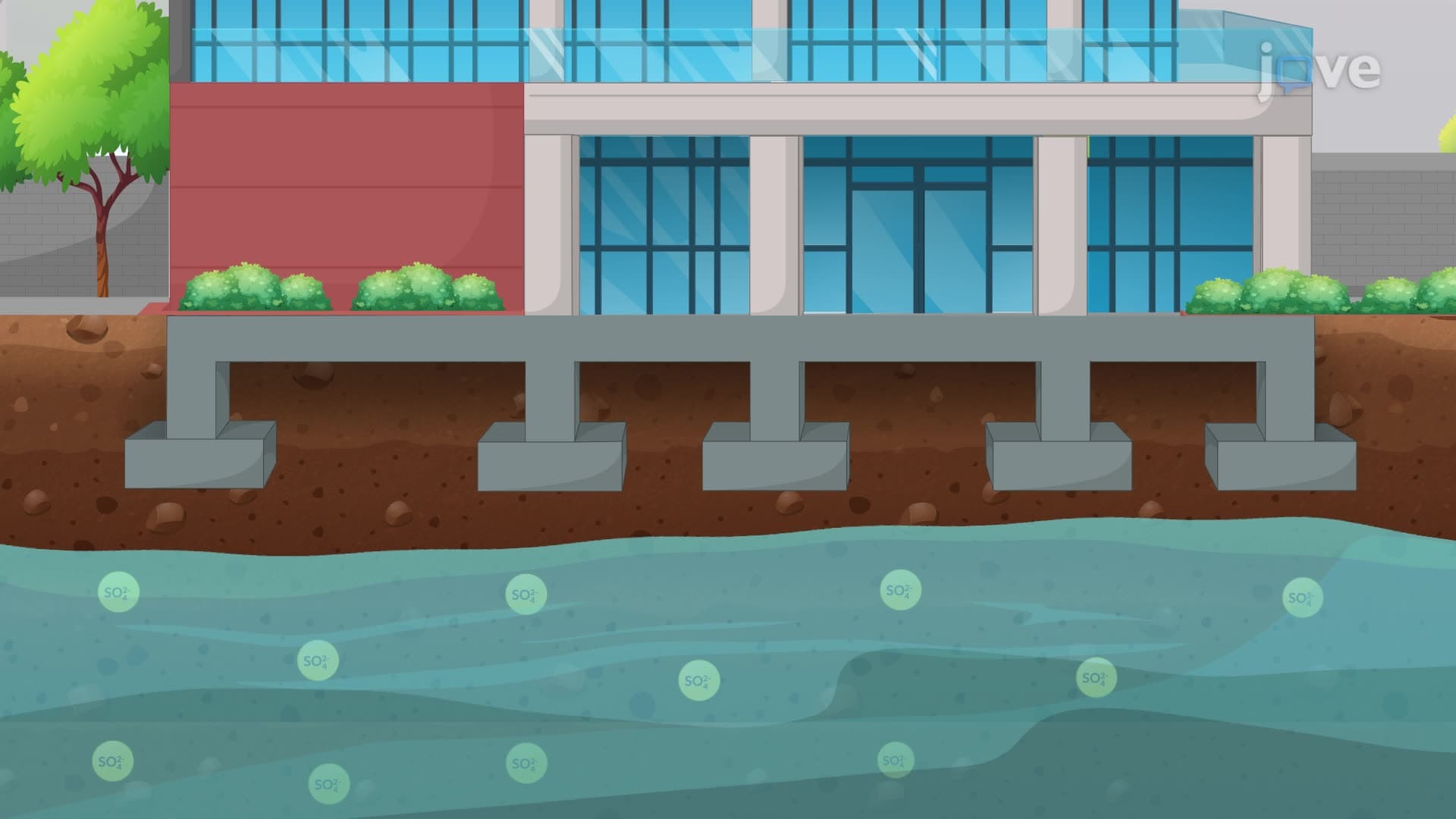
Marine concrete structures face unique challenges that don't exist in freshwater or terrestrial environments. The effect of sea water on concrete represents one of civil engineering's most persistent problems, affecting everything from bridge piers to offshore oil platforms along America's 95,000 miles of coastline.
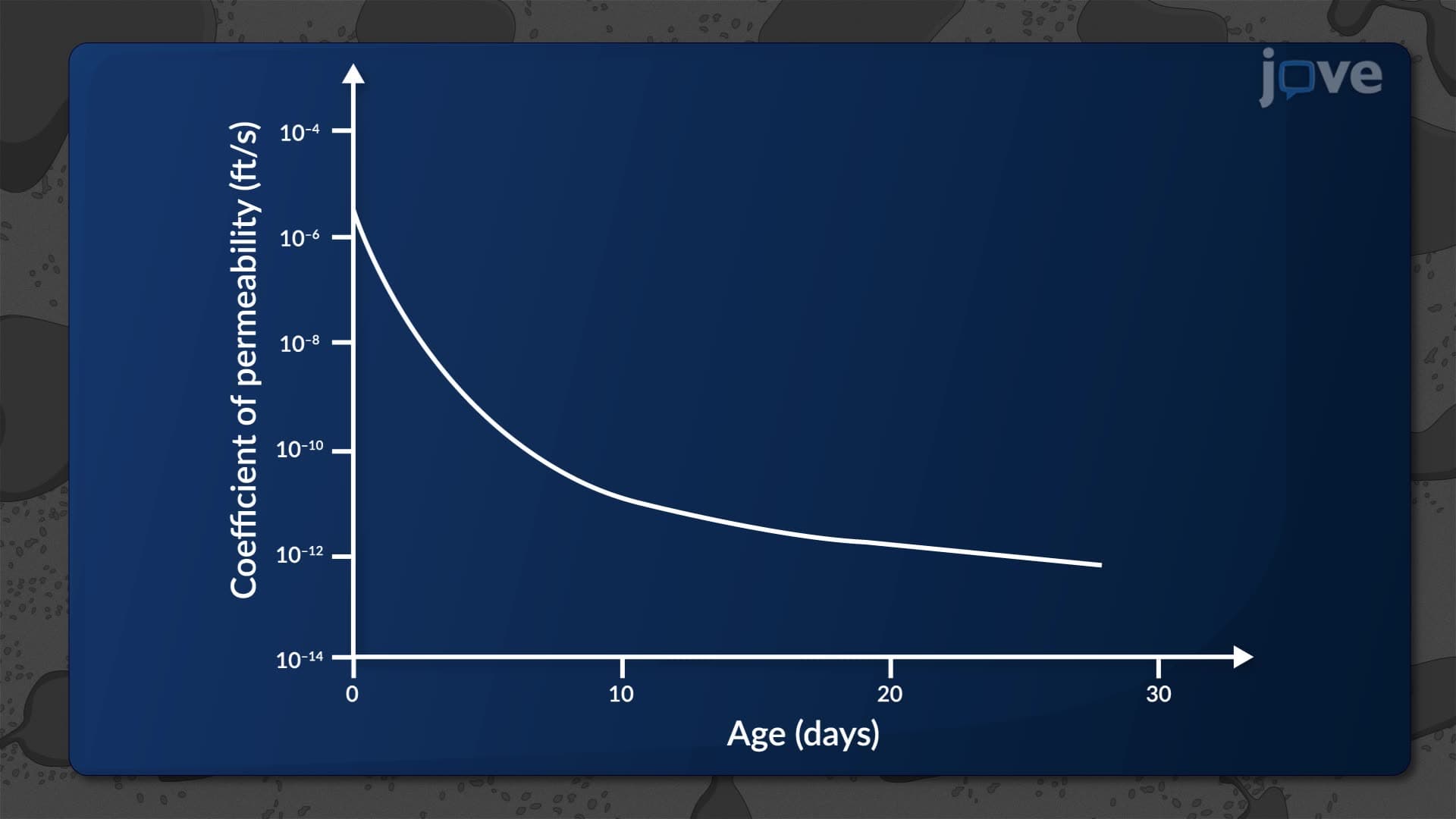
Seawater contains aggressive ions that chemically attack concrete's cement paste. Magnesium sulfate in seawater reacts with calcium hydroxide in concrete, forming both beneficial and harmful products. This reaction produces magnesium hydroxide and gypsum, where magnesium hydroxide can actually help by clogging pores and reducing permeability. However, the process also dissolves ettringite and gypsum crystals-needle-shaped compounds that normally provide concrete strength-increasing porosity and weakening the overall structure.
This knowledge appears frequently on AP Chemistry exams when discussing acid-base reactions and material science applications. College-level materials engineering courses explore these reactions in detail, particularly in coastal engineering programs at universities like UC San Diego and Florida Institute of Technology.
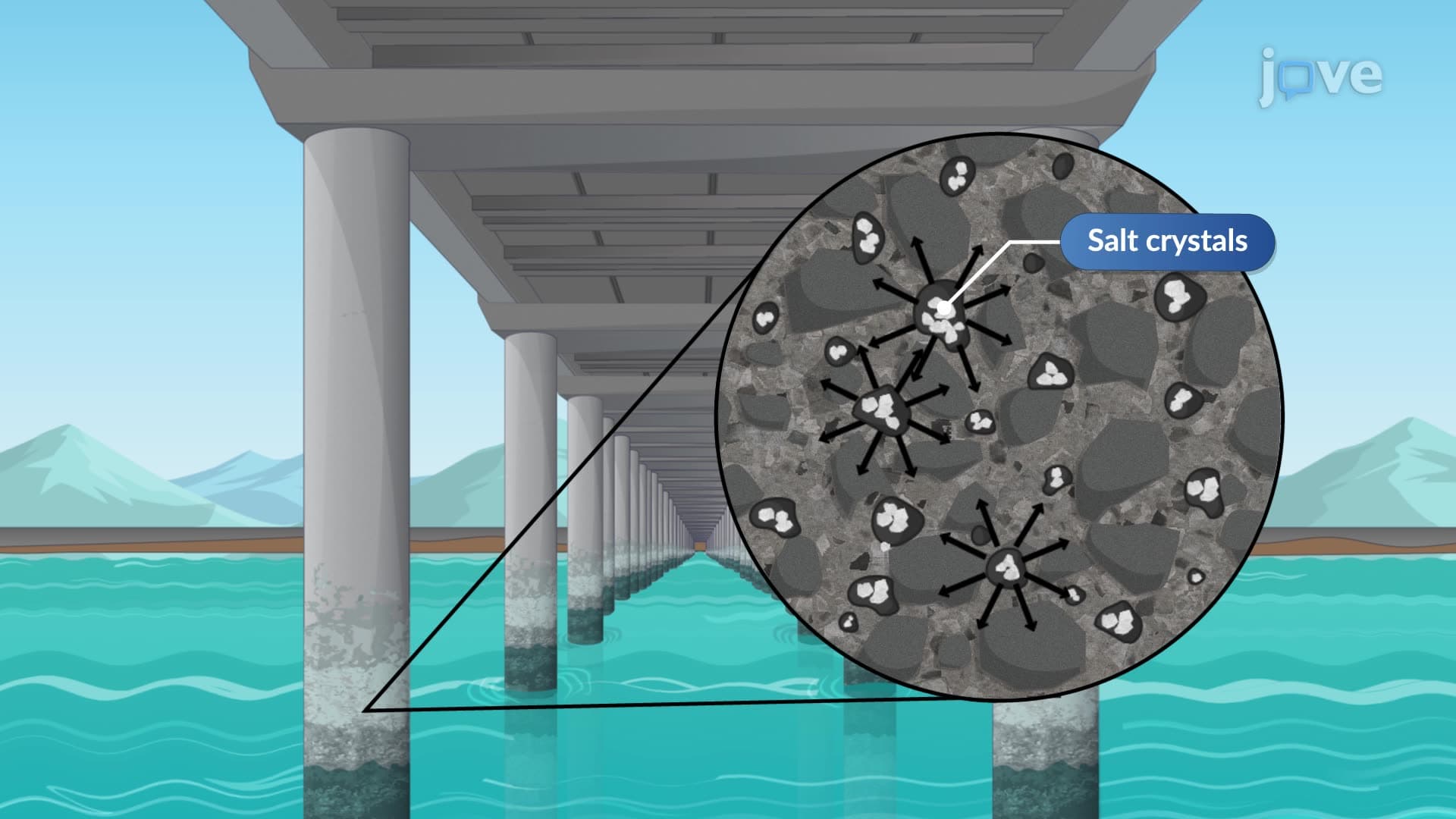
Above the waterline, a different destruction mechanism dominates. Salt solutions rise through concrete via capillary action-the same force that draws water up a paper towel. When this salt-laden water evaporates, salt crystals grow within concrete pores, creating expansive pressure that cracks the concrete from within. This explains why parking garages exposed to road salt or coastal structures above high tide often show more surface damage than submerged portions.
Tidal zones represent concrete's worst nightmare. The constant wet-dry cycling accelerates both chemical and physical attack mechanisms. Each tide brings fresh seawater with dissolved aggressive ions, while each low tide allows salt crystallization. Permanently submerged concrete, while still subject to chemical attack, avoids the devastating crystallization cycle.
The San Francisco Bay Bridge replacement project specifically addressed these issues, using high-performance concrete mixes designed for century-long exposure to aggressive marine environments-a real-world application often cited in structural engineering coursework.
Related Micro-courses