Loading subject page…

- Civil Engineering
- Permeability of Concrete
- Alkali Aggregate Reaction in Concrete
Micro-course: Permeability of Concrete
2,462 views
Learn key concepts and earn your certificate.

Alkali Aggregate Reaction in Concrete

00:00
01:26
Video Summary: What Is Alkali Aggregate Reaction
Did you know that the concrete in aging bridges across America might be slowly destroying itself from the inside out? Alkali aggregate reaction is a chemical process where silica minerals in concrete aggregates react with alkaline compounds from cement, creating expansive gels that crack structures over time. The deteriorating Interstate 35W bridge in Minneapolis showed signs of this reaction before its collapse. What is Alkali Aggregate Reaction involves understanding how this silent concrete killer affects infrastructure nationwide. Watch the full video on JoVE Coach to master this concept with expert-led visuals and step-by-step explanations.
- Understand what is Alkali Aggregate Reaction and identify the key chemical components involved in this concrete deterioration process
- Analyze how alkali-silica gel formation leads to internal pressure buildup and structural cracking in concrete
- Recognize the environmental factors that accelerate alkali aggregate reactions, including moisture, temperature, and pH conditions
- Evaluate the role of aggregate particle size in determining reaction rates and expansion timelines
- Apply preventive measures such as pozzolan incorporation and low-alkali cement selection in concrete design
- Identify real-world signs of alkali aggregate reaction in infrastructure like bridges, highways, and building foundations
- Compare the effectiveness of different mitigation strategies including limestone aggregate use and cement alkali content control
- Explore how this concept connects to materials science principles and civil engineering applications
Understanding What is Alkali Aggregate Reaction
Alkali aggregate reaction represents one of the most significant durability challenges facing concrete infrastructure in the United States. This electrochemical process occurs when reactive silica minerals naturally present in concrete aggregates encounter high-pH conditions created by cement hydration. The resulting alkali-silica gel exhibits hygroscopic properties, meaning it absorbs water and expands, generating internal stresses that exceed concrete's tensile strength capacity.
Chemical Mechanisms and Gel Formation
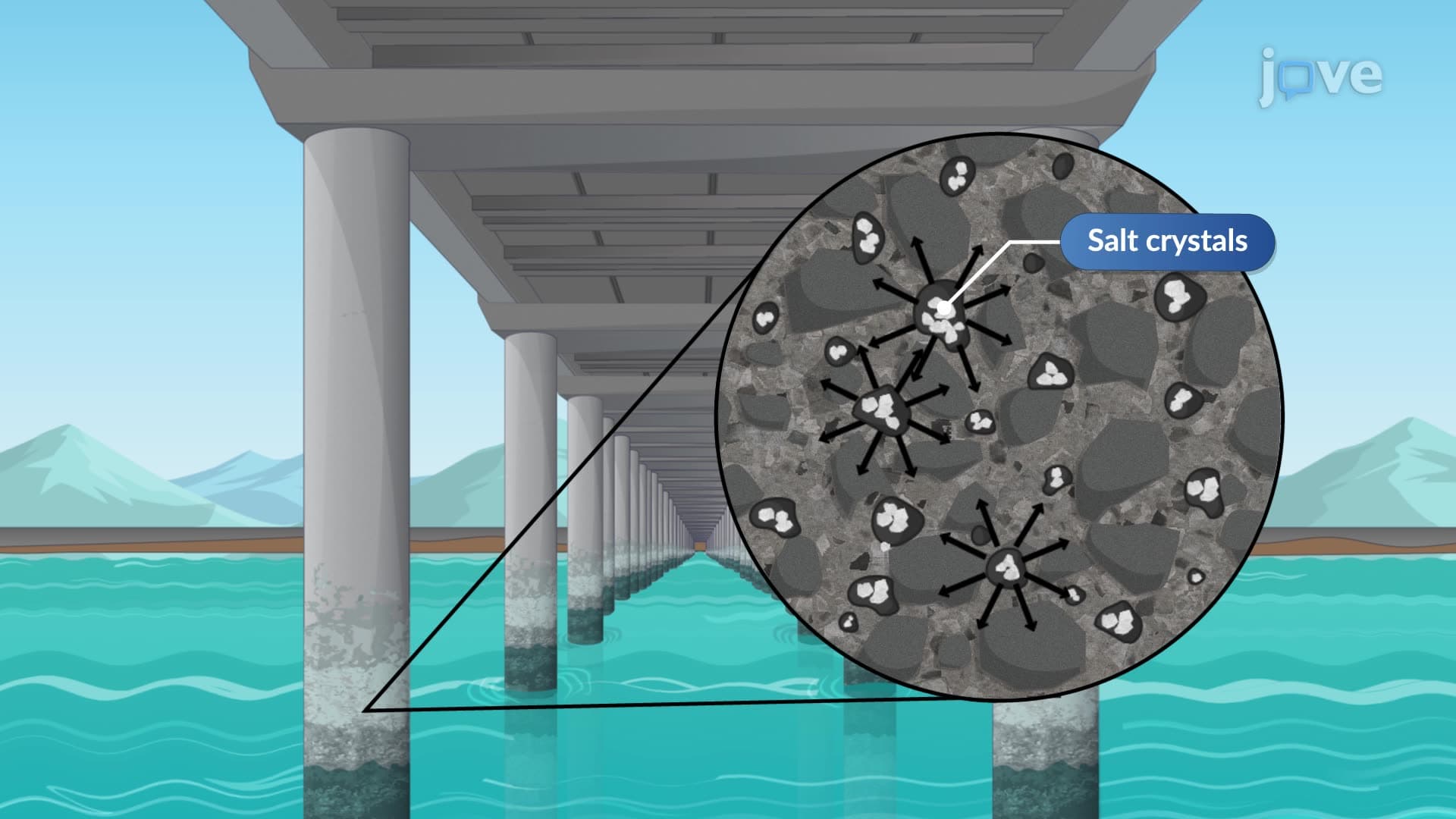
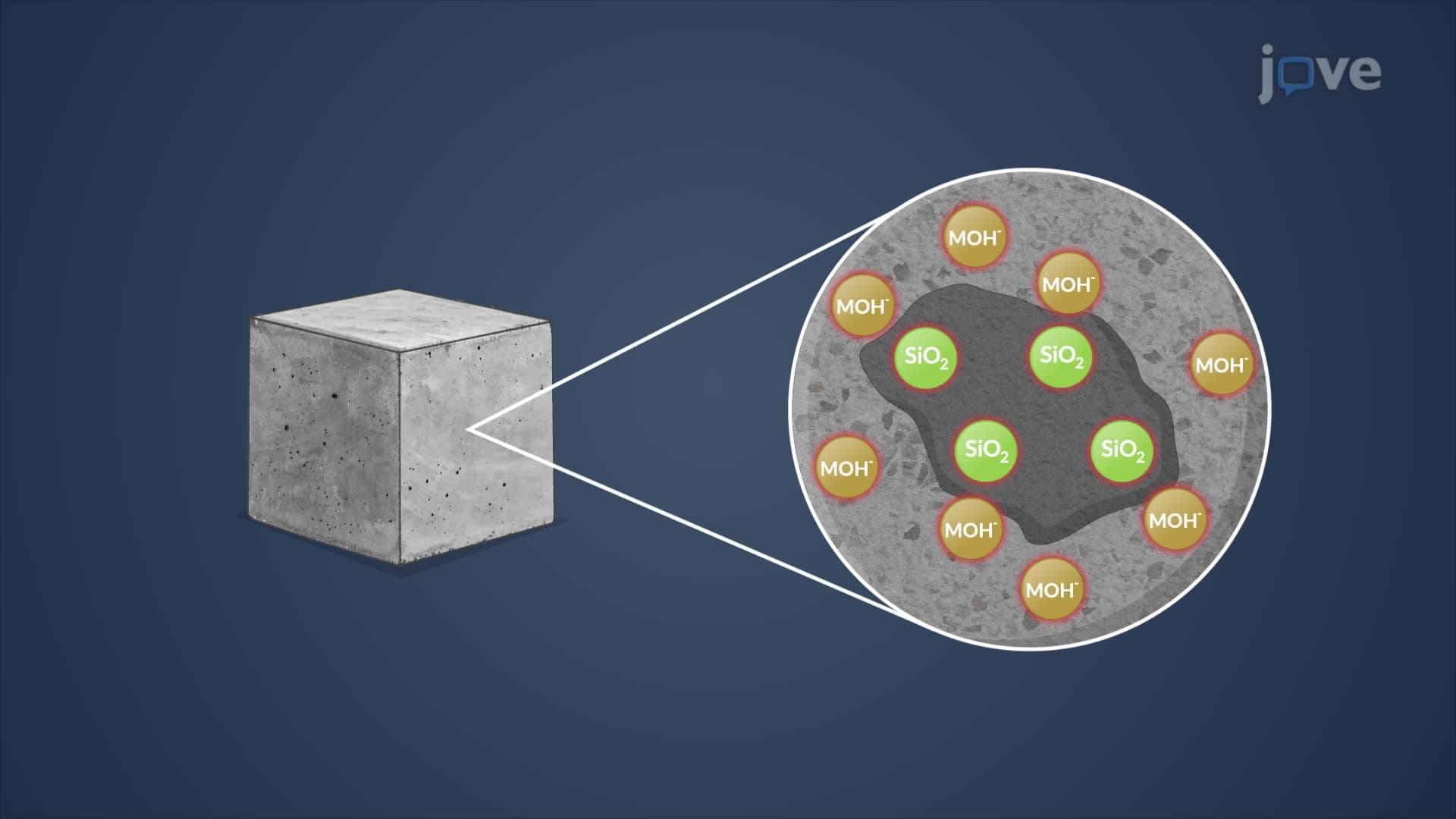
The alkali aggregate reaction definition centers on a complex chemical interaction between siliceous minerals (primarily opal, chalcedony, and volcanic glass) and alkali hydroxides (sodium and potassium hydroxides) released during cement hydration. When these components meet in the presence of moisture, they form an alkali-silica gel with unlimited swelling potential. This gel creates both osmotic pressure (drawing water into the reaction sites) and direct expansion pressure from solid reaction products.
The particle size of reactive aggregates significantly influences reaction kinetics. Fine siliceous particles can trigger visible expansion within weeks of concrete placement, making them particularly dangerous for new construction projects. Conversely, coarser reactive particles may remain dormant for years before causing noticeable damage, creating a "sleeper cell" effect in aging infrastructure.
Environmental Factors and Reaction Progression
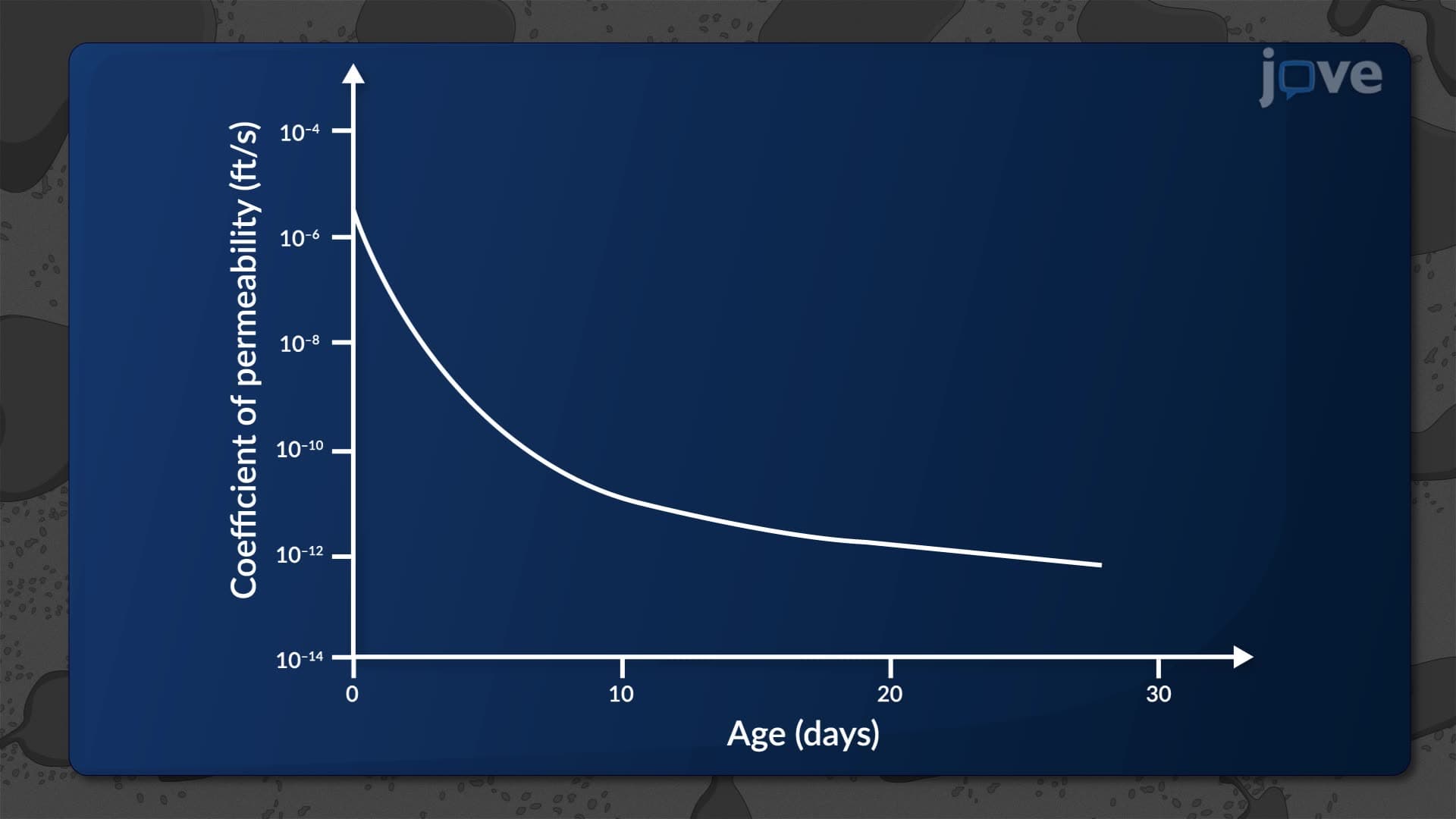
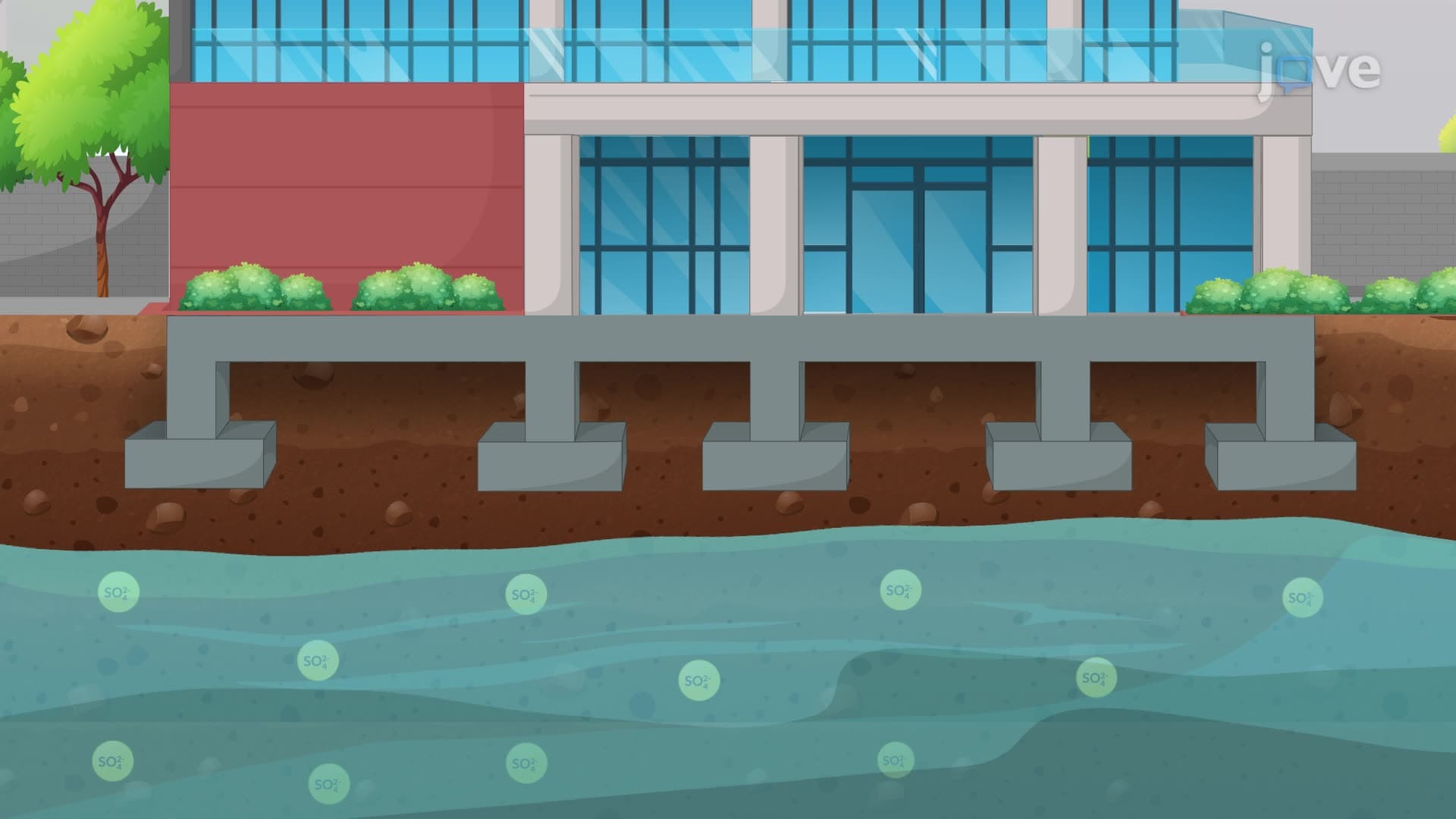
Understanding what is alkali aggregate reaction in detail requires examining environmental triggers. The reaction progresses most rapidly under specific conditions: continuous moisture exposure or alternating wet-dry cycles, temperatures between 50-100°F (typical in most US climates), and concrete with high permeability allowing moisture penetration. These conditions explain why highway bridges, parking structures, and marine installations show higher susceptibility to alkali aggregate reactions.
The reaction typically initiates at concrete surfaces where moisture ingress occurs most readily. As the alkali-silica gel forms and expands, it creates a network of microcracks that further facilitate moisture penetration, establishing a self-perpetuating cycle of deterioration.
Prevention and Mitigation Strategies
Modern concrete design incorporates several strategies to prevent alkali aggregate reactions. Using low-alkali cement (sodium oxide equivalent less than 0.6%) reduces the alkaline environment necessary for gel formation. Incorporating supplementary cementitious materials like fly ash or silica fume consumes available alkalis while densifying the concrete matrix.
The "limestone dilution" method involves replacing at least 30% of coarse aggregate with non-reactive limestone, effectively reducing the concentration of reactive silica. This approach has proven successful in states like Texas and Florida, where reactive aggregates are common but limestone is readily available.
Students preparing for AP Chemistry or Materials Science courses should recognize how this concept demonstrates Le Chatelier's principle and reaction kinetics in real-world applications. Civil engineering programs often use alkali aggregate reaction as a case study for understanding materials durability and infrastructure lifecycle management.
Frequently Asked Questions
Alkali aggregate reaction is a chemical process where silica in concrete reacts with cement alkalis, creating expansive gels that crack structures. Students should understand this concept because it affects billions of dollars in US infrastructure and demonstrates practical chemistry applications in civil engineering careers.
This concept reinforces key AP Chemistry topics including reaction mechanisms, pH effects, and materials science applications. Exam questions often test students' ability to predict reaction outcomes based on environmental conditions and chemical composition, making this real-world example valuable for comprehensive understanding.
MCAT passages could present alkali aggregate reaction as a case study for testing knowledge of chemical kinetics, thermodynamics, and materials properties. Students might analyze reaction rates, predict outcomes based on pH changes, or evaluate experimental data on concrete deterioration rates.
Look for map-crack patterns (resembling spider webs) on concrete surfaces of older highway overpasses, particularly in states like California, Texas, and the Southeast where reactive aggregates are common. The Hoover Dam and various Interstate bridges have documented cases of alkali aggregate reaction damage requiring expensive remediation.
No advanced chemistry background is required to grasp fundamental alkali aggregate reaction concepts. High school chemistry covering acids, bases, and basic reaction principles provides sufficient foundation. The concept builds naturally on pH understanding and simple chemical interactions.
Focus on understanding the three required components: reactive silica, alkali hydroxides, and moisture. Create concept maps connecting environmental factors to reaction rates, and practice explaining prevention strategies. Use real infrastructure examples to reinforce theoretical knowledge with practical applications.
This concept bridges inorganic chemistry, materials science, and civil engineering by demonstrating how molecular-level reactions affect macro-scale structural performance. It connects to corrosion studies, polymer chemistry (gel formation), and environmental engineering (moisture control and durability design).
Consider studying supplementary cementitious materials, concrete durability modeling, and advanced materials characterization techniques like petrographic analysis. These topics appear in graduate-level materials science programs and professional engineering practice.
Related Micro-courses