Loading subject page…


2,462 views

Video Summary: What Is Corrosion of Reinforcement
Ever wonder why concrete bridges like the San Francisco Bay Bridge require constant maintenance despite appearing solid? Corrosion of reinforcement occurs when steel rebar inside concrete structures loses its protective layer, leading to rust formation that can cause billions in infrastructure damage annually across the United States. This electrochemical process transforms strong steel into brittle rust, creating internal pressure that cracks concrete from within. Watch the full video on JoVE Coach to master this concept with expert-led visuals and step-by-step explanations.
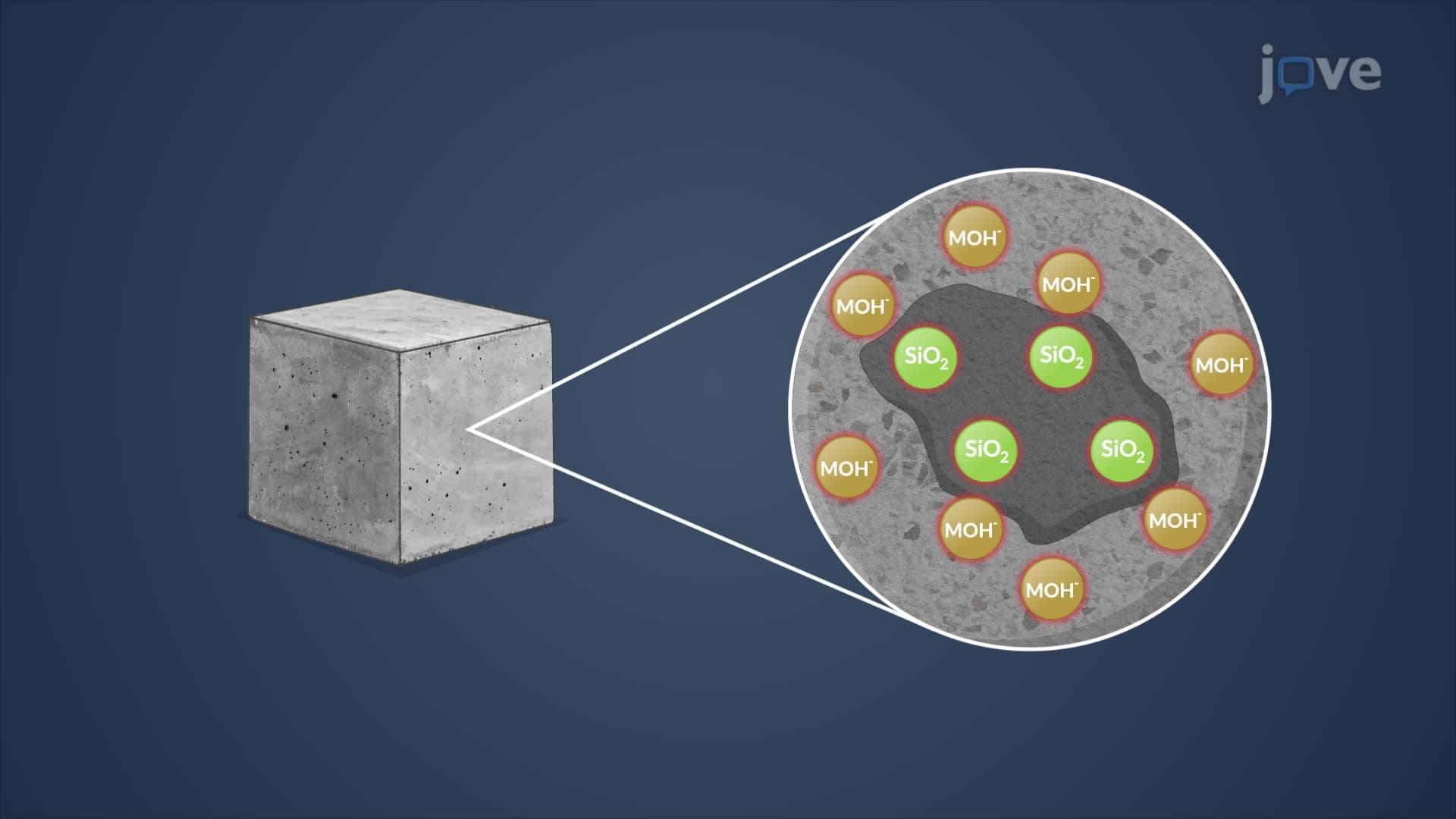
Corrosion of reinforcement represents one of the most significant challenges in modern construction engineering. When steel rebar is embedded in fresh concrete, the highly alkaline environment (pH ~13) created by calcium hydroxide forms a thin, protective iron oxide layer around the steel surface. This protective state, called passivity, acts like an invisible shield that prevents corrosion under normal conditions.
However, this protection isn't permanent. The steel surface naturally develops regions with different electrical potentials-some areas become anodic (positively charged) while others become cathodic (negatively charged). The concrete's pore solution, rich in dissolved salts, acts as an electrolyte that connects these regions, setting up the perfect conditions for an electrochemical reaction.
The corrosion mechanism follows a predictable pattern. At anodic sites, iron atoms lose electrons and dissolve as ferrous ions (Fe²⁺) into the surrounding solution. Meanwhile, electrons flow through the steel to cathodic regions where they react with oxygen and water to produce hydroxyl ions (OH⁻). When ferrous and hydroxyl ions meet in the concrete's pore solution, they form ferrous hydroxide, which quickly oxidizes to become the familiar reddish-brown rust we recognize.
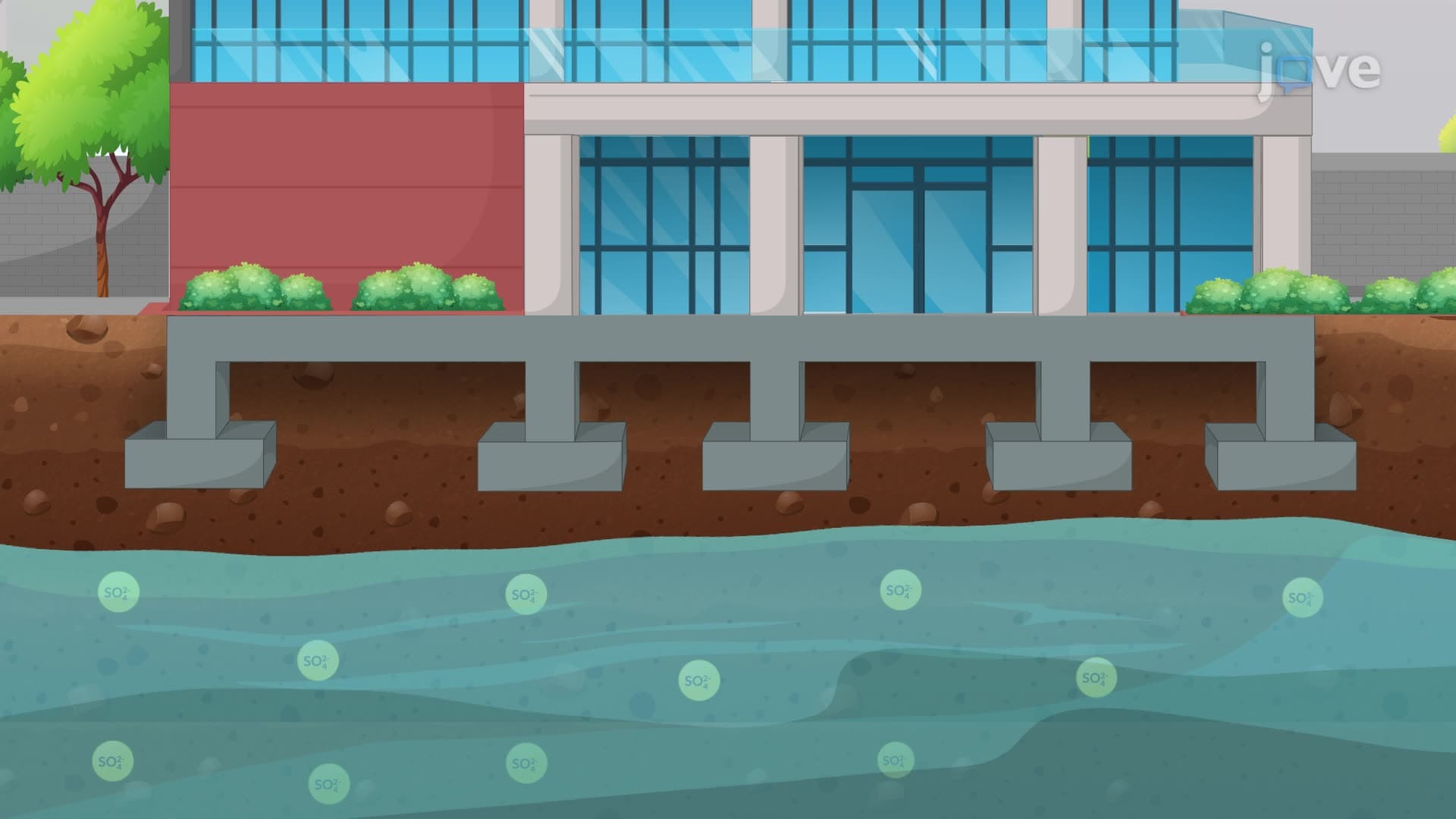
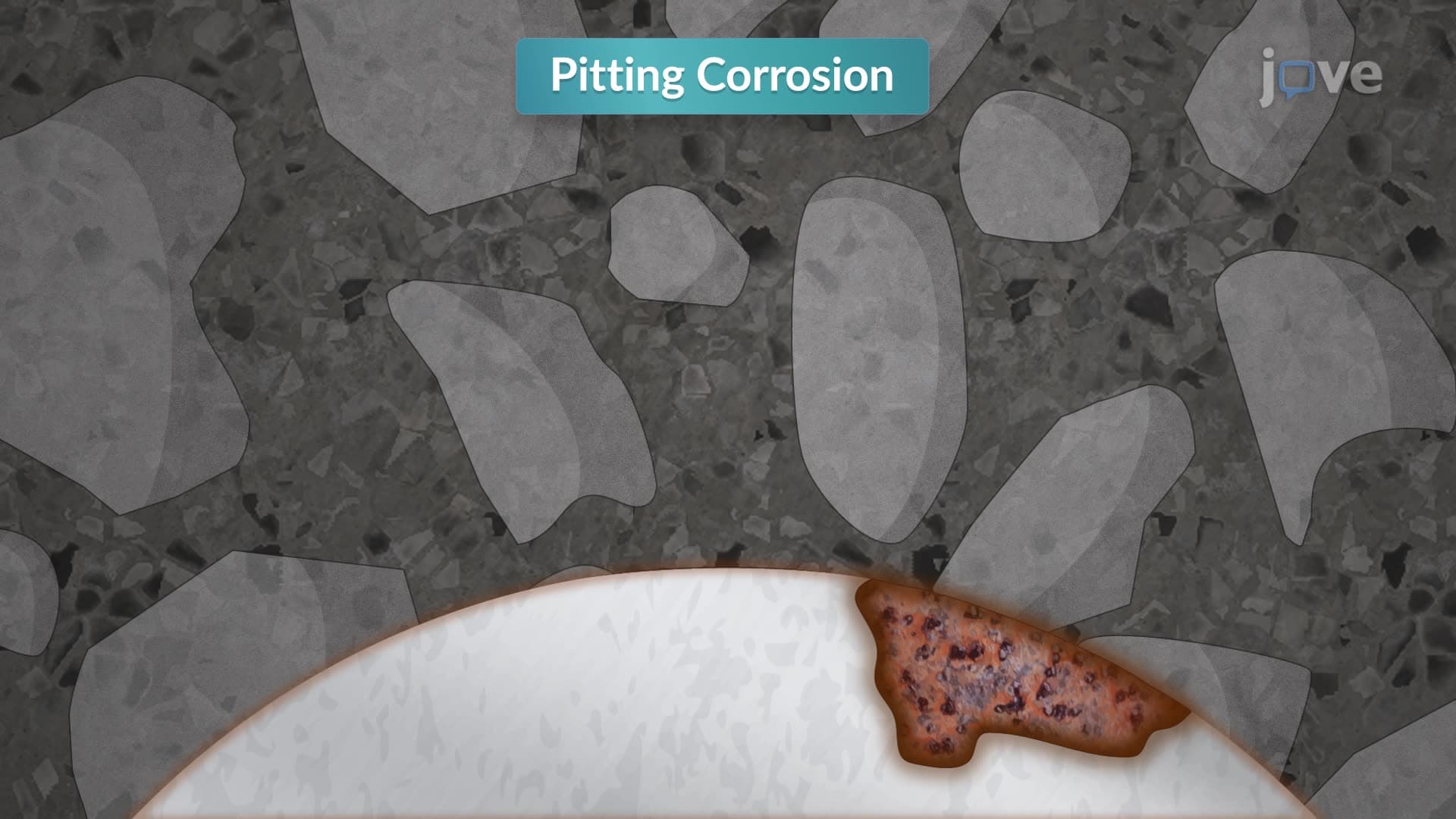
This process becomes particularly destructive when chloride ions penetrate the concrete-common in coastal areas or regions where road salt is used for winter de-icing. These chlorides concentrate at anodic spots, forming hydrochloric acid that breaks down the protective oxide layer and creates localized pitting corrosion. States like Florida and California see accelerated infrastructure deterioration due to saltwater exposure, costing taxpayers millions in premature repairs.
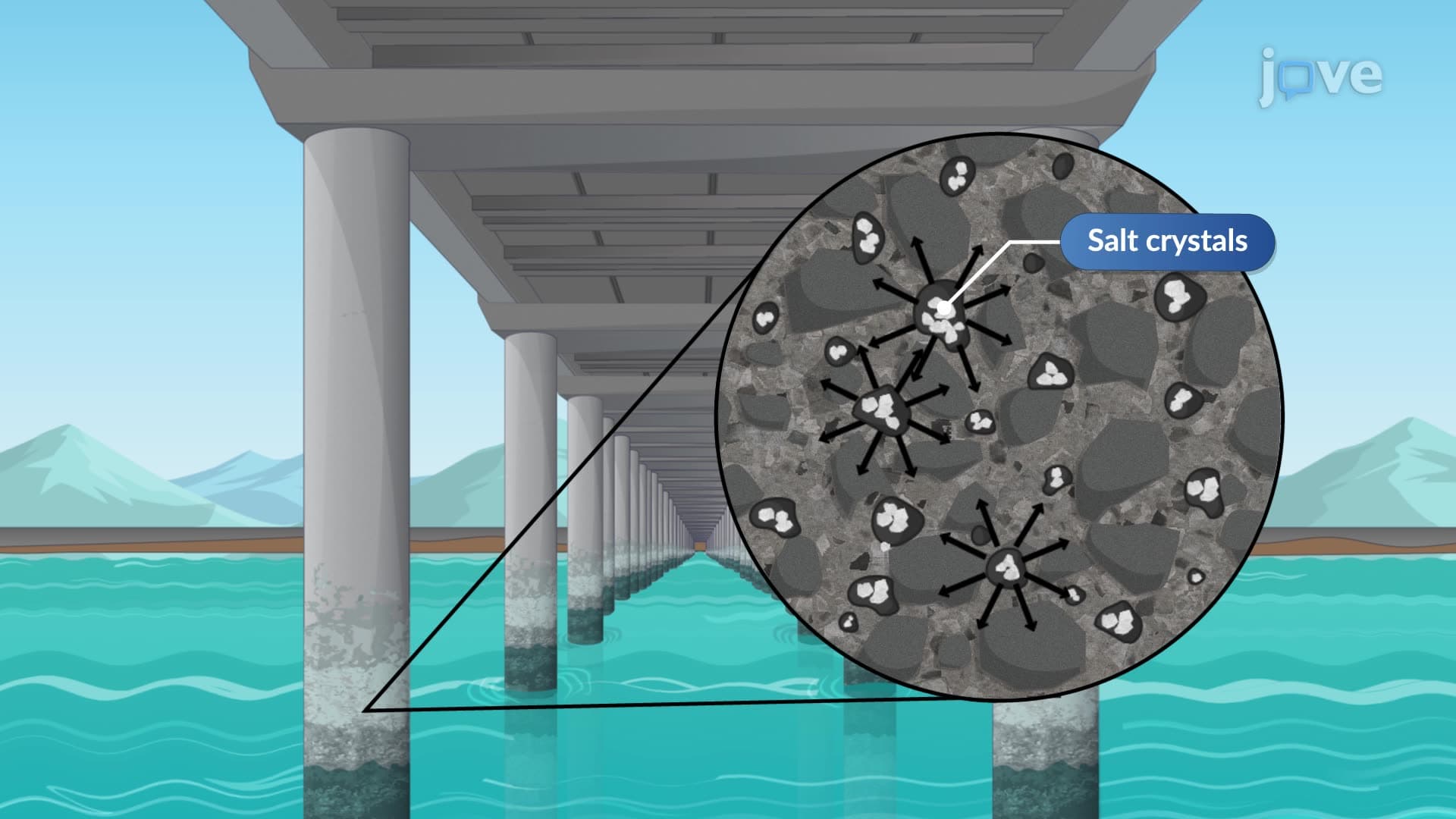
When steel rusts, it expands up to ten times its original volume, creating tremendous internal pressure that cracks concrete from within. This leads to spalling (concrete chunks falling off), exposing more steel to the elements and accelerating the deterioration cycle. The collapse of the Silver Bridge in West Virginia (1967) and ongoing challenges with bridges in the Northeast demonstrate the critical importance of preventing reinforcement corrosion.
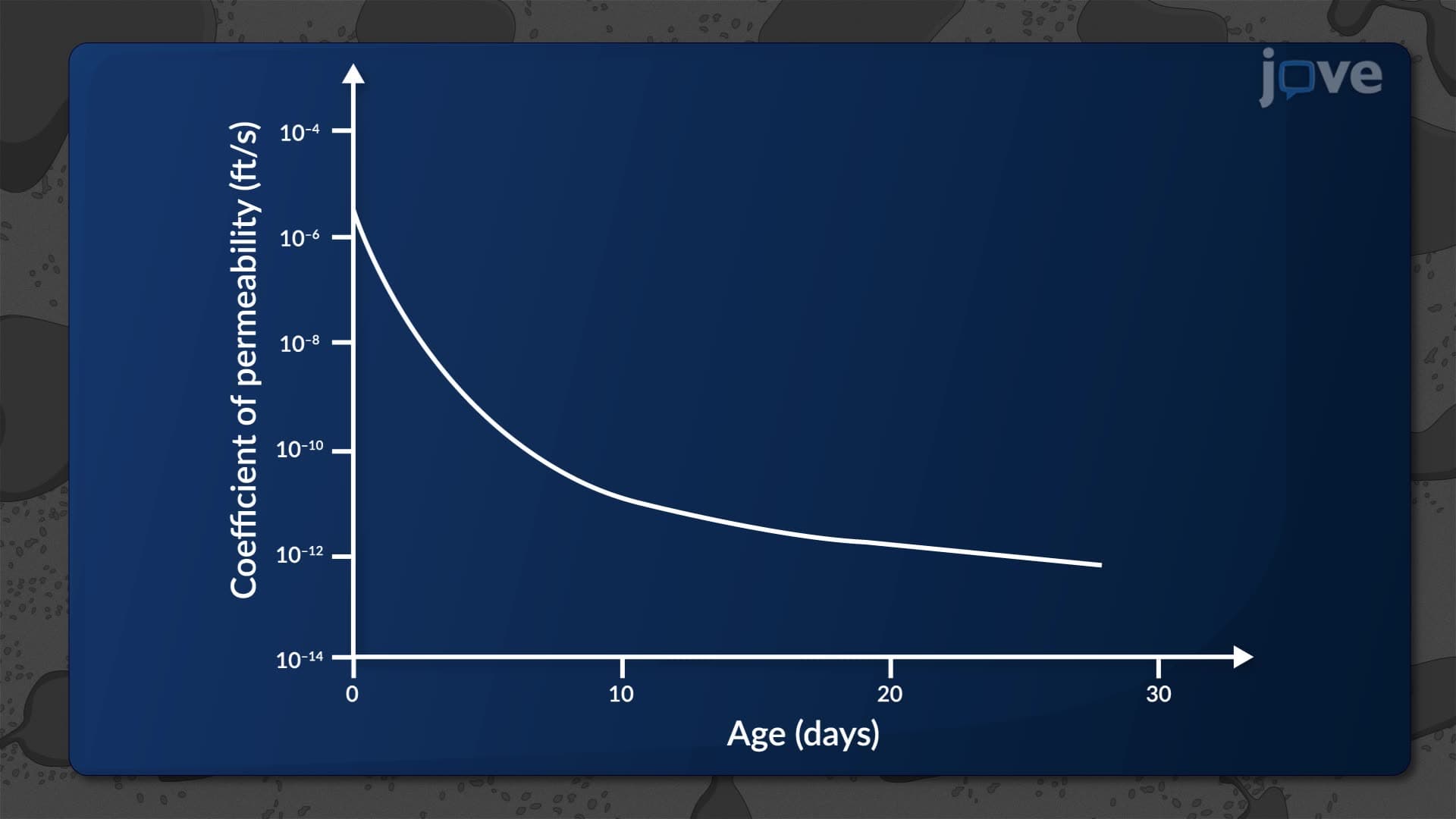
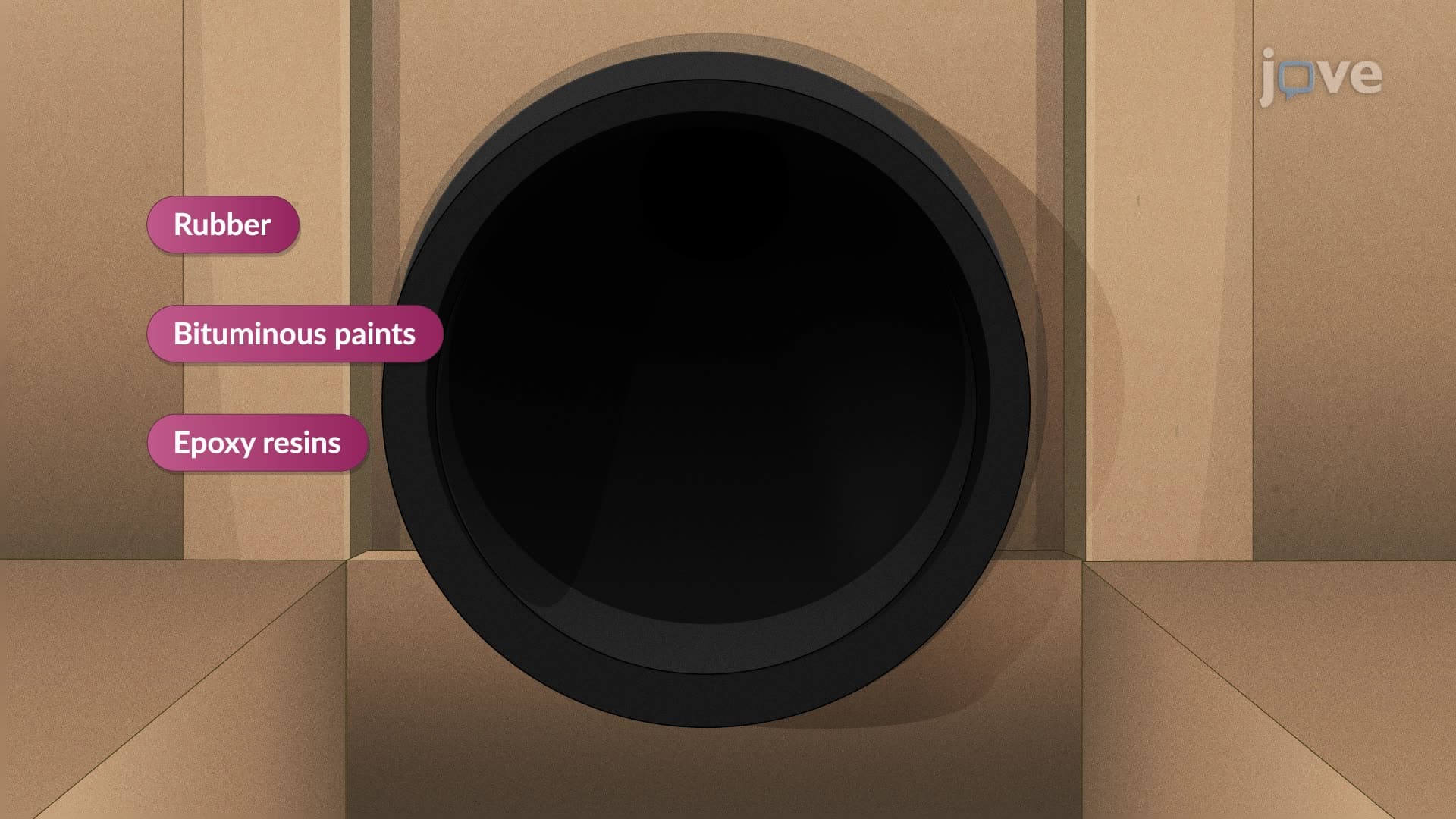
Modern prevention strategies include using epoxy-coated rebar, galvanized steel, or stainless steel in high-risk environments. Engineers also focus on reducing concrete permeability through proper mix design and curing, effectively keeping moisture and chlorides away from the steel. These concepts frequently appear on AP Chemistry and college-level materials science exams, where students must explain the electrochemical principles and calculate corrosion rates under different environmental conditions.
Related Micro-courses