Loading subject page…

- Civil Engineering
- Permeability of Concrete
- Sulfate Attack on Concrete
Micro-course: Permeability of Concrete
2,462 views
Learn key concepts and earn your certificate.


Sulfate Attack on Concrete

00:00
01:29
Video Summary: What Is Sulfate Attack on Concrete
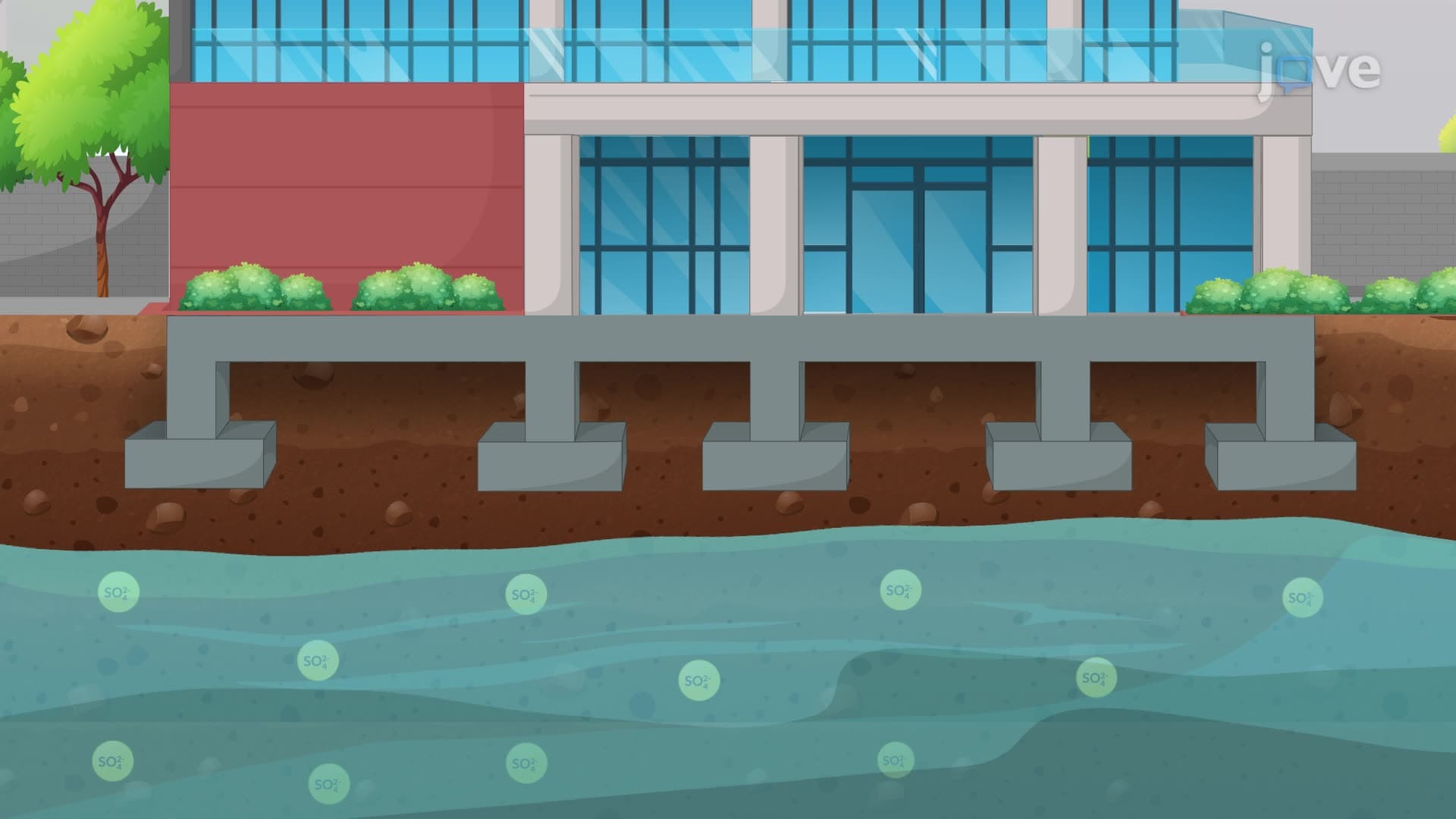
Did you know that the crumbling concrete infrastructure across American cities-from deteriorating highway overpasses to failing foundation walls-often stems from an invisible chemical enemy? Sulfate attack on concrete occurs when sulfate ions from soil or groundwater react with concrete components, causing expansion, cracking, and structural failure. The iconic concrete seawalls along Florida's coast frequently exhibit this whitish, flaking damage due to saltwater exposure. Understanding what is sulfate attack on concrete is crucial for future engineers and construction professionals working to build durable infrastructure. Watch the full video on JoVE Coach to master this concept with expert-led visuals and step-by-step explanations.
- Understand what is sulfate attack on concrete and identify its characteristic visual signs including whitish appearance, edge deterioration, and progressive cracking patterns
- Identify the chemical mechanisms behind sulfate attack, including the formation of expansive calcium sulfate and calcium sulfoaluminate compounds within concrete structures
- Analyze the primary sources of sulfate exposure, including contaminated groundwater, marine environments, and sulfate-rich soils commonly found across different US regions
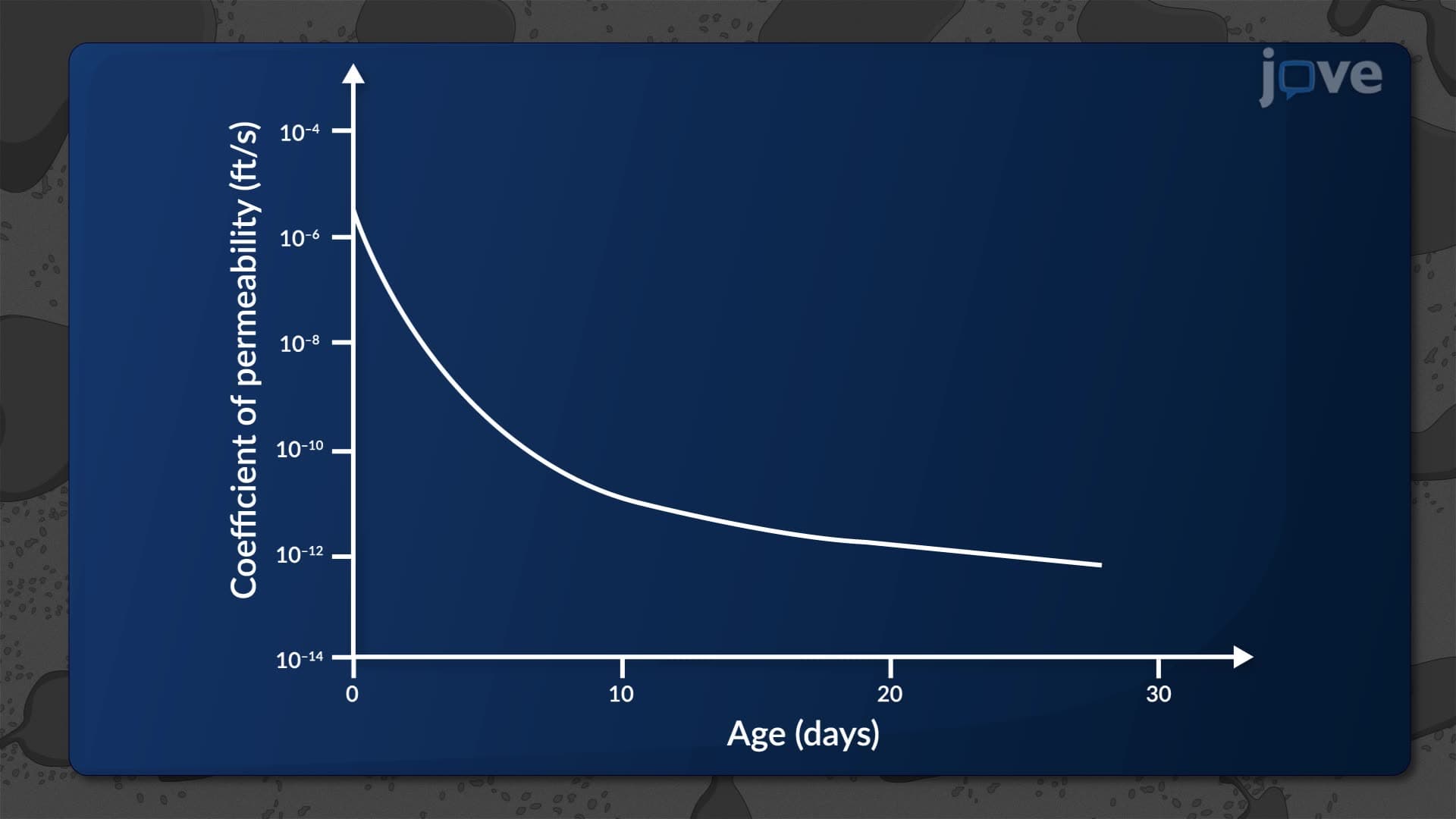
- Recognize the relationship between concrete permeability and sulfate vulnerability, understanding how water infiltration accelerates the deterioration process
- Evaluate laboratory testing methods used to assess concrete's resistance to sulfate attack, including immersion tests and accelerated weathering protocols
- Apply prevention strategies such as using sulfate-resistant cement, optimizing water-cement ratios, and implementing proper concrete mix designs for sulfate-prone environments
- Compare different types of sulfates (sodium, potassium, magnesium, calcium, and ammonium) and their varying degrees of aggressiveness toward concrete structures
- Explore real-world implications of sulfate attack on infrastructure longevity, maintenance costs, and structural safety in construction projects
Understanding What is Sulfate Attack on Concrete
Sulfate attack on concrete represents one of the most significant durability challenges facing modern infrastructure. This chemical deterioration process occurs when sulfate ions penetrate concrete and react with specific compounds in the cement paste, leading to expansion, cracking, and eventual structural failure. Unlike mechanical damage, sulfate attack develops gradually over years or decades, making early detection and prevention crucial for long-term structural integrity.
Chemical Mechanisms and Formation Process
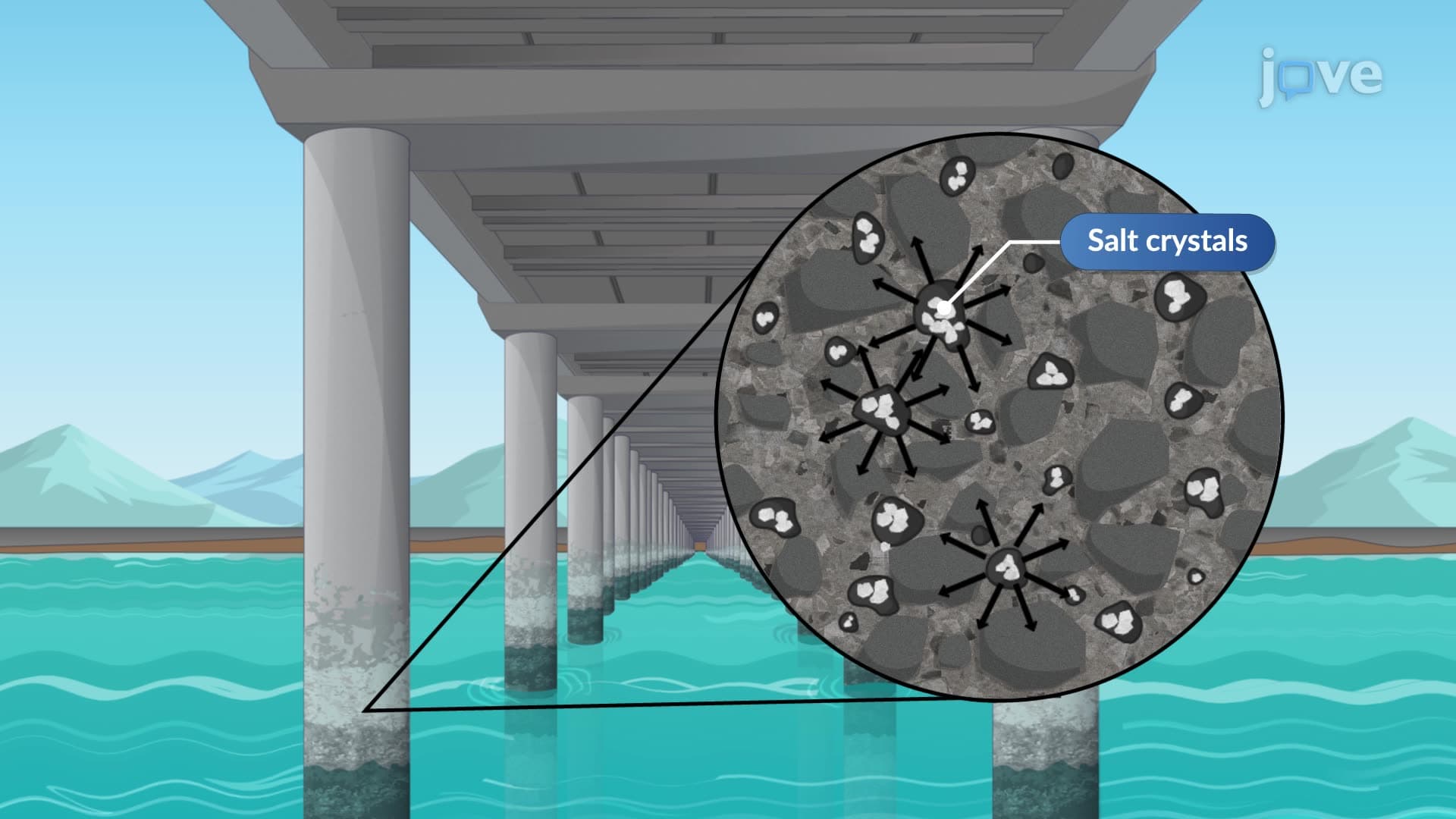
The sulfate attack on concrete definition encompasses a complex series of chemical reactions. When sulfates infiltrate concrete through permeable pathways, they react with calcium hydroxide and calcium aluminate hydrate in the hardened cement paste. This reaction produces calcium sulfate (gypsum) and calcium sulfoaluminate (ettringite), both of which occupy significantly more volume than the original compounds.
The expansion creates internal stress that exceeds concrete's tensile strength, resulting in characteristic cracking patterns. This process is particularly problematic because the newly formed compounds are softer and more soluble than the original cement matrix, further weakening the structure. Understanding this mechanism is essential for students preparing for materials science coursework and professional engineering exams like the Fundamentals of Engineering (FE) exam.
Environmental Sources and Risk Assessment
Sulfate attack on concrete overview must consider the diverse environmental sources across the United States. Groundwater in southwestern states like Arizona and Nevada often contains high sulfate concentrations due to natural geological formations. Coastal regions face marine sulfate exposure, while industrial areas may have contaminated soils from manufacturing processes.
The severity of attack depends on sulfate concentration, temperature, and concrete permeability. For instance, the concrete foundations of buildings in Denver's expansive clay soils face different sulfate exposure risks compared to structures in Florida's marine environment. This geographic variability makes understanding sulfate attack on concrete particularly relevant for students studying regional construction practices.
Prevention and Mitigation Strategies
Modern concrete technology offers several approaches to combat sulfate attack. Sulfate-resistant cement types, such as Type V Portland cement, contain reduced amounts of calcium aluminate compounds that react with sulfates. Additionally, supplementary cementitious materials like fly ash or slag can reduce the concrete's calcium hydroxide content, limiting available reactants for sulfate attack.
Proper mix design focuses on achieving low permeability through optimized water-cement ratios, typically below 0.45 for sulfate-resistant concrete. Dense concrete with minimal void space prevents sulfate infiltration, addressing the root cause of the problem. These prevention strategies frequently appear in construction management coursework and are essential knowledge for students pursuing careers in structural engineering or construction technology.
Frequently Asked Questions
Sulfate attack on concrete is a chemical deterioration process where sulfate ions react with cement compounds, causing expansion and cracking. You'll first notice a characteristic whitish, chalky appearance typically starting at edges and corners, followed by progressive cracking, flaking, and spalling of the concrete surface.
Exam questions often focus on the chemical reactions involved, asking students to identify the products formed when sulfates react with calcium hydroxide. You might encounter problems calculating volume changes during ettringite formation or analyzing prevention strategies. Practice balancing the chemical equations for gypsum and ettringite formation.
While less common on the MCAT, sulfate attack concepts may appear in general chemistry passages about chemical equilibrium and solubility. The FE and PE civil engineering exams frequently include concrete durability topics, requiring knowledge of sulfate-resistant cement types and mix design principles for harsh environments.
Materials science, civil engineering, and construction management courses extensively cover sulfate attack as a real-world durability challenge. You'll study case studies of infrastructure failures, analyze prevention costs versus repair expenses, and learn specification requirements for sulfate-resistant concrete in different exposure conditions.
The concrete foundations of buildings in sulfate-rich soils throughout Colorado and Wyoming show classic sulfate attack symptoms. Florida's concrete seawalls and bridge piers experience marine sulfate exposure, while irrigation structures in California's Central Valley face groundwater sulfate challenges requiring specialized concrete mixes.
Basic high school chemistry concepts suffice for understanding sulfate attack fundamentals. If you're comfortable with chemical reactions, ionic compounds, and the concept of volume changes during reactions, you have the foundation needed. The key is understanding how chemical expansion creates physical stress in concrete.
Focus on memorizing the chemical products (gypsum and ettringite) and understanding why they cause expansion. Create flashcards linking sulfate sources to geographic regions, and practice identifying prevention strategies for different exposure conditions. Draw diagrams showing the progression from initial sulfate infiltration to visible concrete damage.
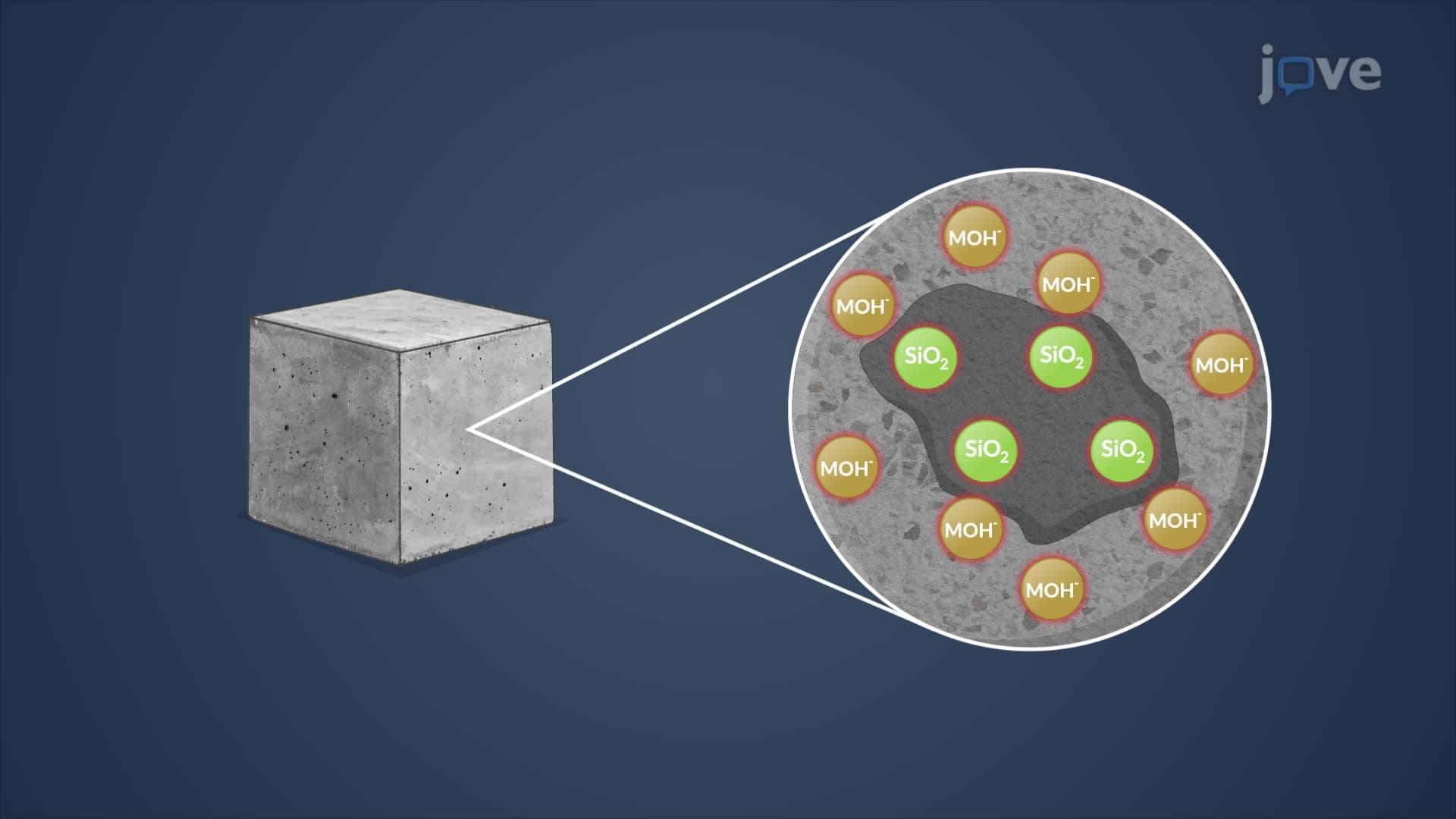
Investigate alkali-silica reaction (another concrete durability issue), study advanced concrete admixtures for harsh environments, and explore non-destructive testing methods for assessing concrete condition. Understanding these related topics provides valuable context for comprehensive materials engineering knowledge.
Related Micro-courses