Loading subject page…


2,165 views

Video Summary: Field Procedure for Staking Out Curves Explained
Did you know that every mile of Interstate highway contains dozens of precisely calculated curves that prevent drivers from experiencing dangerous G-forces? Vertical curves are essential geometric elements that ensure smooth transitions between different road grades, and mastering the field procedure for staking out curves explained in surveying is crucial for civil engineering students. From the Golden Gate Bridge approaches in San Francisco to the rolling hills of Pennsylvania's turnpike system, these mathematical principles guide real construction projects. Watch the full video on JoVE Coach to master this concept with expert-led visuals and step-by-step explanations.
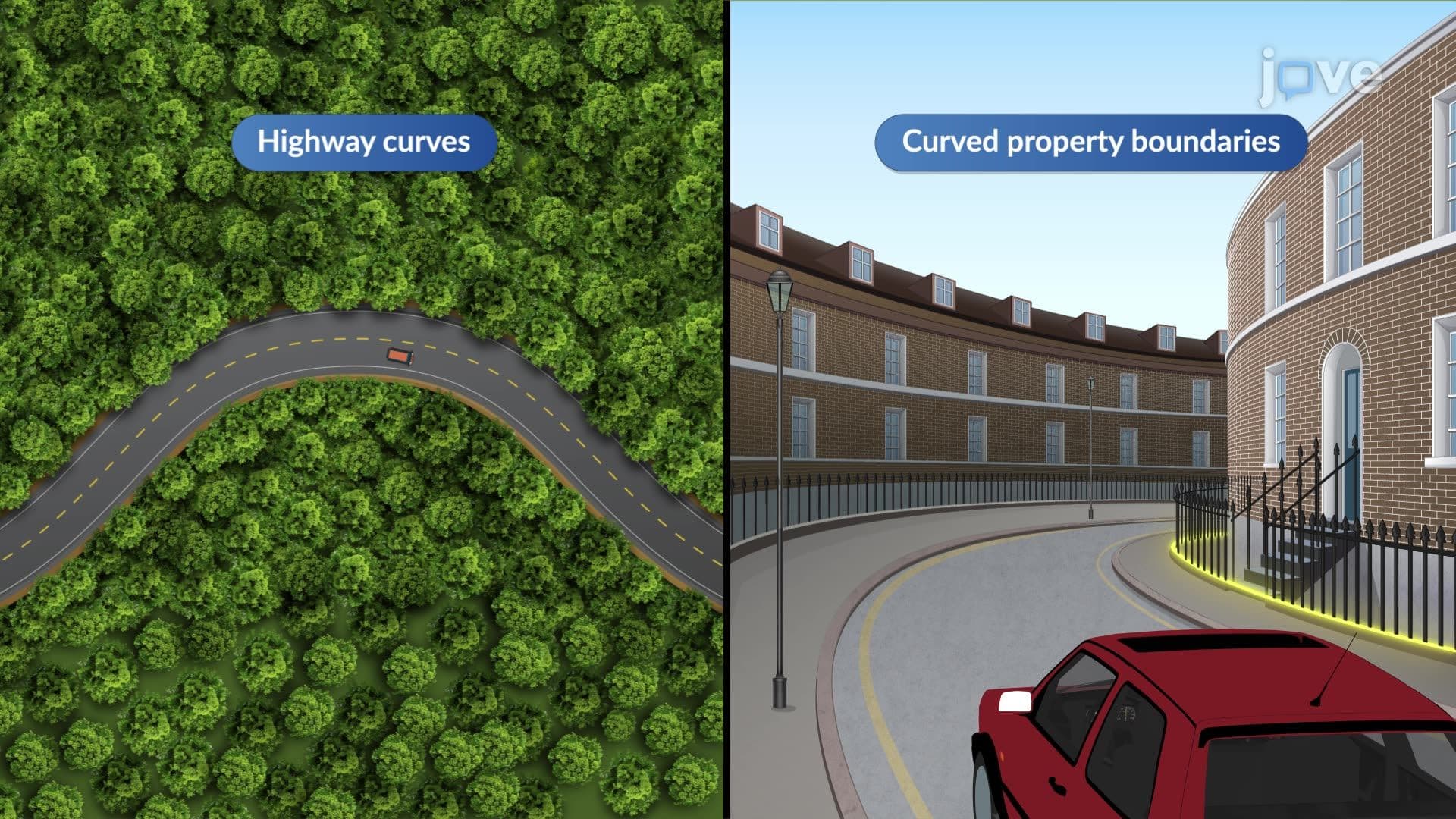
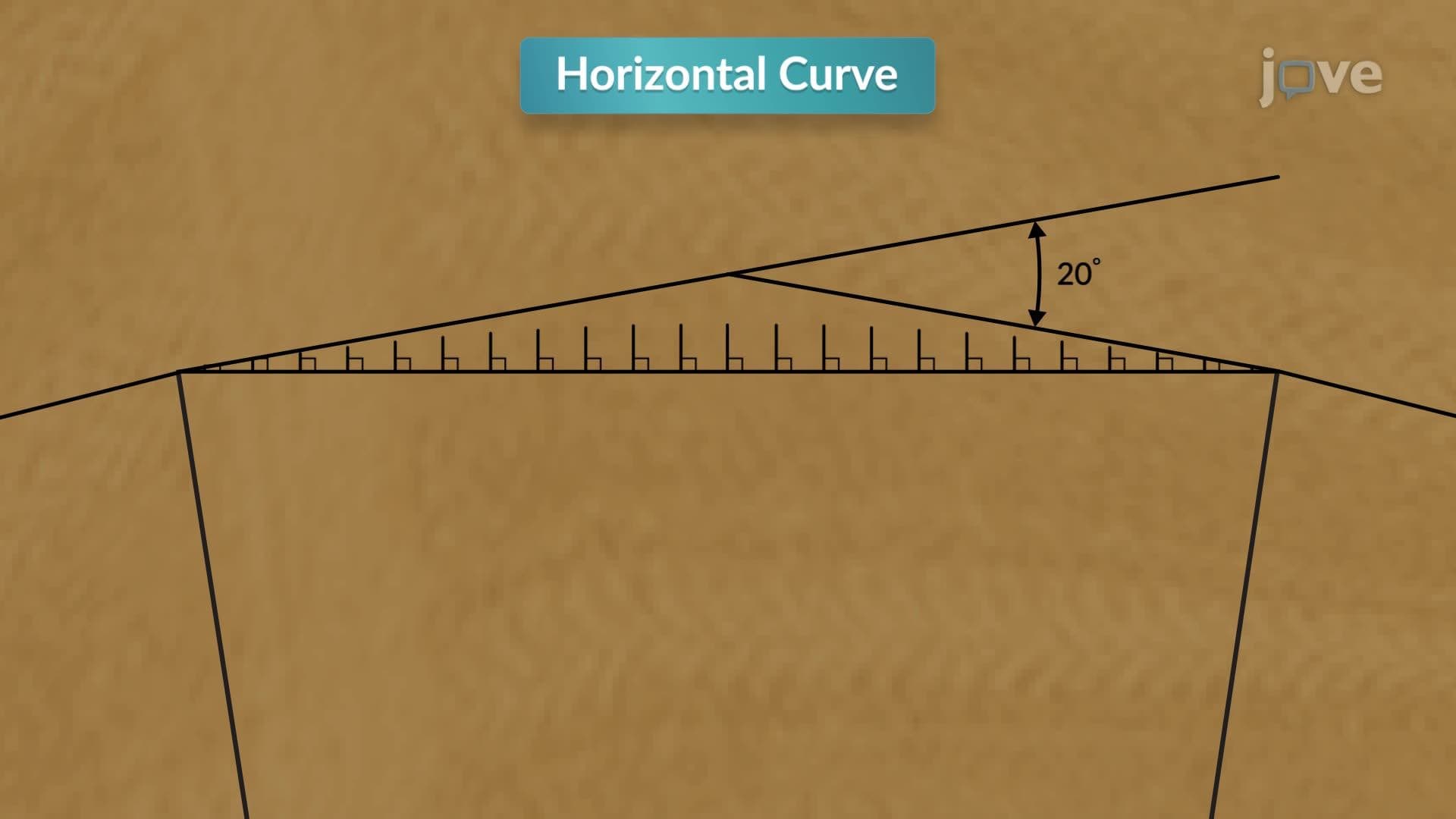
Curve staking represents one of the most critical skills in surveying and civil engineering, directly impacting public safety and construction accuracy. While horizontal curves guide vehicles around bends, vertical curves provide smooth transitions between different road slopes, preventing the jarring experience of sudden grade changes that could cause vehicles to lose contact with the pavement.
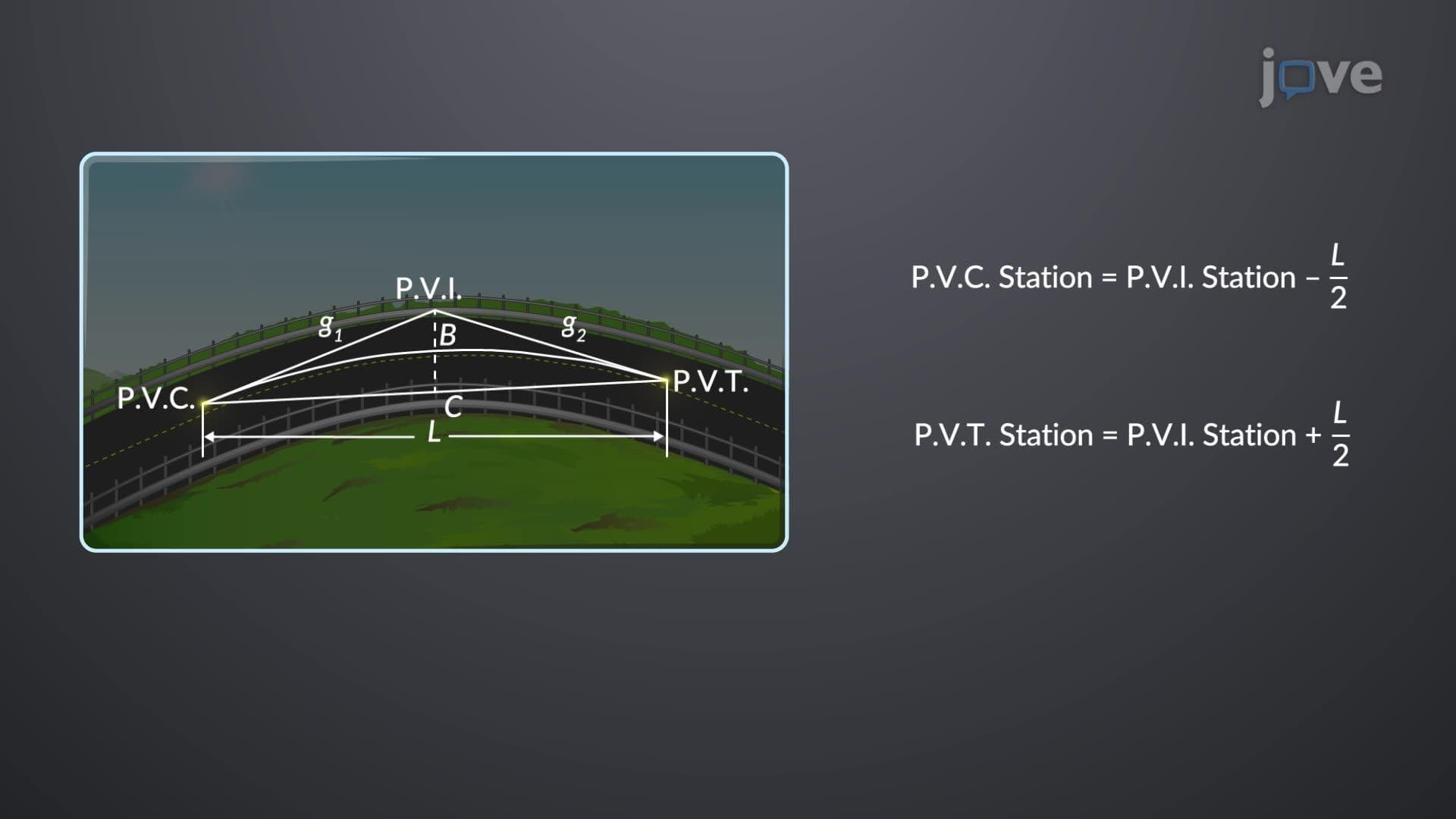
Types of vertical curves fall into two main categories: crest curves and sag curves. Crest curves connect an upward slope to a downward slope (like driving over a hill), while sag curves connect a downward slope to an upward slope (like driving through a valley). Understanding what are vertical curves overview helps students recognize that these aren't just mathematical abstractions-they're engineered solutions to real problems. For example, the approach to the San Francisco Bay Bridge uses carefully calculated sag curves to provide adequate sight distance for drivers while maintaining comfortable deceleration zones.
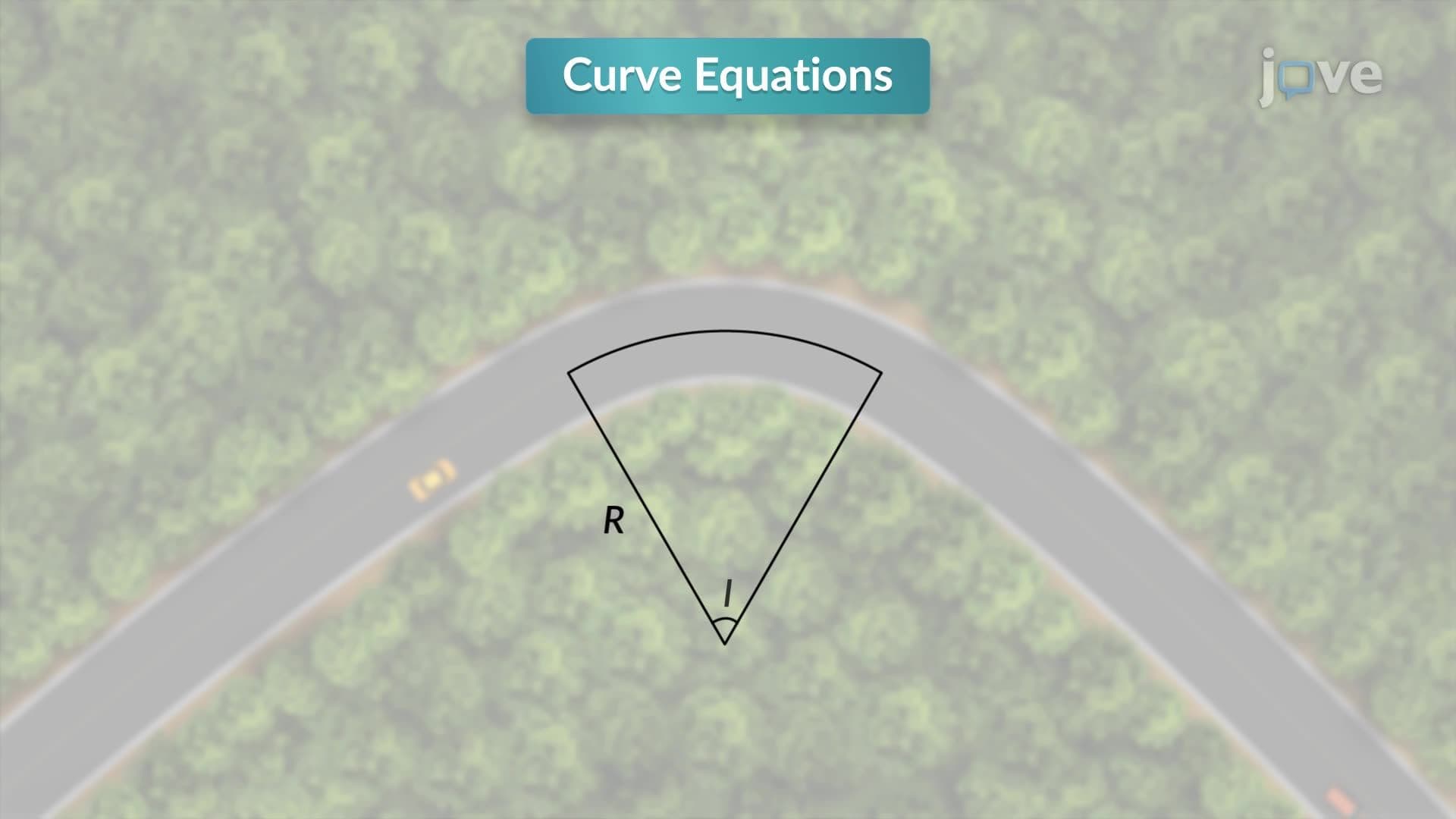
The geometric parameters essential for curve staking include radius of curvature, central angle, and tangent distances. These values directly influence driver comfort and safety. A vertical curves overview reveals that the length of these curves depends on design speed, grade difference, and stopping sight distance requirements. Engineering students preparing for the Fundamentals of Engineering (FE) exam must master these calculations, as they frequently appear in transportation engineering problems.
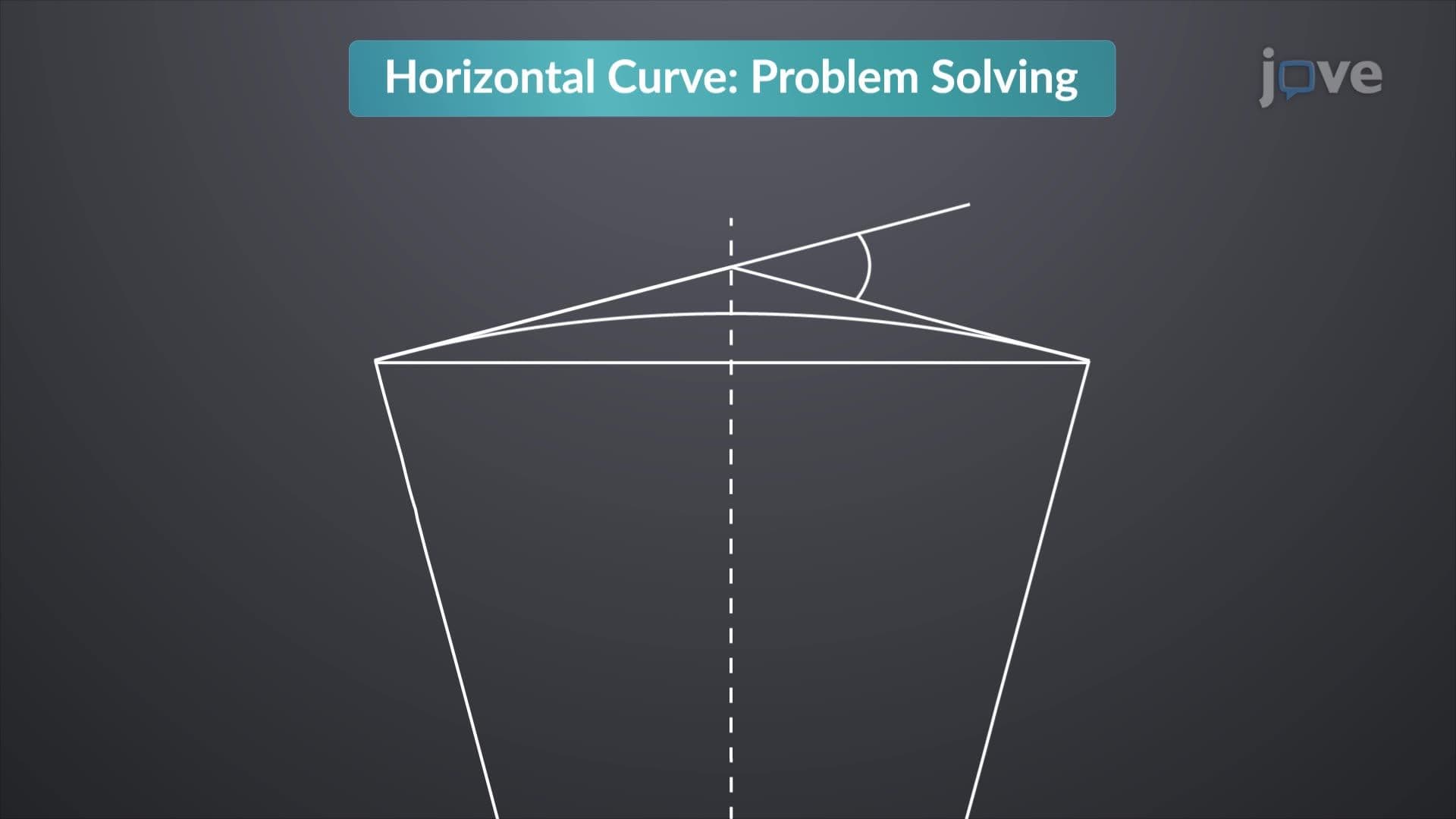
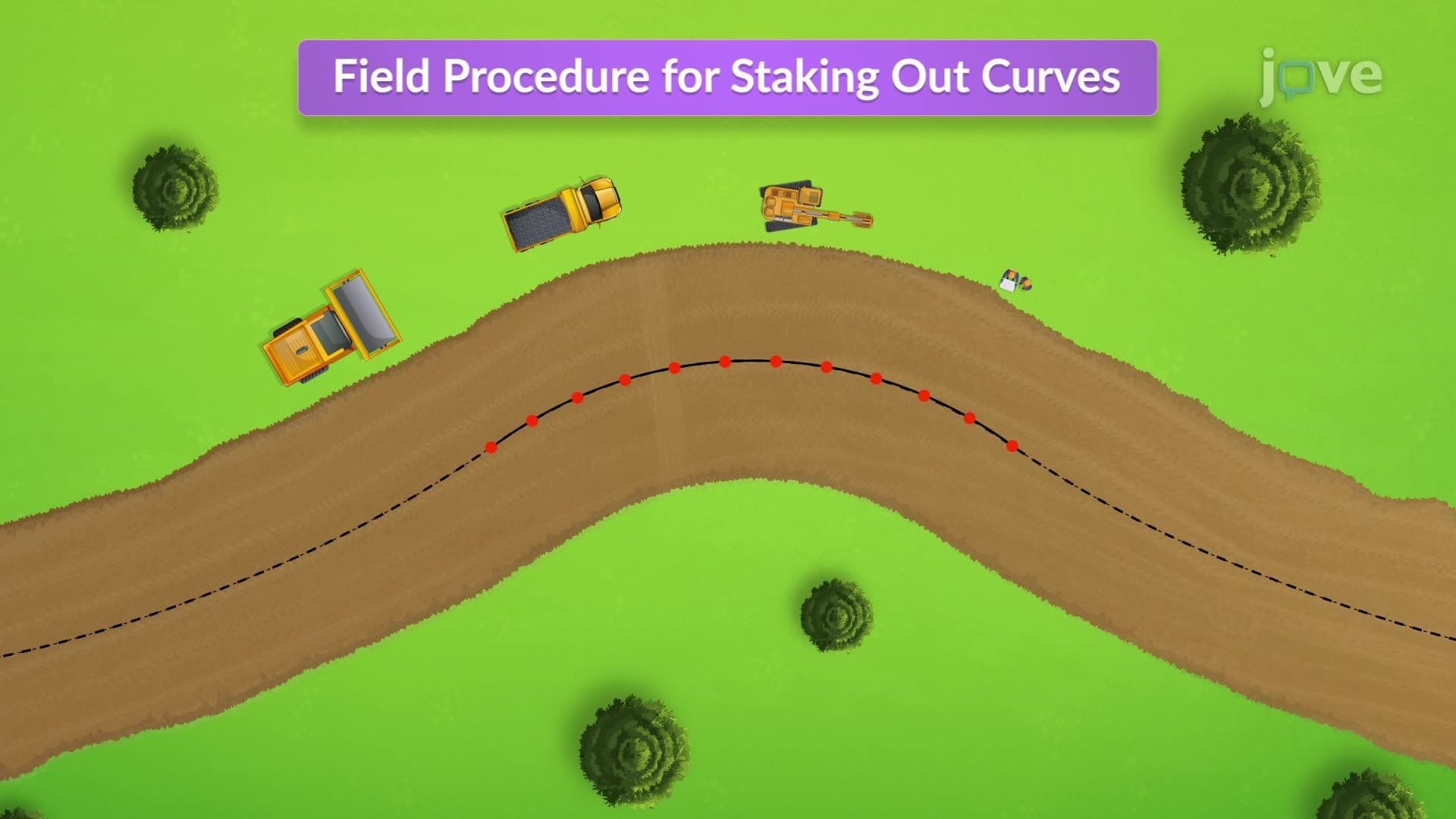
The deflection angle method remains the most common field technique for curve layout. Surveyors begin at the Point of Curvature, progressively measuring deflection angles from the initial tangent line while simultaneously measuring chord lengths to establish stake positions. This systematic approach, refined over decades of highway construction, ensures that theoretical designs translate accurately to physical construction.
Modern highway construction demands precision typically within 0.01 feet for curve staking. State departments of transportation, including California's Caltrans and Texas DOT, maintain strict standards for surveying accuracy that directly relate to these field procedures. Students should understand that errors in curve staking can result in costly construction delays, safety hazards, and potential legal liability for engineering firms.
Related Micro-courses