Loading subject page…


2,165 views

Video Summary: What Is Sight Distance
Did you know that a design example setting a curve on California's Highway 101 requires precise calculations to prevent accidents at 65 mph? Understanding what is sight distance becomes critical when engineers design example setting a curve scenarios for safe vehicle navigation. This fundamental concept determines how far drivers can see ahead on vertical curves like hills and valleys. Whether it's a crest curve blocking your view or a sag curve limiting nighttime visibility, proper sight distance calculations save lives on American highways daily. Watch the full video on JoVE Coach to master this concept with expert-led visuals and step-by-step explanations.
Sight distance represents the length of roadway visible to a driver, serving as a fundamental safety parameter in highway engineering. This critical measurement ensures drivers have adequate time and distance to identify hazards, make decisions, and execute safe maneuvers. On American highways, from Interstate 95's rolling hills to the mountainous curves of Colorado's I-70, proper sight distance design prevents countless accidents annually.
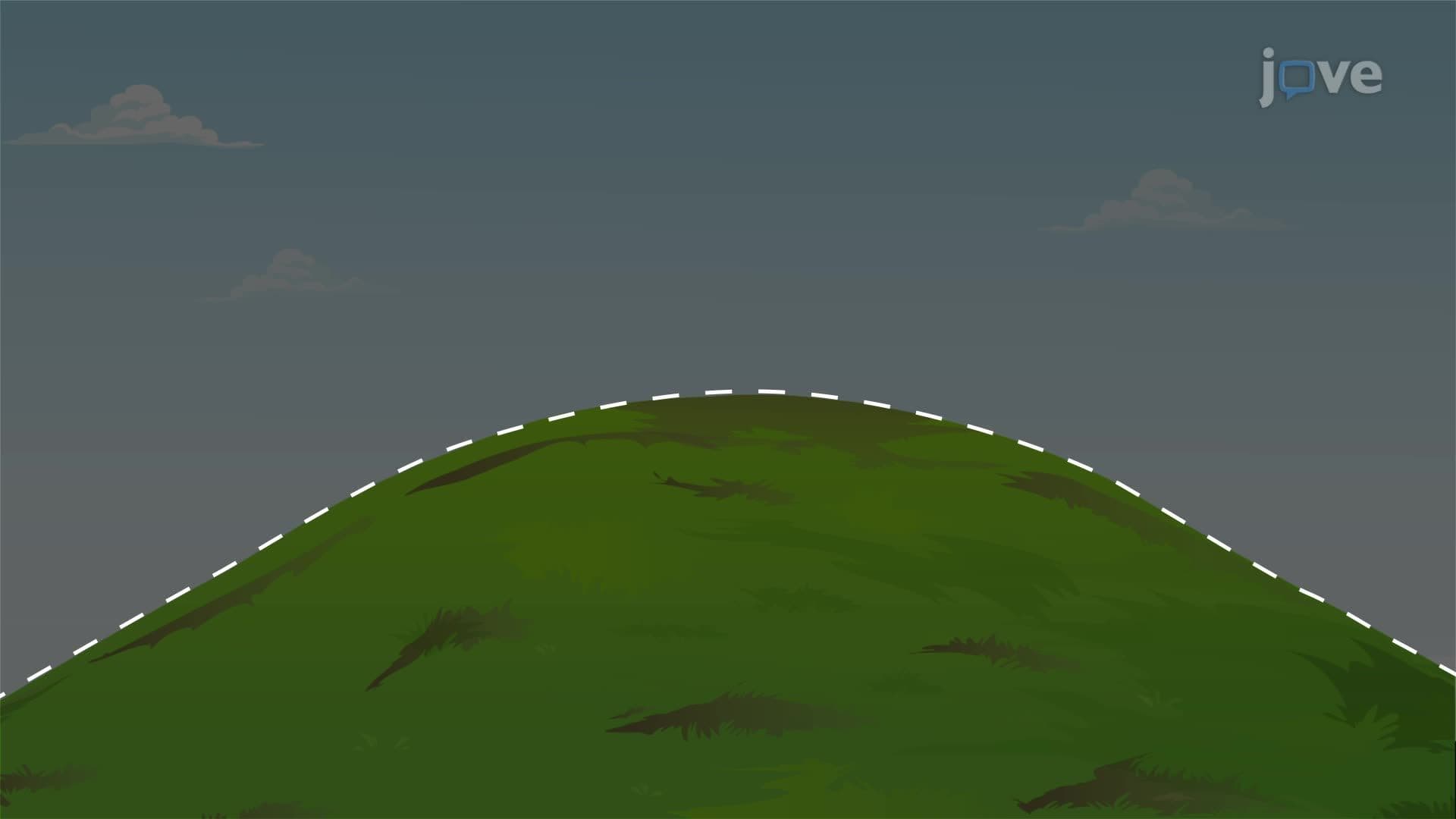
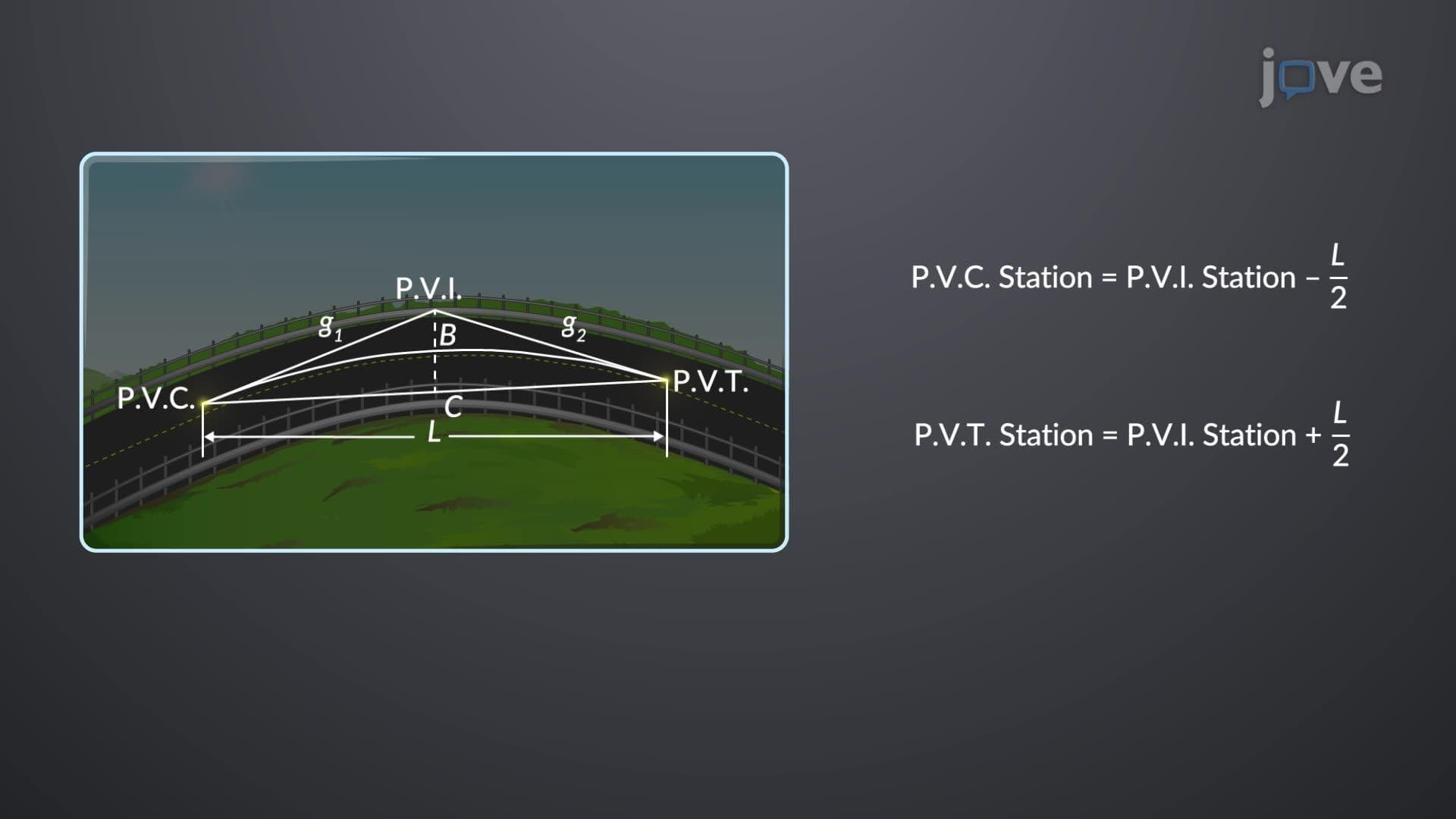
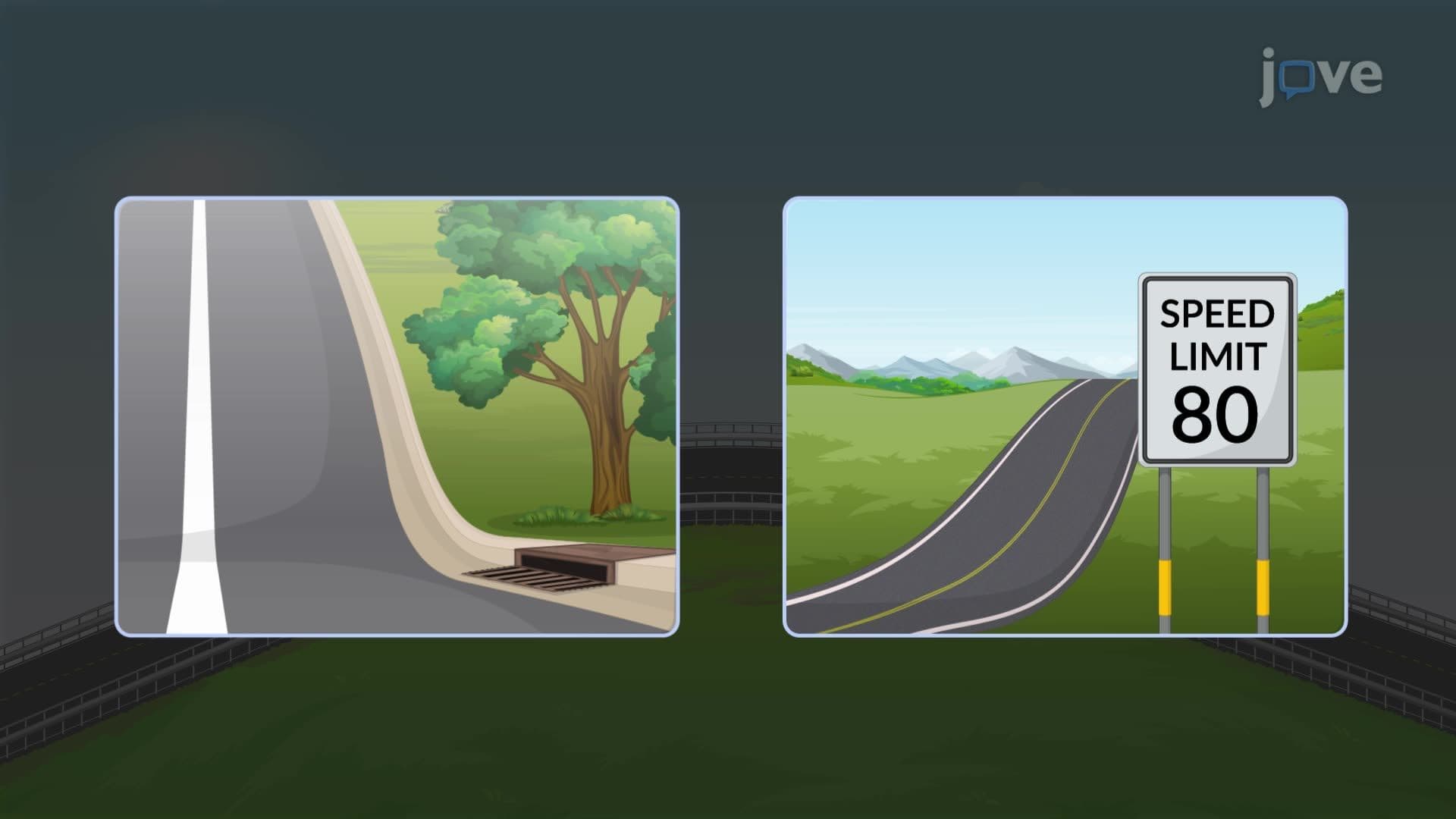
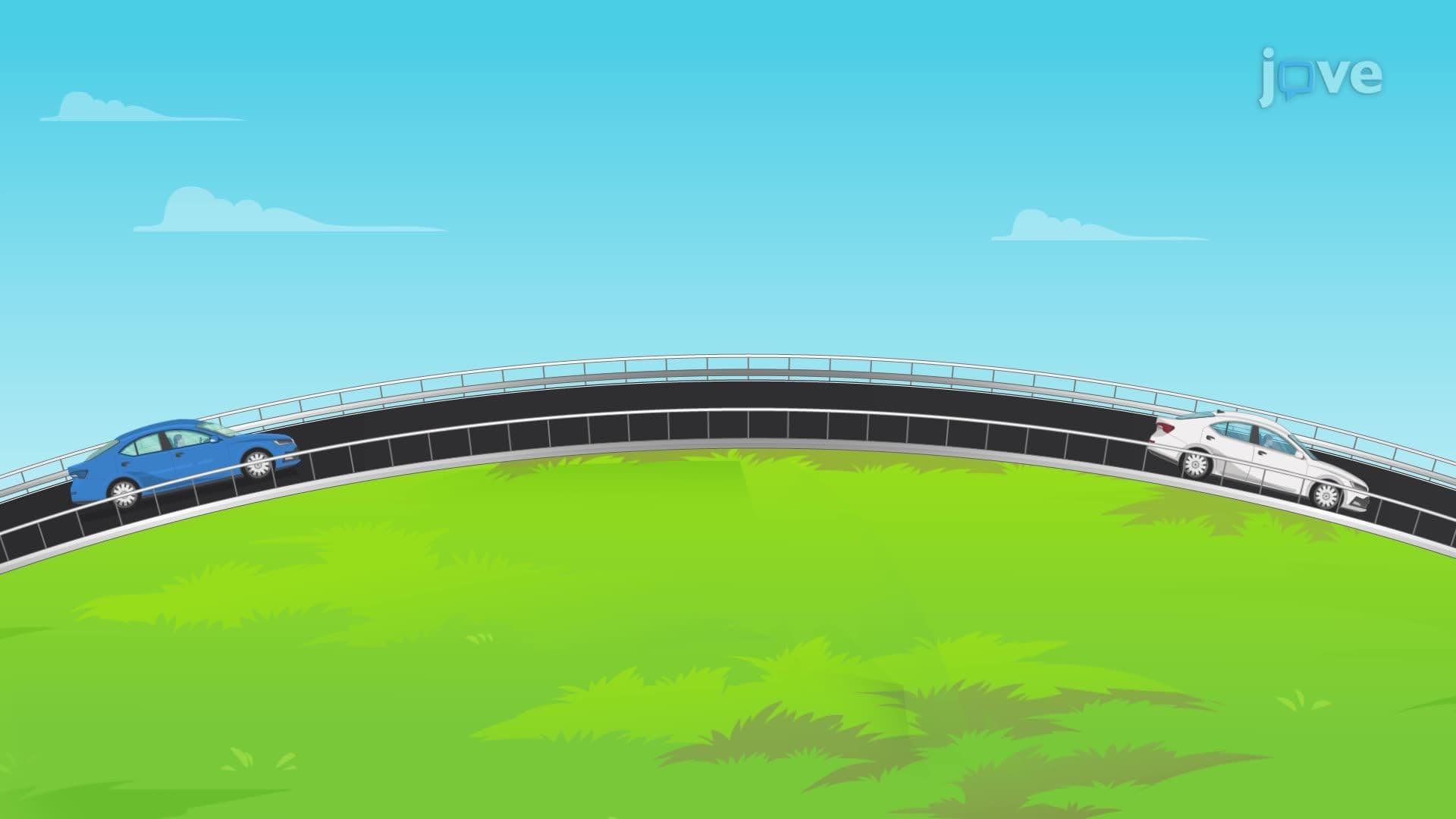
Highway engineers encounter two primary vertical curve types that present distinct sight distance challenges. Crest curves, where the roadway passes over a hill, create situations where the road's crown blocks forward visibility. The design example setting a curve tutorial for crest curves focuses on ensuring drivers can see objects ahead before reaching them. Conversely, sag curves occur in valleys or depressions, where nighttime visibility becomes the controlling factor since vehicle headlights must illuminate potential hazards.
The design example setting a curve works differently for each curve type. For crest curves, engineers calculate sight distance based on geometric line-of-sight principles, considering the driver's eye height above the pavement and the height of objects that must be visible. Standard American design practices assume a driver's eye height of 3.5 feet (1.07 meters) and critical objects at 2 feet (0.61 meters) above the roadway.
Understanding design example setting a curve concept requires mastering several interconnected factors. Stopping sight distance depends on driver reaction time (typically 2.5 seconds), vehicle speed, braking efficiency, and pavement friction. These parameters directly influence how design example setting a curve study guide problems appear on engineering exams and professional practice.
Consider Interstate 80 through Pennsylvania's mountains, where 70 mph design speeds require minimum stopping sight distances of approximately 730 feet. Engineers must ensure crest curves provide this visibility while maintaining reasonable construction costs and environmental impact. The design example setting basics involve calculating curve length, grade changes, and sight distance simultaneously.
For sag curves, headlight sight distance becomes paramount during nighttime conditions. Standard vehicle headlight patterns illuminate objects at specific angles and distances, typically reaching about 400-500 feet ahead at highway speeds. This limitation often controls sag curve design more than geometric sight lines.
These concepts frequently appear on the Fundamentals of Engineering (FE) exam and in transportation engineering coursework at universities like Purdue, Georgia Tech, and UC Berkeley. Students encounter design example setting a curve overview problems requiring integration of geometric design principles, traffic safety standards, and economic considerations. The design example setting a curve concept appears in various forms, from basic calculation problems to complex design scenarios involving multiple constraints.
Professional engineers working for state DOTs regularly apply these principles when designing highway improvements, evaluating existing roadways for safety deficiencies, or developing standards for new construction projects.
Related Micro-courses