Loading subject page…


9,768 views

Video Summary: What Is Application Linear Momentum Equation
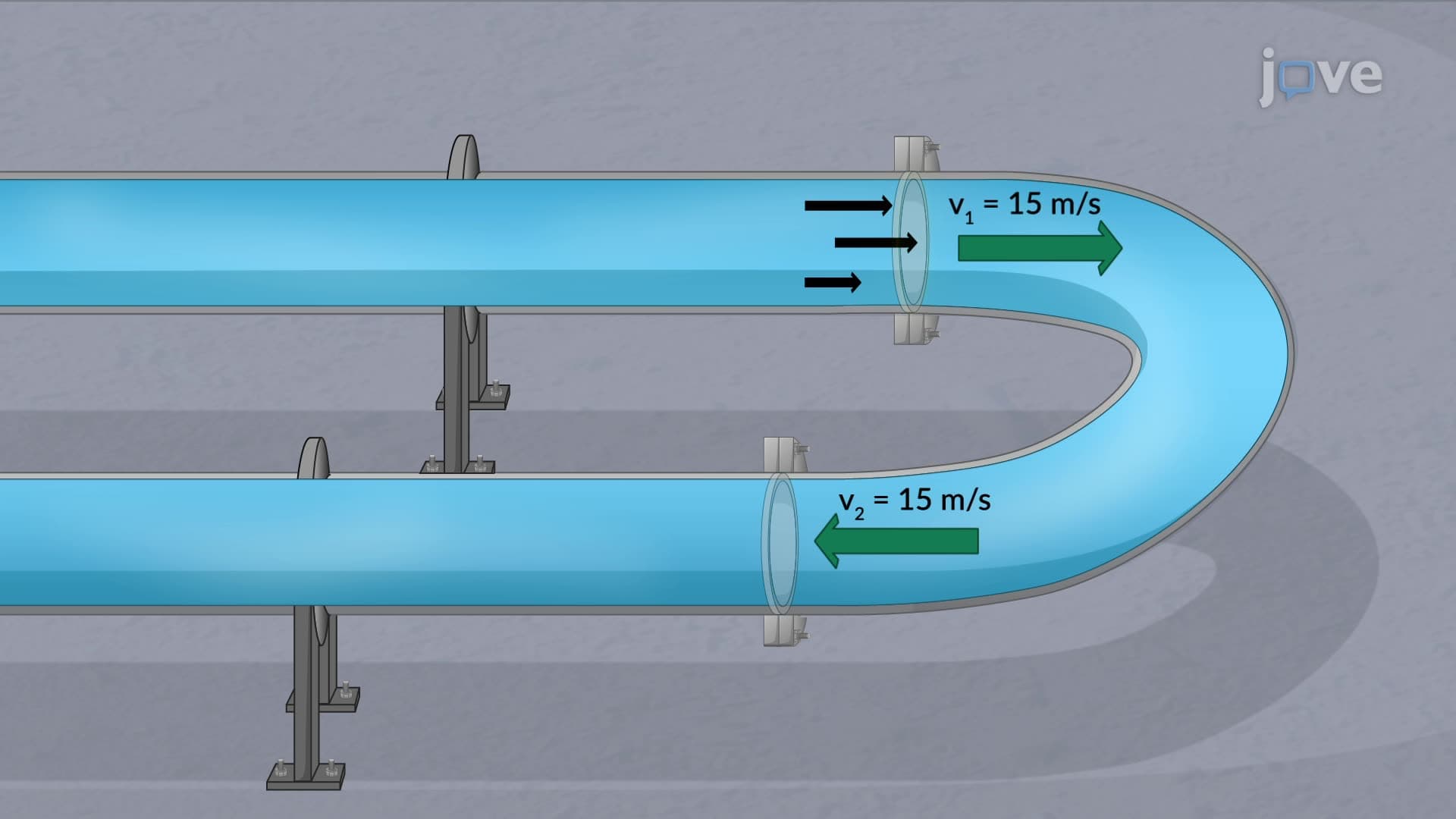
Ever wondered how engineers design the massive pipe systems that deliver water to New York City's 8.3 million residents? The moment of momentum equation governs the forces acting on curved pipes, determining whether they'll stay anchored or break free under pressure. This fundamental principle explains how water flowing through a U-shaped pipe bend creates forces that must be counteracted by proper anchoring systems. Watch the full video on JoVE Coach to master this concept with expert-led visuals and step-by-step explanations.
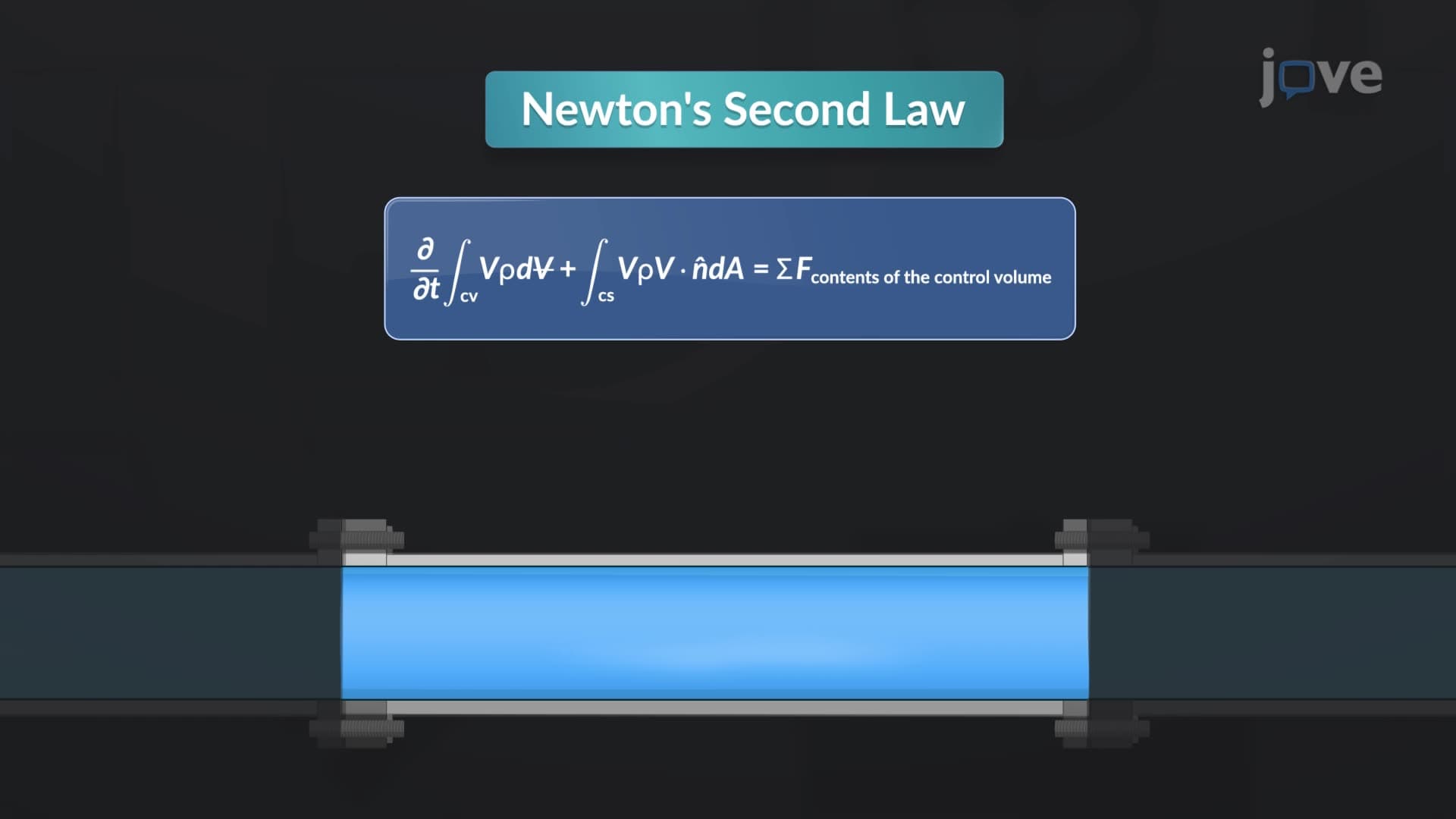
The Application Linear Momentum Equation represents one of the most practical tools in fluid mechanics for analyzing forces in flowing systems. This equation builds upon Newton's second law, stating that the net force on a control volume equals the rate of momentum change plus the rate of momentum flow out minus the rate of momentum flow in. For engineers designing everything from water treatment plants in California to oil pipelines in Texas, this equation determines whether pipe supports can withstand operational forces.
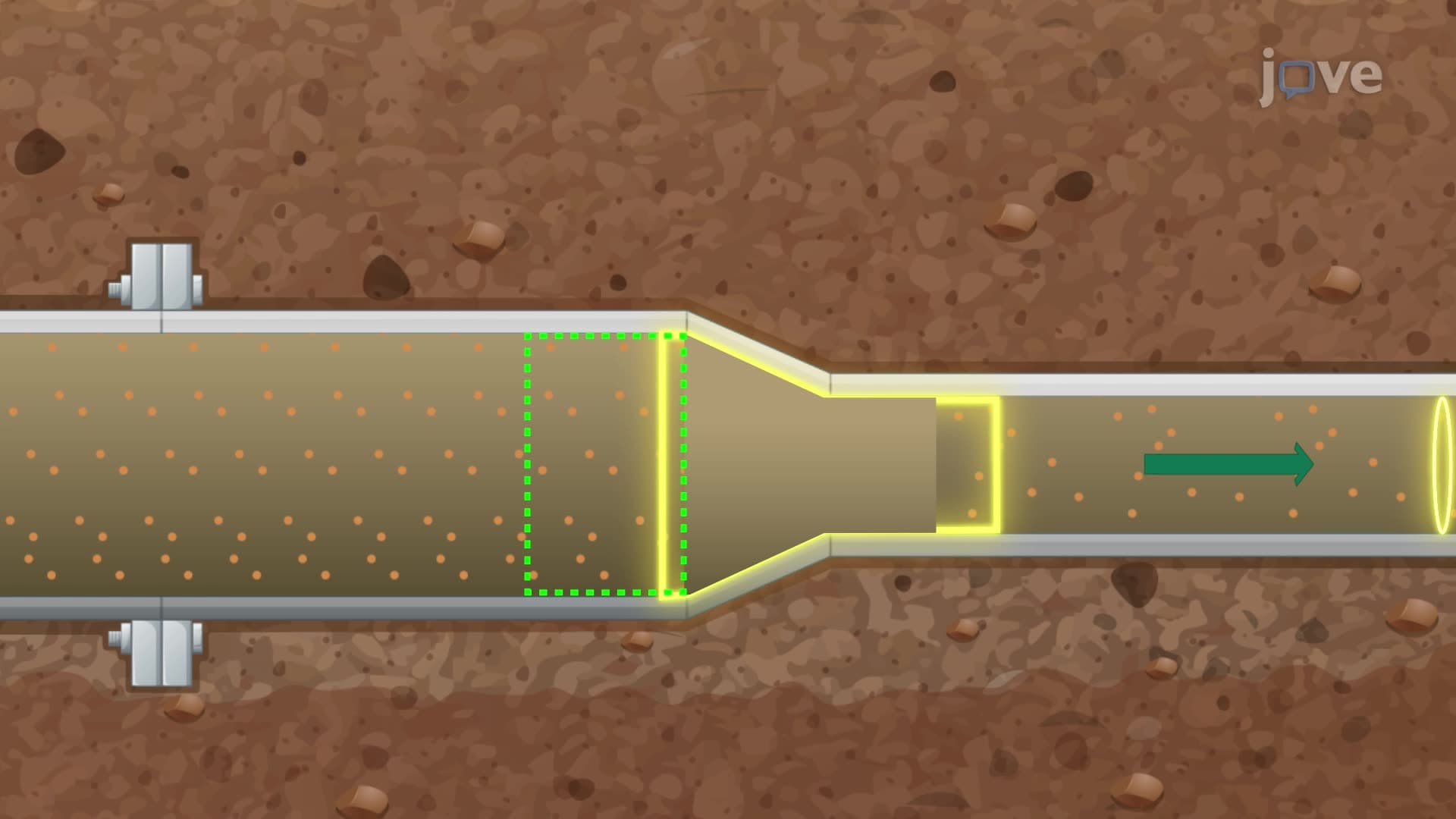
When analyzing curved pipe systems, engineers establish a control volume that encompasses the bend region. The momentum equation must account for both surface forces (pressure and shear) and body forces (gravity). In the U-shaped pipe example, pressure forces act normal to the inlet and outlet surfaces, while the curved geometry creates momentum changes that generate reaction forces. Students preparing for AP Physics C or college fluid mechanics courses should recognize that separating force components into x and y directions simplifies complex three-dimensional problems into manageable calculations.
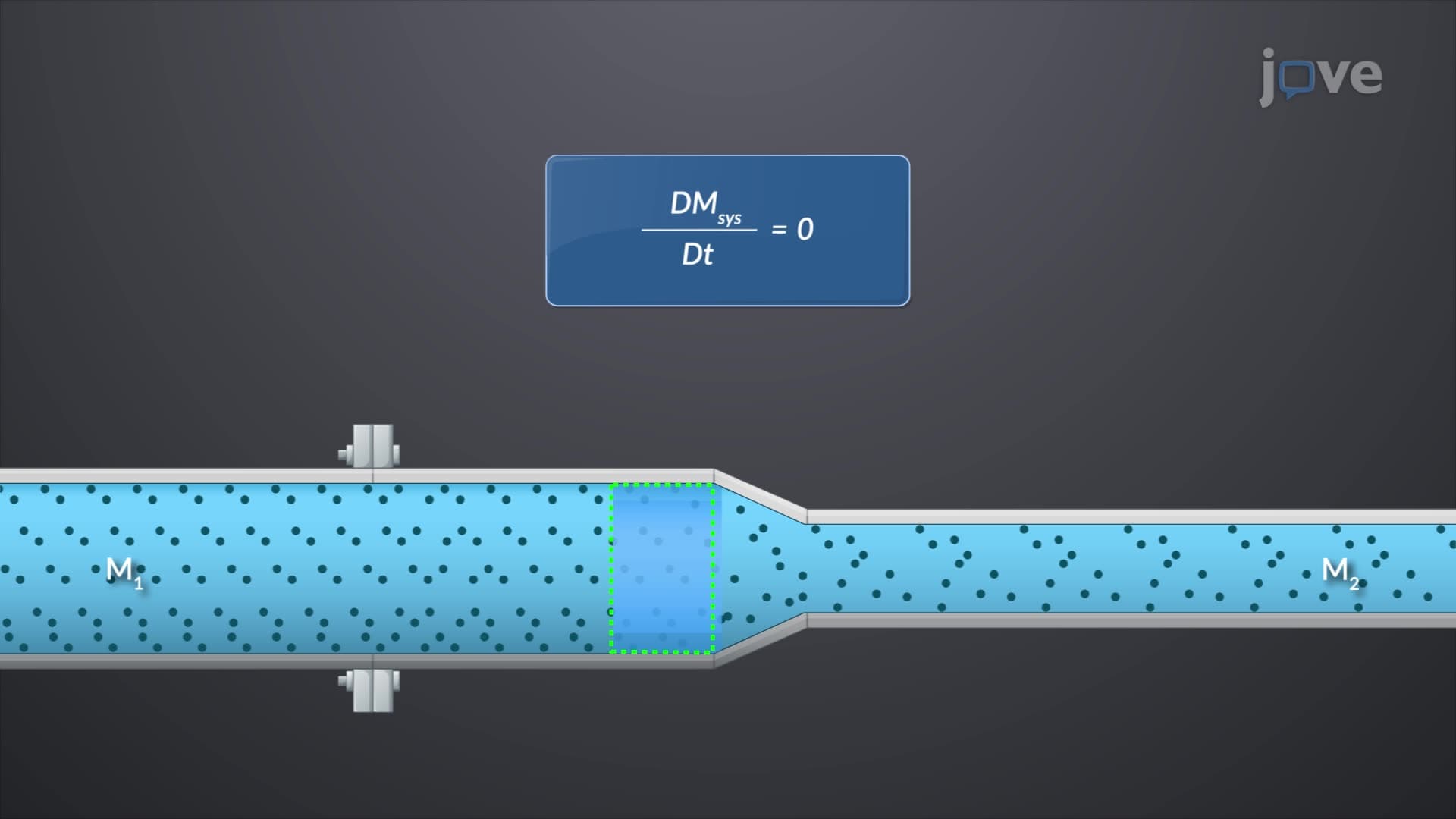
The continuity equation ensures mass conservation: what flows in must equal what flows out for steady flow. This principle becomes crucial when velocity directions change but magnitudes remain constant, as in the pipe bend scenario. For a cross-sectional area of 0.01 m² and velocity of 15 m/s, the mass flow rate depends on fluid density. Engineering students at institutions like MIT or Georgia Tech learn that this constant mass flow rate simplifies momentum calculations by eliminating density variations from the analysis.
The pressure difference between inlet (0.2 MPa) and outlet (0.16 MPa) creates a net pressure force that, combined with momentum changes, determines anchoring requirements. Municipal water systems, like those serving Chicago or Los Angeles, require massive concrete anchor blocks at pipe bends to resist these forces. The momentum equation quantifies these requirements, preventing catastrophic pipe failures that could disrupt water service to millions of residents. Students should understand that higher velocities and larger pressure differences increase anchoring force requirements exponentially.
Related Micro-courses