Loading…
Loading video…

3,003 views
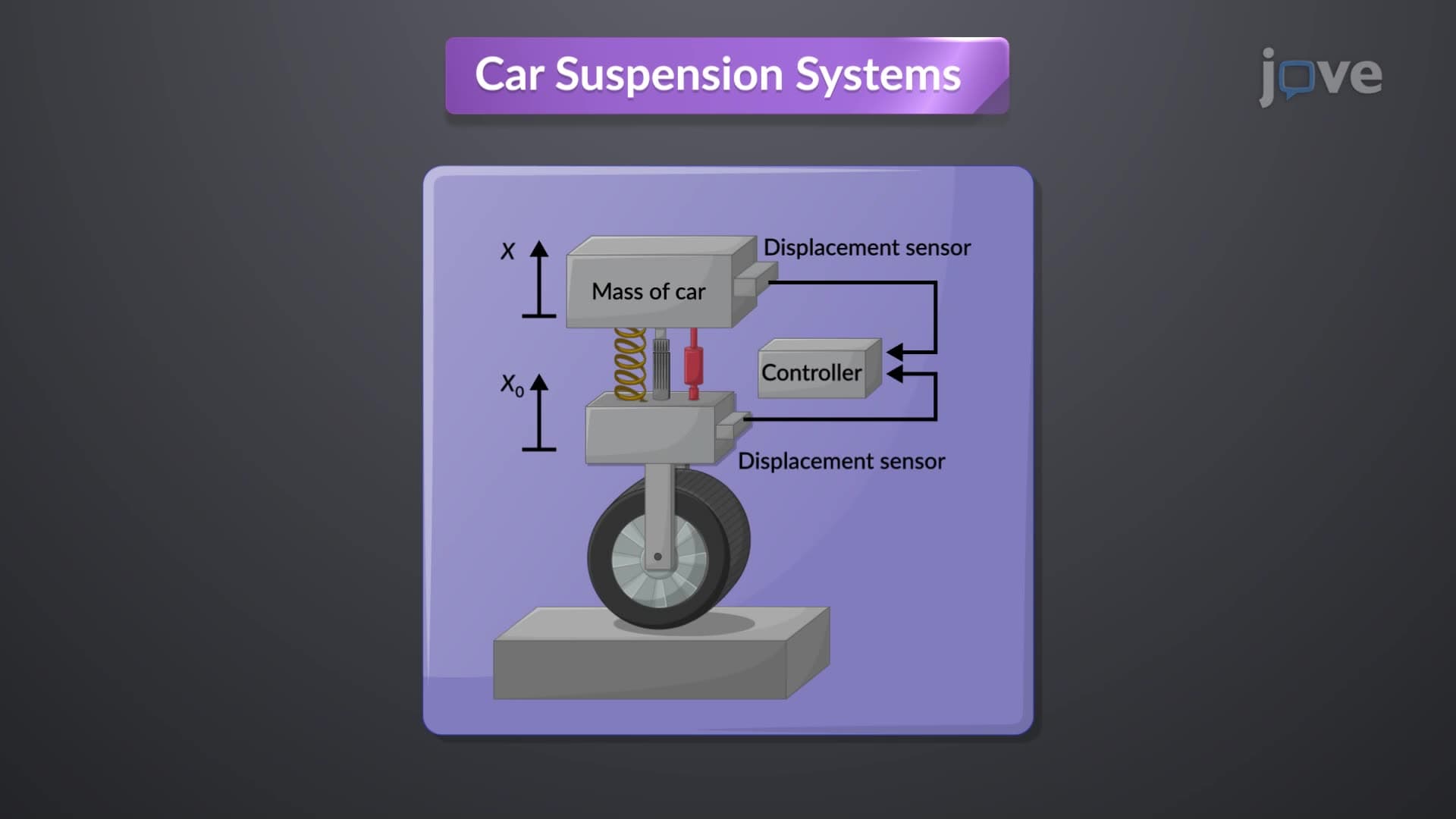
Ever wonder how your car's suspension automatically adjusts to bumpy roads without you feeling every pothole? The time domain interpretation of pd control reveals how Proportional-Derivative controllers make split-second decisions by analyzing both current conditions and rate of change. In automotive suspension systems across Detroit's Big Three manufacturers, PD controllers continuously monitor road impact and adjust damping forces faster than human reflexes. Understanding What is Pd Controller Design unlocks the engineering principles behind countless automated systems. Watch the full video on JoVE Coach to master this concept with expert-led visuals and step-by-step explanations.
What is Pd Controller Design centers on creating control systems that respond to both the magnitude of error (proportional) and the rate of error change (derivative). This dual-action approach enables precise control in dynamic systems where simple on-off switching proves inadequate. The time domain interpretation of pd control shows how these controllers process signals continuously, making real-time adjustments based on current conditions and predicted trends.
The time domain interpretation of pd control tutorial reveals how PD controllers function moment by moment. When examining how time domain interpretation of pd control works, we observe that the proportional component provides immediate response proportional to the error magnitude, while the derivative component anticipates future behavior by analyzing error rate changes. This combination creates what engineers call "anticipatory control" – the system doesn't just react to current conditions but predicts and compensates for future states.
Students preparing for AP Physics C or college-level control systems courses encounter this concept when analyzing second-order systems. The time domain interpretation of pd control overview demonstrates how controller output equals the sum of proportional and derivative terms: Output = Kp × Error + Kd × (Rate of Error Change), where Kp and Kd represent tunable controller gains.
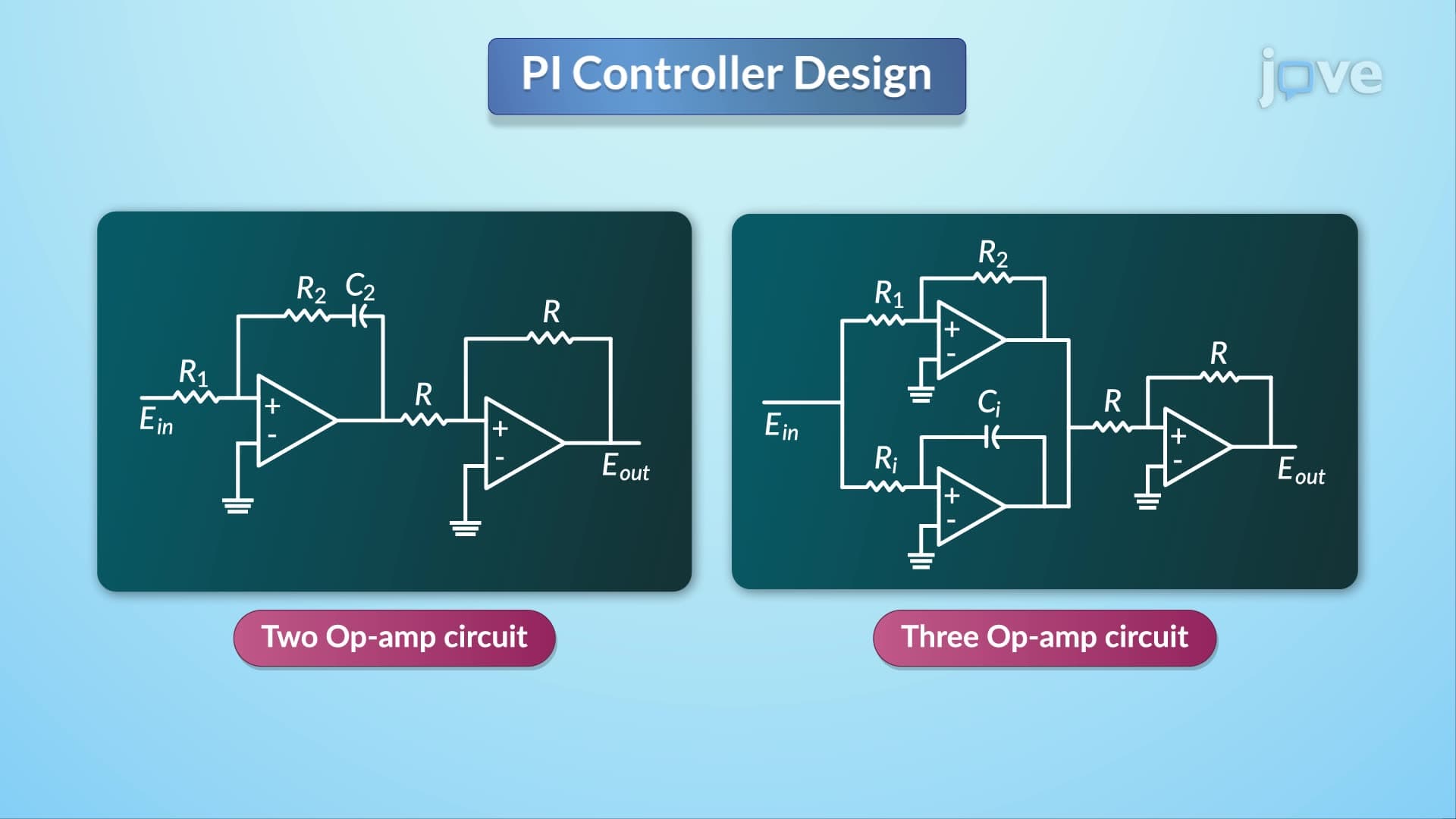
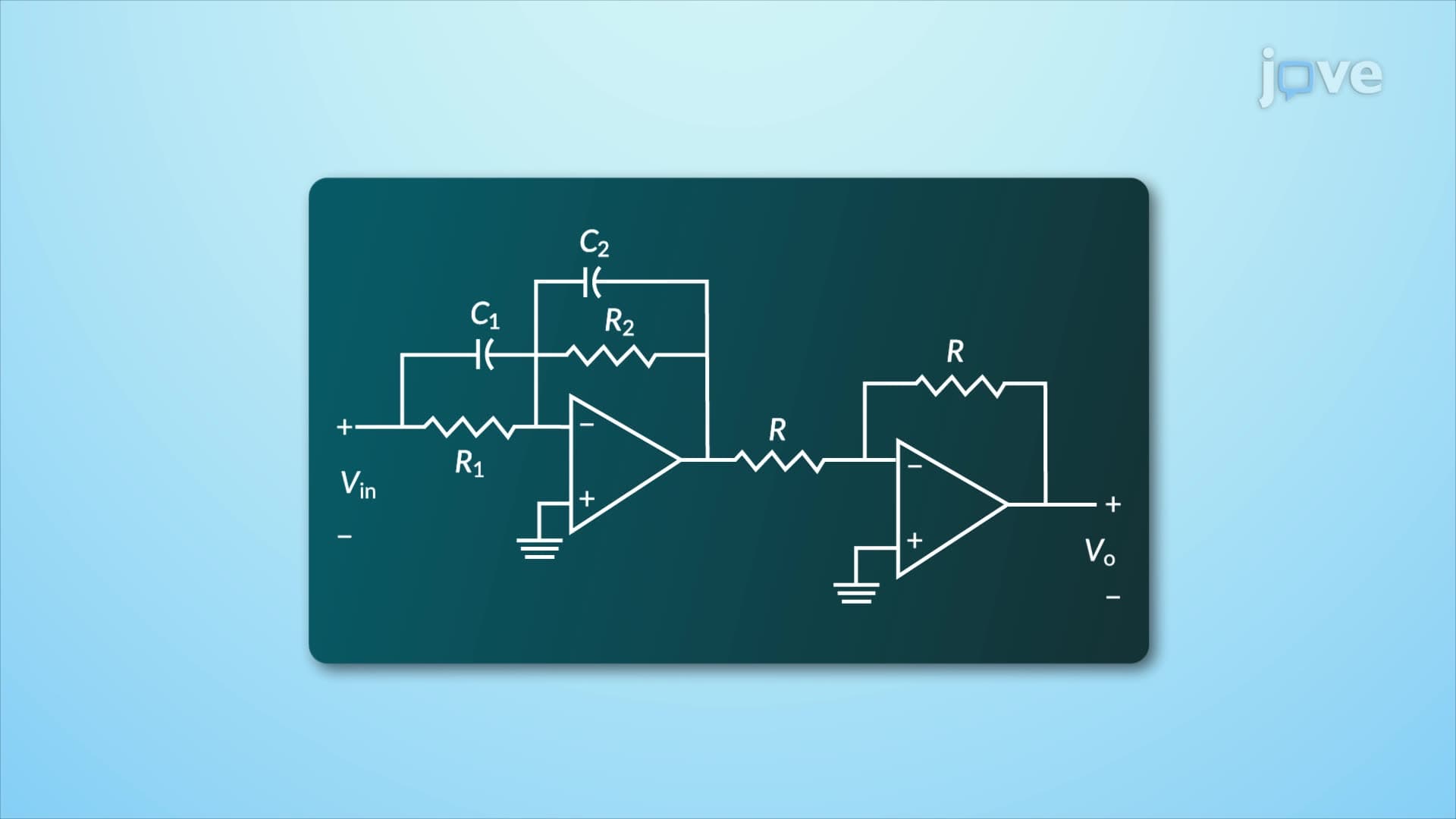
Modern PD controller implementations utilize operational amplifiers in two primary configurations. The simpler design employs two op-amps but lacks independent adjustment capabilities – a significant limitation in precision applications. Advanced implementations allow independent manipulation of proportional and derivative gains, enabling engineers to fine-tune system response characteristics.
In practice, selecting appropriate resistor values becomes crucial when implementing high derivative control. The time domain interpretation basics show that excessive derivative gain can amplify noise, requiring careful component selection to maintain stability while achieving desired performance.
American automotive manufacturers like Ford, General Motors, and Stellantis extensively use PD controllers in active suspension systems. These controllers analyze road surface variations detected by sensors, then adjust shock absorber stiffness within milliseconds. The time domain interpretation of pd control concept explains how adding derivative action significantly improves response speed compared to purely proportional systems.
Students studying for engineering licensure exams (FE/PE) frequently encounter PD controller problems involving stability analysis. The time domain interpretation of pd control study guide approach emphasizes understanding pole-zero relationships, where PD controllers add zeros to the system transfer function, effectively canceling problematic poles and enhancing overall stability.
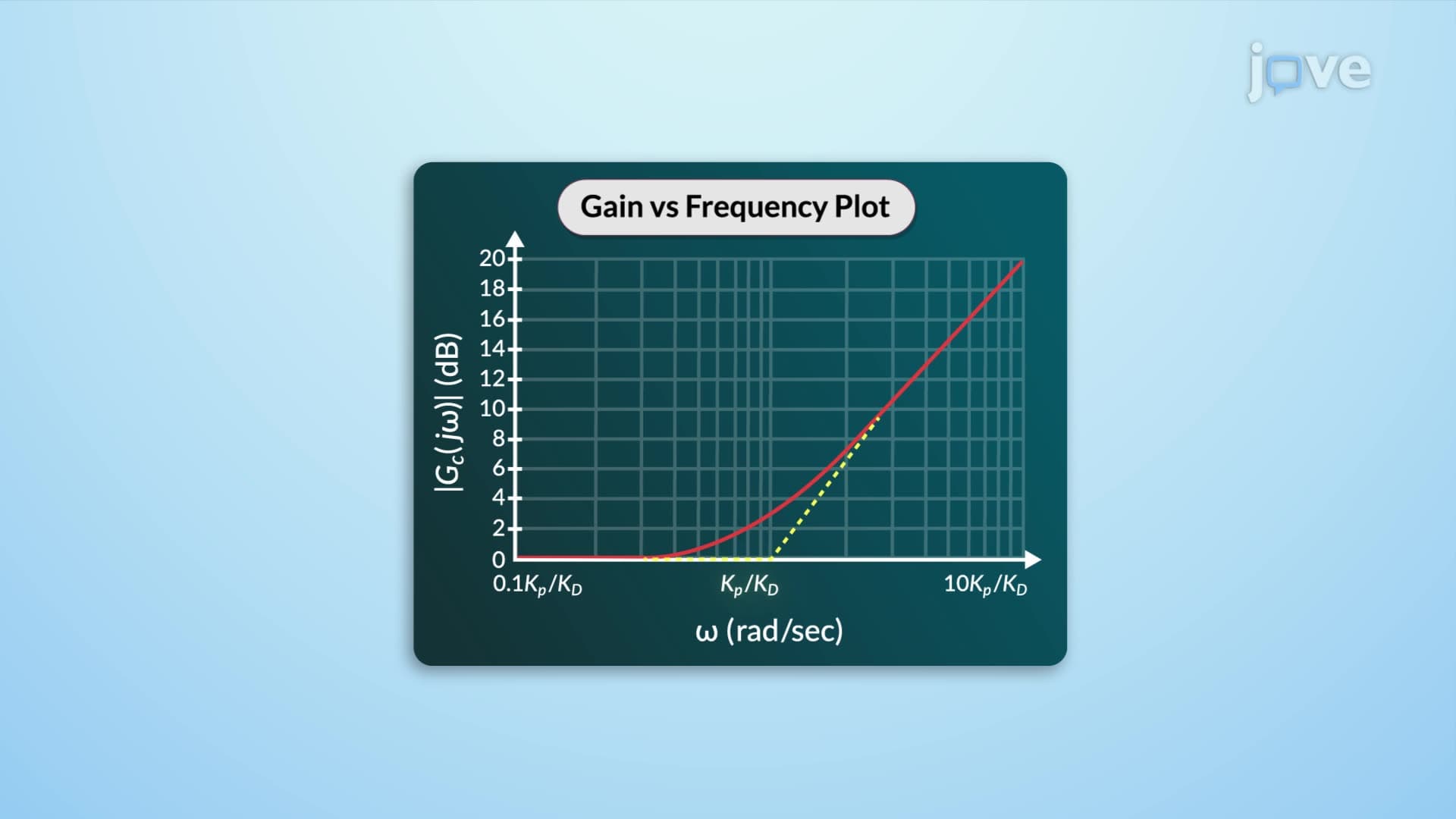
Understanding time domain interpretation of pd control requires grasping how controllers balance responsiveness against stability. Excessive proportional gain causes oscillations, while insufficient derivative action results in sluggish response. Engineering students must master parameter tuning techniques, often using root locus methods or frequency domain analysis to optimize controller performance for specific applications.
Frequently Asked Questions
What is Pd Controller Design refers to control systems combining proportional and derivative actions to achieve both immediate response and predictive behavior. Unlike simple proportional controllers that only react to current error magnitude, PD controllers also consider error rate changes, enabling faster response and improved stability. This combination makes them ideal for applications requiring quick settling times without steady-state offset correction.
Exam problems typically present second-order systems requiring PD controller design for specified performance criteria like settling time or percent overshoot. Students must analyze transfer functions, apply pole-zero placement techniques, and calculate controller gains using root locus or time response specifications. Practice problems often involve automotive or aerospace applications with realistic numerical constraints.
The mathematical complexity involves Laplace transforms and differential equations, requiring solid calculus foundations. Students must understand both frequency domain concepts and time domain behavior simultaneously. However, focusing on physical intuition – how systems respond to step inputs over time – helps build conceptual understanding before tackling mathematical formalism.
Modern vehicles from Tesla, Ford, and GM use PD controllers in electronic stability control, adaptive cruise control, and active suspension systems. Boeing and Lockheed Martin aircraft employ PD controllers for flight surface positioning. Even household appliances like washing machines use simplified PD control for drum speed regulation during different cycle phases.
While complete analysis requires calculus and differential equations, basic concepts remain accessible to high school students with algebra and trigonometry backgrounds. Start with understanding proportional response (output proportional to input) and derivative response (output proportional to rate of change), then gradually build mathematical sophistication as your background develops.
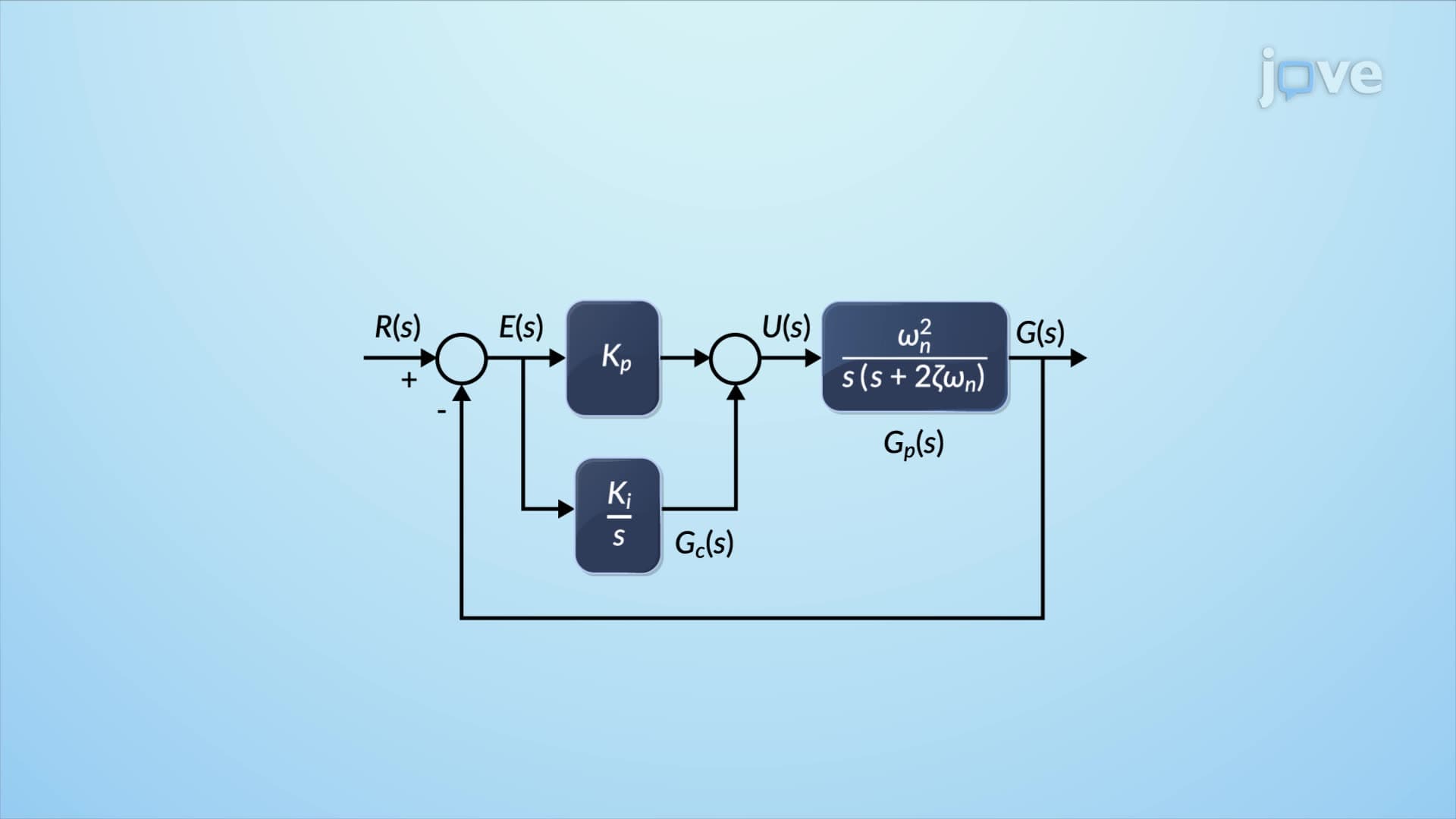
Begin with physical examples like car suspension or temperature control systems to build intuition, then progress to block diagrams and transfer functions. Practice sketching time response curves for different controller gains, and work through parametric studies showing how changing Kp and Kd values affects system behavior. Focus on connecting mathematical expressions to physical phenomena.
PD control forms the foundation for PID controllers (adding integral action), lead-lag compensation networks, and modern state-space control methods. Students typically encounter PD concepts in junior-level control systems courses, then apply them in senior capstone projects involving robotics, automotive systems, or process control applications.
Master the relationship between controller parameters and time response characteristics early – higher proportional gain increases speed but may cause overshoot, while derivative action provides damping and stability. Use MATLAB or similar software to visualize step responses with different parameter combinations, reinforcing theoretical concepts with computational tools commonly used in engineering practice.
Related Micro-courses


Related Subjects
 Civil Engineering 30 micro-courses›Mechanical Engineering 28 micro-courses›