Loading…
Loading video…

3,003 views
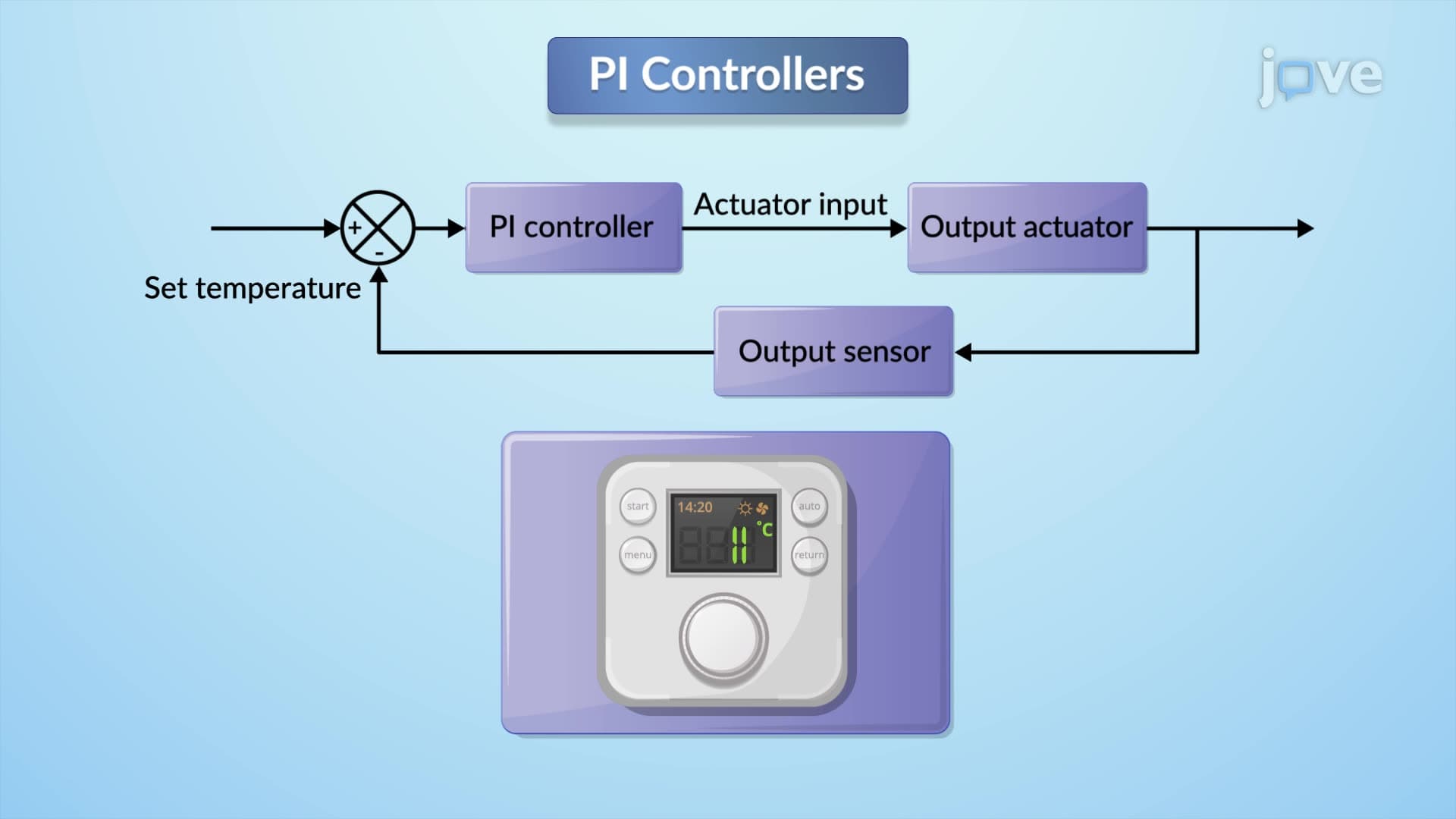
Ever wondered how your iPhone automatically adjusts screen brightness as you move from a dark room to bright sunlight? Pi control: time- and frequency-domain analysis makes this seamless adaptation possible through sophisticated error correction mechanisms. What is Pi Controller Design involves understanding how proportional-integral systems eliminate steady-state errors that simpler controllers cannot address. From Tesla's autopilot systems to Boeing's flight control computers, PI controllers ensure precise performance across countless American technologies. Watch the full video on JoVE Coach to master this concept with expert-led visuals and step-by-step explanations.
What is Pi Controller Design represents a sophisticated control strategy that combines proportional and integral actions to achieve superior system performance. Unlike simple proportional controllers that respond immediately to errors, or derivative controllers that anticipate future errors, PI controllers provide both instant correction and long-term accuracy. This dual approach makes them invaluable in applications requiring zero steady-state error, from NASA's spacecraft attitude control to Ford's engine management systems.
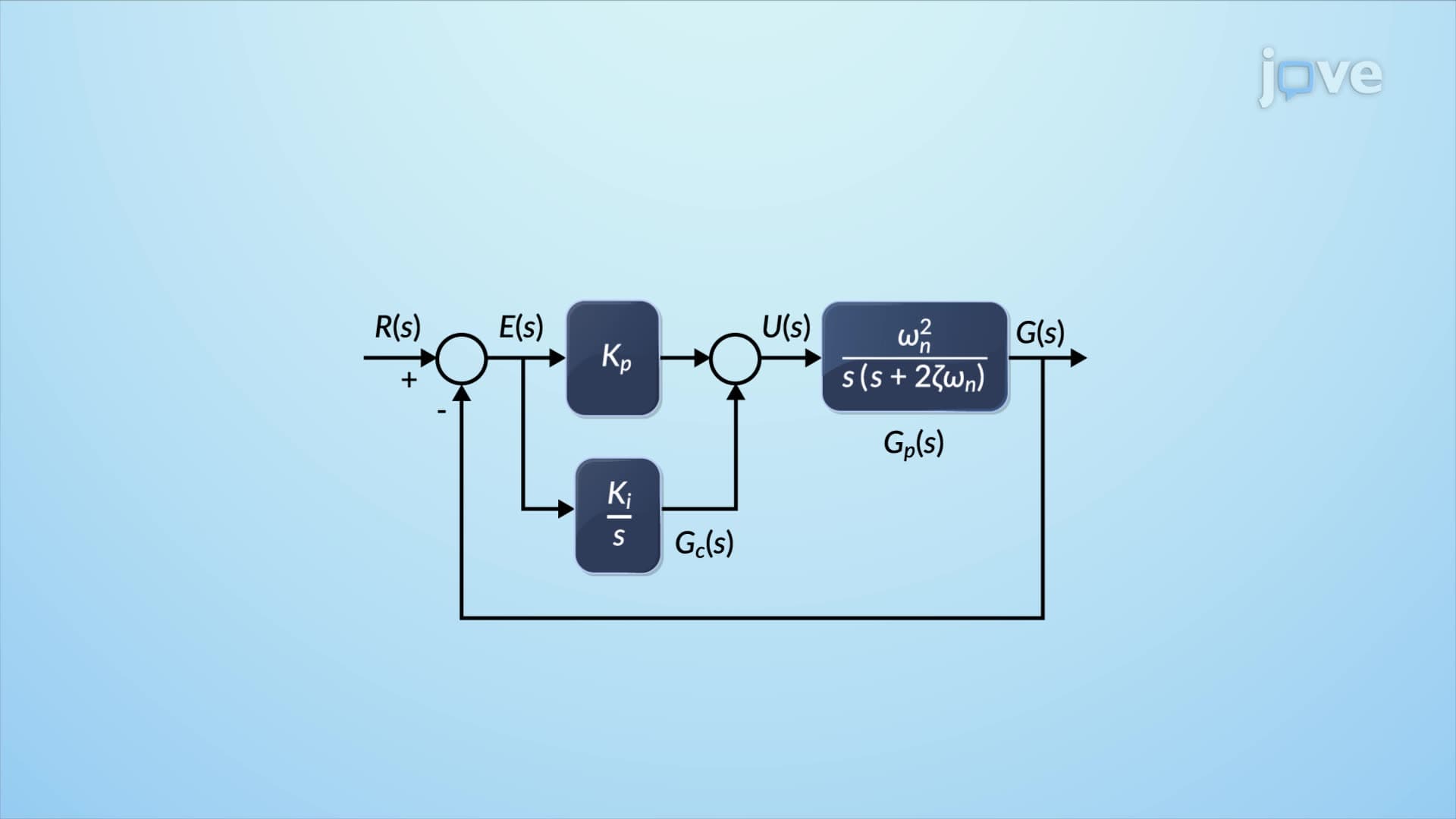
The mathematical foundation involves two distinct transfer functions working in parallel. The proportional component responds directly to current error magnitude, while the integral component accumulates error over time, ensuring that even small persistent deviations eventually get corrected to zero.
Pi control: time- and frequency-domain analysis reveals fascinating behavioral patterns when examined temporally. In time-domain analysis, PI controllers demonstrate superior step response characteristics compared to P-only controllers. When Apple's iPhone brightness sensor detects a sudden light change, the proportional component immediately adjusts screen luminance, while the integral component fine-tunes the response over several milliseconds to eliminate any residual error.
This temporal behavior proves crucial for AP Physics and college-level control systems courses, where students must analyze system responses to various inputs. The integral component's memory effect means that unlike PD controllers requiring continuously varying errors, PI controllers can achieve perfect steady-state performance even with constant disturbances.
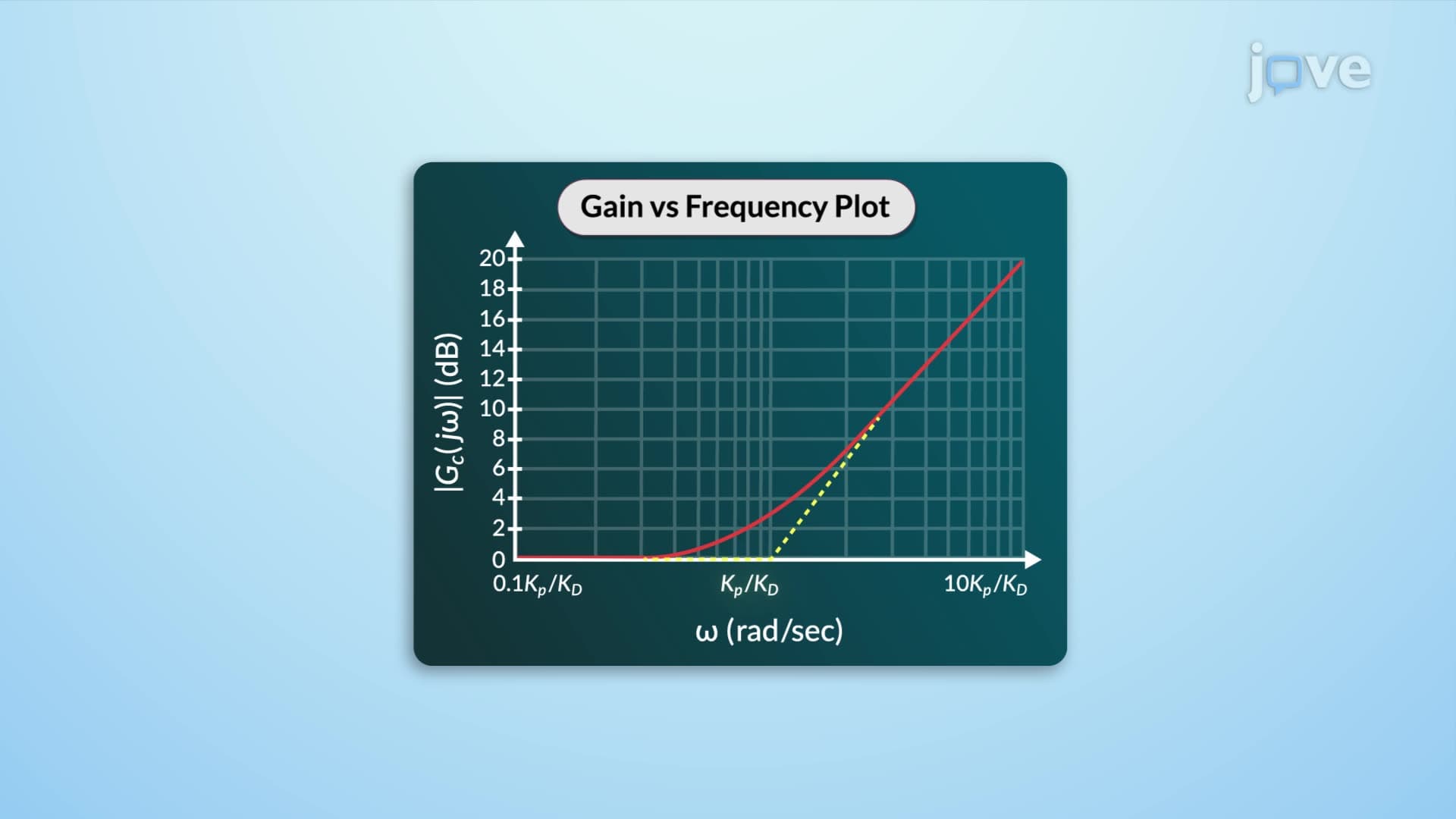
The frequency-domain perspective of pi control: time- and frequency-domain analysis exposes how PI controllers modify system behavior across different operational frequencies. By introducing a zero and pole into the forward-path transfer function, PI controllers fundamentally alter the system's frequency response characteristics.
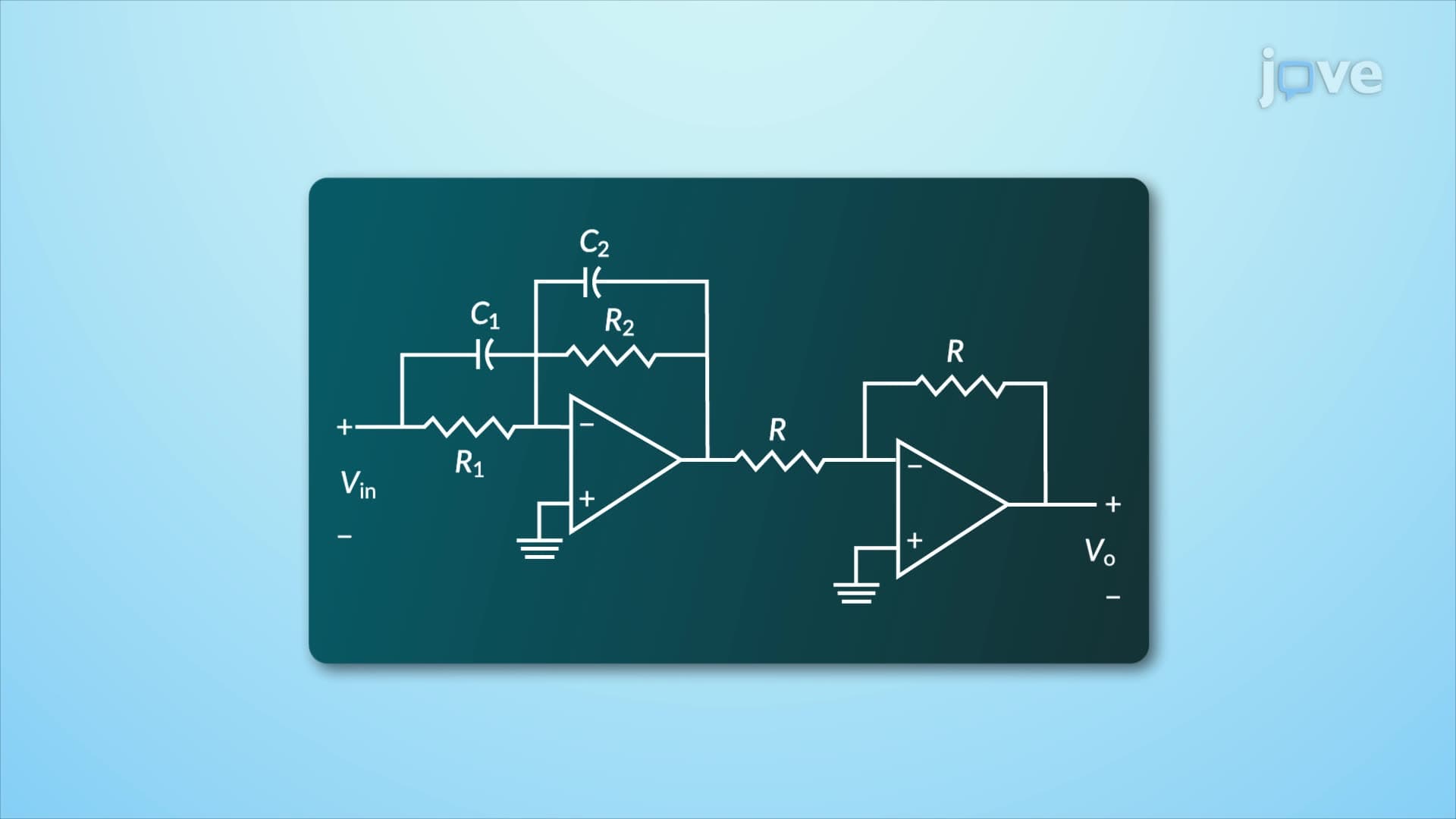
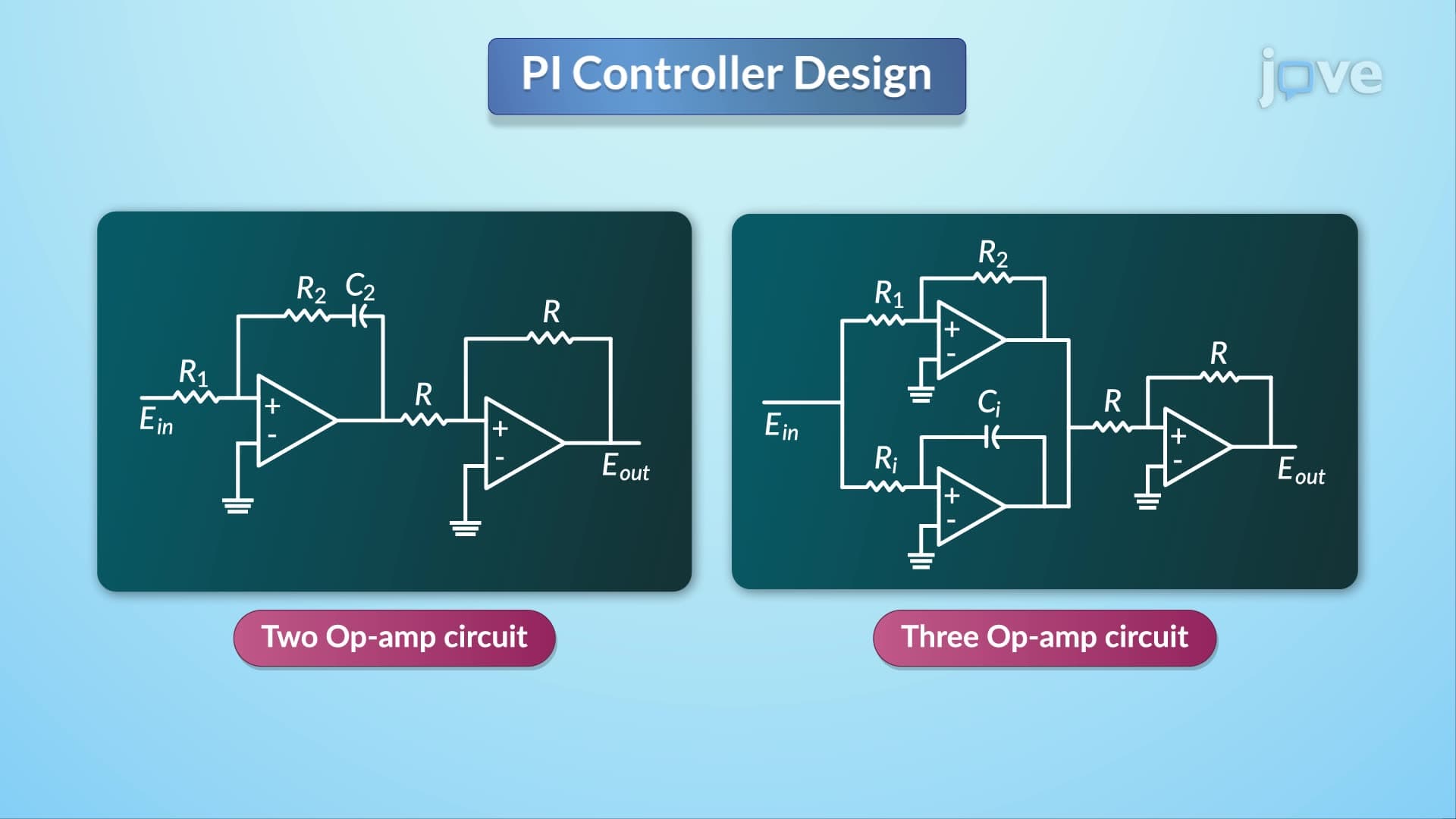
In practical op-amp implementations, circuit designers at companies like Texas Instruments must carefully balance resistor and capacitor values. The integral gain's inverse relationship with capacitance often necessitates large capacitor values, presenting real engineering challenges in miniaturized devices like medical implants or aerospace applications.
Modern PI controller implementations span from simple two-op-amp configurations to more sophisticated three-op-amp designs. The three-op-amp architecture offers independent control of proportional and integral gains, making it preferred in precision applications like Lockheed Martin's missile guidance systems or Johnson Controls' HVAC systems.
For students preparing for the MCAT's physics section or engineering college midterms, understanding these circuit implementations proves essential. The mathematical relationships governing these circuits directly translate to exam problems involving transfer function analysis and steady-state error calculations.
Frequently Asked Questions
Pi Controller Design combines proportional and integral control actions to eliminate steady-state errors completely. Unlike PD controllers that need time-varying errors, PI controllers can achieve zero steady-state error for step inputs while maintaining system stability. This makes them ideal for applications requiring precise long-term accuracy.
Understanding pi control: time- and frequency-domain analysis strengthens your grasp of transfer functions, system stability, and error analysis concepts frequently tested on AP Physics C exams. These principles directly apply to circuit analysis problems and mechanical system modeling questions. Practice with step response calculations and frequency response sketching builds essential problem-solving skills.
Absolutely - pi control: time- and frequency-domain analysis forms core content in control systems engineering courses at universities like MIT, Stanford, and Georgia Tech. Expect questions on transfer function derivation, stability analysis, and circuit parameter calculation. Many professors emphasize the mathematical relationships between circuit components and controller performance.
PI controllers operate in Tesla's battery management systems, maintaining optimal charge levels while preventing overheating. They're also essential in Boeing aircraft autopilot systems, ensuring smooth altitude and heading control during flight. Even your home's smart thermostat likely uses PI control principles to maintain comfortable temperatures efficiently.
Basic understanding of derivatives and integrals from AP Calculus AB suffices for fundamental PI controller concepts. The integral component represents accumulated error over time, while transfer functions use algebraic manipulation more than complex calculus. Focus on understanding the physical meanings rather than advanced mathematical derivations initially.
Create comparison charts showing PI versus P and PD controller responses to step inputs, then practice sketching time-domain responses. Work through op-amp circuit analysis problems, focusing on how component values affect controller gains. Use practice problems from textbooks like Franklin, Powell & Emami-Naeini's "Feedback Control of Dynamic Systems."
PI controller mastery provides the foundation for understanding PID controllers, state-space methods, and modern control techniques taught in graduate engineering programs. These concepts lead naturally to studying adaptive control, robust control design, and digital control systems implementation. Many control theory graduate courses at universities like UC Berkeley assume solid PI controller understanding.
The integral component acts as the system's "memory," accumulating small errors over time until they're eliminated completely. This ensures zero steady-state error for step inputs, unlike proportional-only controllers that always leave residual errors. In frequency domain, it adds a pole at the origin, boosting low-frequency gain while potentially affecting system stability.
Related Micro-courses


Related Subjects
 Civil Engineering 30 micro-courses›Mechanical Engineering 28 micro-courses›