- Electrical Engineering
- Design of Control Systems
Micro-courses:33

Design of Control Systems
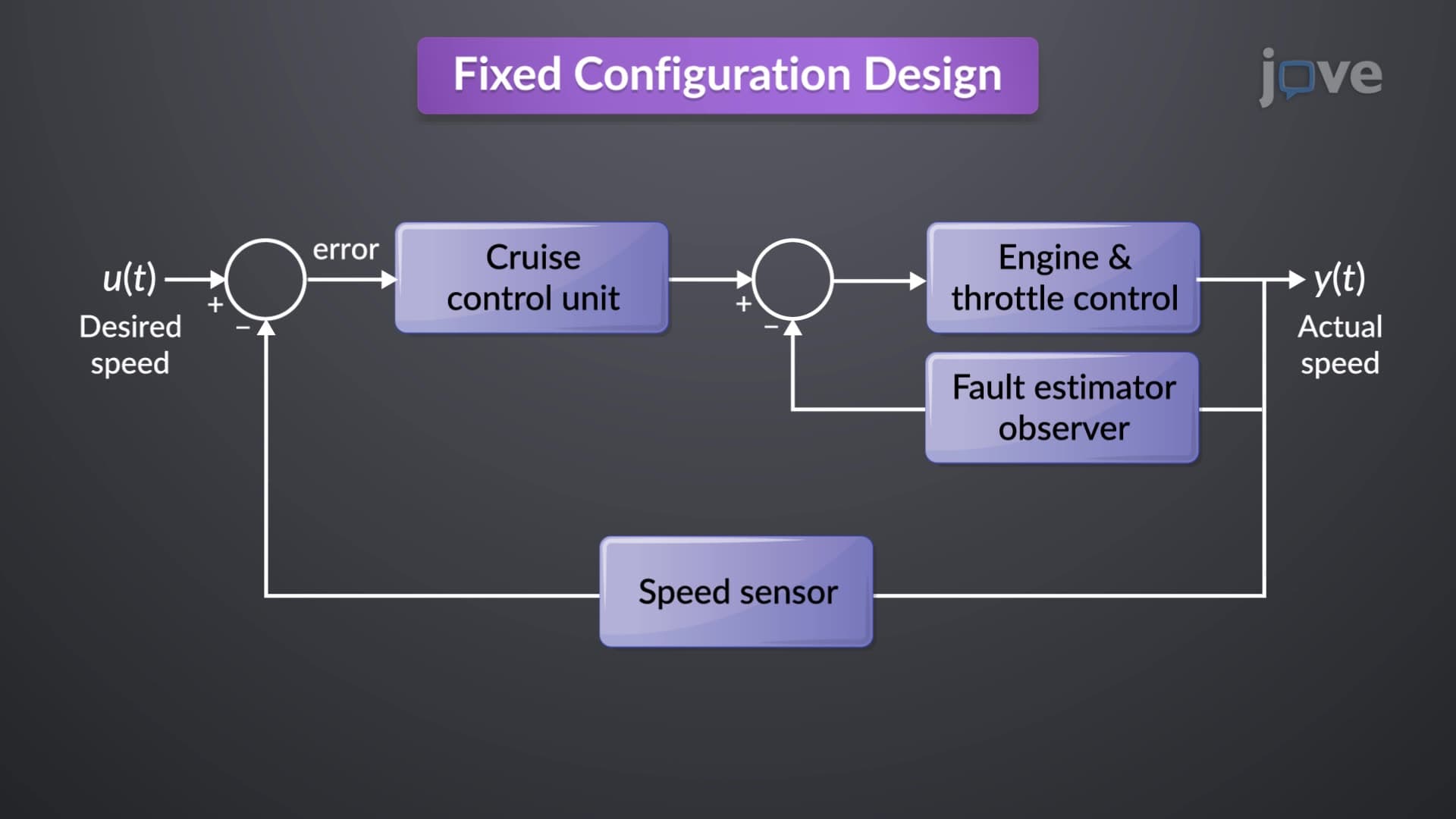
1. Controller Configurations
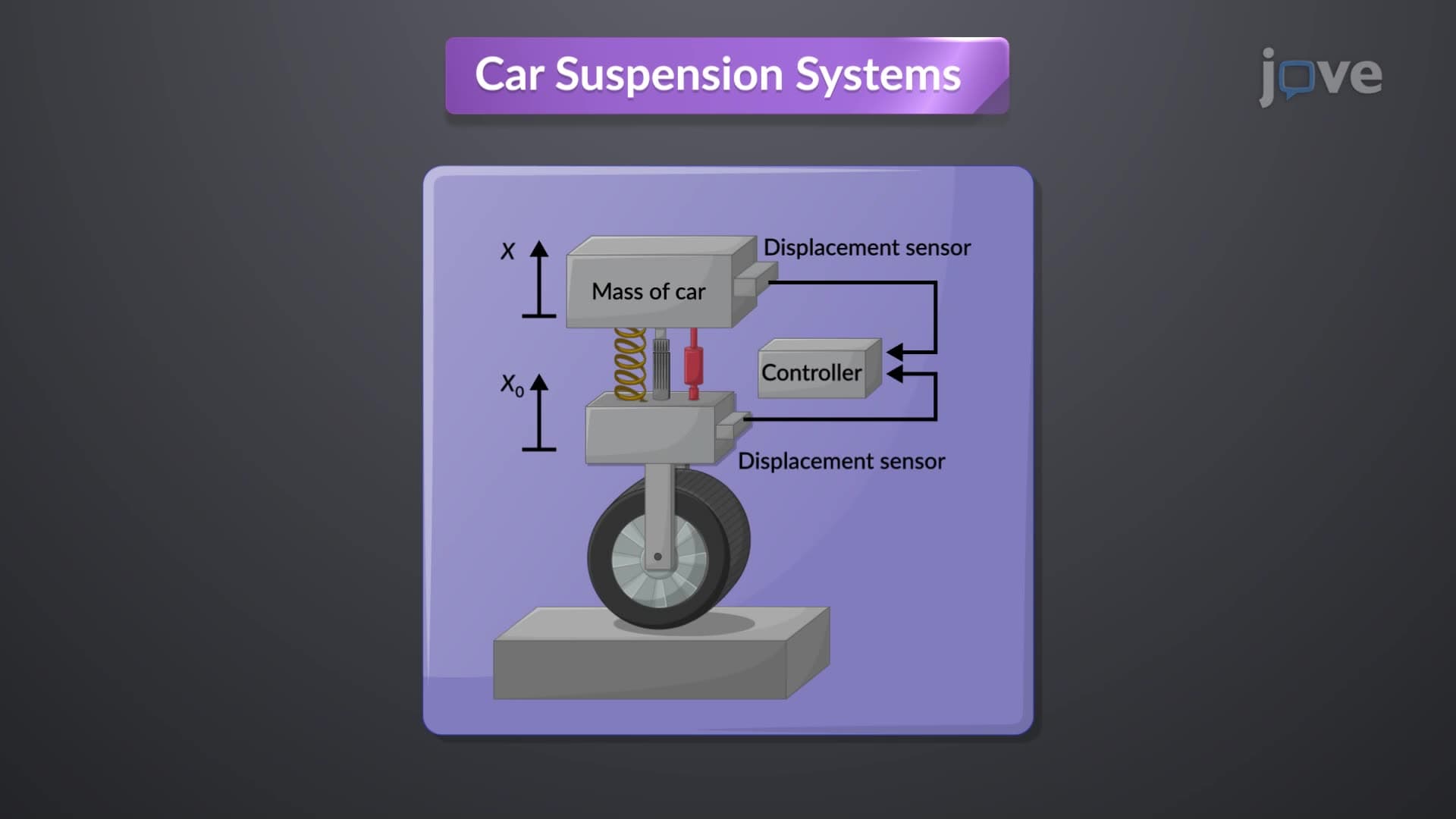
2. PD Controller: Design
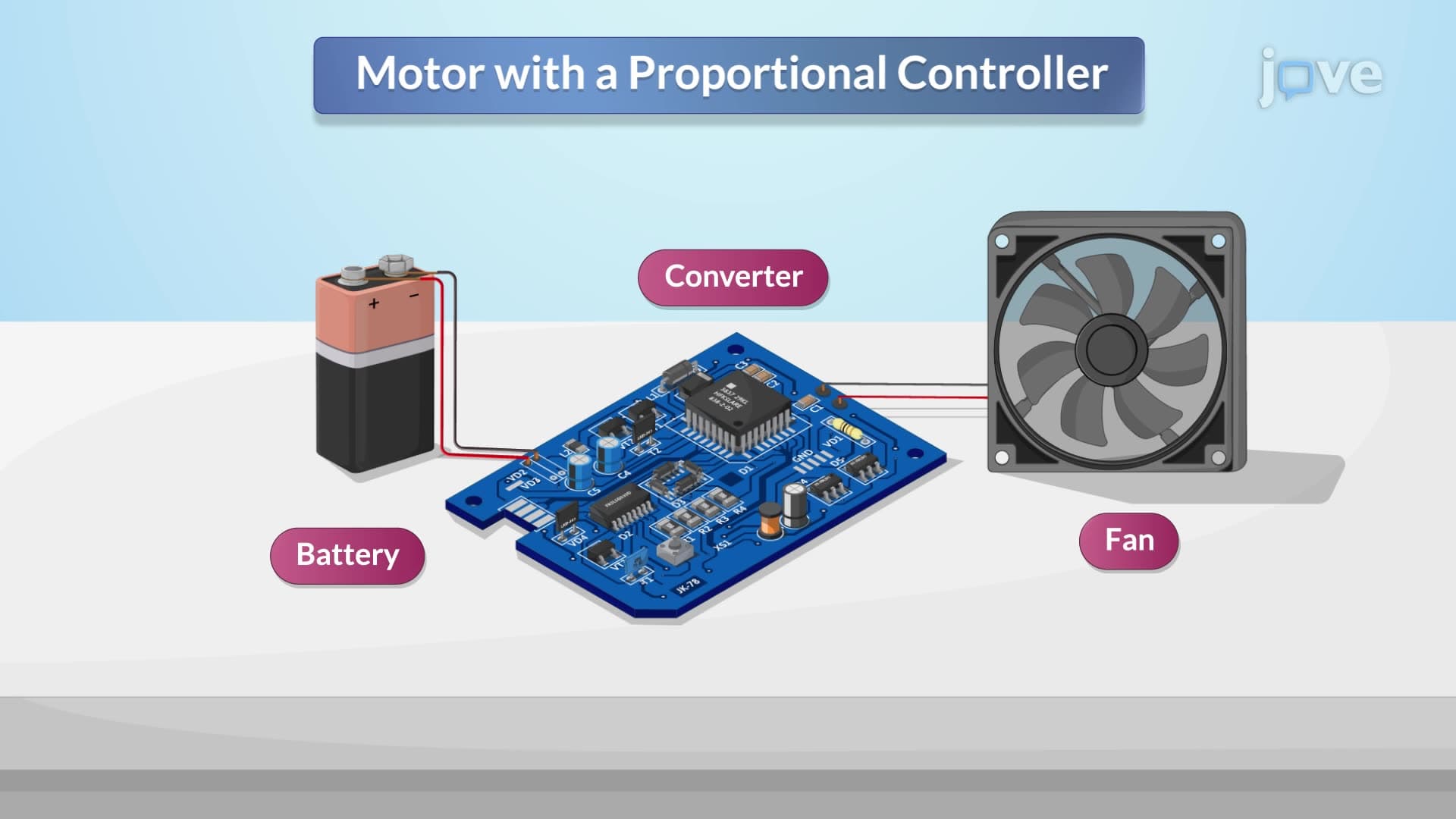
3. Time-Domain Interpretation of PD Control
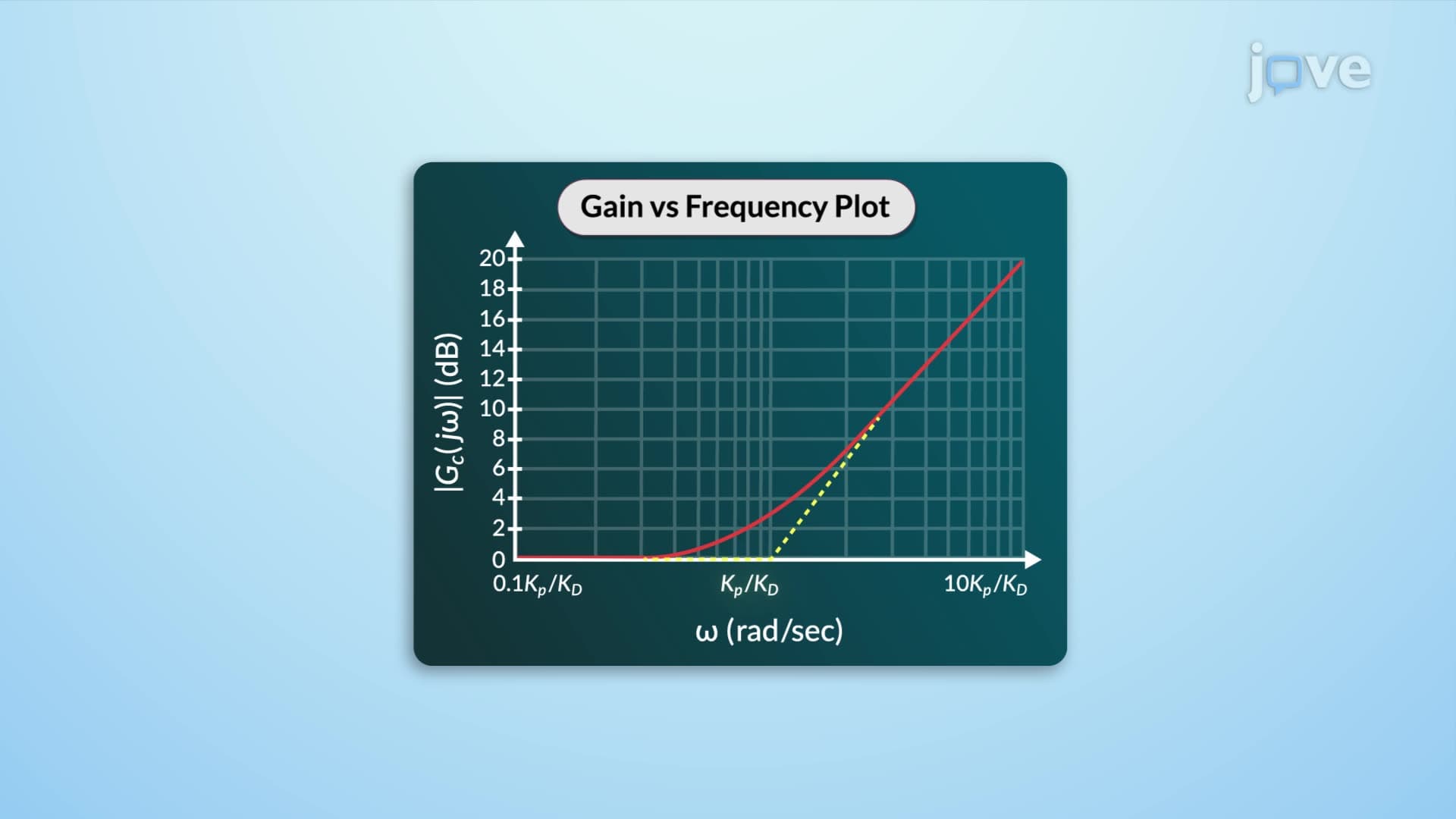
4. Frequency-Domain Interpretation of PD Control
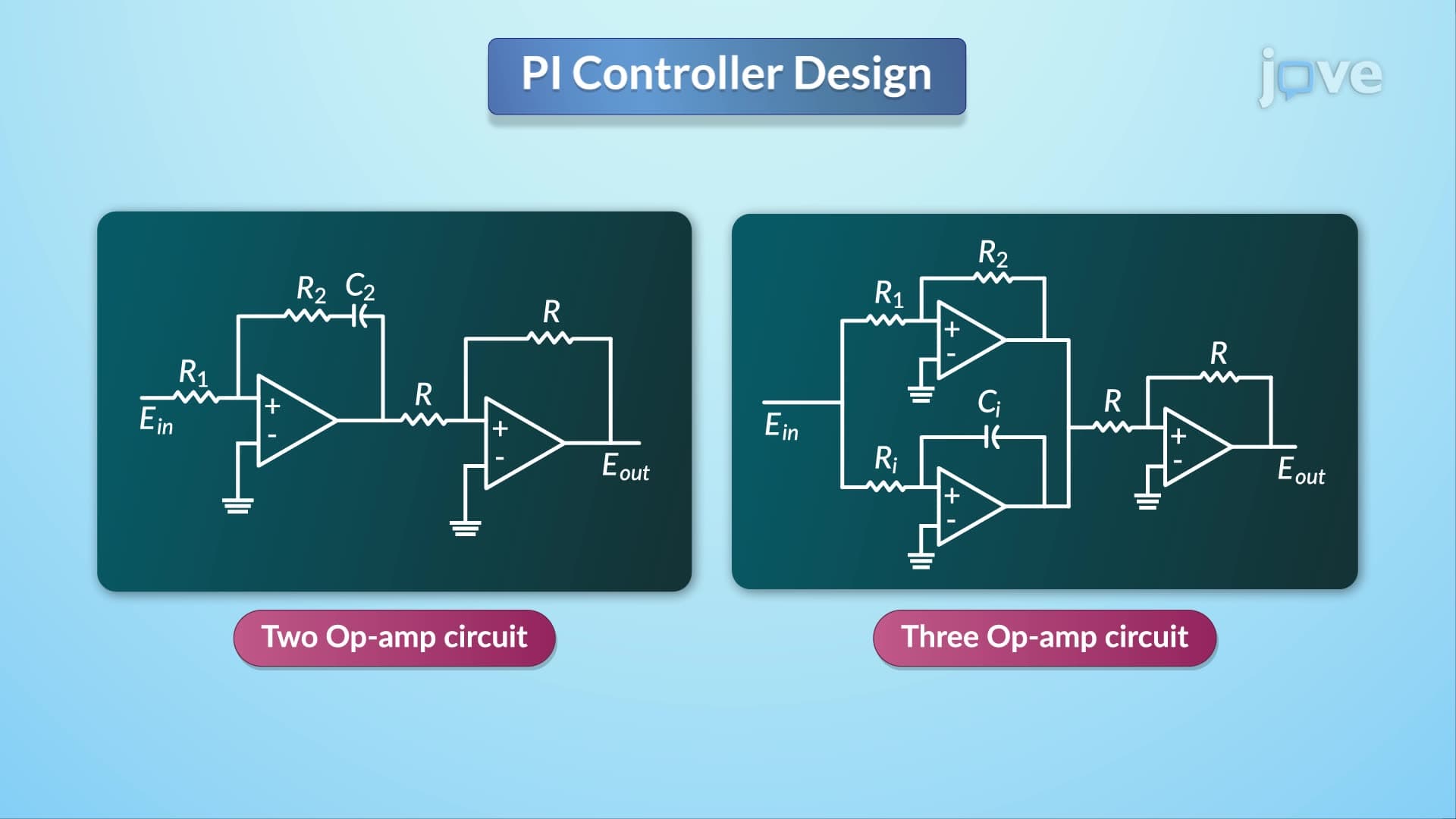
5. PI Controller: Design
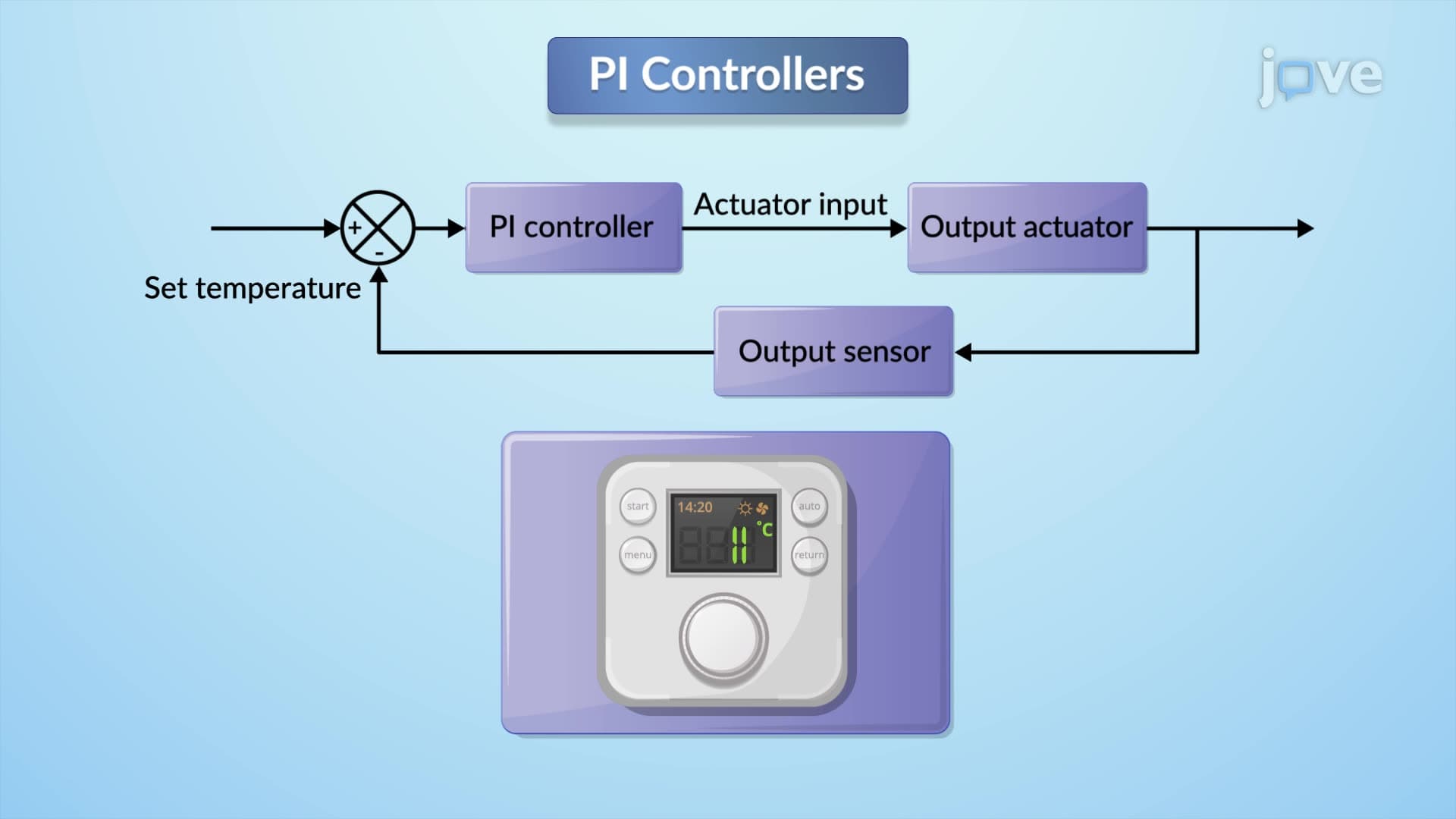
6. Time and frequency -Domain Interpretation of PI Control

7. PID Controller
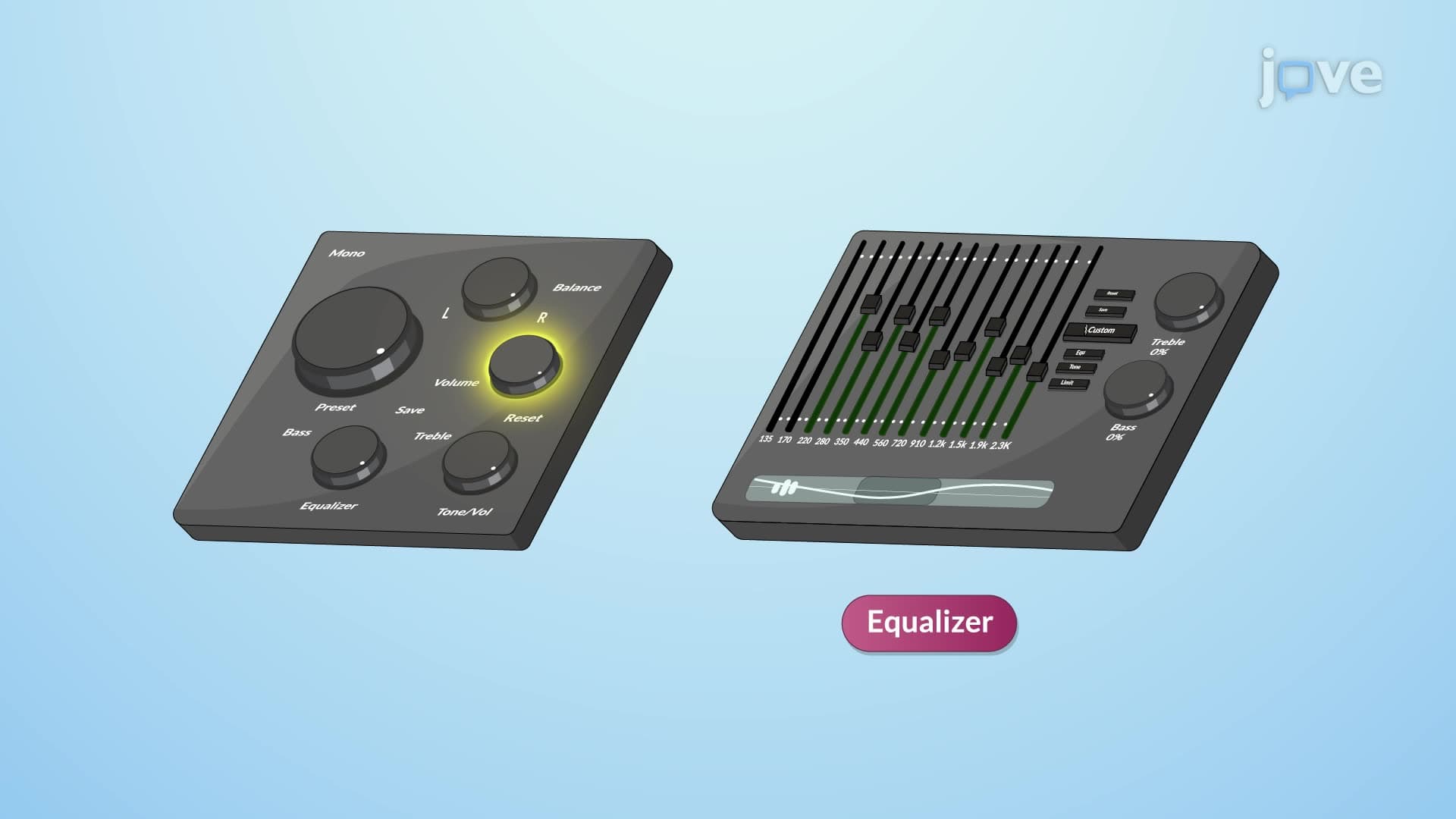
8. Phase-lead and Phase-lag Controllers
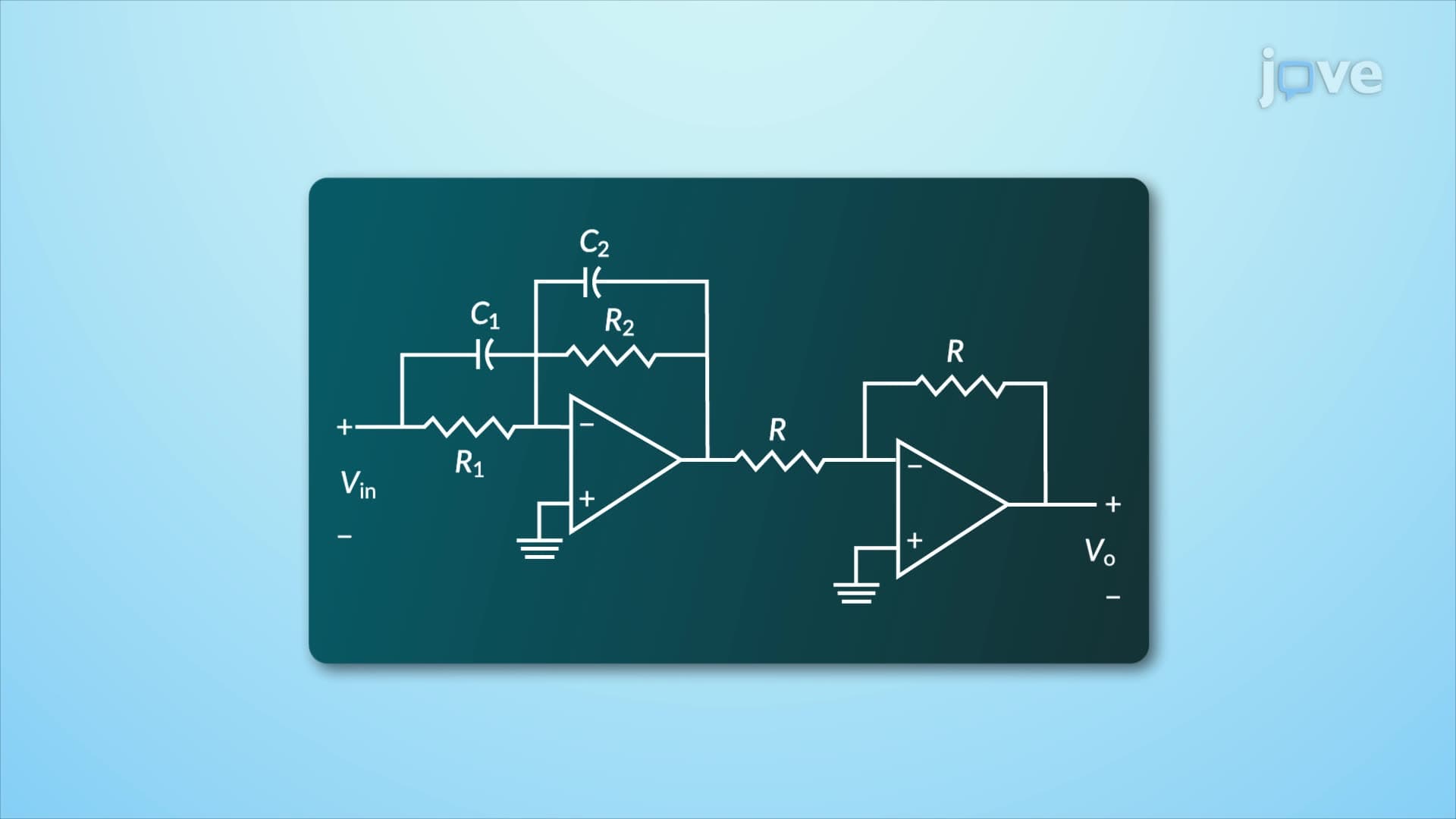
9. Time and frequency -Domain Interpretation of Phase-lead Control
10. Time and frequency -Domain Interpretation of Phase-lag Control
Control systems design encompasses the strategic development and optimization of controllers that regulate system behavior across various engineering applications. From automotive cruise control maintaining highway speeds to smartphone brightness adjustment responding to ambient light, mastering PID controller design and compensation methods ensures reliable performance. This comprehensive exploration covers time-domain and frequency-domain design approaches, equipping students with essential skills for modern engineering challenges. JoVE Coach provides structured learning for these fundamental concepts.
- Understand the fundamental principles of control systems design and various controller configurations
- Learn to design PD controllers for improved system damping and reduced overshoot in dynamic systems
- Analyze time-domain and frequency-domain interpretations of proportional-derivative control mechanisms
- Explore PI controller design for eliminating steady-state errors in precision control applications
- Apply frequency-domain techniques using Bode plots for controller analysis and optimization
- Design comprehensive PID controllers that combine proportional, integral, and derivative actions
- Identify phase-lead and phase-lag compensation methods for enhanced system stability
- Analyze gain margin and phase margin requirements for robust control system performance
1. Controller Configurations and Compensation Methods: Control systems design employs various architectural approaches including cascade compensation, feedback compensation, and state-feedback control. Traditional automotive cruise control systems demonstrate cascade compensation where controllers align directly with the process, maintaining consistent highway speeds while monitoring traffic conditions. Feedback compensation positions controllers in minor feedback paths, exemplified by modern vehicle stability systems that continuously adjust brake pressure. Two-degrees-of-freedom configurations provide enhanced flexibility over single-degree systems, allowing independent optimization of tracking performance and disturbance rejection in applications like aircraft autopilot systems used in commercial aviation throughout the United States.
2. PD Controller Design and Implementation: Proportional-Derivative controllers combine immediate error response with predictive error rate correction, effectively managing dynamic systems like automotive suspension damping. Electronic implementation utilizes operational amplifier circuits with carefully selected resistor and capacitor values to achieve independent control of proportional and derivative gains. The forward-path transfer function modification through zero addition counteracts system poles, enhancing stability margins. PD control reduces maximum overshoot and oscillation in motor control systems by providing anticipatory correction based on error signal slopes, making it ideal for applications requiring rapid response without steady-state accuracy requirements, such as robotic arm positioning systems used in manufacturing facilities across American industrial centers.
3. Time-Domain Analysis of PD Control: Time-domain interpretation reveals how PD controllers modify system transient response through error signal and error rate processing. Motor control systems demonstrate this principle where positive error signals and excessive torque create overshoot conditions that PD control mitigates through derivative action. The mechanism acts as an anticipatory system, using error signal slopes to predict and correct trajectory deviations before they become excessive. This approach proves particularly effective in applications like computer hard drive head positioning, where rapid settling without overshoot ensures data accuracy. PD control impact on steady-state error occurs only when errors vary continuously over time, distinguishing it from constant steady-state error scenarios common in DC motor speed control applications.
4. Frequency-Domain PD Control Analysis: Bode plot analysis reveals PD controllers function as high-pass filters, amplifying high-frequency error components while attenuating low-frequency signals. The proportional gain couples with system series gain to normalize zero-frequency response, while derivative action elevates gain-crossover frequency for improved phase margins. Corner frequency placement becomes critical for achieving desired stability margins in applications like cooling fan speed control, where improved damping reduces oscillations and shortens settling time. However, high-frequency noise amplification presents challenges in smooth control applications, requiring careful consideration of implementation costs including large capacitor requirements that increase system size and expense in consumer electronics manufacturing.
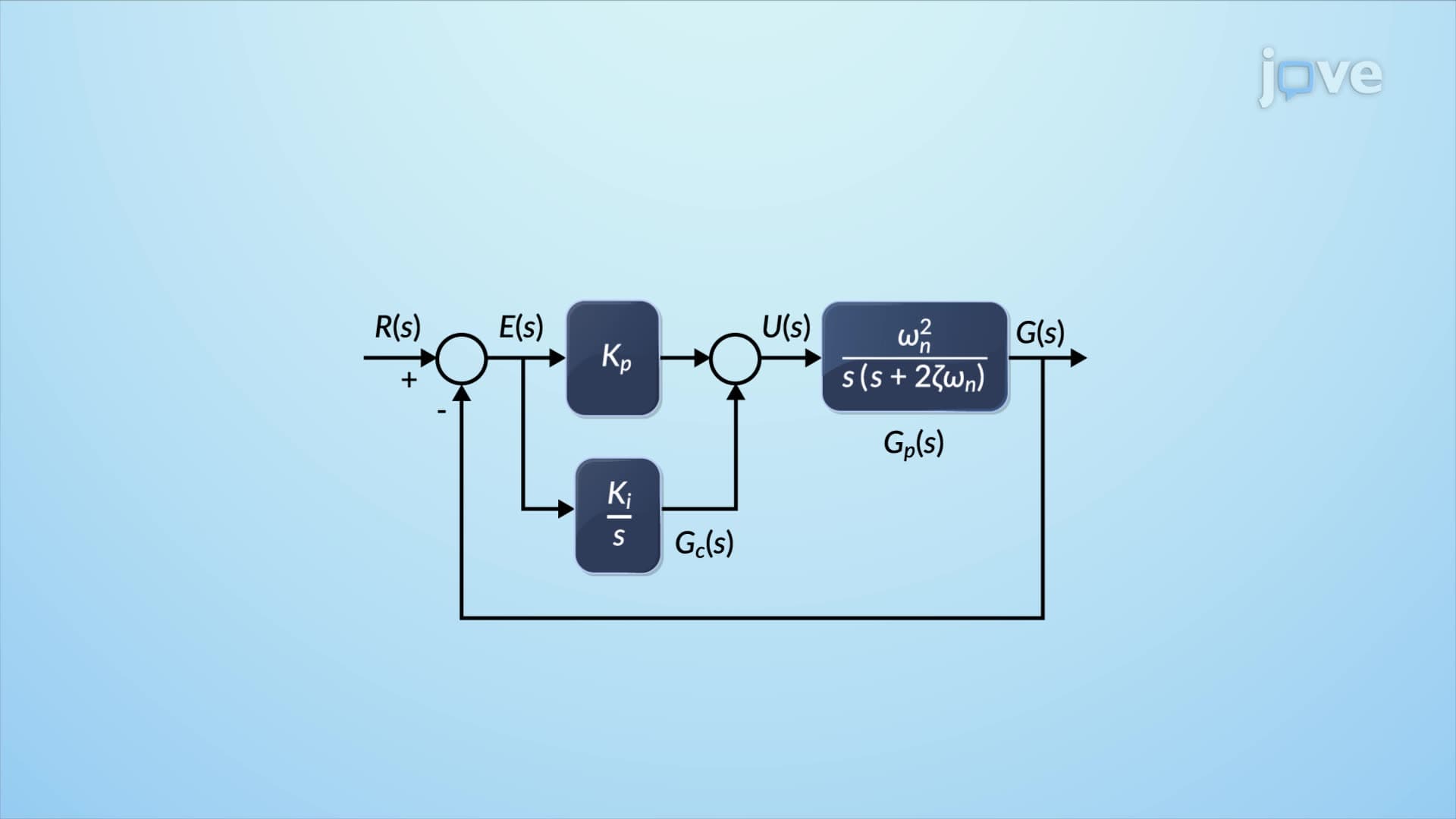
5. PI Controller Design for Steady-State Performance: Proportional-Integral controllers excel at eliminating steady-state errors in step-function applications like smartphone automatic brightness adjustment systems. The integral component accumulates past errors to drive steady-state error toward zero, complementing proportional action that responds to instantaneous error signals. Op-amp implementation circuits utilize resistor-capacitor combinations with transfer functions linking PI parameters to circuit characteristics, where integral gain maintains inverse proportionality to capacitance values. Three op-amp configurations provide independent control of proportional and integral gains, though effective designs may require large capacitance values. Forward-path transfer function modification through pole and zero addition reduces steady-state error by one order, achieving zero error for constant inputs provided system stability maintenance.
6. Comprehensive PID Controller Integration: PID controllers merge PD and PI capabilities, offsetting individual limitations through systematic design approaches treating the controller as cascaded PI and PD components. Design methodology involves initially activating only PD components, selecting derivative gain values to achieve desired stability through maximum overshoot constraints and phase margin requirements. Subsequently, integral and proportional gains for the PI section meet overall relative stability requirements. Thermostat applications demonstrate PID effectiveness, adjusting heating and cooling based on temperature deviations while maintaining precise set-point regulation. This comprehensive approach enables applications ranging from industrial process control to consumer appliance automation throughout American manufacturing and residential sectors.
7. Phase-Lead and Phase-Lag Compensation: Phase-lead controllers function as high-pass filters introducing positive phase shifts over specific frequency ranges, analogous to bass adjustment on stereo equalizers. Phase-lag controllers operate as low-pass filters introducing negative phase shifts, similar to treble control mechanisms. Single transfer functions represent both controllers through parameter relationships, with op-amp circuit realizations enabling practical implementation. Design involves strategic pole and zero placement to maintain steady-state accuracy while enhancing stability. Phase-lead control improves system damping and response speed without affecting steady-state error, while phase-lag control influences error constants through gain factor amplification, enabling steady-state performance optimization in applications like television brightness control systems common in American households.
Frequently Asked Questions
PID controller design combines three control actions to address different performance aspects: proportional control provides immediate response to current errors, integral control eliminates steady-state errors by accumulating past errors, and derivative control anticipates future errors by responding to error rate changes. Basic proportional control only responds to current error magnitude, often resulting in steady-state errors and potential oscillations. For example, a car's cruise control system uses PID design to maintain precise speeds on varying terrain, while simple proportional control might allow speed drift on hills.
Gain margin measures how much additional gain a system can tolerate before becoming unstable, while phase margin indicates the additional phase lag allowable before instability occurs. Both margins appear clearly on Bode plots where gain margin represents the gain difference at the phase crossover frequency (-180°), and phase margin shows the phase difference at the gain crossover frequency (0 dB). Typical design specifications require gain margins above 6 dB and phase margins above 45° for robust stability. These margins ensure systems maintain stable operation despite parameter variations and external disturbances.
AP Physics emphasizes fundamental feedback concepts, basic PID understanding, and simple stability analysis. Focus on time-domain response characteristics like overshoot, settling time, and steady-state error, plus frequency-domain basics including Bode plot interpretation. For engineering college preparation, master transfer function manipulation, pole-zero analysis, and compensation design methods. Understanding real-world applications like automotive systems, electronics, and industrial processes helps connect theoretical concepts to practical engineering problems encountered in undergraduate coursework.
PID controllers appear extensively in American technology: automotive cruise control maintains highway speeds, HVAC systems regulate building temperatures, industrial manufacturing controls assembly line speeds and product quality, and consumer electronics like washing machines control water temperature and cycle timing. Medical devices use PID control for precise drug delivery, while power systems employ PID for voltage regulation across electrical grids. Understanding these applications helps students recognize control systems design relevance in careers ranging from aerospace engineering at companies like Boeing to automotive engineering at Ford and General Motors.
Frequency domain design requires understanding complex mathematical relationships between gain, phase, and frequency, while time domain analysis focuses on more intuitive response characteristics like step response curves. Bode plots demand interpretation of logarithmic scales, phase relationships, and stability margins that aren't immediately obvious from visual inspection. However, frequency domain techniques provide powerful design tools for compensation and optimization that time domain methods cannot easily achieve. Students typically find success by starting with time domain understanding before progressing to frequency domain applications, using both approaches complementarily for comprehensive control systems design.
Effective study strategies include practicing transfer function manipulation through numerous examples, creating visual aids connecting block diagrams to mathematical representations, and working through complete design problems from specification to implementation. Focus on understanding physical meaning behind mathematical operations - for instance, connecting pole locations to system response characteristics. Use simulation software when available to visualize system behavior changes with different controller parameters. Regular practice with both time-domain and frequency-domain problems builds confidence, while studying real-world applications reinforces theoretical concepts through practical context.
Academic theory emphasizes systematic design procedures with idealized components and perfect mathematical models, while real-world practice requires considering component tolerances, noise effects, implementation costs, and manufacturing constraints. Industrial applications often use simplified design rules and standard controller configurations rather than optimal theoretical solutions. However, theoretical understanding provides the foundation for troubleshooting, optimization, and innovation when standard approaches prove inadequate. Successful engineers combine theoretical knowledge with practical experience, understanding when to apply rigorous design methods versus when simpler approaches suffice for specific applications.
Advanced topics include adaptive control systems that automatically adjust parameters for changing conditions, robust control design for uncertain systems, digital control implementation for computer-based systems, and multivariable control for systems with multiple inputs and outputs. State-space design methods provide alternatives to transfer function approaches, while optimal control theory offers systematic performance optimization techniques. Students interested in cutting-edge applications might explore machine learning integration with control systems, distributed control networks, and real-time implementation challenges. These advanced concepts build naturally from fundamental PID design principles while opening doors to specialized engineering careers in robotics, aerospace, and process control industries.
This microcourse includes 10 concept videos that walk you through the building blocks of Electrical Engineering. Each video is short, about 1 minute, so you can cover a full topic during a coffee break or between classes. The full sequence starts with Controller Configurations and ends with Time and frequency -Domain Interpretation of Phase-lag Control.
The playlist moves from big-picture ideas to the precise vocabulary used in Electrical Engineering. Early videos introduce Controller Configurations, PD Controller: Design, and Time-Domain Interpretation of PD Control. The middle of the series focuses on PI Controller: Design, Time and frequency -Domain Interpretation of PI Control, and PID Controller. The final stretch covers Phase-lead and Phase-lag Controllers, Time and frequency -Domain Interpretation of Phase-lead Control, and Time and frequency -Domain Interpretation of Phase-lag Control.
The natural next step is Power Transformers. From there, you can move to Transmission Line Parameters, Steady-State Transmission Lines and Power Flows, and Symmetrical and Unsymmetrical Faults. Once you finish those, the full Electrical Engineering curriculum of 33 microcourses on JoVE Coach opens up, taking you from foundational concepts to advanced systems.
Related Subjects
 Civil Engineering 30 micro-courses›Mechanical Engineering 28 micro-courses›