- Electrical Engineering
- Energy Storage Elements
Micro-courses:33

Energy Storage Elements

1. Capacitors
2. Energy Stored in Capacitors
3. Series and Parallel Capacitors
4. Equivalent Capacitance
5. Inductors
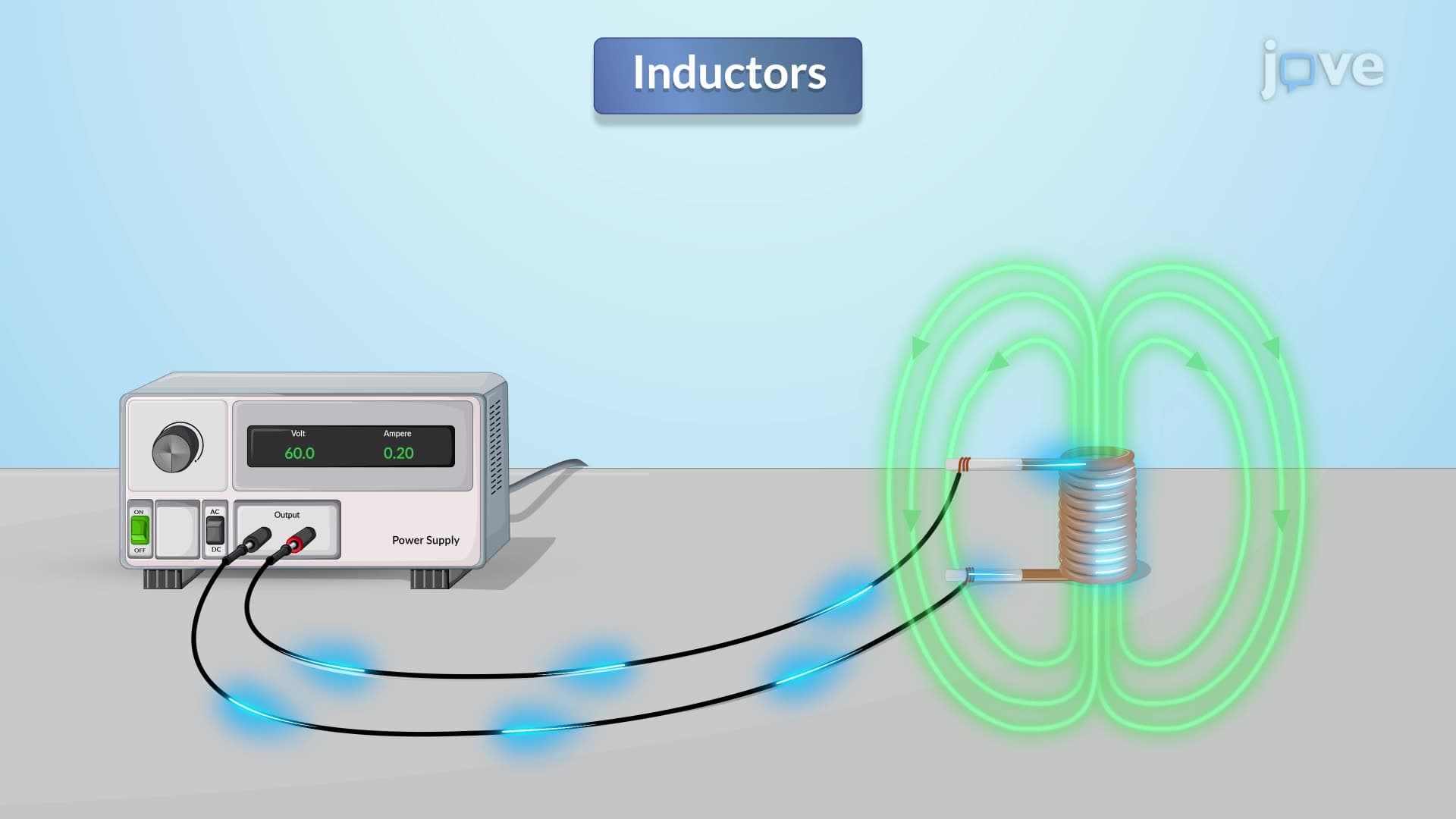
6. Energy Stored in Inductors
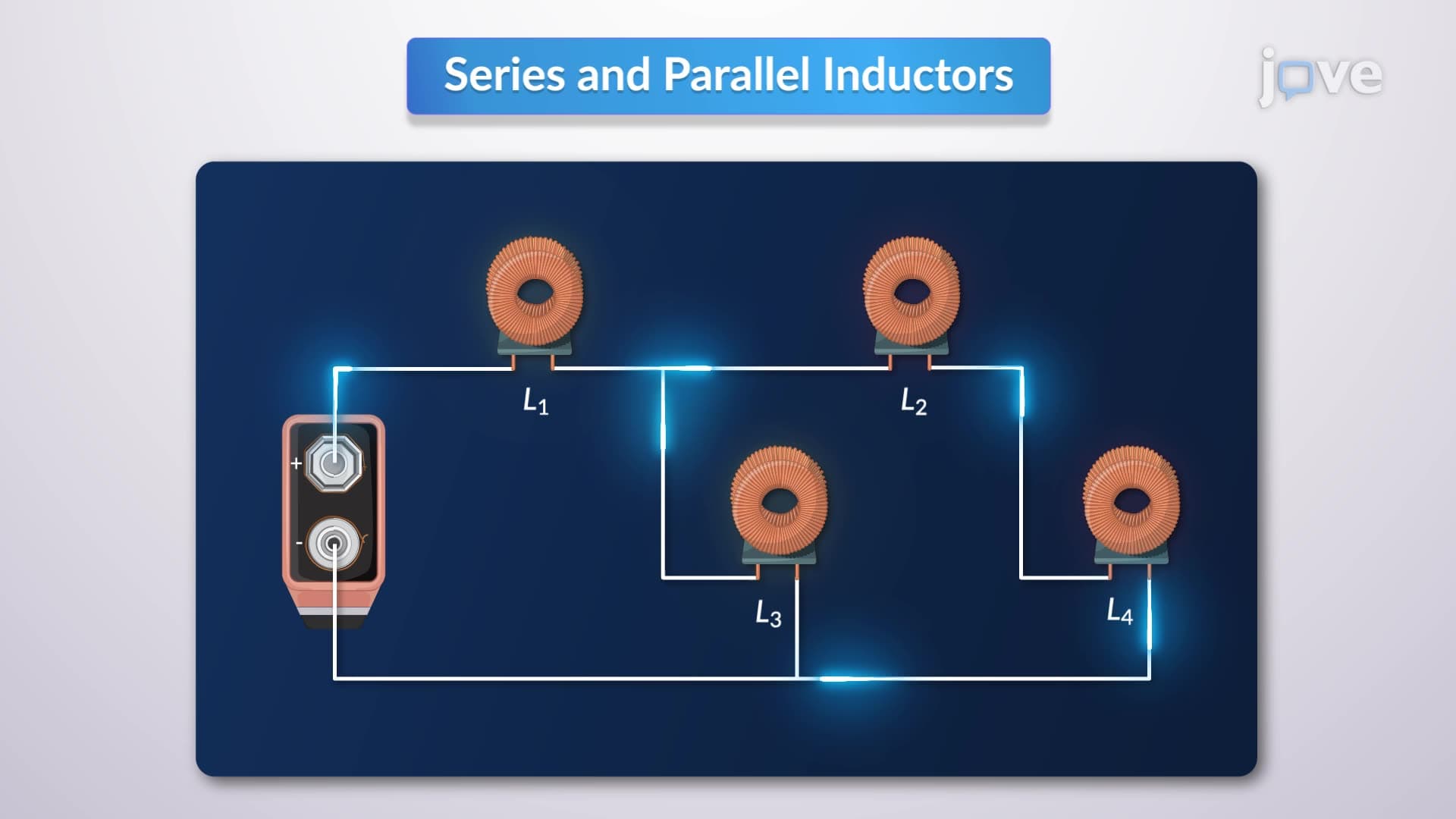
7. Series and Parallel Inductors
8. Design Example: Automobile Ignition System
Energy storage elements, including capacitors and inductors, are fundamental components that store electrical energy in electric and magnetic fields respectively. These elements exhibit unique behavior in circuits, from capacitors filtering radio frequencies in car stereos to inductors generating high voltages in automobile ignition systems. Through JoVE Coach's comprehensive approach, students master the principles governing capacitor inductor energy storage and their practical applications.
- Understand how capacitors store energy in electric fields and their construction with parallel plates and dielectrics
- Learn the mathematical relationships governing capacitance, charge, voltage, and current in capacitive circuits
- Identify how inductors store energy in magnetic fields through coiled wire configurations
- Explore the behavior of capacitors and inductors in circuits under different operating conditions
- Analyze series and parallel combinations of energy storage elements and calculate equivalent values
- Apply Kirchhoff's laws to determine voltage, current, and charge distributions in capacitor-inductor networks
- Understand the memory properties of storage elements and their response to changing conditions
- Analyze real-world applications like automotive ignition systems and radio frequency filtering
1. Capacitor Fundamentals and Construction: Capacitors consist of two parallel conducting plates separated by a dielectric material, storing electrical energy in the electric field between plates. When connected to a voltage source like a car battery, positive charges accumulate on one plate while negative charges gather on the opposite plate, creating a potential difference. The capacitance value, measured in farads, represents the device's ability to store charge per unit voltage. Practical capacitors used in electronic devices demonstrate how plate area, dielectric material, and separation distance directly influence capacitance values in applications ranging from camera flashes to power supply filtering circuits.
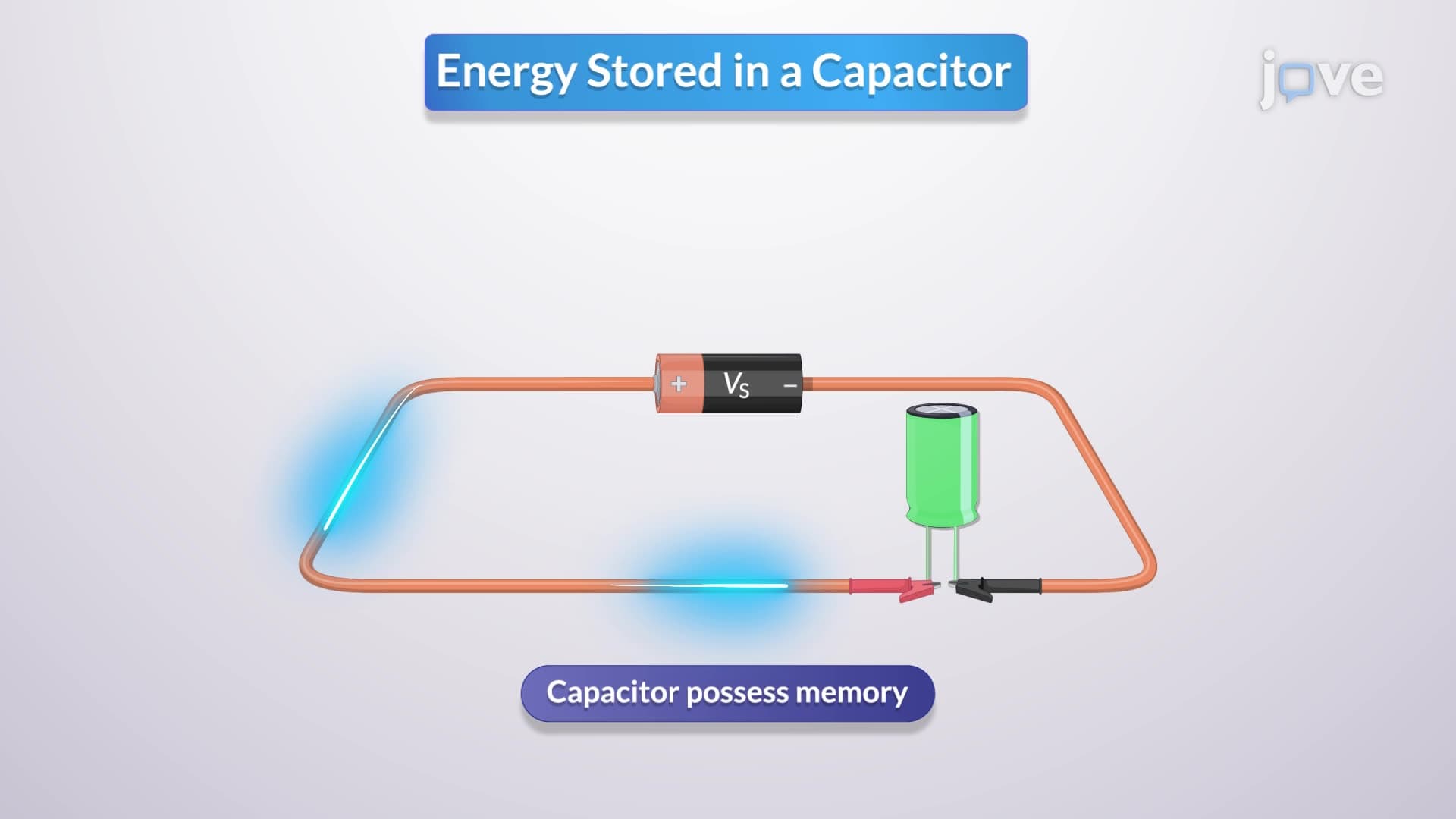
2. Energy Storage and Retrieval in Capacitors: The energy stored in a capacitor equals one-half times capacitance times voltage squared, representing the energy contained within the electric field between plates. Unlike resistors that dissipate energy as heat, ideal capacitors store energy without loss, allowing complete retrieval when needed. In practical applications like emergency lighting systems, capacitors charge during normal operation and discharge to provide backup power during outages. The instantaneous power relationship demonstrates how energy accumulates during charging and releases during discharge, making capacitors essential for applications requiring rapid energy delivery such as camera flash units and defibrillators.
3. Capacitive Circuit Behavior and Memory Properties: Capacitors exhibit memory characteristics, meaning their voltage depends on previous current flow history, preventing instantaneous voltage changes across terminals. When connected to DC sources, charged capacitors eventually act as open circuits once steady-state conditions are reached. This behavior proves crucial in timing circuits used in traffic lights and electronic delays. The mathematical relationship between current and rate of voltage change (i = C dv/dt) governs capacitive behavior in both charging and discharging scenarios, explaining phenomena like the gradual brightening of LED indicators and smooth motor starting in household appliances.
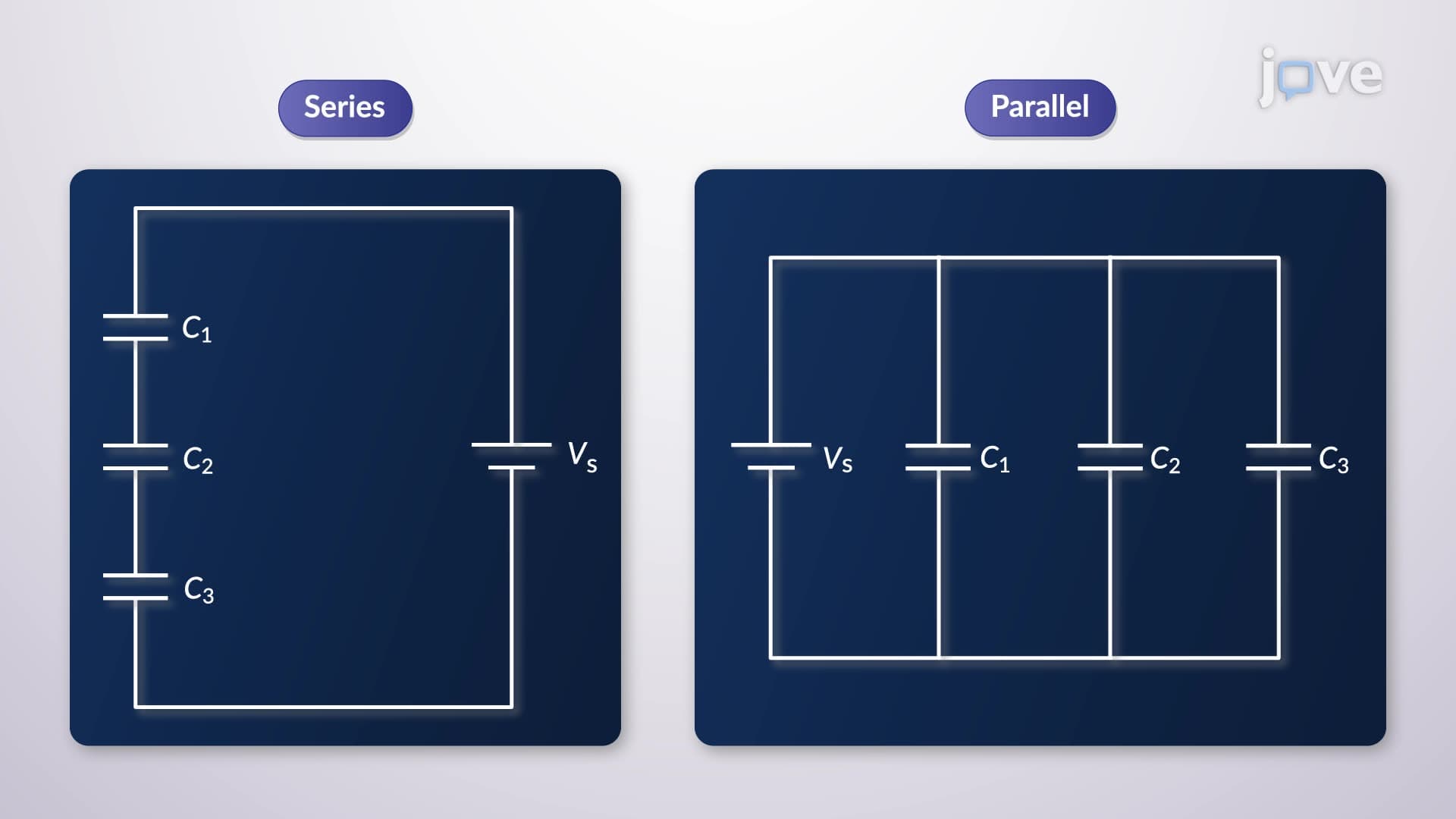
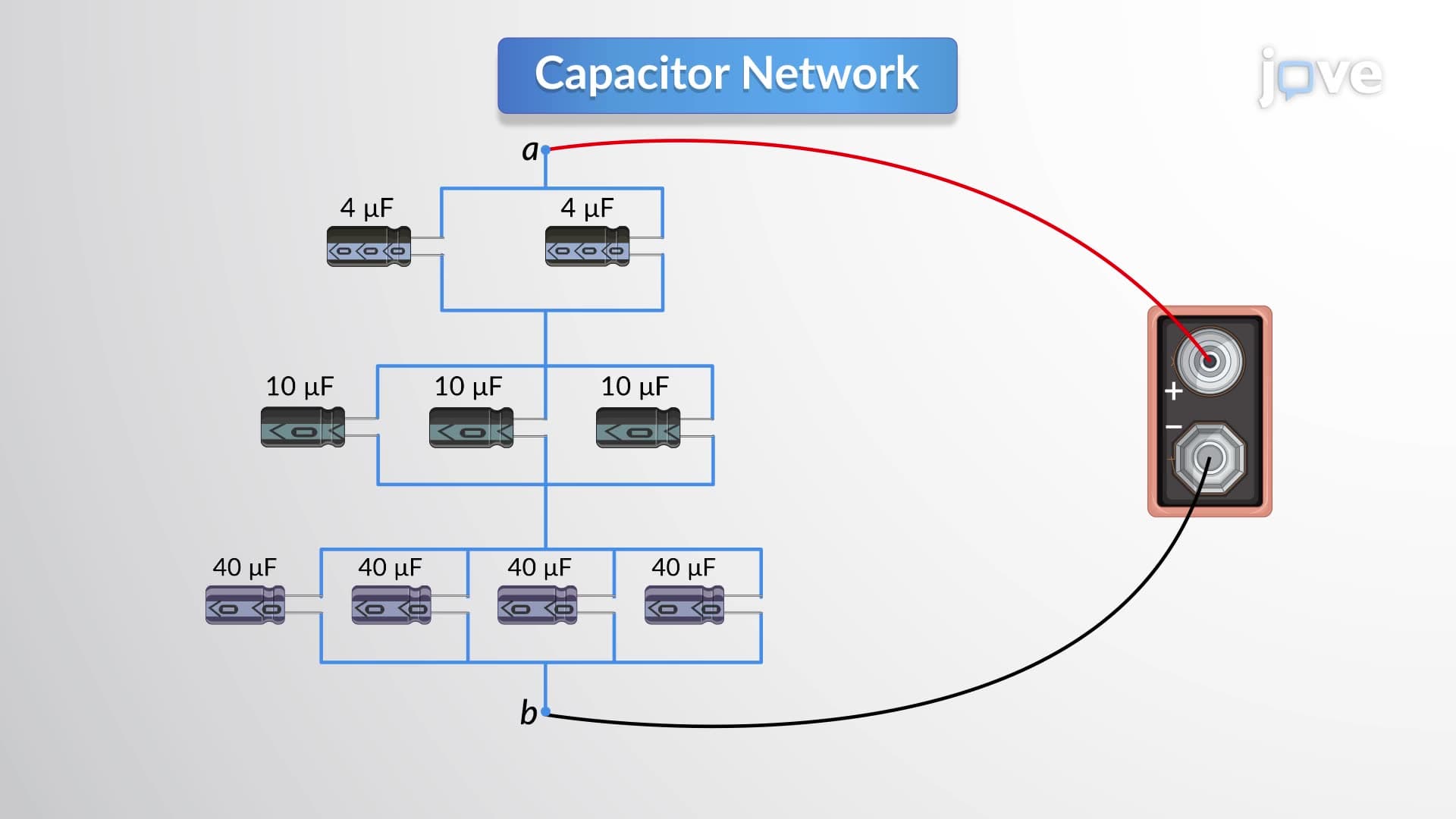
4. Series and Parallel Capacitor Combinations: In series configurations, capacitors share identical charge magnitudes while voltages add according to Kirchhoff's voltage law, with equivalent capacitance calculated as the reciprocal sum of individual reciprocals. Parallel combinations experience identical voltages while currents add, resulting in equivalent capacitance equal to the sum of individual values. These combination rules enable circuit designers to achieve desired capacitance values using standard components in applications like audio crossover networks separating frequencies for speakers and power factor correction in industrial electrical systems. Understanding these relationships proves essential for analyzing complex networks in electronic devices and power distribution systems.
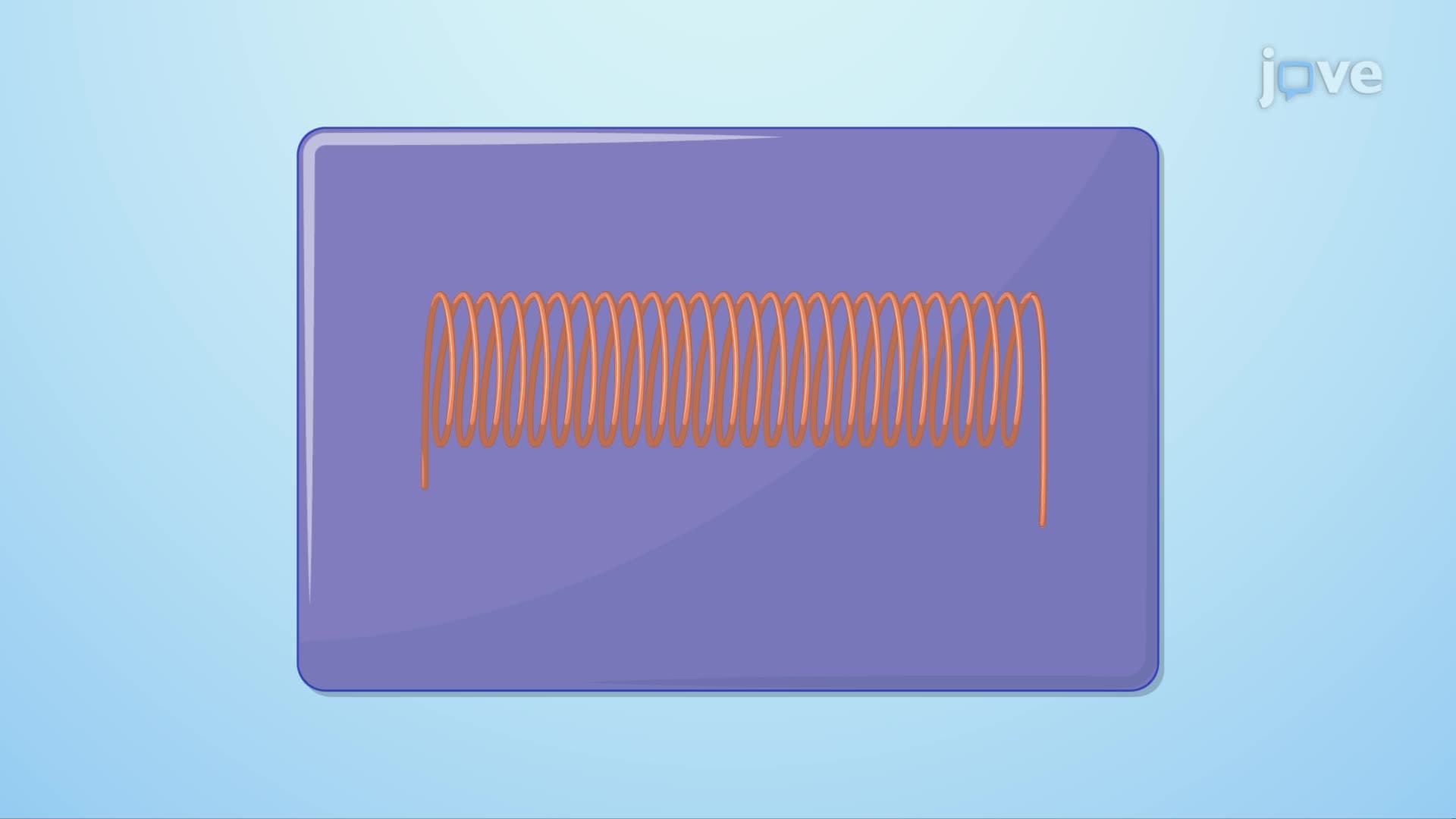
5. Inductor Fundamentals and Magnetic Energy Storage: Inductors consist of coiled wire that stores energy in magnetic fields generated by current flow, with inductance measured in henries representing the device's opposition to current changes. According to Faraday's law, changing current through inductors generates back EMF that opposes the change, creating the fundamental relationship v = L di/dt. This property makes inductors essential in applications like fluorescent light ballasts and switching power supplies. Unlike capacitors that block DC current, inductors act as short circuits for steady direct current while opposing alternating current, explaining their use in power line filters and motor starting circuits throughout American industrial applications.
6. Inductor Series and Parallel Analysis: Series-connected inductors sum their inductance values directly, similar to resistor combinations, while parallel inductors follow reciprocal addition rules like parallel resistors. These combination principles enable engineers to design custom inductance values for specific applications using standard component values. In automotive ignition systems, carefully calculated inductor combinations create the precise magnetic field collapse needed to generate high-voltage sparks across spark plug gaps. The energy storage formula (½LI²) demonstrates how inductors accumulate energy during current buildup and release it rapidly when current changes, explaining the intense sparks produced in ignition coils and the smooth operation of electric motor drives.
Frequently Asked Questions
Capacitors store energy in electric fields between charged plates, while inductors store energy in magnetic fields around current-carrying coils. Capacitors oppose voltage changes and act as open circuits to DC current when fully charged, whereas inductors oppose current changes and act as short circuits to steady DC current.
Capacitors follow opposite rules from resistors: series capacitors use reciprocal addition (like parallel resistors), while parallel capacitors sum directly (like series resistors). Inductors follow the same rules as resistors: series inductors sum directly, while parallel inductors use reciprocal addition. Think "capacitors are backwards" from resistors.
Focus on capacitor charging/discharging behavior, energy storage formulas (½CV² for capacitors, ½LI² for inductors), series/parallel combination rules, and understanding that capacitors block DC while inductors allow DC to pass. Practice calculating equivalent capacitance and inductance in mixed networks, as these concepts frequently appear on standardized exams.
The time constant τ = RC (resistance times capacitance) determines charging and discharging rates. Larger resistance or capacitance values create longer time constants, resulting in slower charging. In practical applications, this explains why camera flashes take time to recharge and why large capacitors in power supplies discharge gradually when equipment is unplugged.
Inductors generate high voltages when current changes rapidly due to their property v = L(di/dt). When the ignition switch opens suddenly, the collapsing magnetic field in the ignition coil inductor creates the thousands of volts needed to jump the spark plug gap. Capacitors couldn't produce the same rapid voltage spike from a 12-volt battery system.
Start by memorizing the fundamental relationships (Q = CV, v = L di/dt) and energy formulas. Practice drawing circuits with initial and final conditions clearly marked. Work problems involving both charging and discharging scenarios. Focus on understanding physical behavior before diving into complex mathematical calculations, and always check your answers using energy conservation principles.
Examine capacitors in camera flash units (rapid energy discharge), car audio systems (frequency filtering), and computer power supplies (energy storage during brief outages). For inductors, study fluorescent light ballasts (current limiting), automotive ignition coils (voltage generation), and electric motor operation (smooth current flow). These examples connect abstract concepts to familiar devices.
Students often forget that capacitor voltage cannot change instantaneously and inductor current cannot change instantaneously. Another common error is applying steady-state analysis immediately without considering initial conditions. Remember to identify whether you're analyzing transient (changing) or steady-state (stable) conditions, and always check that your calculated values make physical sense.
This microcourse includes 8 concept videos that walk you through the building blocks of Electrical Engineering. Each video is short, about 1 minute, so you can cover a full topic during a coffee break or between classes. The full sequence starts with Capacitors and ends with Design Example: Automobile Ignition System.
The playlist moves from big-picture ideas to the precise vocabulary used in Electrical Engineering. Early videos introduce Capacitors, Energy Stored in Capacitors, and Series and Parallel Capacitors. The middle of the series focuses on Inductors, Energy Stored in Inductors, and Series and Parallel Inductors. The final stretch covers Design Example: Automobile Ignition System.
The natural next step is First and Second-Order Circuits. From there, you can move to AC Circuit Analysis, AC Steady State Power, and Three-Phase Circuits. Once you finish those, the full Electrical Engineering curriculum of 33 microcourses on JoVE Coach opens up, taking you from foundational concepts to advanced systems.
Related Subjects
 Civil Engineering 30 micro-courses›Mechanical Engineering 28 micro-courses›