- Electrical Engineering
- Modeling in Time and Frequency Domain
Micro-courses:33

Modeling in Time and Frequency Domain
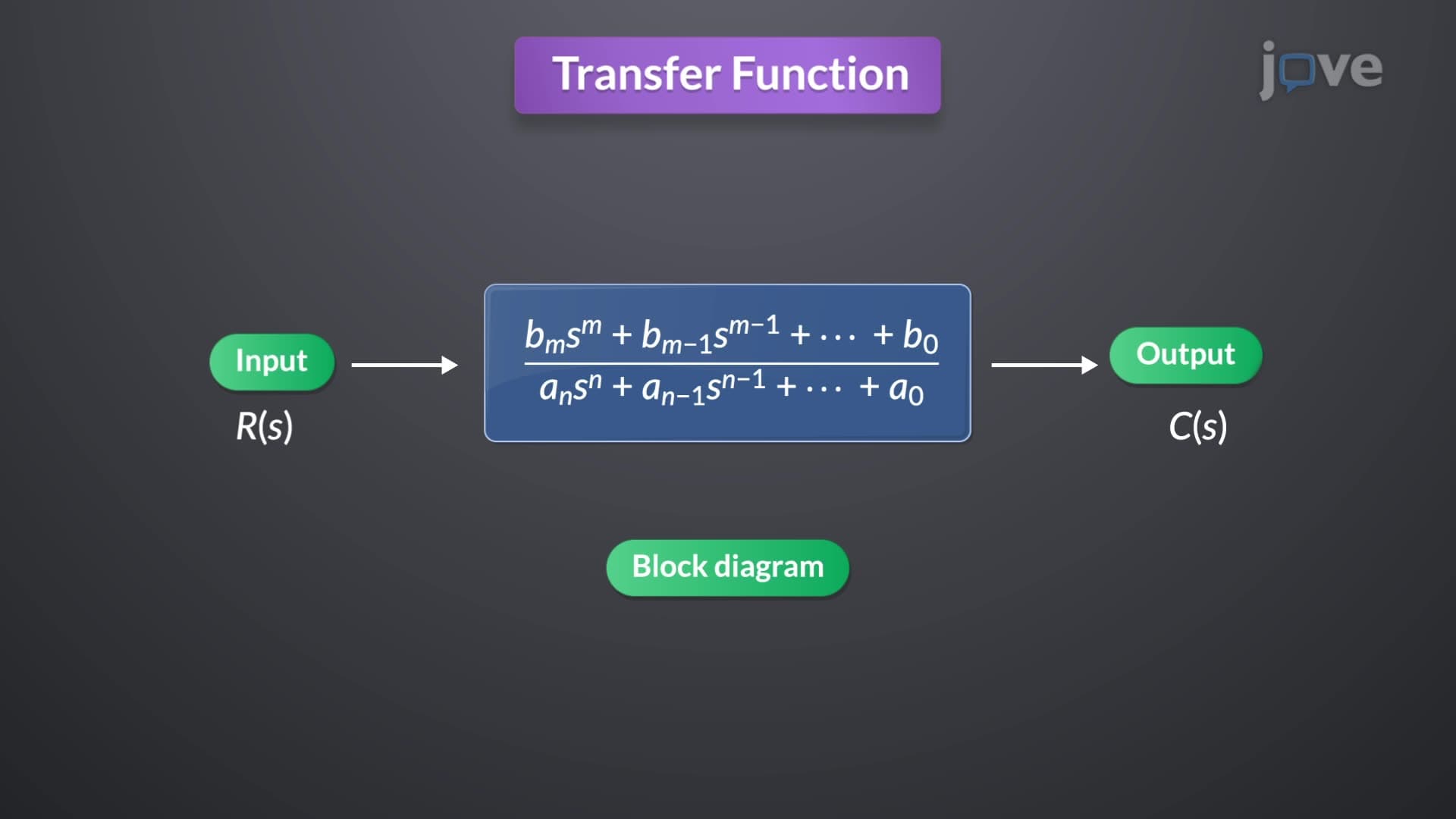
1. Transfer Function in Control Systems
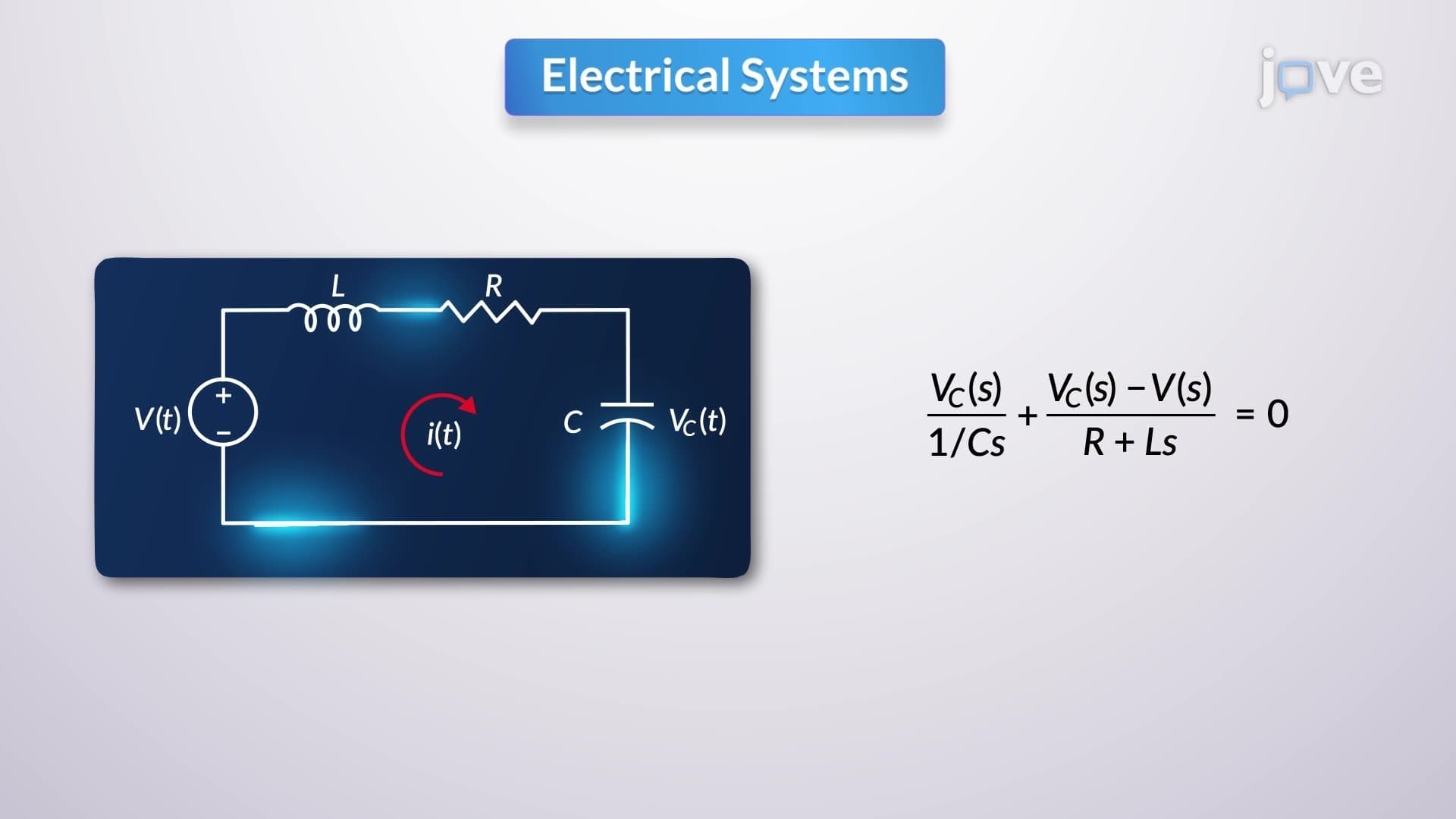
2. Electrical Systems

3. Mechanical Systems
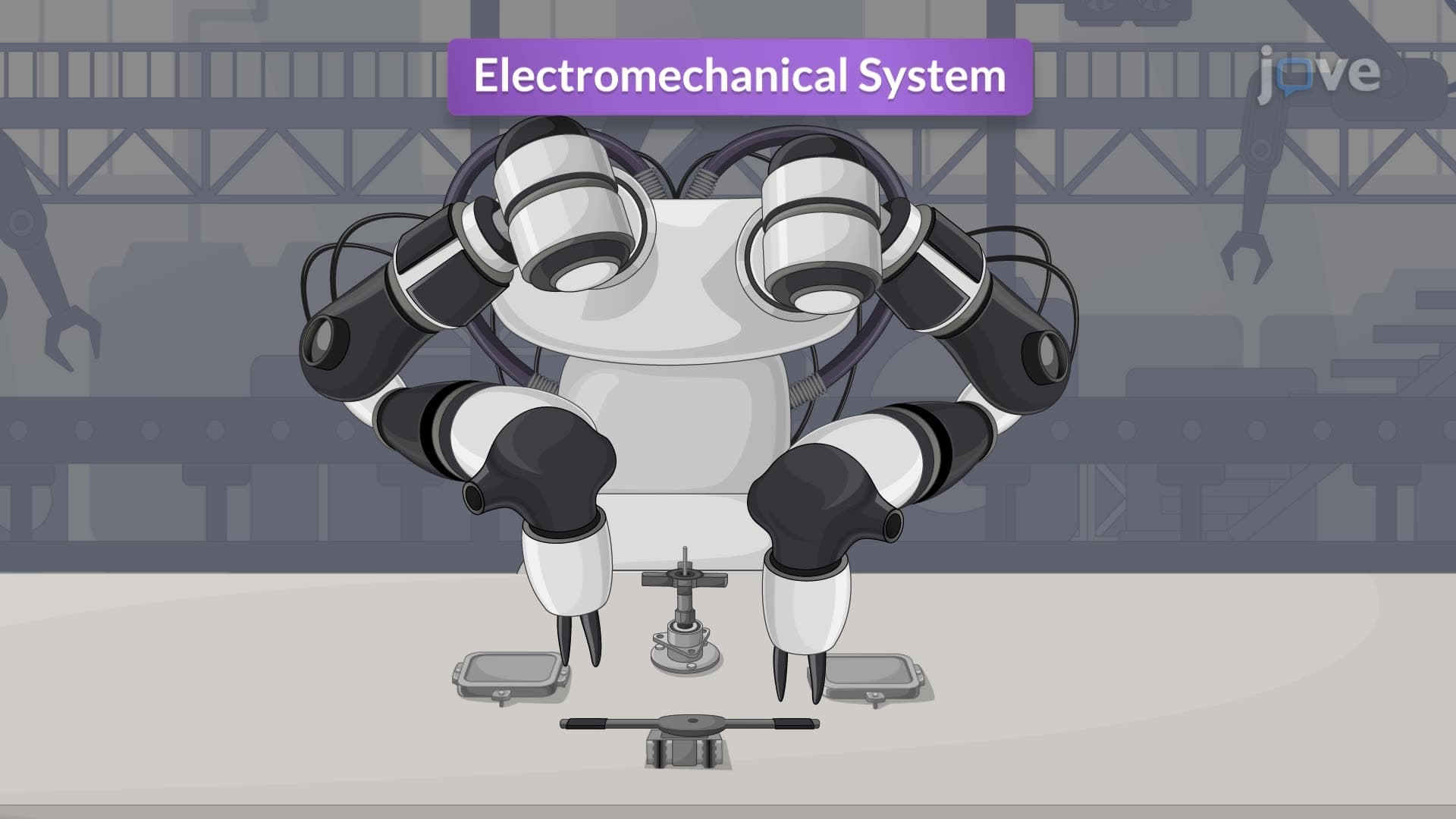
4. Electro-mechanical Systems
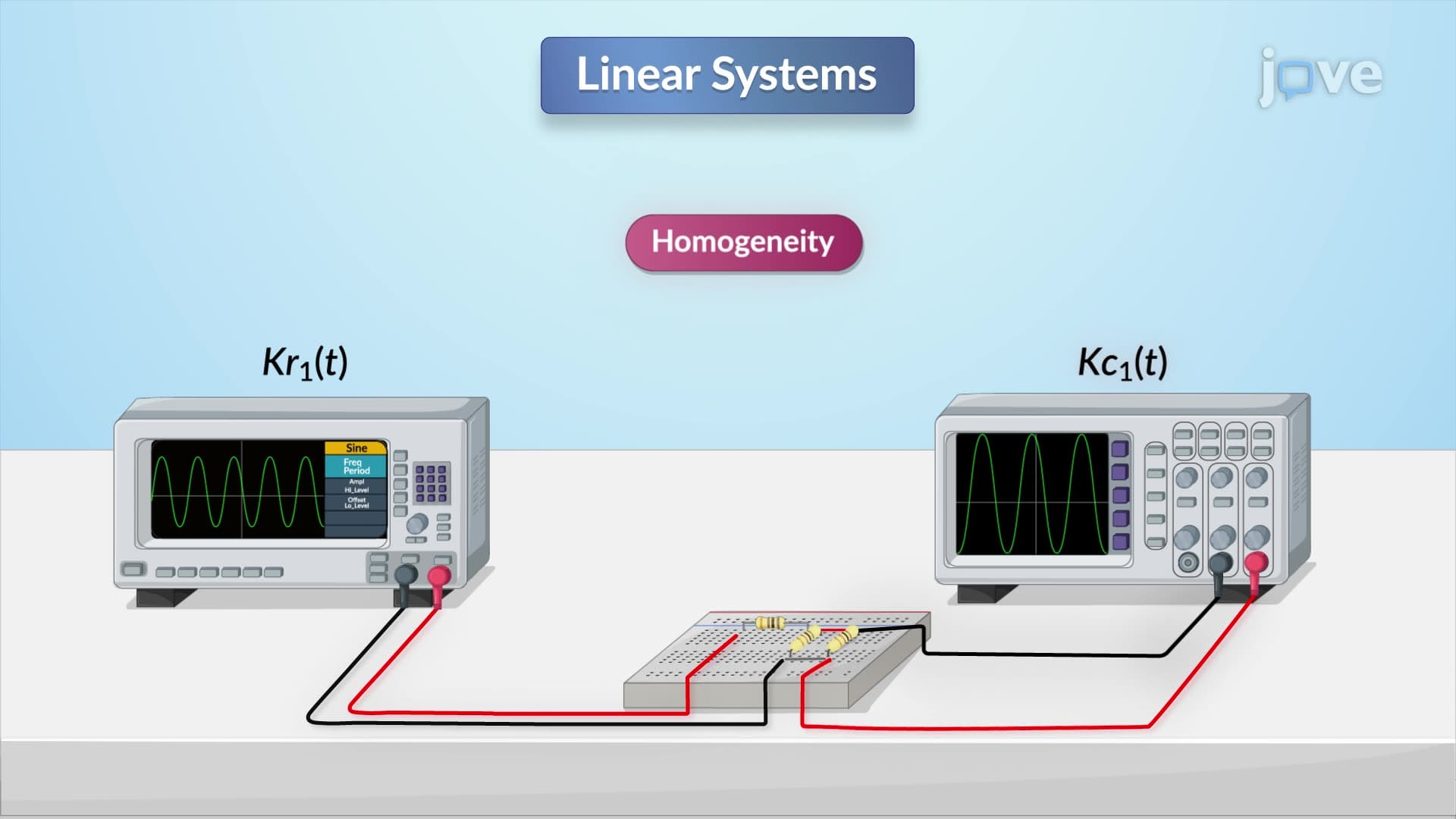
5. Linear Approximation in Frequency Domain
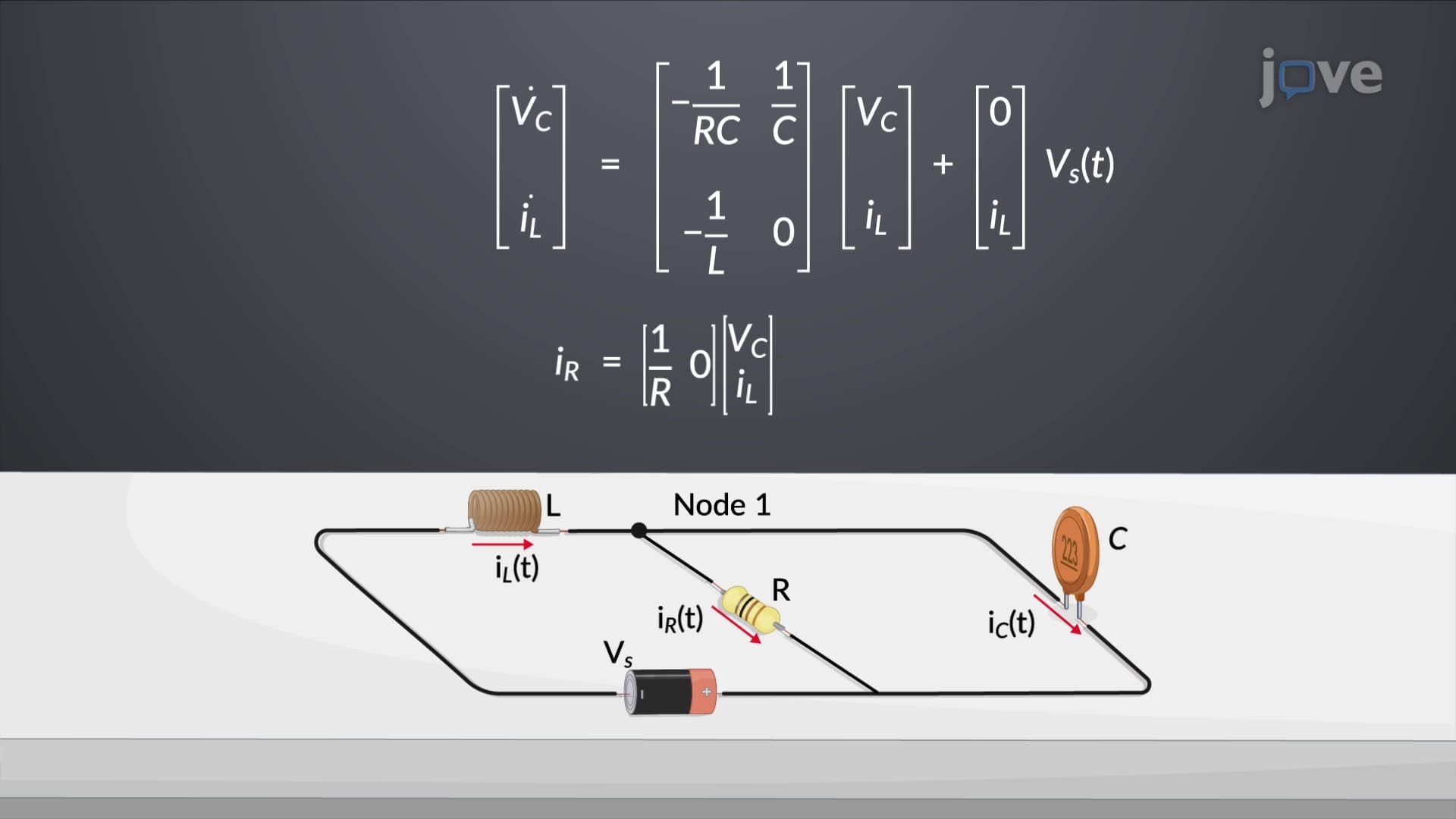
6. State Space Representation
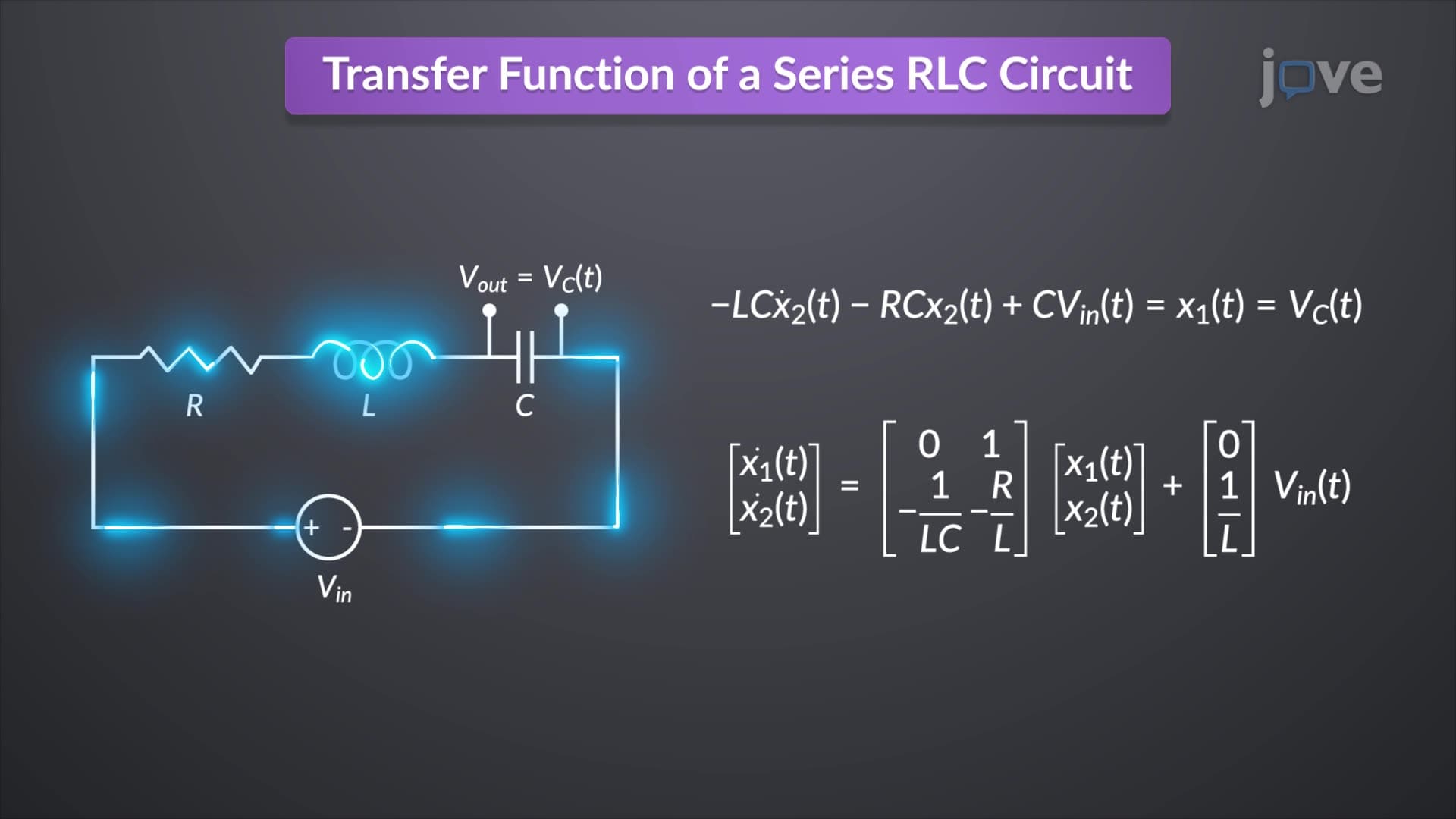
7. Transfer Function to State Space
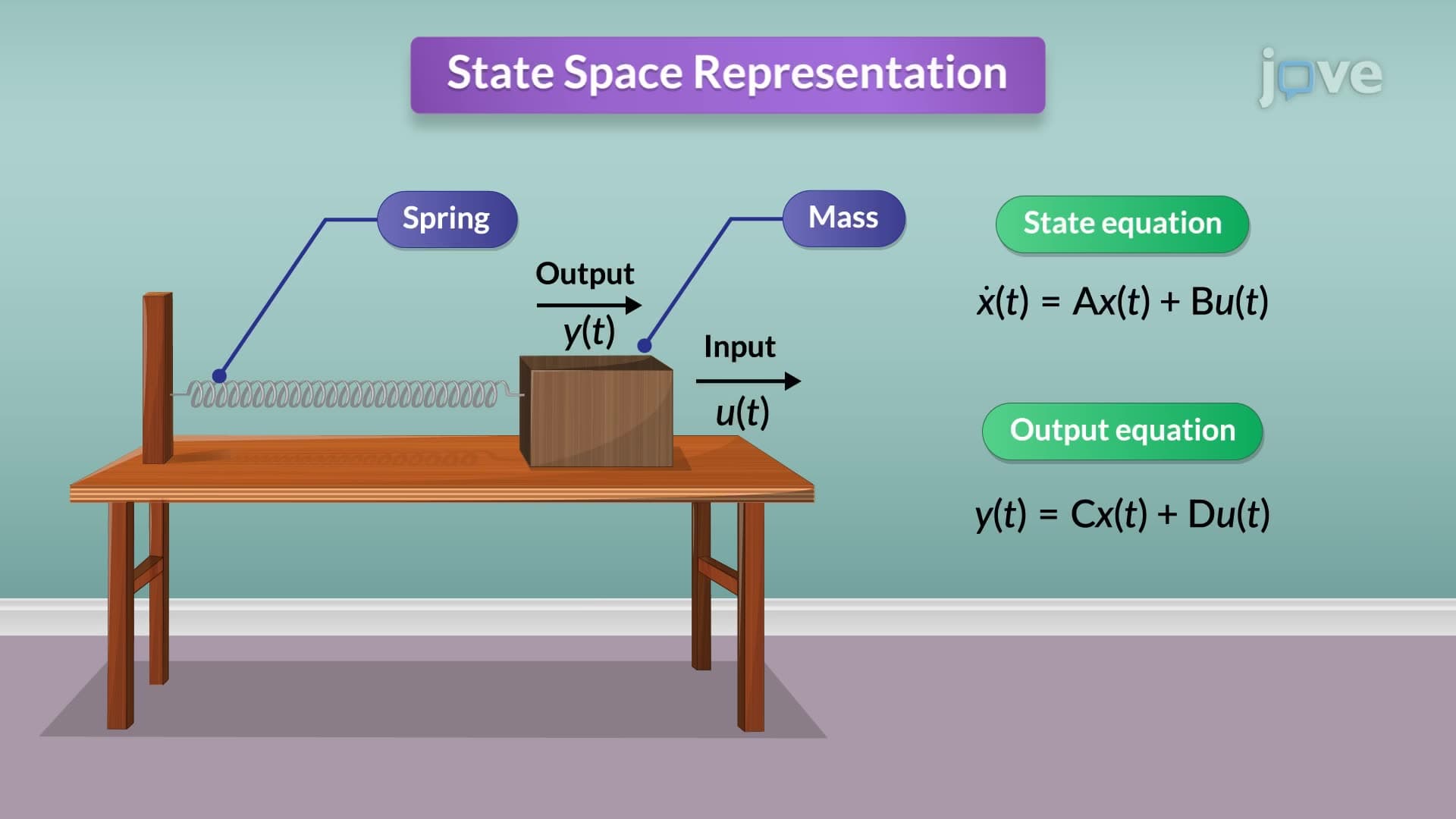
8. State Space to Transfer Function
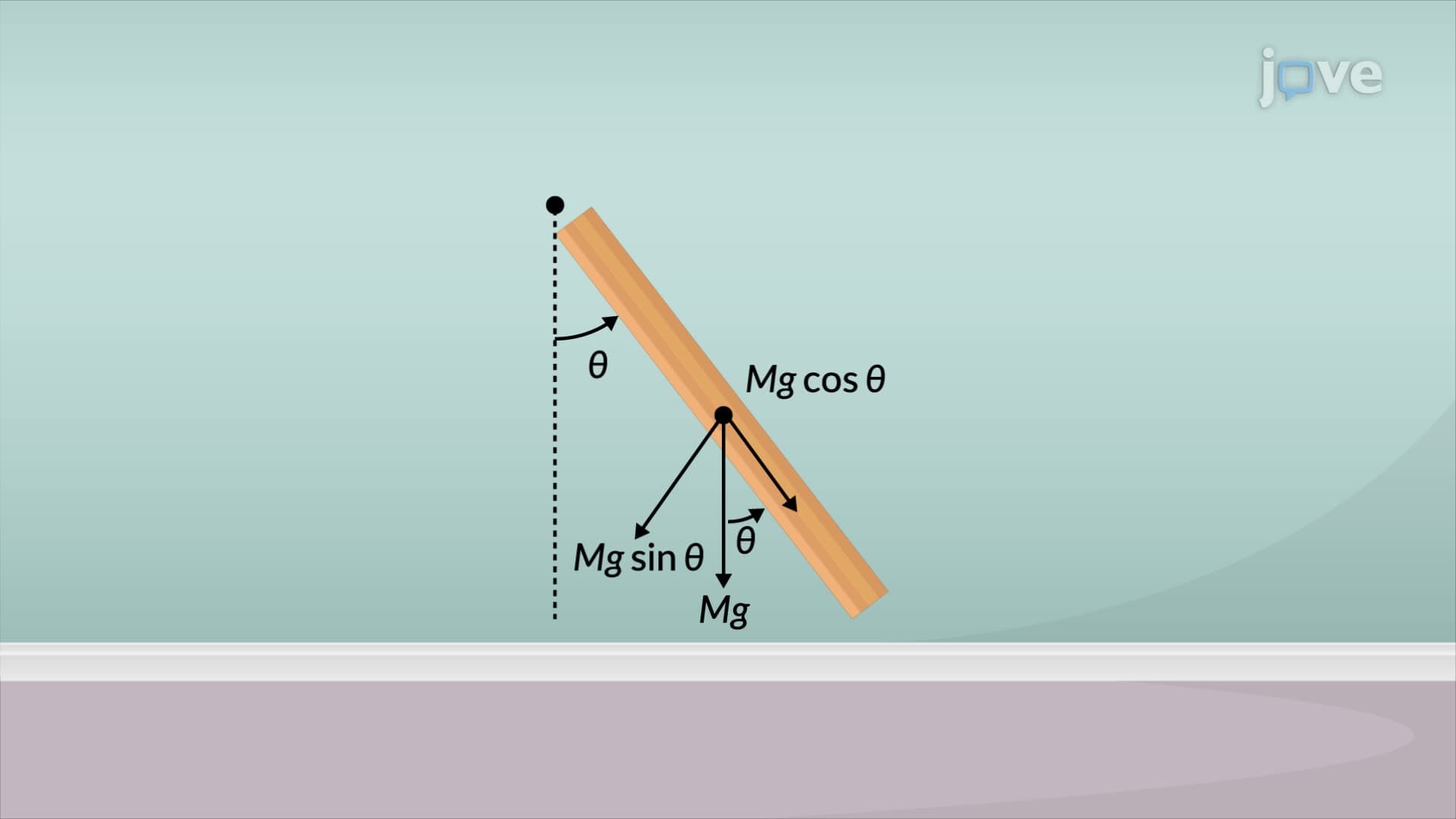
9. Linear Approximation in Time Domain
Modeling in time and frequency domain provides essential mathematical frameworks for analyzing dynamic systems across electrical, mechanical, and electromechanical applications. Students explore transfer functions, state space representations, and linearization techniques used in aerospace engineering at Boeing, automotive control systems at Ford, and biomedical devices throughout US hospitals. JoVE Coach guides learners through systematic approaches to transform complex differential equations into manageable mathematical models for system analysis.
- Understand transfer function concepts and their derivation from differential equations using Laplace transforms
- Learn state space representation methods for modeling complex multi-input, multi-output systems
- Identify key differences between time domain and frequency domain modeling approaches
- Explore electrical circuit analysis using RLC networks and impedance calculations
- Analyze mechanical systems including translational and rotational components with springs, masses, and dampers
- Apply linearization techniques to nonlinear systems around equilibrium operating points
- Understand electromechanical system modeling through DC motor analysis
- Learn conversion methods between transfer functions and state space representations
1. Transfer Function Fundamentals and Mathematical Derivation: Transfer functions represent the mathematical relationship between system inputs and outputs in the frequency domain using Laplace transforms. Starting with nth-order linear differential equations, students learn to apply zero initial conditions and algebraic manipulation to create transfer function expressions. The denominator directly relates to the characteristic polynomial, providing insight into system stability and response characteristics. Real-world applications include analyzing amplifier circuits in audio equipment manufactured by companies like Bose, or examining suspension systems in vehicles produced by General Motors for improved ride quality.
2. Electrical Network Analysis Using RLC Circuits: Electrical systems modeling focuses on resistors, capacitors, and inductors as fundamental building blocks. Students apply Kirchhoff's voltage and current laws to derive transfer functions relating input voltages to output responses across circuit elements. Impedance concepts extend resistance principles to reactive components, enabling frequency-dependent analysis. Practical examples include power supply circuits in smartphones designed by Apple, or filtering networks in radio transmitters used by broadcast stations across the United States, demonstrating how theoretical concepts directly impact consumer electronics and communication systems.
3. Mechanical System Modeling with Springs, Masses, and Dampers: Mechanical systems utilize springs for energy storage, masses for inertia, and dampers for energy dissipation, analogous to electrical components. Newton's laws provide the foundation for developing differential equations that describe translational and rotational motion. Students learn to identify state variables and apply force balance principles to create mathematical models. Applications span automotive shock absorber design at companies like Monroe, seismic isolation systems protecting buildings in earthquake-prone California regions, and precision positioning systems used in manufacturing equipment throughout US industrial facilities.
4. Electromechanical Systems and DC Motor Analysis: Electromechanical systems combine electrical and mechanical components, with DC motors serving as prime examples of energy conversion between domains. Students examine armature circuits, back EMF effects, and torque generation mechanisms to develop comprehensive system models. The integration of electrical voltage inputs with mechanical angular displacement outputs demonstrates interdisciplinary engineering principles. Real applications include servo motors in robotic surgical systems used in hospitals nationwide, actuators in aerospace applications at NASA facilities, and precision drive systems in manufacturing equipment produced by companies like Rockwell Automation.
5. Linearization Techniques for Nonlinear Systems: Many real-world systems exhibit nonlinear behavior that requires linearization around operating points for analysis using linear system tools. Taylor series expansion provides the mathematical foundation for approximating nonlinear functions with linear equivalents for small signal analysis. Students learn to identify equilibrium points and apply perturbation methods to develop linearized models suitable for control system design. Examples include aircraft flight control systems developed by Boeing for stable operation around cruise conditions, or temperature control systems in semiconductor fabrication facilities where precise linear operation ensures product quality and manufacturing consistency.
6. State Space Representation and Vector-Matrix Formulation: State space methods provide powerful tools for analyzing multiple-input, multiple-output systems and nonlinear dynamics using first-order differential equation sets. Students learn to select appropriate state variables, typically energy storage element quantities, and formulate state equations in standard vector-matrix form. This approach enables computer simulation and modern control techniques essential for complex system analysis. Applications include satellite attitude control systems managed by NASA mission control, multi-variable process control in chemical plants operated by companies like DuPont, and coordinated control of power grid systems managed by regional transmission organizations across the United States.
7. Conversion Between Transfer Functions and State Space Models: System analysis often requires transformation between different mathematical representations to leverage specific analytical advantages. Students master techniques for converting transfer functions to state space form using phase variable methods, and reverse transformations using matrix algebra and Laplace domain manipulation. These skills enable engineers to select optimal modeling approaches for specific applications. Examples include flight simulation software development at companies like Boeing for pilot training programs, control system design for autonomous vehicles being developed by companies like Tesla, and process optimization in manufacturing systems throughout US industrial facilities requiring flexible mathematical modeling approaches.
Frequently Asked Questions
Time domain modeling uses differential equations to describe how systems respond over time, while frequency domain modeling uses transfer functions with Laplace transforms to analyze system behavior in terms of frequency response. Time domain is better for transient analysis and nonlinear systems, while frequency domain excels at stability analysis and linear system design.
State space methods reinforce fundamental physics concepts like energy conservation and Newton's laws while introducing matrix mathematics that appears on advanced placement exams. Students gain deeper understanding of mechanical and electrical systems, improving problem-solving skills for complex multi-part questions typical of AP Physics C mechanics and electricity/magnetism sections.
For SAT Subject Tests, emphasize transfer function concepts and basic differential equation solutions, as these align with standard high school mathematics curricula. State space methods, while powerful, typically exceed SAT Subject Test scope but provide excellent preparation for engineering coursework at competitive universities.
Different modeling techniques suit different engineering applications - transfer functions work well for control system design and signal processing, while state space methods handle multi-variable systems and computer simulation effectively. Top engineering programs require students to master both approaches for comprehensive system analysis capabilities essential in modern engineering practice.
Engineering internships at companies like Boeing, General Electric, or Tesla frequently involve system modeling tasks using both approaches. Transfer functions appear in filter design and control system analysis, while state space methods are essential for simulation software and multi-variable control applications. Understanding both techniques significantly improves internship performance and career prospects.
Linearization requires strong calculus skills, particularly Taylor series expansion and partial derivatives, combined with physical intuition about system operating points. Students often struggle with identifying appropriate equilibrium conditions and determining when linear approximations remain valid, requiring extensive practice with diverse engineering examples.
Begin with transfer function basics using simple RLC circuits, then progress to mechanical systems before tackling electromechanical examples. Practice conversion between transfer functions and state space representations regularly, and focus on linearization techniques last since they build upon all previous concepts. Work through problems systematically, emphasizing physical understanding alongside mathematical manipulation.
Advanced control systems theory, digital signal processing, and modern control techniques like optimal control and robust control all rely heavily on these foundational modeling approaches. Students planning graduate studies in engineering will encounter these concepts extensively in courses on adaptive control, nonlinear systems, and multi-variable control system design.
This microcourse includes 9 concept videos that walk you through the building blocks of Electrical Engineering. Each video is short, about 1 minute, so you can cover a full topic during a coffee break or between classes. The full sequence starts with Transfer Function in Control Systems and ends with Linear Approximation in Time Domain.
The playlist moves from big-picture ideas to the precise vocabulary used in Electrical Engineering. Early videos introduce Transfer Function in Control Systems, Electrical Systems, and Mechanical Systems. The middle of the series focuses on Linear Approximation in Frequency Domain, State Space Representation, and Transfer Function to State Space. The final stretch covers State Space to Transfer Function and Linear Approximation in Time Domain.
The natural next step is Diagrams and Signal Flow Graphs. From there, you can move to Transient and Steady-state Response Analysis, Root-Locus Method, and Design of Control Systems. Once you finish those, the full Electrical Engineering curriculum of 33 microcourses on JoVE Coach opens up, taking you from foundational concepts to advanced systems.
Related Subjects
 Civil Engineering 30 micro-courses›Mechanical Engineering 28 micro-courses›