Loading…
Loading video…

4,982 views
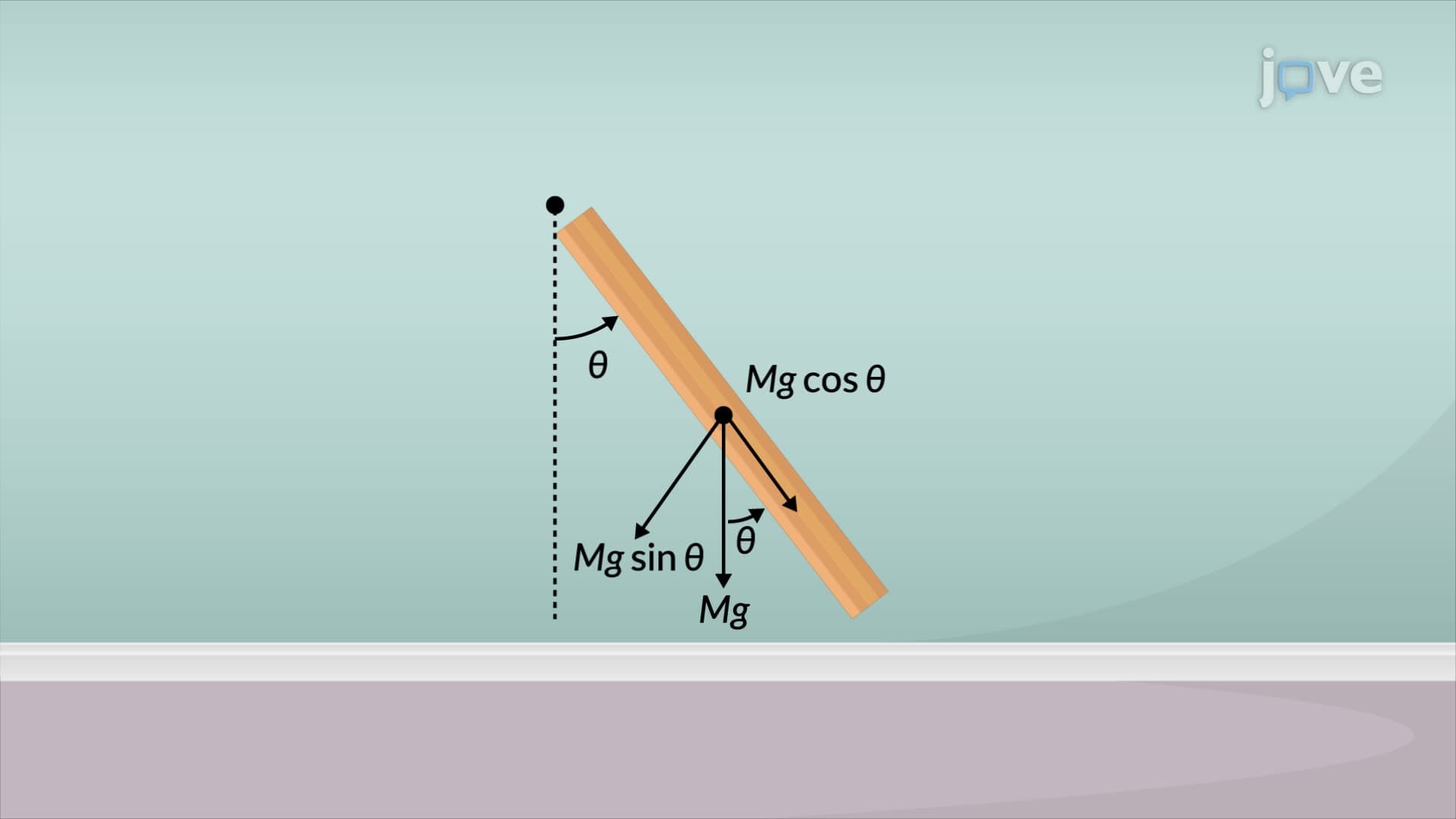
Ever wonder how NASA engineers design control systems for spacecraft that must maintain precise positioning despite complex nonlinear forces? The secret lies in elements of block diagrams and time-domain linear approximation techniques, which transform chaotic nonlinear systems into manageable linear models. By applying Taylor series expansions around equilibrium points, engineers at companies like Boeing convert pendulum dynamics and spring systems into state-space representations that can be analyzed using standard linear control theory. Watch the full video on JoVE Coach to master this concept with expert-led visuals and step-by-step explanations.
Time-domain linear approximation techniques serve as the bridge between complex nonlinear reality and tractable linear analysis. These methods allow engineers to study intricate systems—from automotive suspension designs to robotic arm controllers—by creating simplified yet accurate models around specific operating points.
The mathematical foundation rests on Taylor series expansion around equilibrium points. Consider a nonlinear function f(x) near an equilibrium point x₀. The linearized approximation becomes: f(x) ≈ f(x₀) + df/dx|x₀ · (x - x₀). This technique proves invaluable in AP Physics C courses and undergraduate control systems classes, where students encounter pendulum problems that would otherwise require advanced numerical methods.
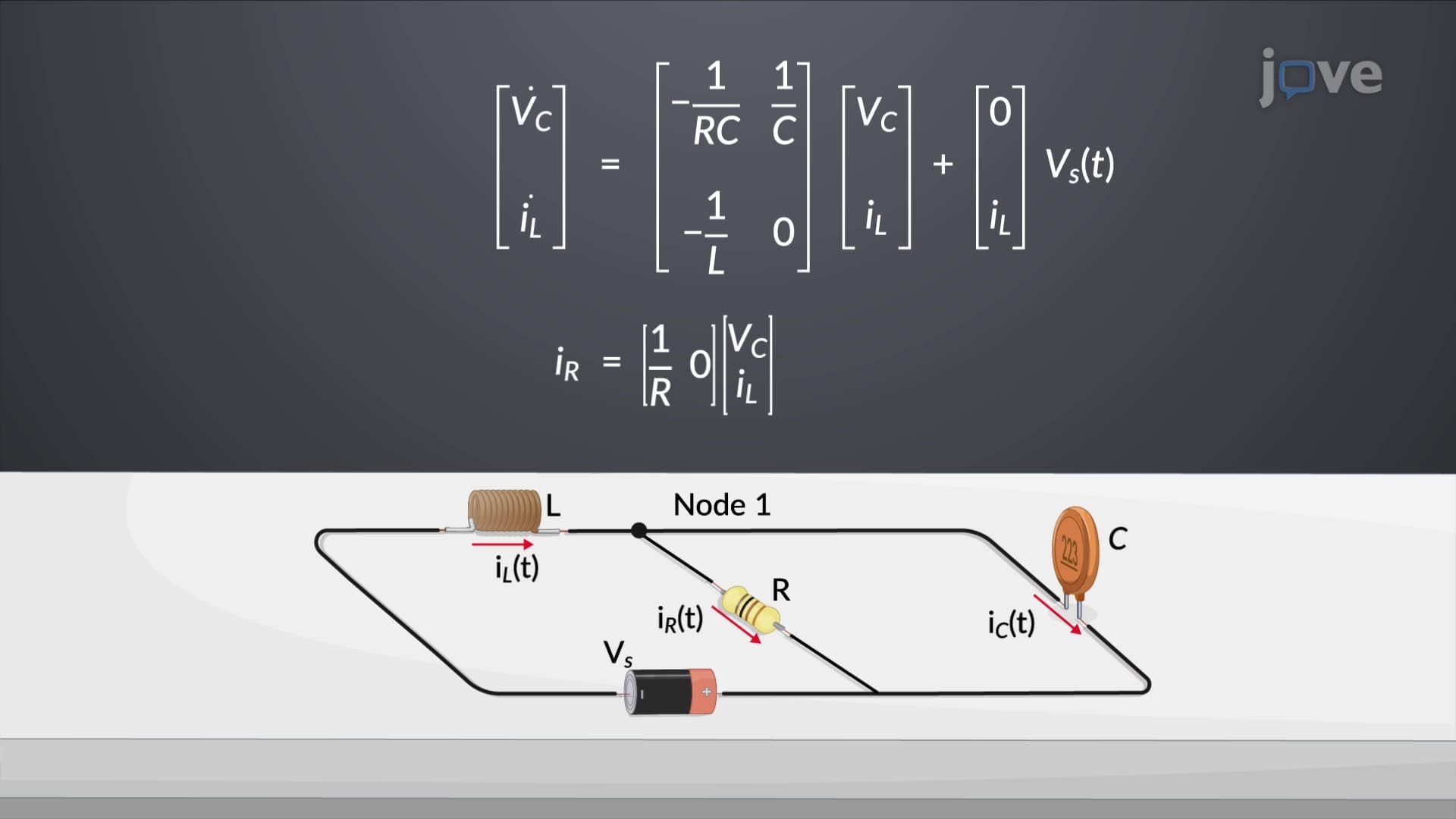
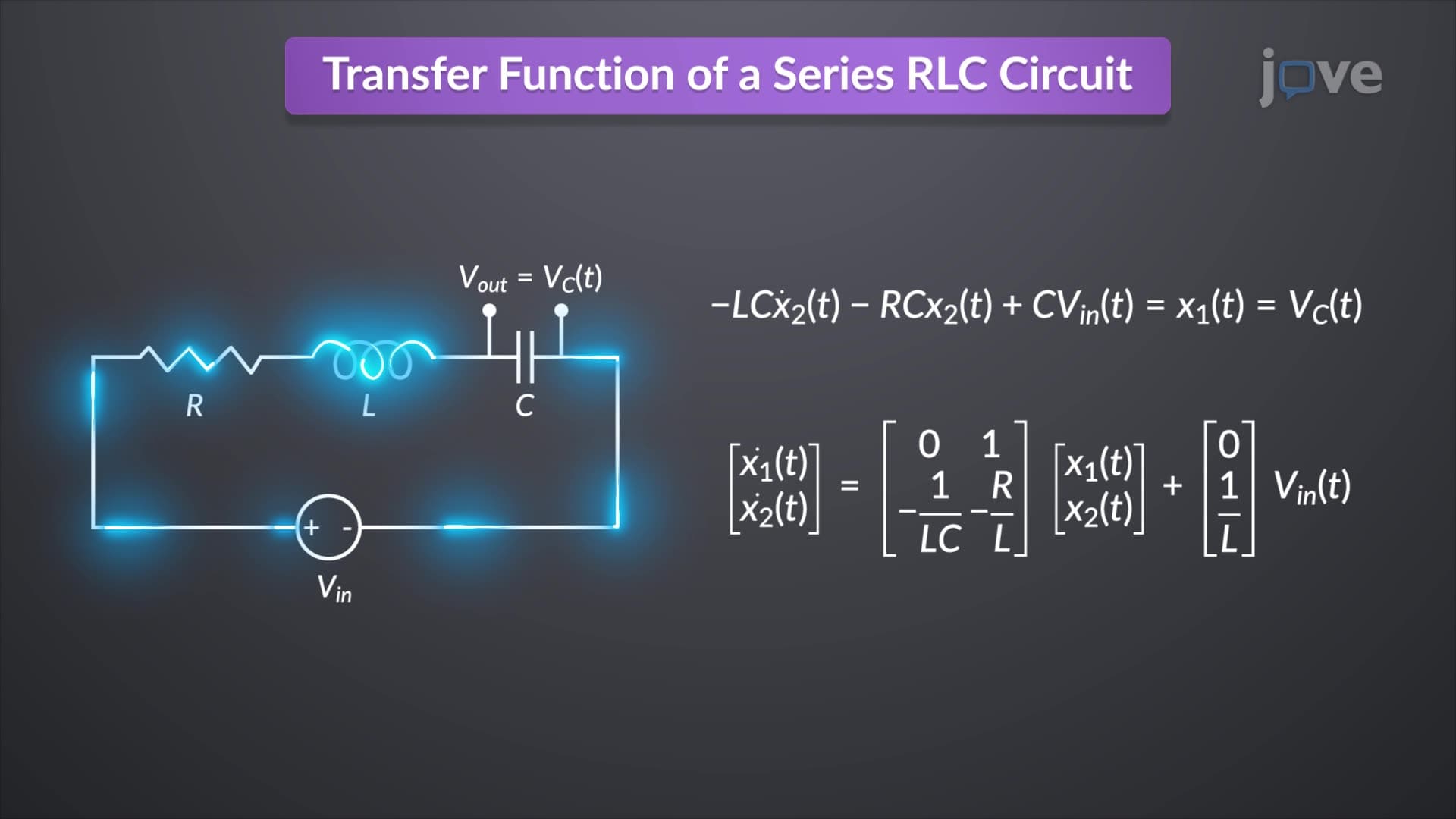
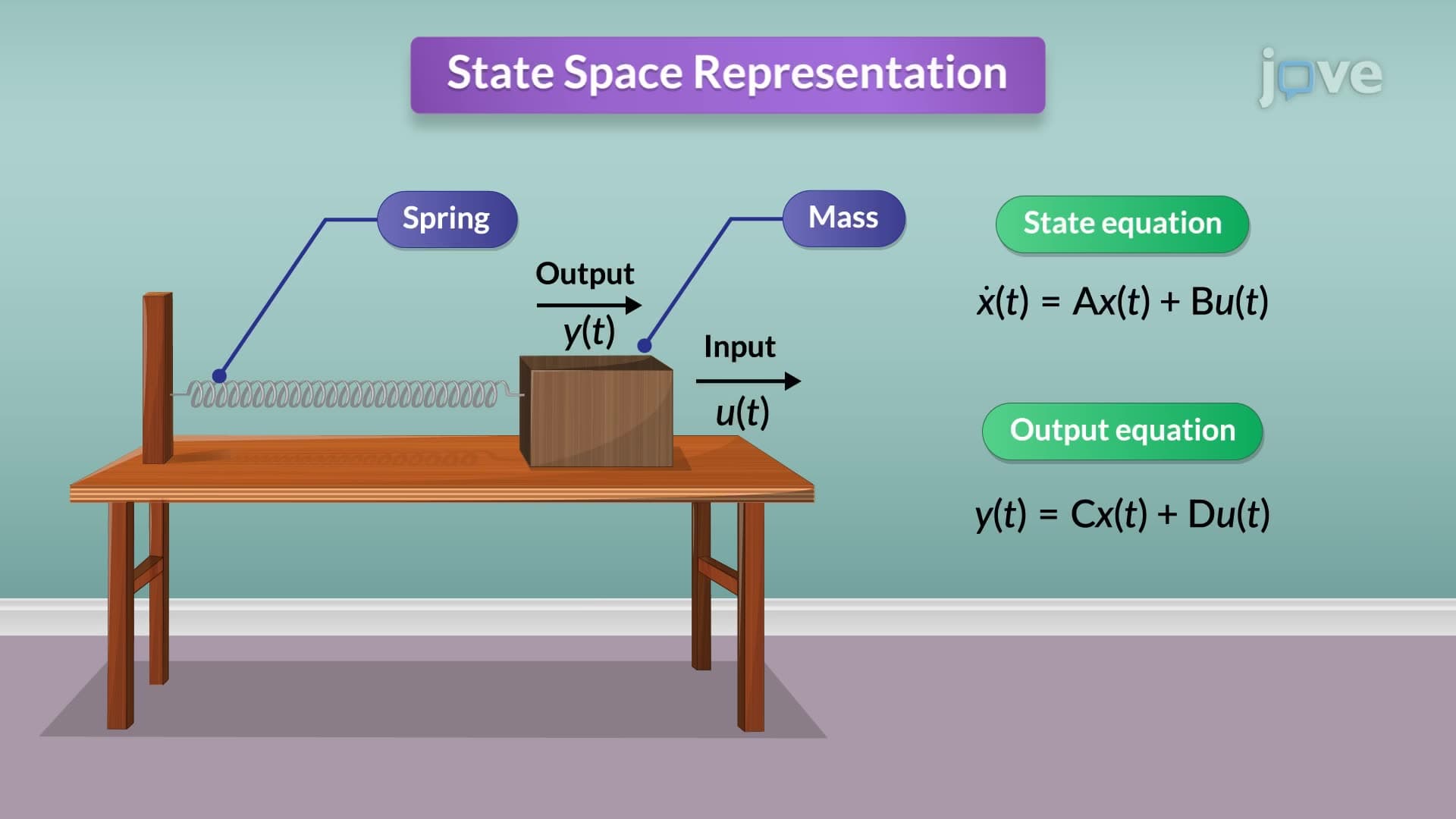
State-space modeling organizes system dynamics into first-order differential equations using state variables. For a simple pendulum, engineers select angular position θ and angular velocity ω as state variables, creating a systematic representation: dx/dt = Ax + Bu, where x represents the state vector. This approach appears frequently in MCAT physics sections and college-level differential equations courses.
Real-world applications span from Tesla's automotive control systems to SpaceX's rocket guidance algorithms. When designing active suspension systems, Ford engineers linearize the nonlinear spring-damper characteristics around nominal operating conditions. Similarly, Boston Dynamics applies these techniques when programming their robotic systems to maintain balance—each joint's complex dynamics gets linearized around desired positions.
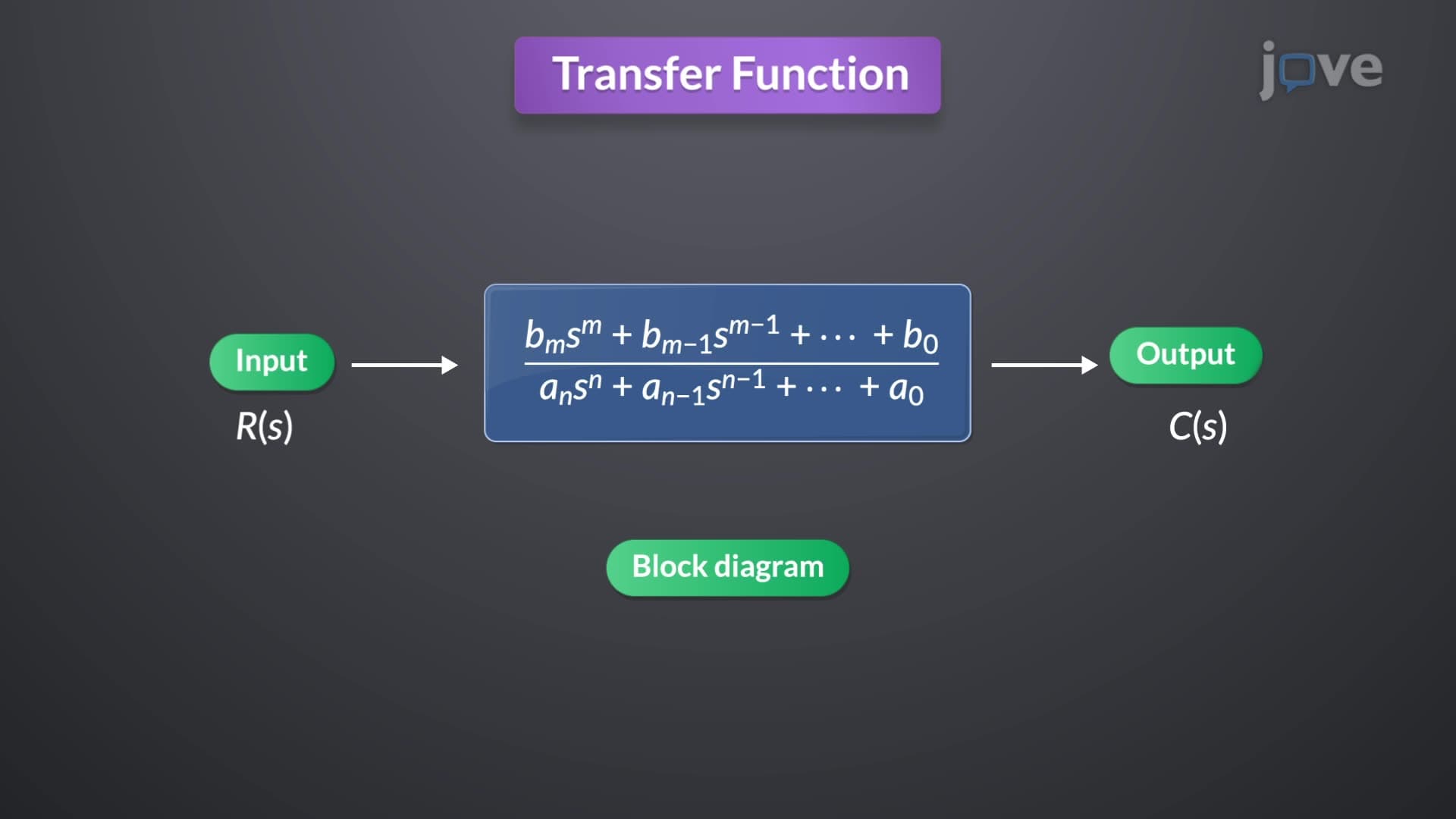
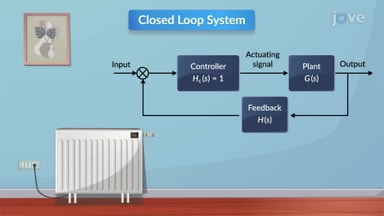
The elements of block diagrams become crucial here, as linearized systems can be represented graphically using transfer functions, summing junctions, and feedback loops. This visual representation helps students in college control systems courses understand signal flow and system interconnections.
Linearized models remain valid only within small perturbations from equilibrium. Engineers at NASA's Jet Propulsion Laboratory must carefully consider these limitations when designing spacecraft attitude control systems, ensuring the linear approximation captures essential dynamics while remaining computationally efficient for real-time implementation.
Frequently Asked Questions
Time-domain linear approximation techniques are mathematical methods that convert complex nonlinear systems into simpler linear models by using Taylor series expansion around equilibrium points. They're essential because linear systems are much easier to analyze, design controllers for, and predict behavior, making them invaluable for everything from automotive engineering to aerospace applications.
These techniques frequently appear in AP Physics C mechanics problems involving pendulums and oscillating systems. Students must demonstrate linearization of sin(θ) ≈ θ for small angles and apply this to derive simple harmonic motion equations. The College Board often tests this concept through free-response questions requiring both mathematical derivation and physical interpretation.
Master the Taylor series expansion process, particularly identifying equilibrium points and determining when approximations remain valid. Practice converting nonlinear differential equations to state-space form and understand how small perturbations justify linear analysis. Focus on pendulum and mass-spring-damper examples, as these appear frequently on exams.
Tesla engineers apply linearization when designing autopilot systems and battery management controls. For instance, they linearize the nonlinear tire-road friction characteristics around normal driving conditions to develop stability control algorithms. This allows real-time computation while maintaining vehicle safety and performance.
You need solid understanding of derivatives and basic Taylor series concepts, typically covered in Calculus I and II. Most high school AP Calculus BC students have sufficient mathematical foundation. The key is practicing the systematic approach rather than memorizing complex formulas.
Focus on understanding the physical meaning behind mathematical steps rather than just memorizing procedures. Practice identifying when systems can be linearized (small oscillations, near equilibrium) and recognize common approximations like sin(θ) ≈ θ. Time management is crucial—know standard linearization patterns to solve problems quickly.
Advance to frequency-domain analysis using Laplace transforms and transfer functions. Study stability analysis through root locus and Bode plot methods. These topics build directly on linearization concepts and are essential for upper-level control systems and signal processing courses.
Once you linearize a system, you can represent it using transfer functions and block diagram elements like summing junctions, gain blocks, and feedback loops. This visual representation makes it easier to analyze system behavior, design controllers, and understand how different components interact within complex control architectures.
Related Micro-courses

Related Subjects
 Civil Engineering 30 micro-courses›Mechanical Engineering 28 micro-courses›