- Electrical Engineering
- Diodes
Micro-courses:33
Diodes
1. The Ideal Diode
2. Diode: Forward bias
3. Diode: Reverse bias
4. Zener Diodes
5. Modeling of Diode Forward Characteristics
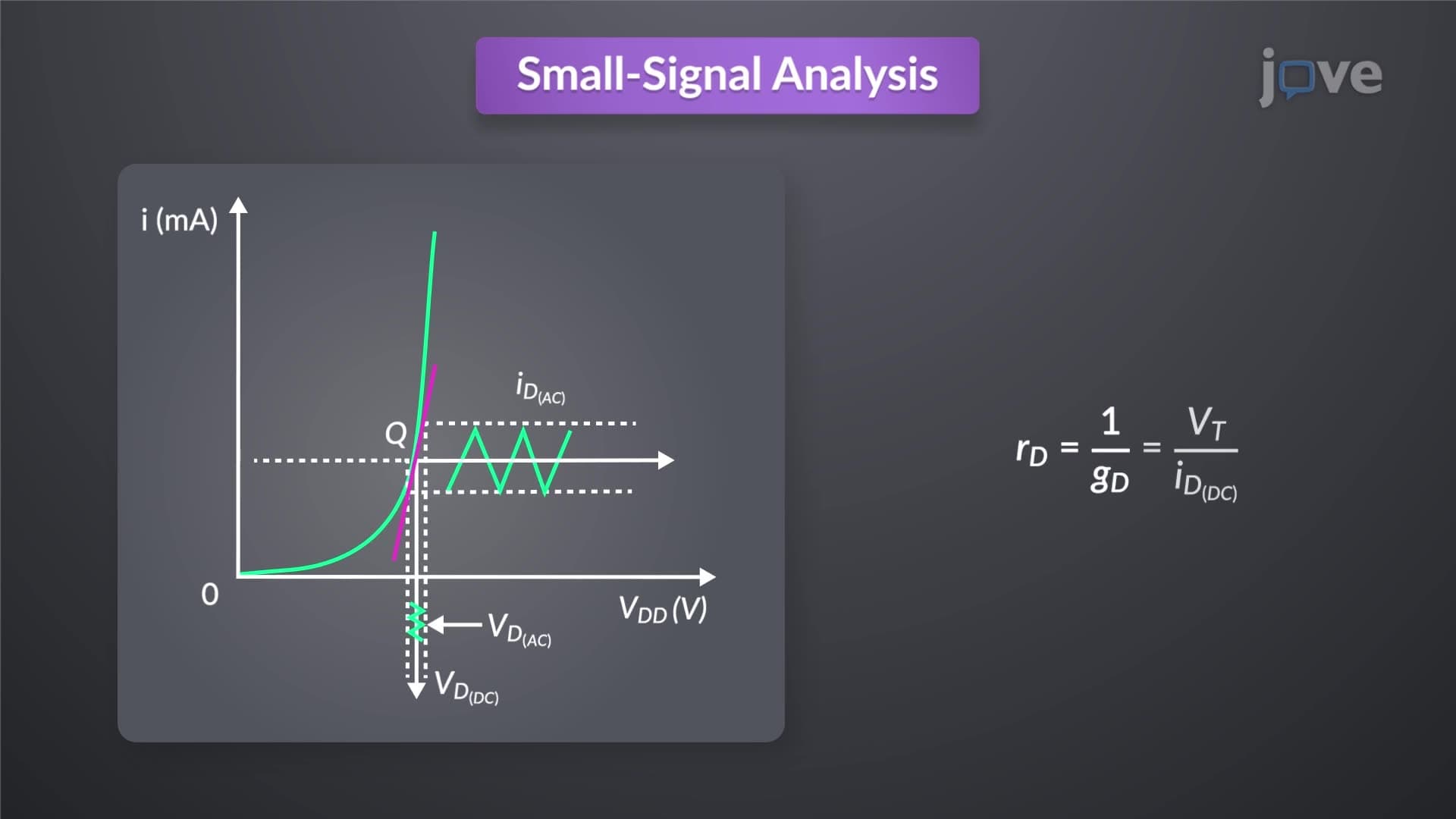
6. Small-signal Diode Model
7. Modeling of Diode Reverse Characteristics
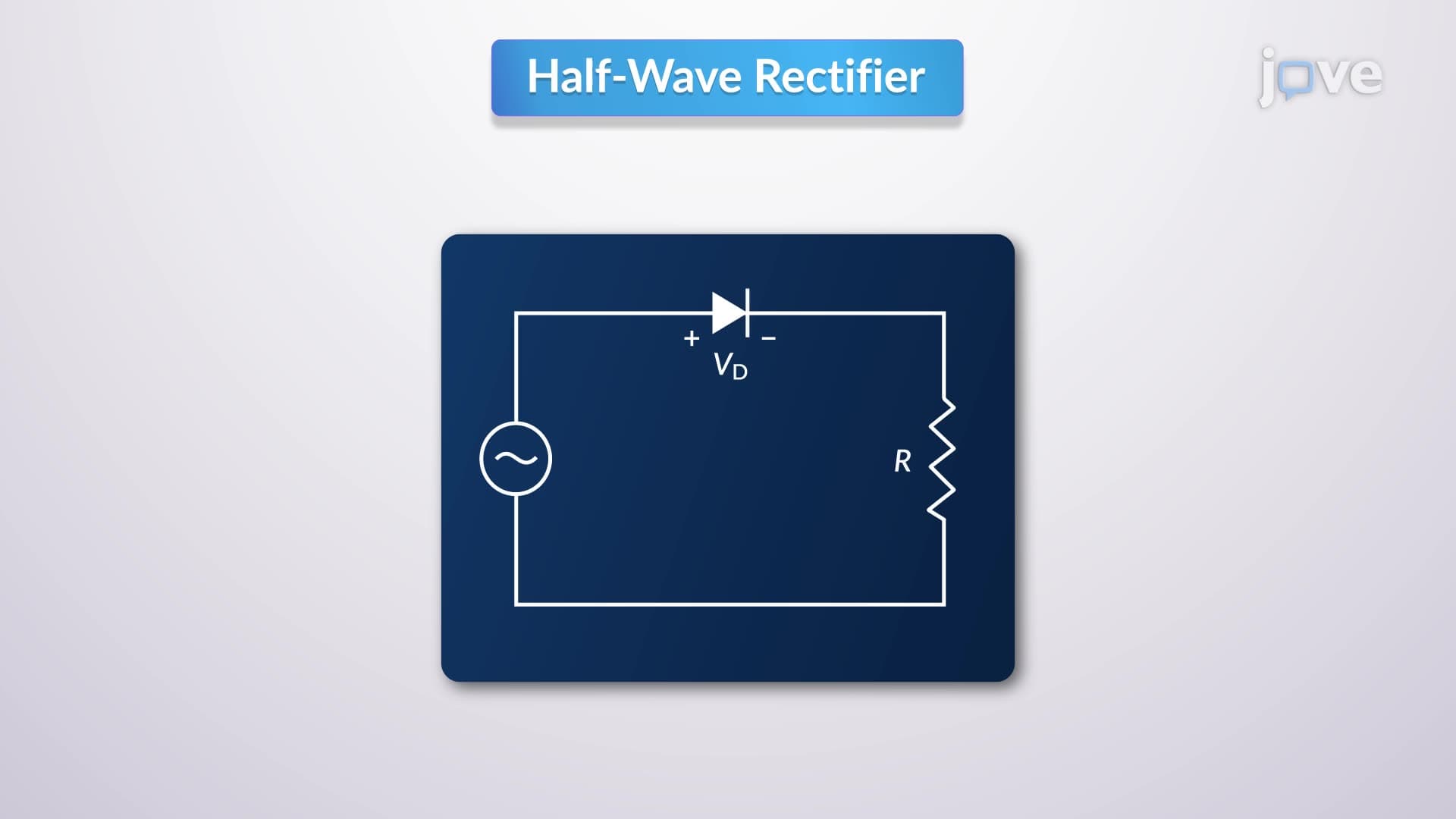
8. Half wave rectifier
9. Full wave rectifier
10. Bridge rectifier
11. Clipper Circuit
12. Clamper Circuit
13. Voltage Doubler Circuit
14. Schottky Barrier Diode
Diodes are fundamental semiconductor devices that control current flow in electronic circuits. From simple p-n junction structures to specialized Zener and Schottky variants, these components enable essential functions like rectification, voltage regulation, and signal processing. Understanding diode characteristics circuits and operation and applications of diodes is crucial for students pursuing electrical engineering careers in the US technology sector, where diodes power everything from smartphone chargers to industrial equipment. JoVE Coach makes these complex concepts accessible through practical circuit analysis.
- Understand the fundamental operation of ideal and practical diodes in forward and reverse bias conditions
- Analyze diode I-V characteristics and mathematical models for circuit design applications
- Explore rectifier circuits including half-wave, full-wave, and bridge configurations for AC-to-DC conversion
- Learn Zener diode operation and voltage regulation principles for power supply design
- Apply small-signal diode modeling techniques for high-frequency circuit analysis
- Identify clipper and clamper circuit configurations for waveform shaping applications
- Examine voltage doubler circuits and their role in power conversion systems
- Compare Schottky barrier diodes with traditional p-n junction devices for switching applications
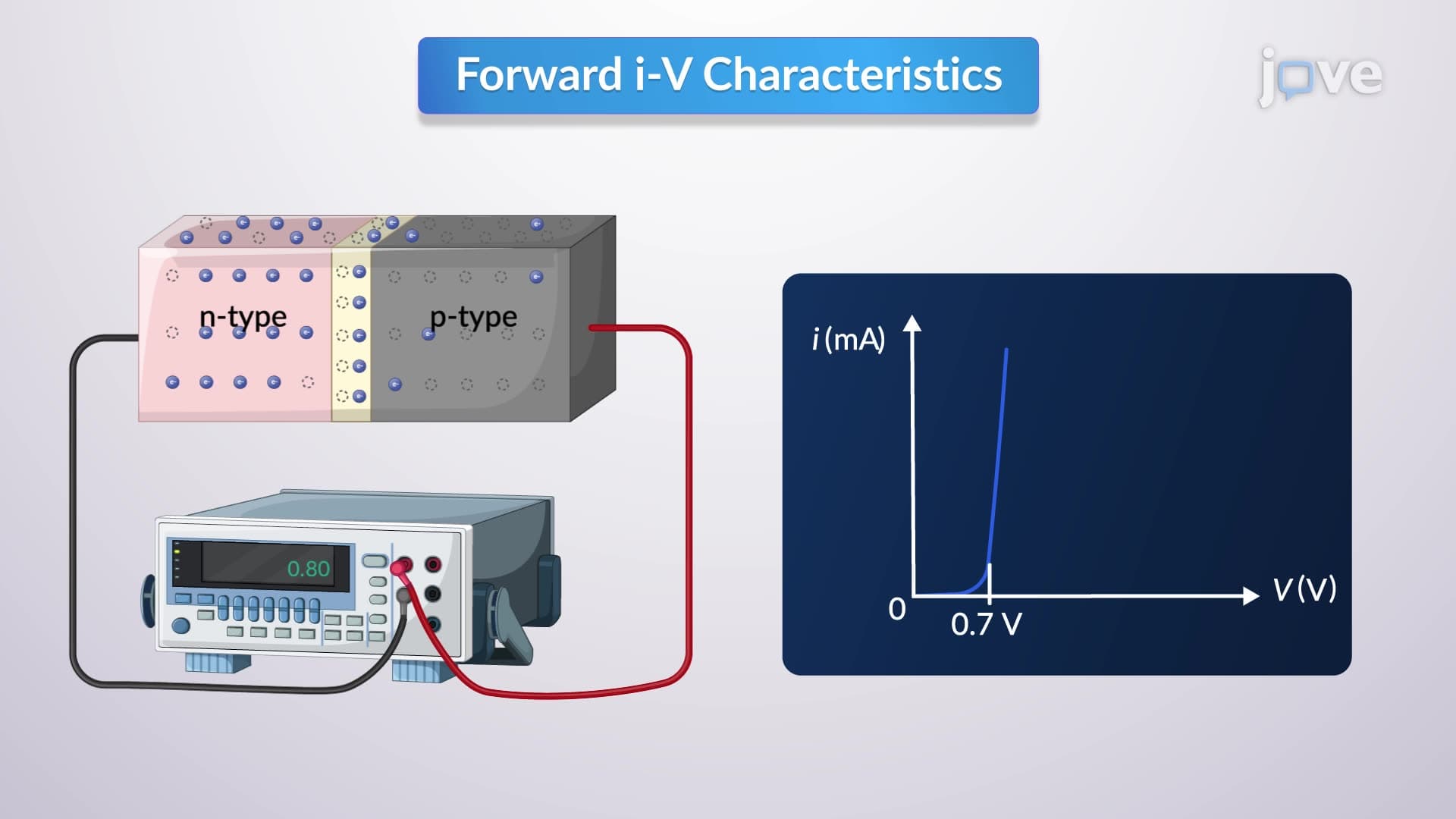
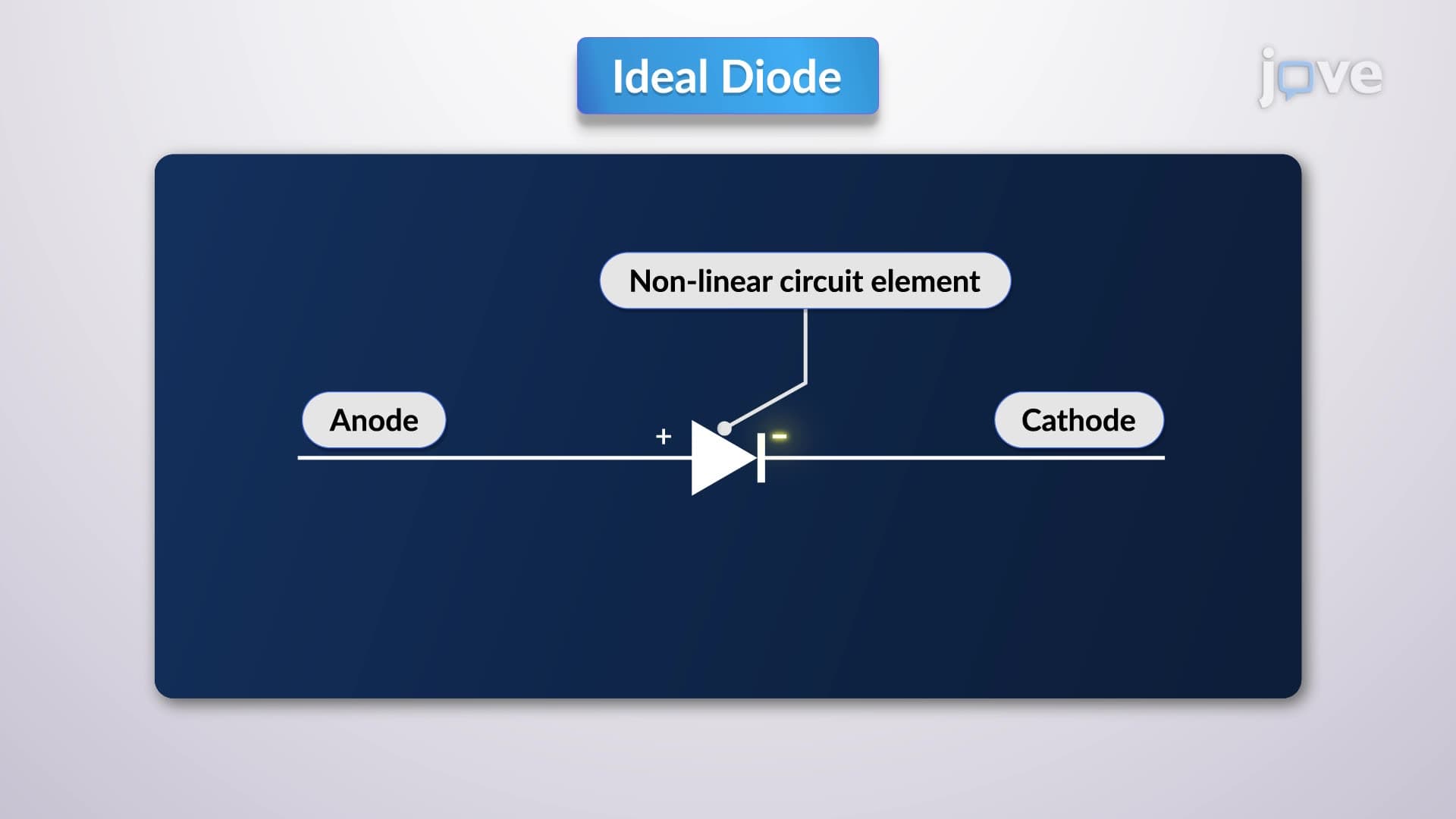
1. Ideal vs. Practical Diode Behavior and P-N Junction Physics Understanding how diodes function starts with the p-n junction, where p-type and n-type semiconductor materials meet. Ideal diodes act as perfect one-way valves—conducting with zero resistance in forward bias and blocking all current in reverse bias. However, practical diodes exhibit a forward voltage drop (typically 0.7V for silicon diodes) and small leakage currents in reverse bias. The diode curve shows this relationship graphically, with negligible current below the cut-in voltage, then exponential current increase. This behavior enables applications in US power grids, where diodes protect sensitive equipment from reverse voltage damage.
2. Forward and Reverse Bias Characteristics in Circuit Applications Forward bias occurs when the p-region connects to positive voltage and n-region to negative, allowing current flow once the barrier voltage is overcome. The current-voltage relationship follows an exponential law involving thermal voltage and saturation current. Reverse bias creates the opposite connection, blocking current until breakdown voltage is reached. These characteristics determine diode selection for US telecommunications infrastructure, where forward voltage drop affects power efficiency in cellular tower amplifiers, and reverse breakdown ratings protect against lightning-induced voltage spikes.
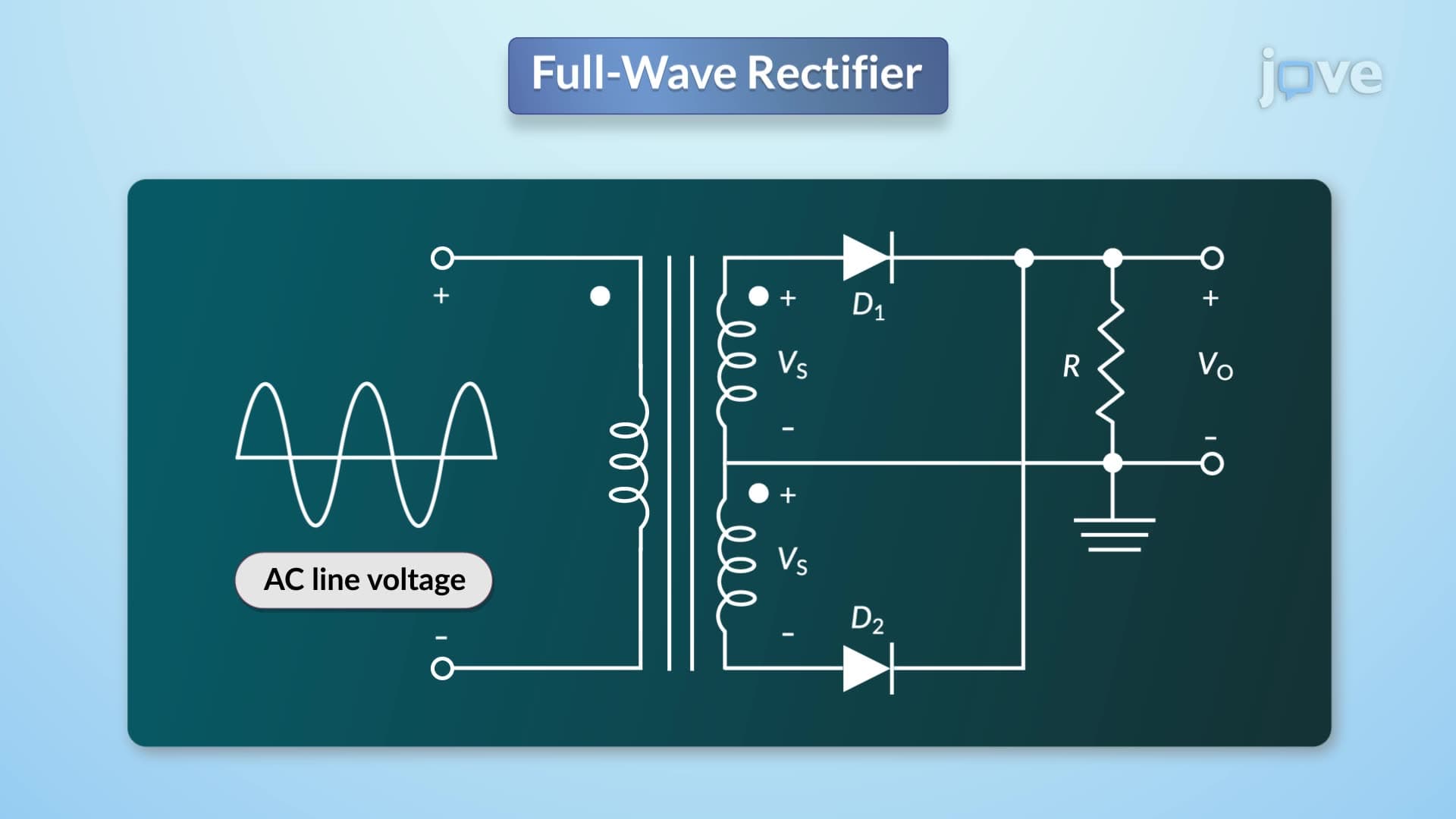
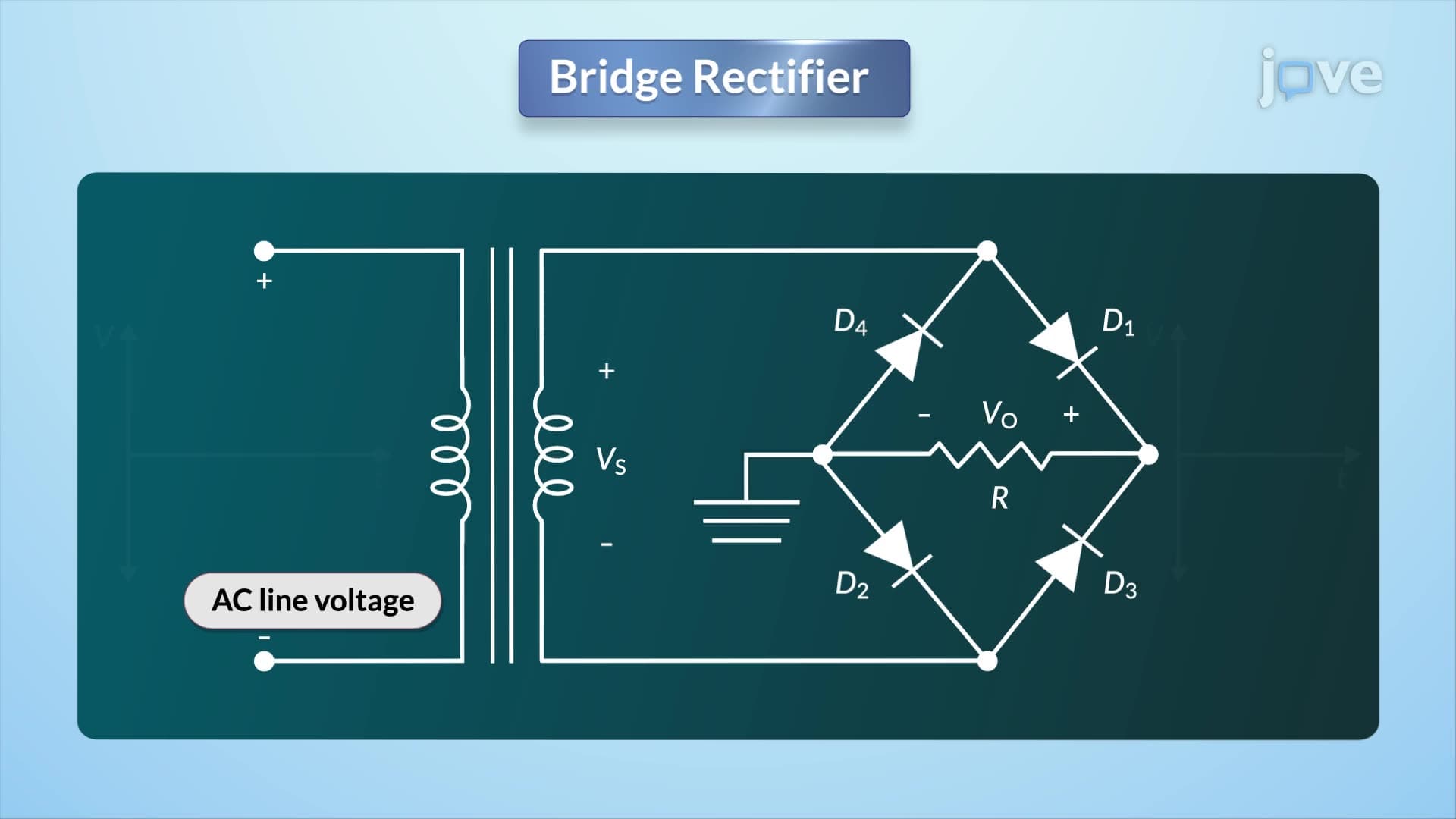
3. Rectifier Circuits for AC-to-DC Power Conversion Half-wave rectifiers use single diodes to convert AC to pulsating DC, conducting only during positive half-cycles while blocking negative portions. Full-wave rectifiers employ center-tapped transformers and two diodes for improved efficiency, rectifying both half-cycles. Bridge rectifiers use four diodes in a diamond configuration, eliminating transformer center-tap requirements. These circuits form the backbone of US consumer electronics—from laptop chargers converting 120V AC household power to low-voltage DC, to industrial motor drives in manufacturing facilities requiring precise DC control.
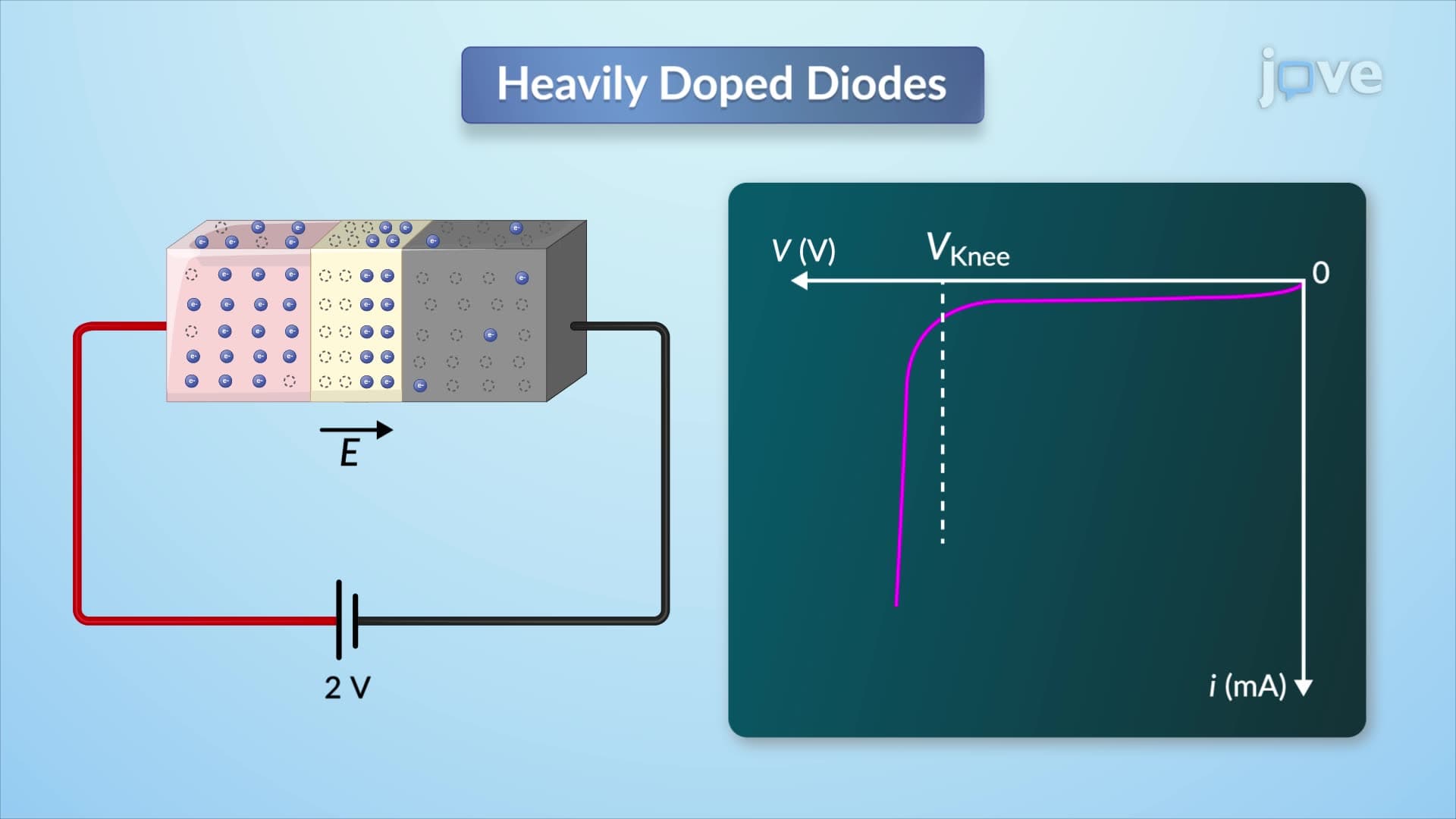
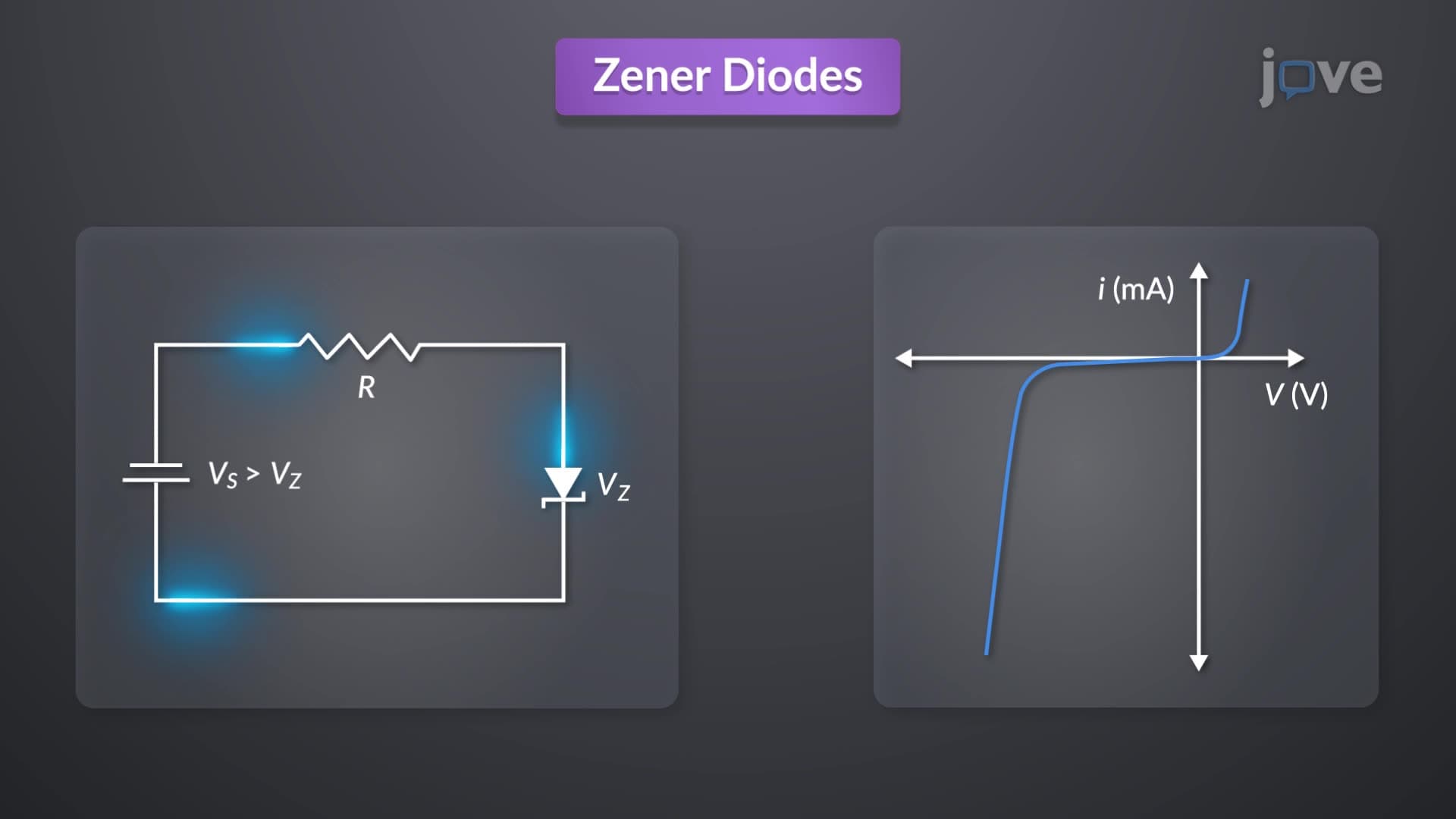
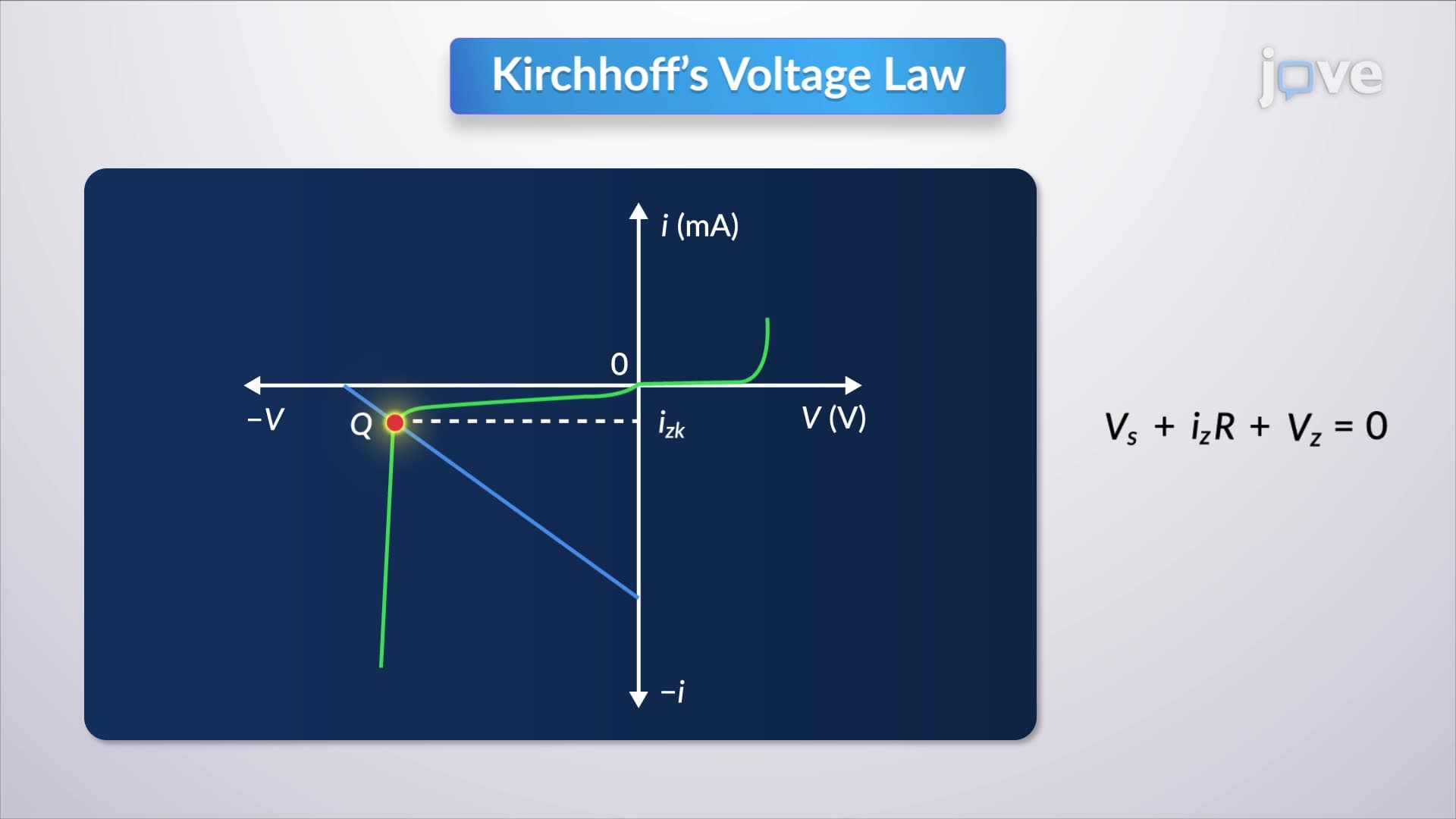
4. Zener Diodes and Voltage Regulation Principles Zener diodes operate in reverse breakdown mode to maintain constant voltage across varying current levels, making them ideal voltage regulators. Below the Zener voltage, they block current like regular diodes. Above this threshold, they conduct while maintaining nearly constant voltage drop. The sharp knee in the I-V curve indicates the transition to regulation mode. US automotive electronics rely heavily on Zener regulation—protecting 12V car computer systems from alternator voltage fluctuations, and maintaining stable reference voltages in engine control modules despite temperature variations.
5. Small-Signal Modeling and High-Frequency Analysis Small-signal diode models simplify analysis when AC signals are superimposed on DC bias currents. The incremental resistance equals thermal voltage divided by bias current, allowing linear analysis of nonlinear diode circuits. This technique proves essential for RF applications common in US wireless communications, where diodes in cell phone receivers must handle both strong DC bias currents and weak AC signals simultaneously. The small-signal conductance determines how effectively the diode can demodulate high-frequency signals in radio receivers and radar systems.
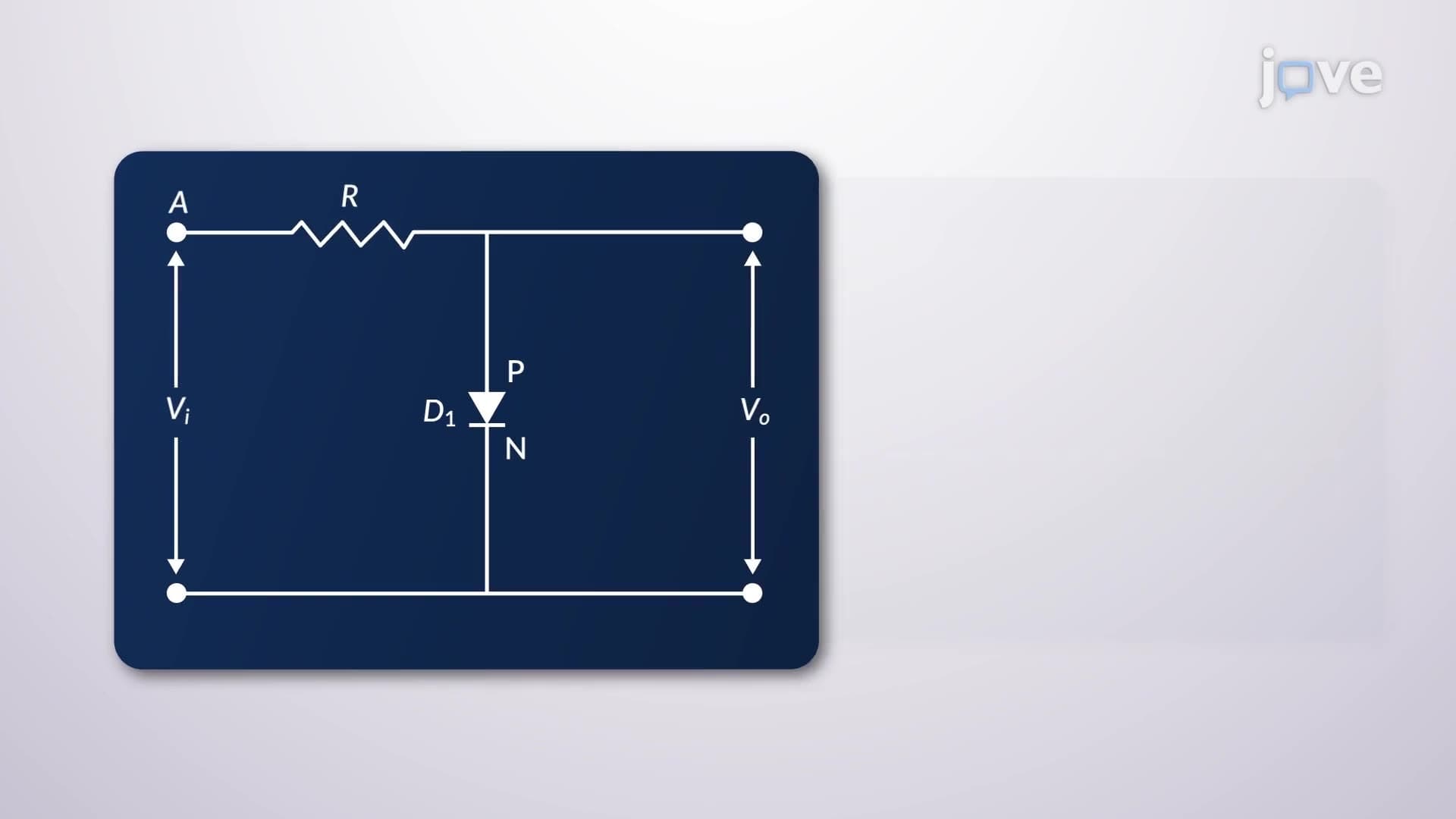
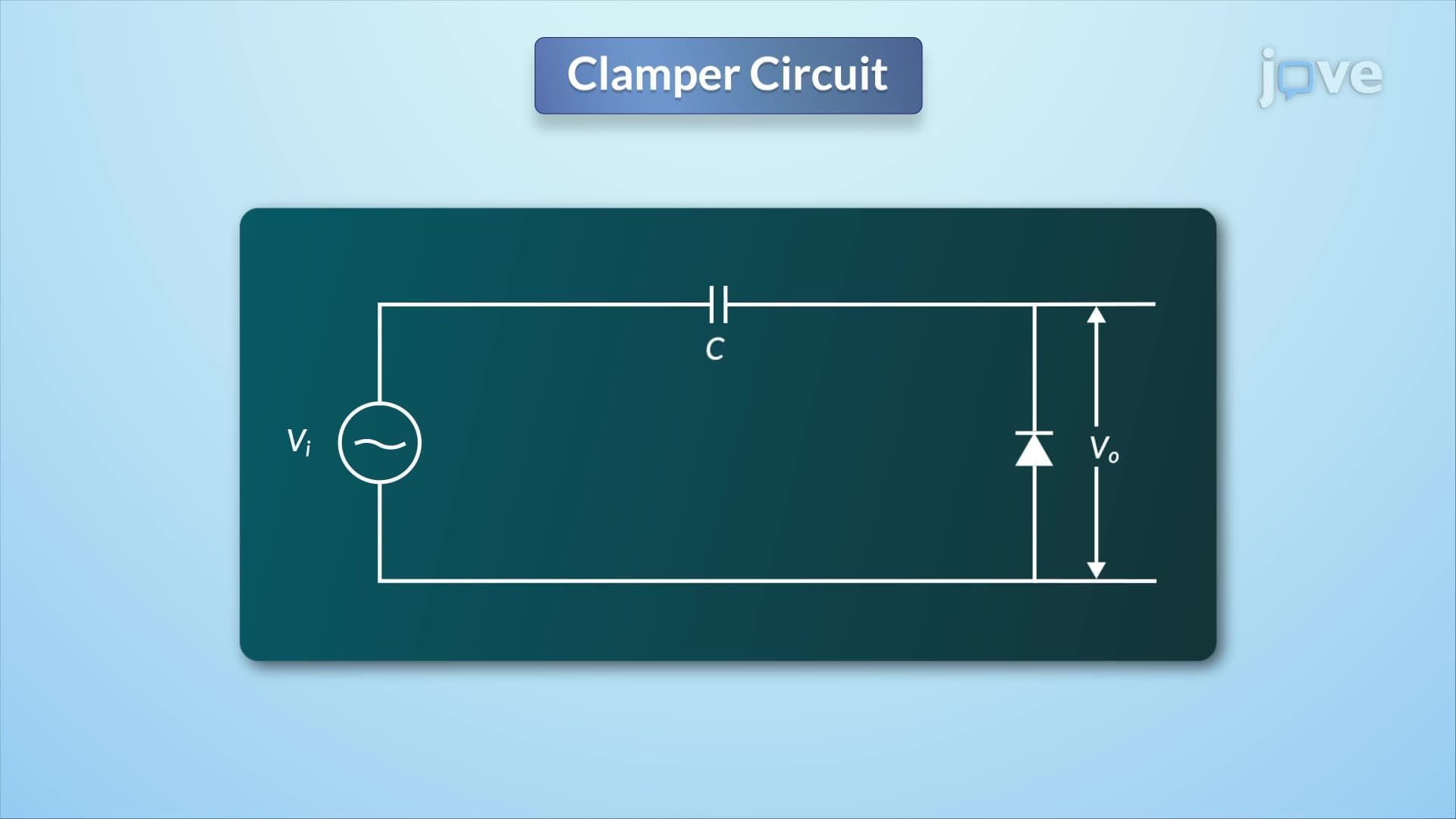
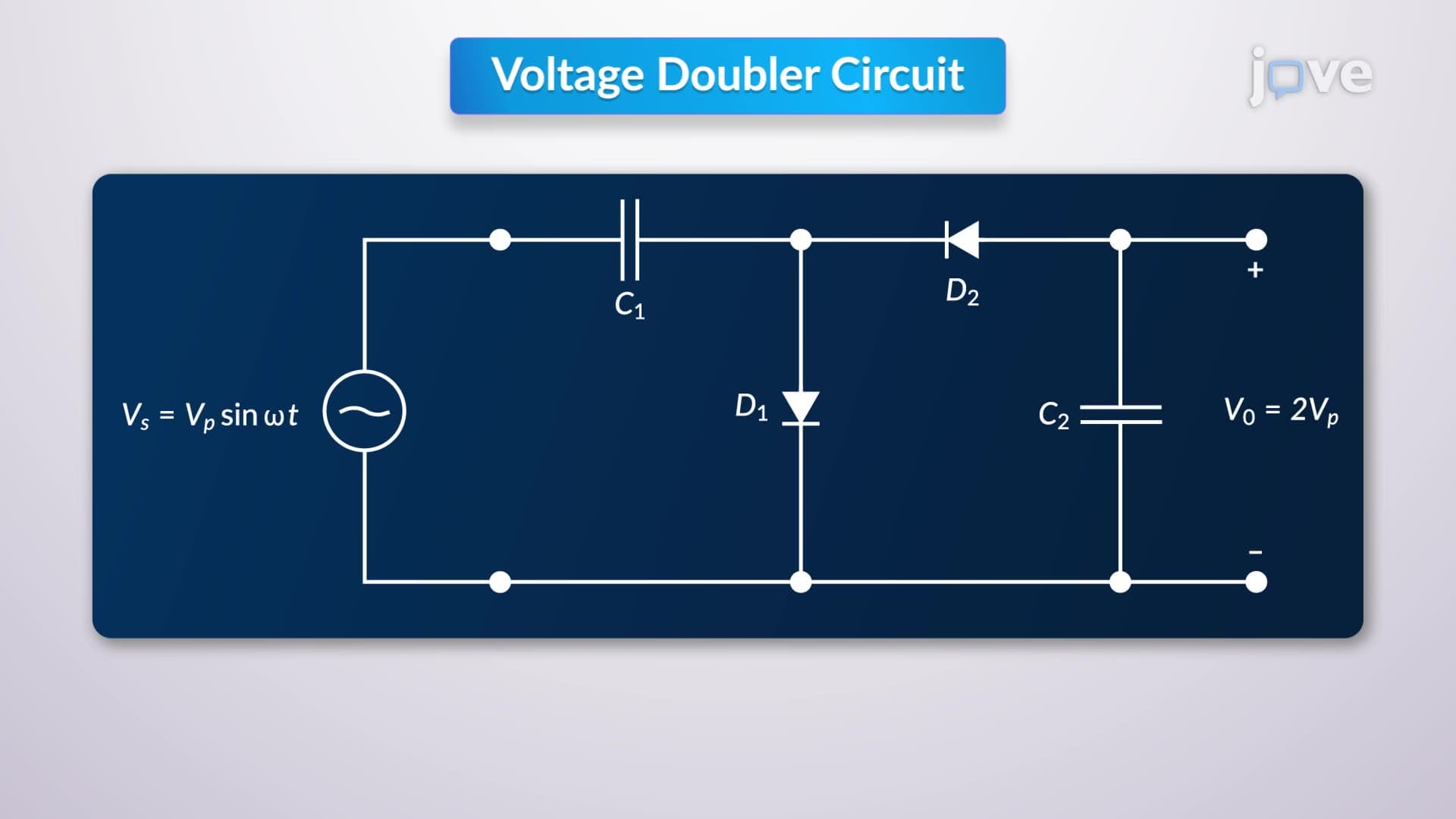
6. Wave-Shaping Circuits: Clippers, Clampers, and Voltage Doublers Clipper circuits use biased diodes to remove portions of input waveforms, protecting sensitive components from overvoltage. Clamper circuits shift DC levels without changing waveform shape, using capacitor-diode combinations for level restoration. Voltage doublers cascade clamping and rectification to generate output voltages twice the input amplitude. These circuits enable US broadcast television systems to maintain proper signal levels—clippers prevent transmitter overload, clampers restore DC components lost in AC-coupled circuits, and voltage doublers provide high voltages for cathode-ray tube displays in older equipment.
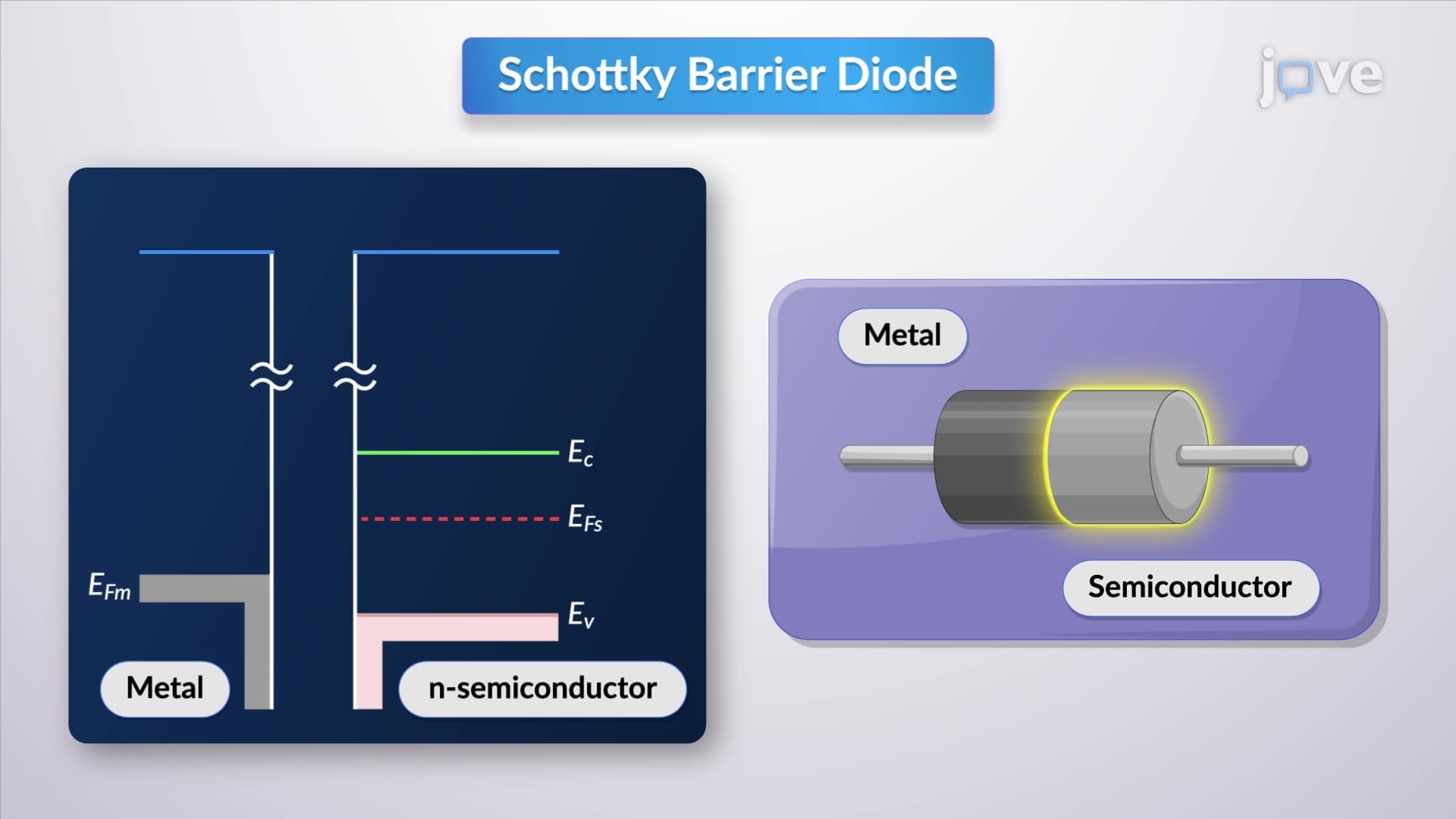
7. Schottky Barrier Diodes for High-Speed Switching Schottky diodes use metal-semiconductor junctions instead of p-n junctions, eliminating minority carrier storage effects that limit switching speed. Lower forward voltage drops (0.3-0.4V) reduce power dissipation compared to silicon diodes. The absence of charge storage enables switching frequencies well into the gigahertz range. US computer processors extensively use Schottky diodes in logic circuits where nanosecond switching times are critical. Power supplies for laptops and servers also employ Schottky rectifiers to improve efficiency by reducing conduction losses in high-frequency switching converters.
Frequently Asked Questions
Ideal diodes act as perfect switches with zero forward voltage drop and infinite reverse resistance. Real diodes have a 0.7V forward drop for silicon and small reverse leakage currents. This matters because the 0.7V drop affects power calculations—in a 5V circuit, it represents 14% power loss that must be considered in battery-powered devices.
Choose half-wave for simple, low-current applications where efficiency isn't critical. Use full-wave center-tap when you have access to center-tapped transformers and need better efficiency. Select bridge rectifiers for most practical applications since they don't require special transformers and provide good efficiency with standard components available at electronics stores.
Select a Zener voltage slightly below your desired output voltage, accounting for the load current and series resistance. For example, to regulate at 5V with a 12V input and 100Ω series resistor, choose a 5.1V Zener rated for the expected current range. Always check that the power dissipation doesn't exceed the Zener's rating.
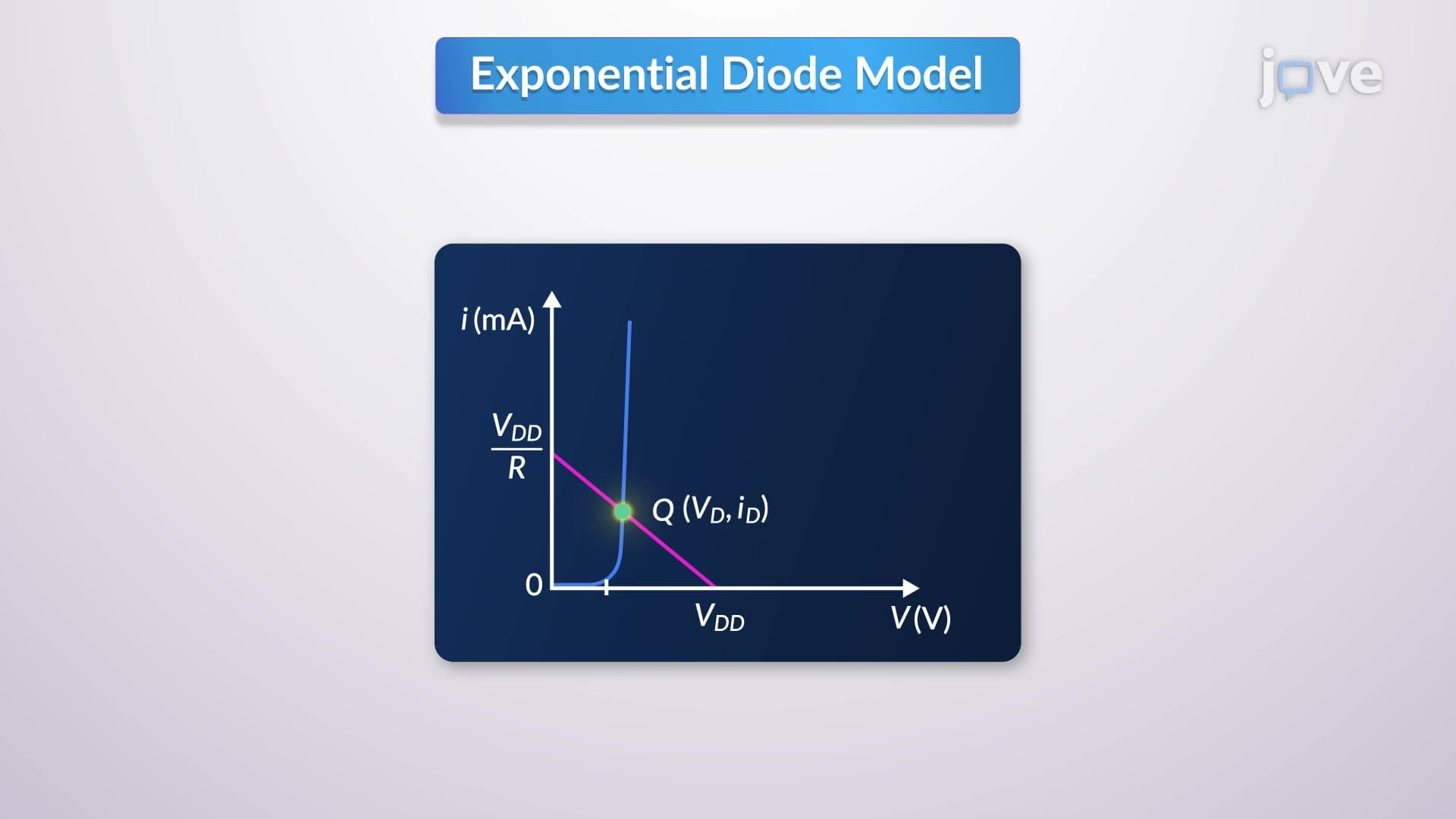
Real diodes don't follow the ideal exponential equation perfectly due to series resistance, temperature variations, and manufacturing tolerances. The 0.7V forward drop is also an approximation—it can range from 0.6V to 0.8V depending on current and temperature. Use measured values for precise calculations, but the 0.7V model works well for most circuit analysis.
Your smartphone charger uses bridge rectifiers to convert AC wall power to DC. The LED screen contains light-emitting diodes. Protection diodes prevent damage from static electricity when you touch the device. Zener diodes regulate voltages inside, and Schottky diodes enable the high-speed processors that run apps and games.
The transition from thinking linearly to understanding the exponential I-V relationship often challenges students. Start with the simplified 0.7V constant-drop model for basic circuits, then gradually introduce exponential behavior. Practice identifying forward vs. reverse bias conditions in complex circuits with multiple diodes—this skill is essential for rectifier analysis.
Start by memorizing the basic I-V characteristics, then practice identifying bias conditions in simple circuits. Work through rectifier circuits systematically, tracing current flow in each half-cycle. Use circuit simulation software to verify your calculations and visualize waveforms. Create a reference sheet with key formulas, typical voltage values, and circuit configurations for quick review.
Investigate photodiodes used in solar panels and optical communications, tunnel diodes in high-frequency oscillators, and varactor diodes in radio tuning circuits. Research how diodes enable modern power electronics like switching power supplies and motor drives. Explore semiconductor physics to understand how doping levels and crystal structure affect diode characteristics in specialized applications.
This microcourse includes 14 concept videos that walk you through the building blocks of Electrical Engineering. Each video is short, about 1 minute, so you can cover a full topic during a coffee break or between classes. The full sequence starts with The Ideal Diode and ends with Schottky Barrier Diode.
The playlist moves from big-picture ideas to the precise vocabulary used in Electrical Engineering. Early videos introduce The Ideal Diode, Diode: Forward bias, and Diode: Reverse bias. The middle of the series focuses on Modeling of Diode Forward Characteristics, Small-signal Diode Model, and Modeling of Diode Reverse Characteristics. The final stretch covers Half wave rectifier, Full wave rectifier, Bridge rectifier, Clipper Circuit, Clamper Circuit, Voltage Doubler Circuit, and Schottky Barrier Diode.
The natural next step is Transistors. From there, you can move to Introduction to Signals and Systems, Linear Time- Invariant Systems, and The Laplace Transform. Once you finish those, the full Electrical Engineering curriculum of 33 microcourses on JoVE Coach opens up, taking you from foundational concepts to advanced systems.
Related Subjects