Loading…
Loading video…

16,136 views
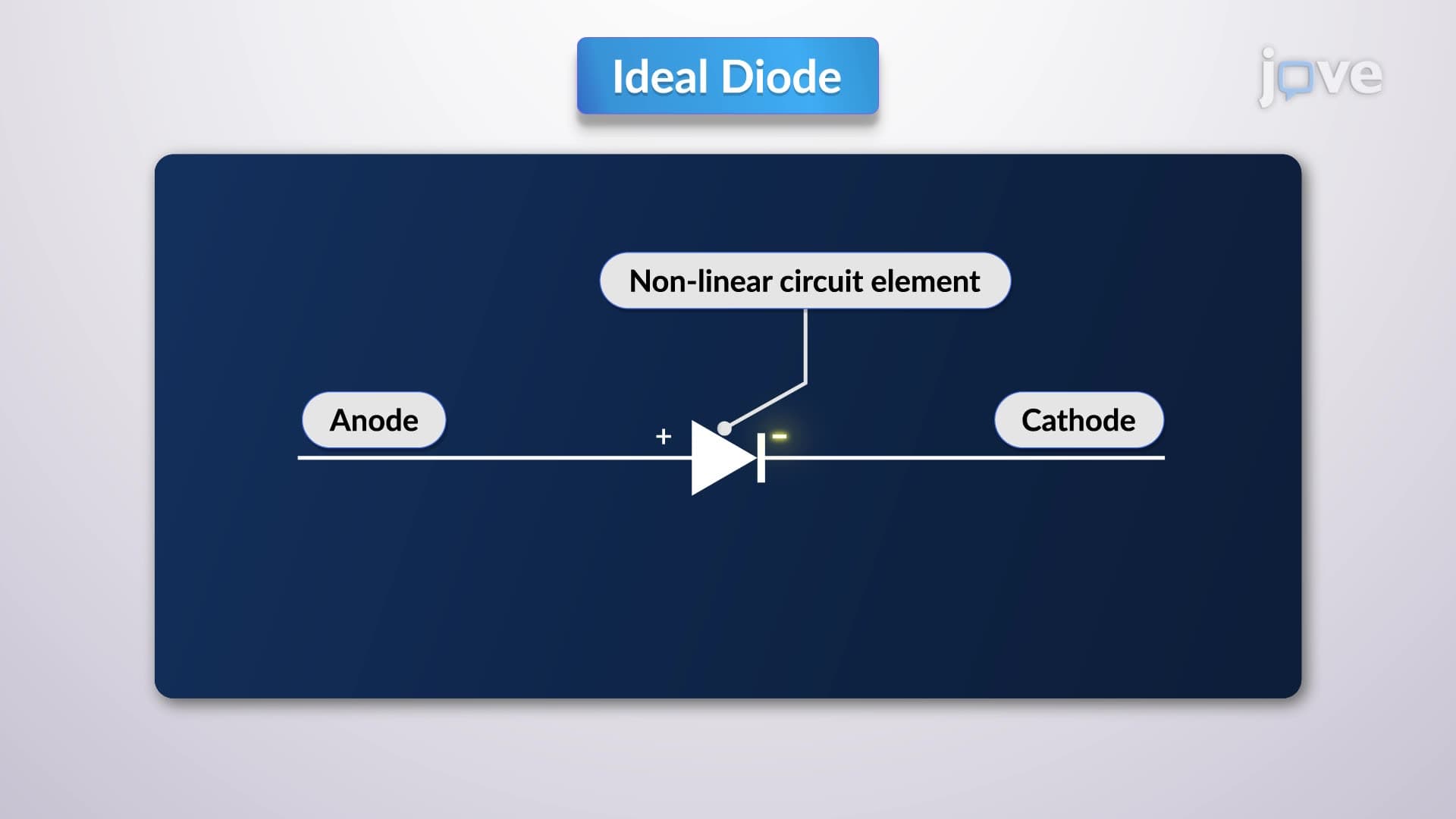
Ever wonder how your iPhone charger converts wall outlet AC power into the DC power your phone needs? Diode forward bias is the key principle behind this everyday electronic magic. When a diode is forward-biased, it acts like a one-way electrical valve, allowing current to flow freely from anode to cathode with minimal resistance. This fundamental behavior of the ideal diode enables everything from smartphone chargers to solar panel systems across the United States. Watch the full video on JoVE Coach to master this concept with expert-led visuals and step-by-step explanations.
The ideal diode represents a theoretical circuit element that perfectly demonstrates the core principle of diode forward bias. Unlike real semiconductor diodes made from silicon or germanium, an ideal diode exhibits perfect switching behavior with no compromises. This theoretical model helps students grasp fundamental concepts before tackling the complexities of practical electronic components.
In the forward-biased state, an ideal diode acts as a perfect conductor—essentially a short circuit with zero voltage drop. This means that when positive voltage is applied to the anode relative to the cathode, current flows freely without any resistance or power loss. Students preparing for AP Physics or college-level electrical engineering courses need to understand that this diode forward bias concept forms the foundation for analyzing more complex semiconductor behavior.
The diode forward bias definition becomes clearer when contrasted with reverse bias operation. In forward bias, the diode "turns on" and conducts current, while in reverse bias, it "turns off" and blocks current flow completely. This binary behavior makes ideal diodes perfect for digital switching applications and power conversion circuits.
Real-world applications across American industries rely heavily on this principle. For example, Tesla's electric vehicle charging systems use diode arrays to convert AC power from the electrical grid into DC power for battery storage. Similarly, solar installations throughout California and Texas use diodes to prevent reverse current flow that could damage photovoltaic panels during nighttime hours.
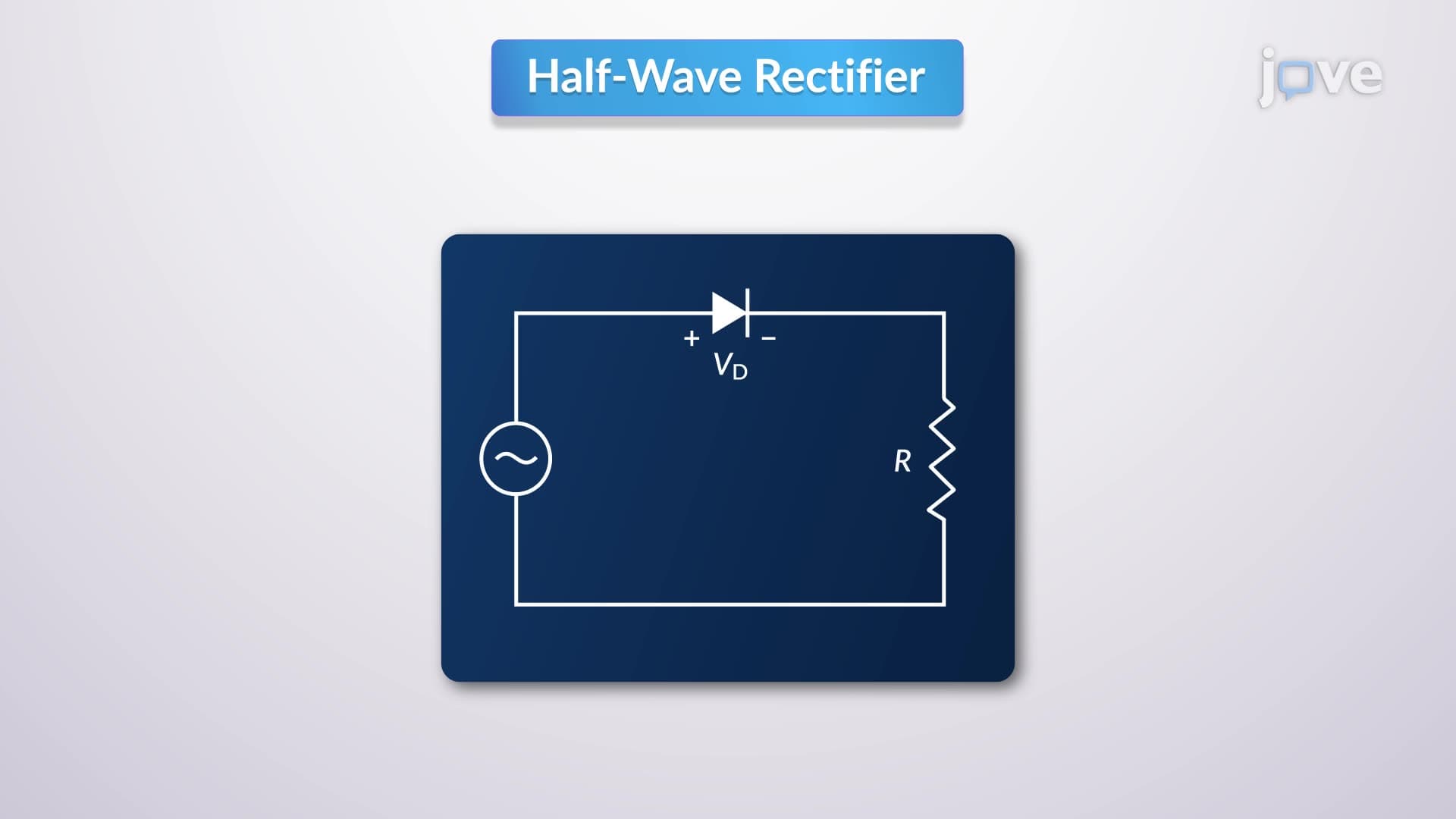
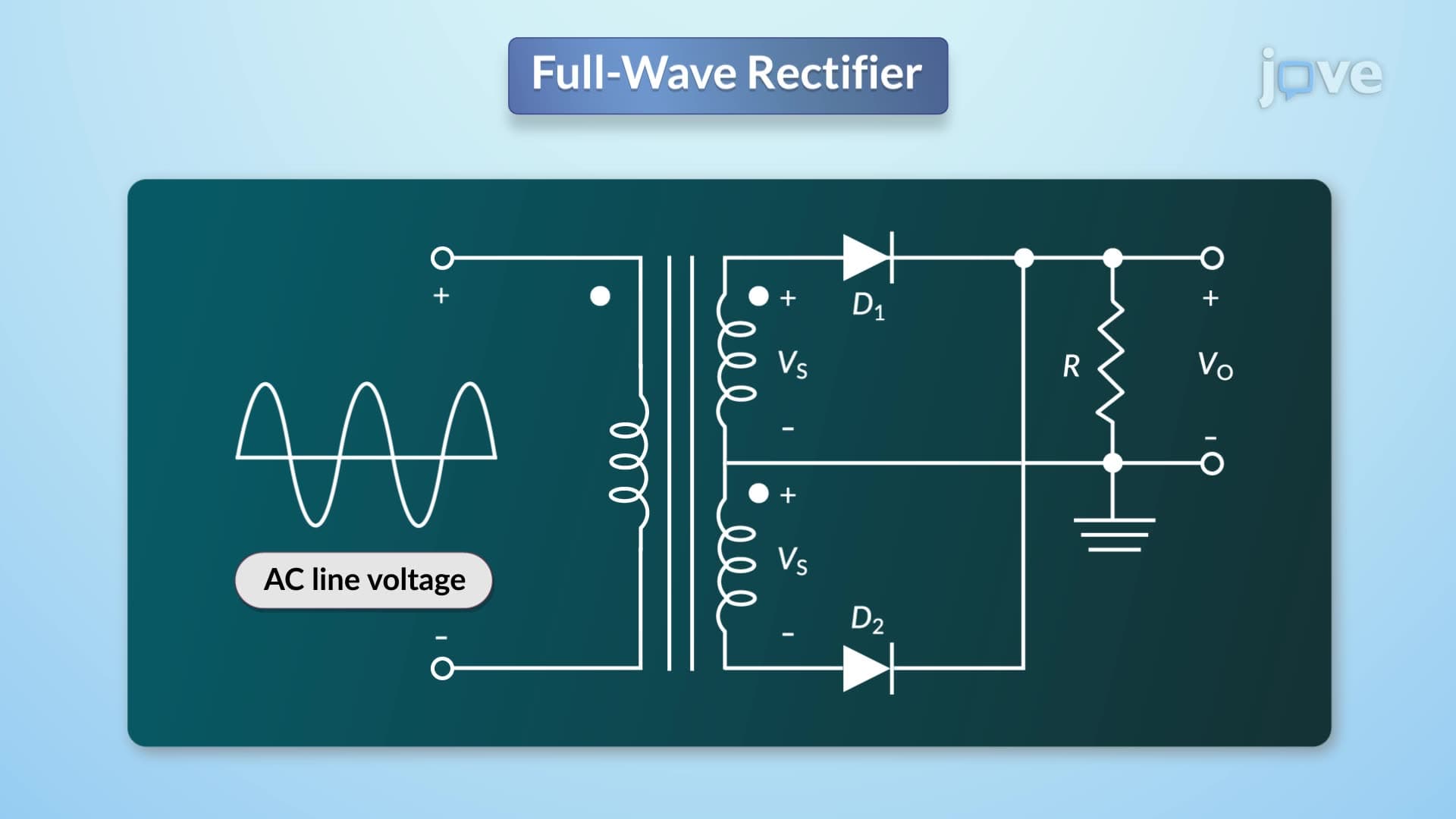
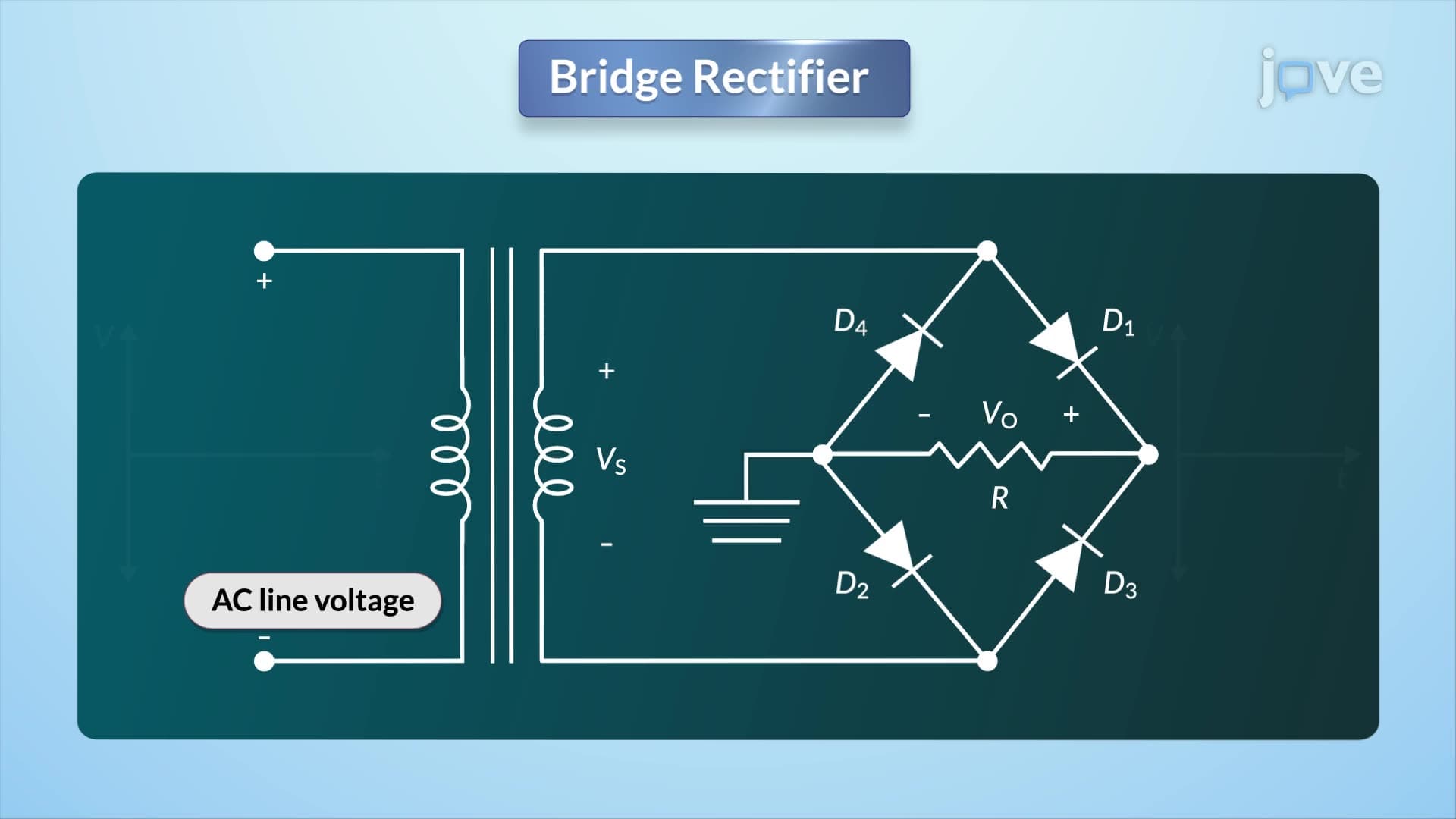
Understanding diode forward bias in detail becomes crucial when analyzing rectifier circuits—the building blocks of every power supply in electronic devices. During positive half-cycles of AC input, forward-biased diodes conduct and transfer energy to the load. During negative half-cycles, reverse-biased diodes block current, creating the unidirectional output characteristic of DC power.
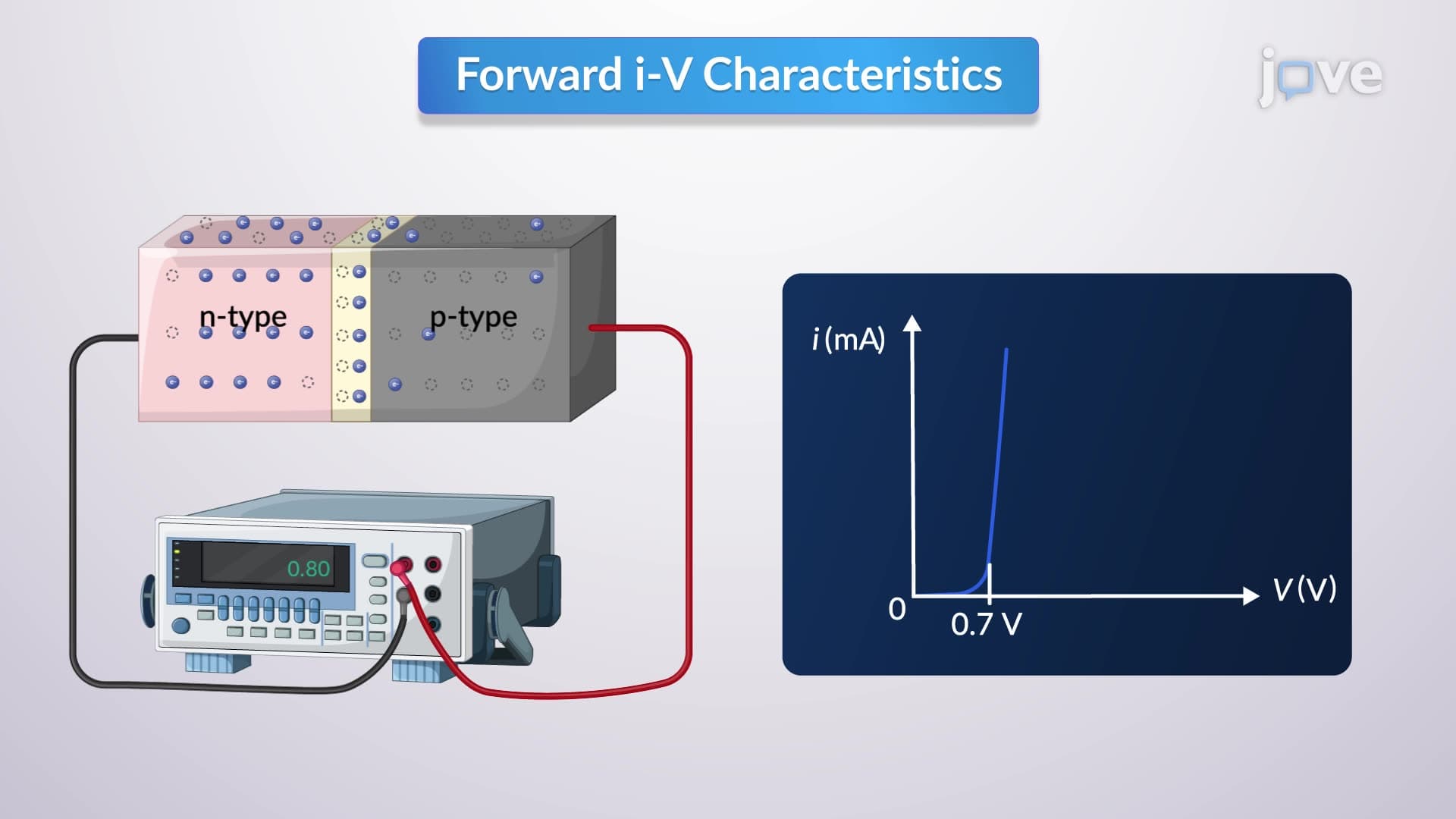
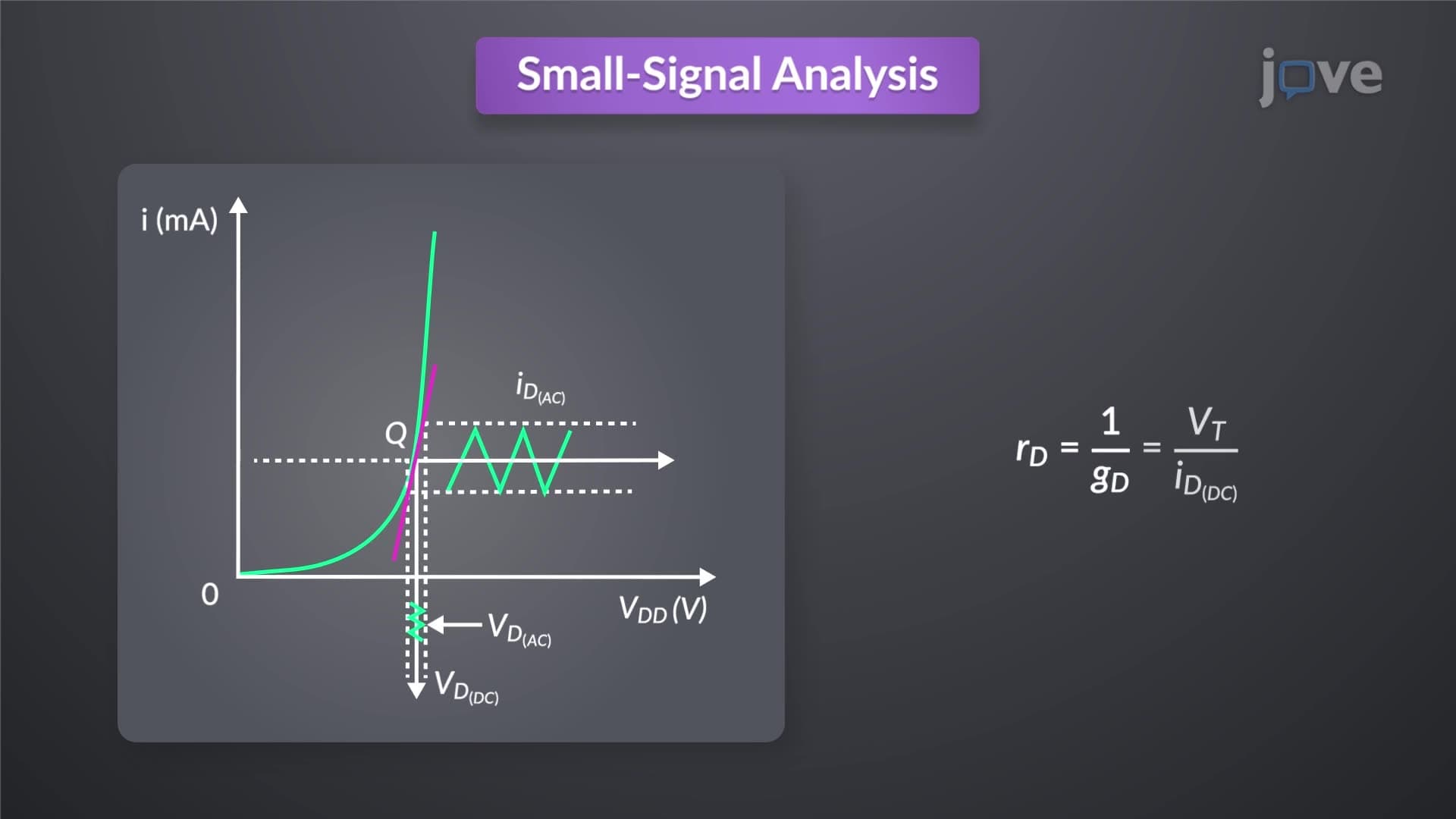
Students taking the MCAT or preparing for electrical engineering courses at institutions like MIT or Stanford will encounter these concepts in circuit analysis problems. The ideal diode model simplifies calculations by eliminating the 0.7V forward voltage drop found in real silicon diodes, making it easier to understand fundamental principles before adding practical complications.
This diode forward bias study guide approach—starting with ideal models before progressing to real components—reflects how top US engineering programs structure their curricula to build conceptual understanding systematically.
Frequently Asked Questions
The ideal diode is a theoretical circuit element that perfectly demonstrates diode forward bias behavior without real-world limitations. When forward-biased, it conducts current with zero voltage drop, acting like a perfect switch. This model helps students understand fundamental diode principles before studying practical semiconductor devices.
Diode forward bias occurs when positive voltage is applied to the anode relative to the cathode, causing the diode to conduct current freely. In this state, the diode acts like a closed switch, allowing electrical current to flow through the circuit with minimal resistance.
AP Physics questions typically focus on circuit analysis using ideal diodes in rectifier configurations. Students must identify when diodes are forward or reverse-biased and calculate output voltages during different portions of AC input cycles. Practice problems often involve half-wave rectifier circuits.
Yes, MCAT physics sections include basic electronics principles, including diode behavior in biological instrumentation contexts. Understanding forward bias helps answer questions about medical devices like EKG machines and electronic monitoring equipment used in healthcare settings.
Diode forward bias enables AC-to-DC conversion in smartphone chargers, LED lighting systems in cities like New York, and solar panel installations across the Southwest United States. Electric vehicle charging stations also rely on diode rectifier circuits for power conversion.
No advanced calculus is required for basic diode forward bias concepts. High school algebra and basic circuit analysis skills are sufficient to understand ideal diode behavior, making this topic accessible to students in grades 9-12.
Focus on drawing and analyzing simple rectifier circuits, practice identifying forward and reverse bias conditions, and memorize that ideal diodes have zero forward voltage drop. Work through half-wave rectifier problems step-by-step to build confidence.
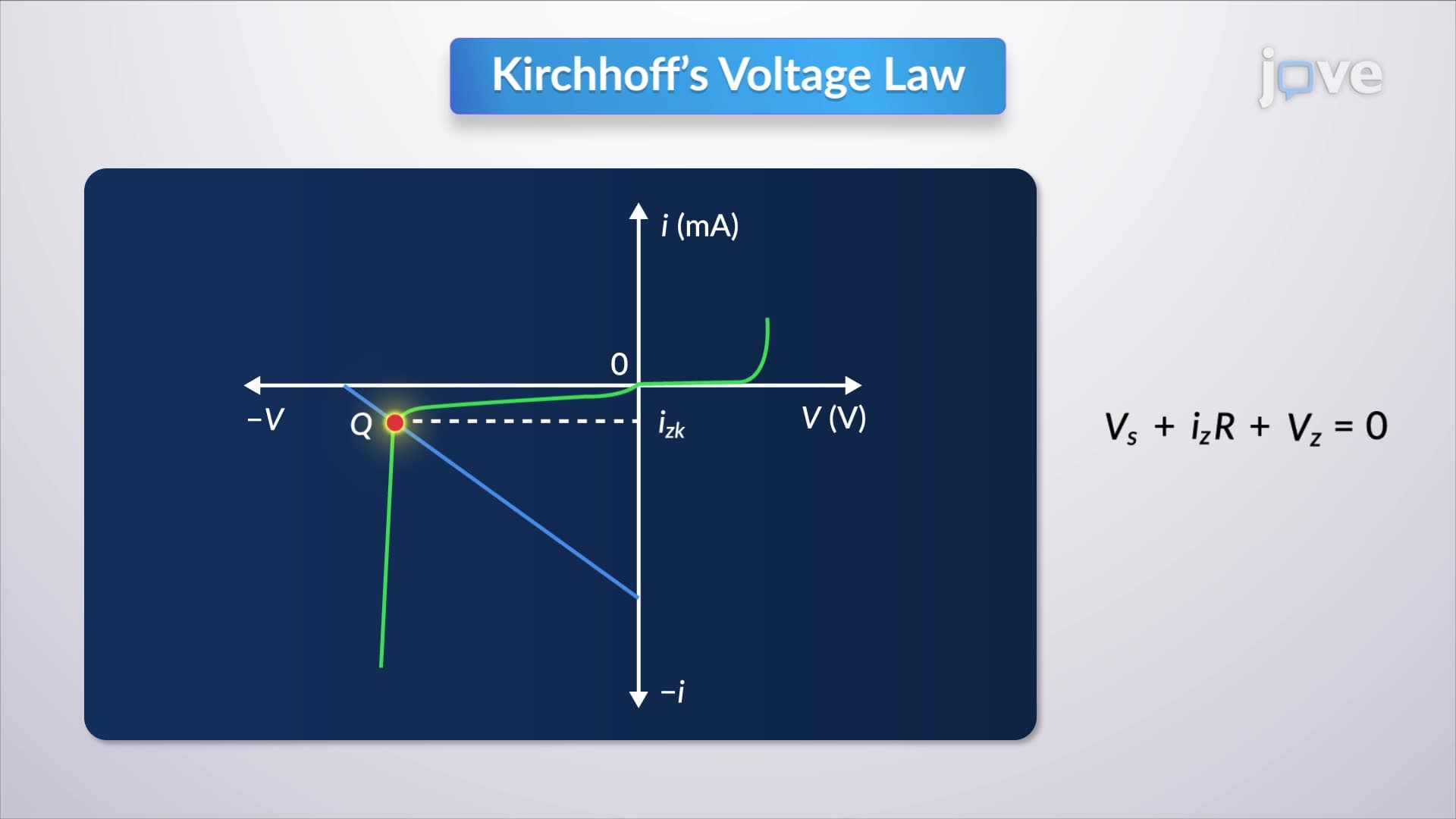
Progress to real diode characteristics including forward voltage drops, reverse saturation currents, and temperature effects. Then explore zener diodes, light-emitting diodes (LEDs), and transistor fundamentals for a complete semiconductor foundation.
Related Micro-courses


Related Subjects
 Civil Engineering 30 micro-courses›Mechanical Engineering 28 micro-courses›