Loading…
Loading video…

16,136 views
Ever wonder how your smartphone charger prevents power surges from frying your device? The secret lies in modeling of diode reverse characteristics explained through Zener diode behavior. When reverse voltage exceeds breakdown voltage, these specialized diodes create a protective barrier—just like the surge protectors safeguarding electronics in American homes during lightning storms. Watch the full video on JoVE Coach to master this concept with expert-led visuals and step-by-step explanations.
Modeling of diode reverse characteristics involves analyzing how diodes behave when voltage is applied in the opposite direction to normal current flow. Unlike forward-biased diodes that conduct easily, reverse-biased diodes present unique challenges and opportunities in circuit design. This concept is fundamental to understanding voltage regulation, surge protection, and reference voltage generation in modern electronics.
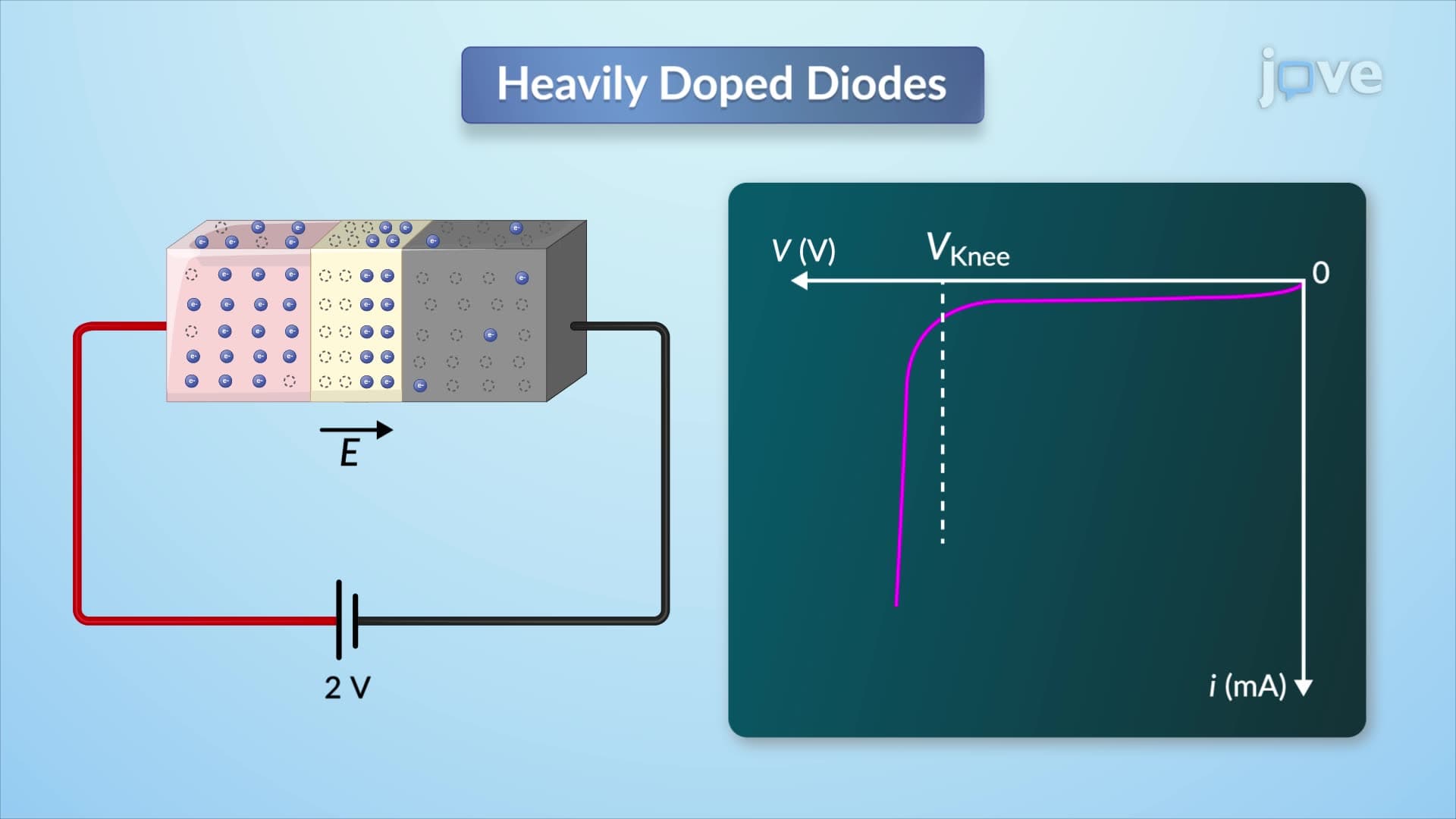
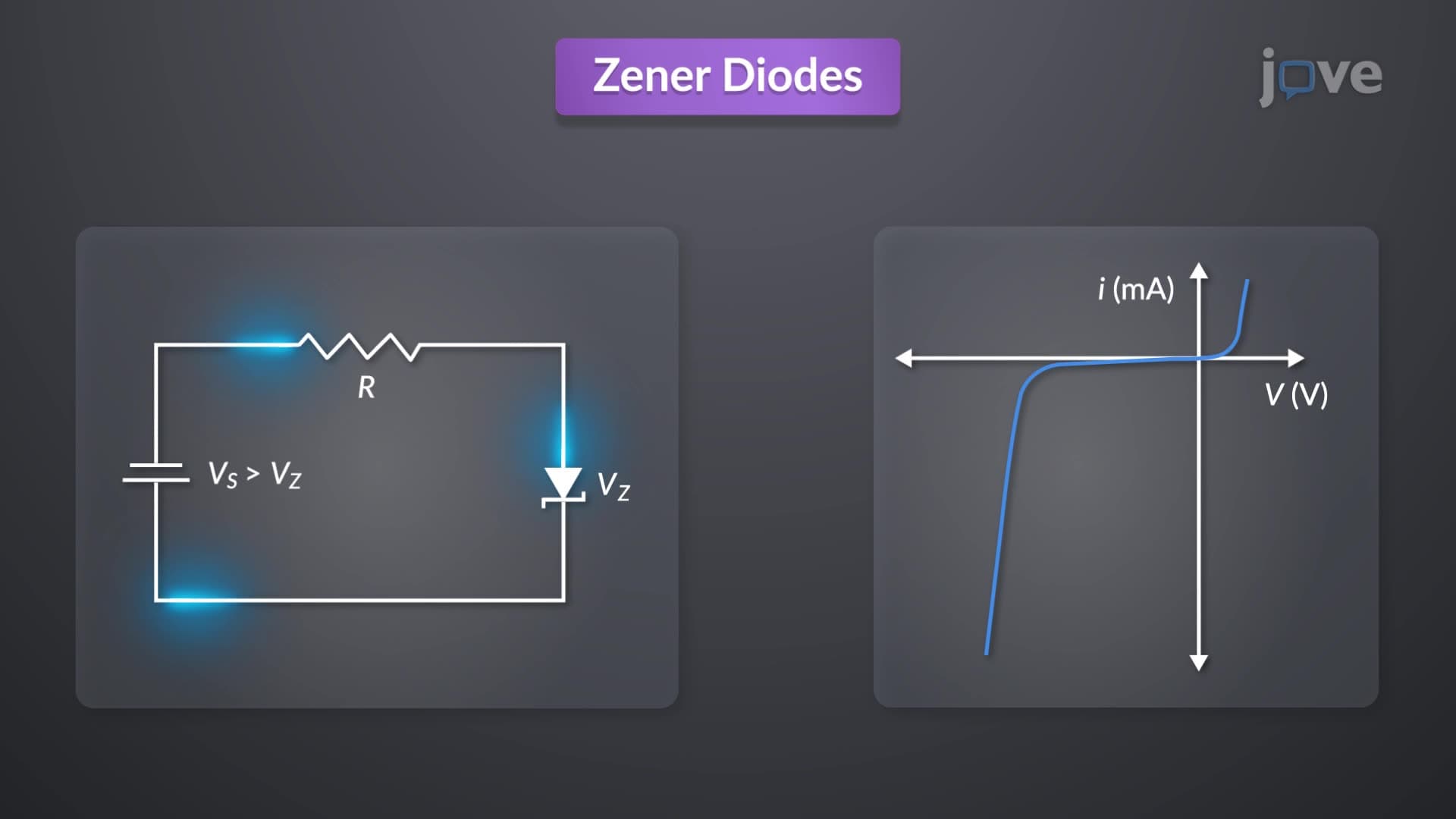
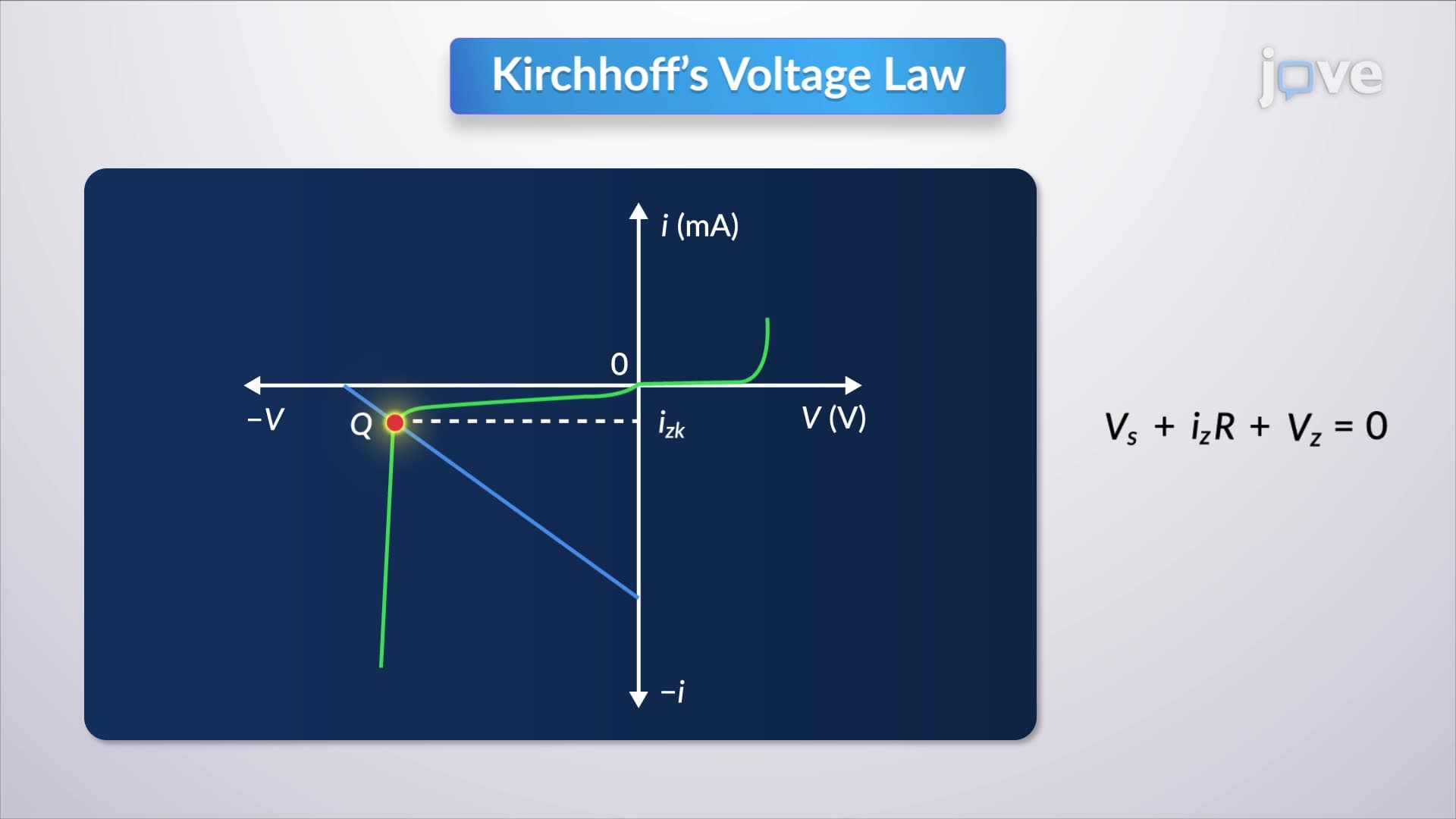
The heart of reverse characteristic modeling lies in understanding Zener breakdown. When reverse voltage exceeds the breakdown voltage (typically 3V to 200V for commercial Zener diodes), the diode suddenly begins conducting heavily. This creates a nearly vertical line on the current-voltage characteristic curve, meaning large current changes produce minimal voltage changes. Texas Instruments and ON Semiconductor manufacture precision Zener diodes used in everything from automotive voltage regulators to medical device power supplies across American hospitals.
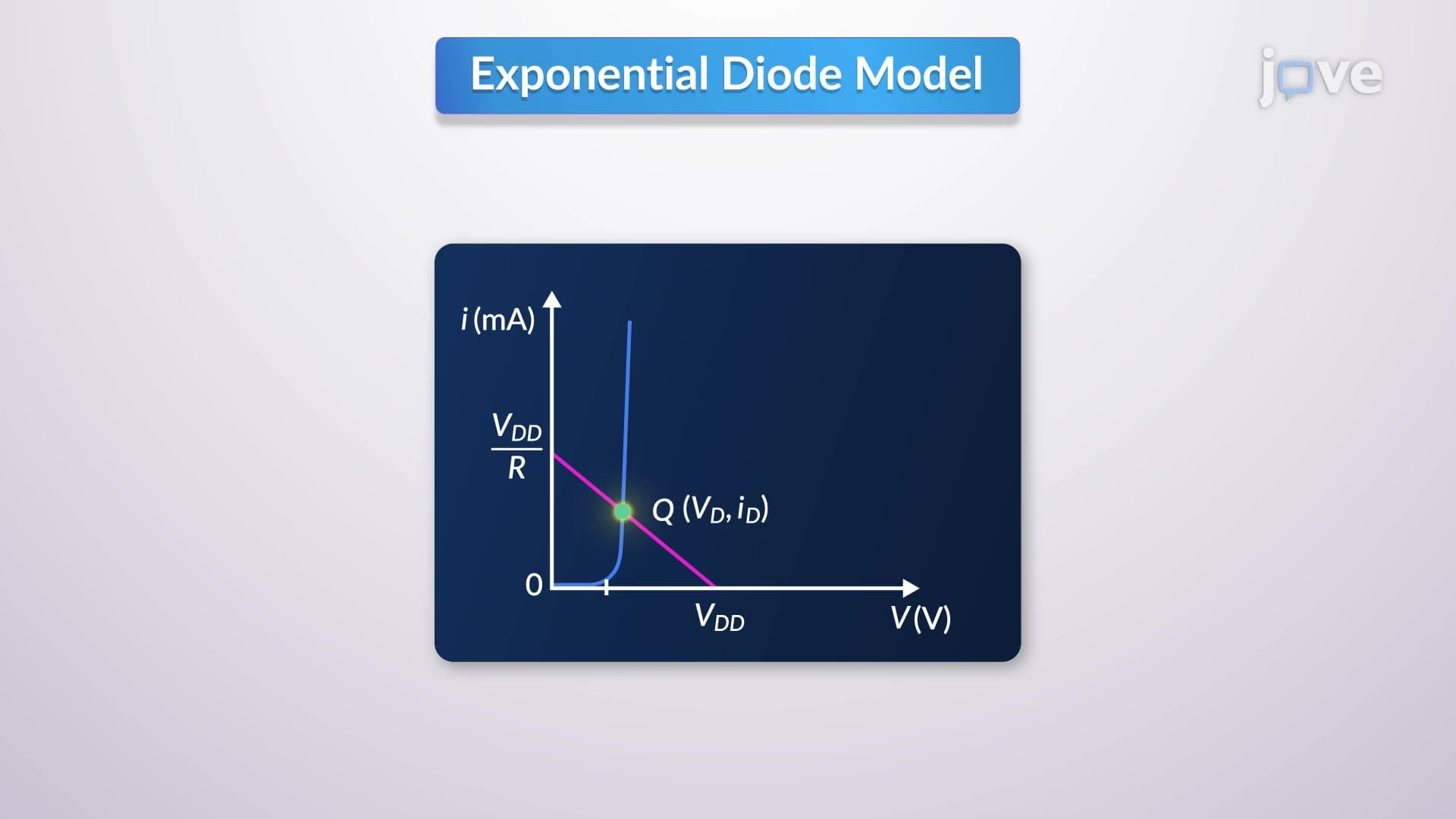
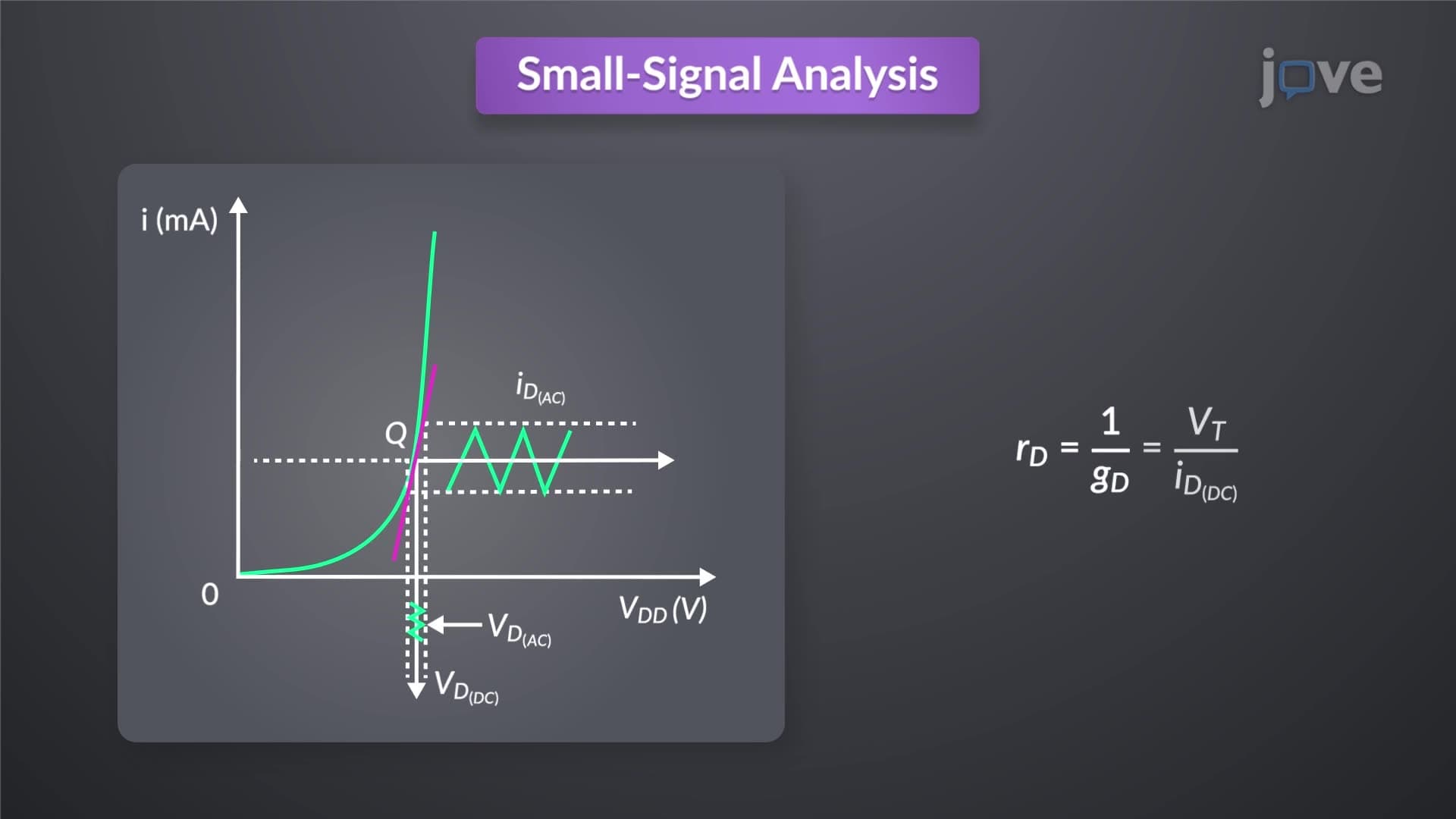
Circuit analysis requires combining the diode characteristic with the external circuit behavior. Using Kirchhoff's voltage law, engineers derive the load line equation: V(source) = I × R(series) + V(diode). This linear relationship intersects the diode's exponential curve at exactly one point—the Q-point (quiescent operating point). This intersection determines the actual operating current and voltage in the circuit. Students preparing for AP Physics C or college-level electrical engineering courses frequently encounter load line problems on exams, making this a crucial concept for academic success.
Real-world Zener diode applications require careful attention to power dissipation limits. The power rating (typically 0.25W to 50W for standard devices) determines maximum allowable current: I(max) = P(rating) / V(zener). Exceeding this limit causes thermal damage. American companies like Vishay and Fairchild Semiconductor provide detailed thermal derating curves showing how ambient temperature affects maximum power handling. This knowledge proves essential for designing reliable circuits in aerospace applications at NASA or automotive systems for General Motors.
Frequently Asked Questions
Modeling of diode reverse characteristics involves analyzing how diodes behave when reverse voltage is applied, particularly focusing on breakdown phenomena in Zener diodes. This modeling enables engineers to design voltage regulators, surge protectors, and reference voltage sources used in everything from smartphone chargers to medical equipment. Understanding these characteristics is essential for predicting circuit behavior and ensuring reliable operation under varying conditions.
AP Physics C and college exams frequently test load line analysis, Q-point determination, and power calculations for Zener diodes. Typical problems involve calculating operating current given source voltage and series resistance, or determining maximum allowable current based on power ratings. Students must demonstrate understanding of Kirchhoff's voltage law application and graphical intersection methods for finding operating points.
MCAT physics questions on diodes focus on conceptual understanding rather than complex calculations. Students must recognize that Zener diodes maintain nearly constant voltage in breakdown, explain why this makes them useful for voltage regulation, and identify the relationship between applied voltage and resulting current. The vertical characteristic curve concept often appears in passage-based questions about electronic medical devices.
Major American companies rely on reverse-biased diodes for critical applications: Intel uses precision voltage references in microprocessor power management, Boeing incorporates surge protection diodes in aircraft electrical systems, and Medtronic employs voltage regulators in pacemaker circuits. Automotive manufacturers like Ford use Zener diodes in alternator voltage regulation systems, preventing electrical damage during engine operation.
Basic algebra and graphing skills are sufficient for most diode modeling concepts. While semiconductor physics involves differential equations, practical circuit analysis uses straightforward linear relationships and graphical methods. High school students with solid algebra backgrounds can master load line analysis and Q-point determination without advanced calculus, making this topic accessible for AP Physics courses.
Focus on three key areas: memorize the load line equation derivation using KVL, practice graphical Q-point determination on various diode curves, and work power calculation problems until automatic. Create a reference sheet with standard Zener voltages (3.3V, 5.1V, 12V) and practice sketching characteristic curves from memory. Many professors emphasize practical design problems over theoretical derivations.
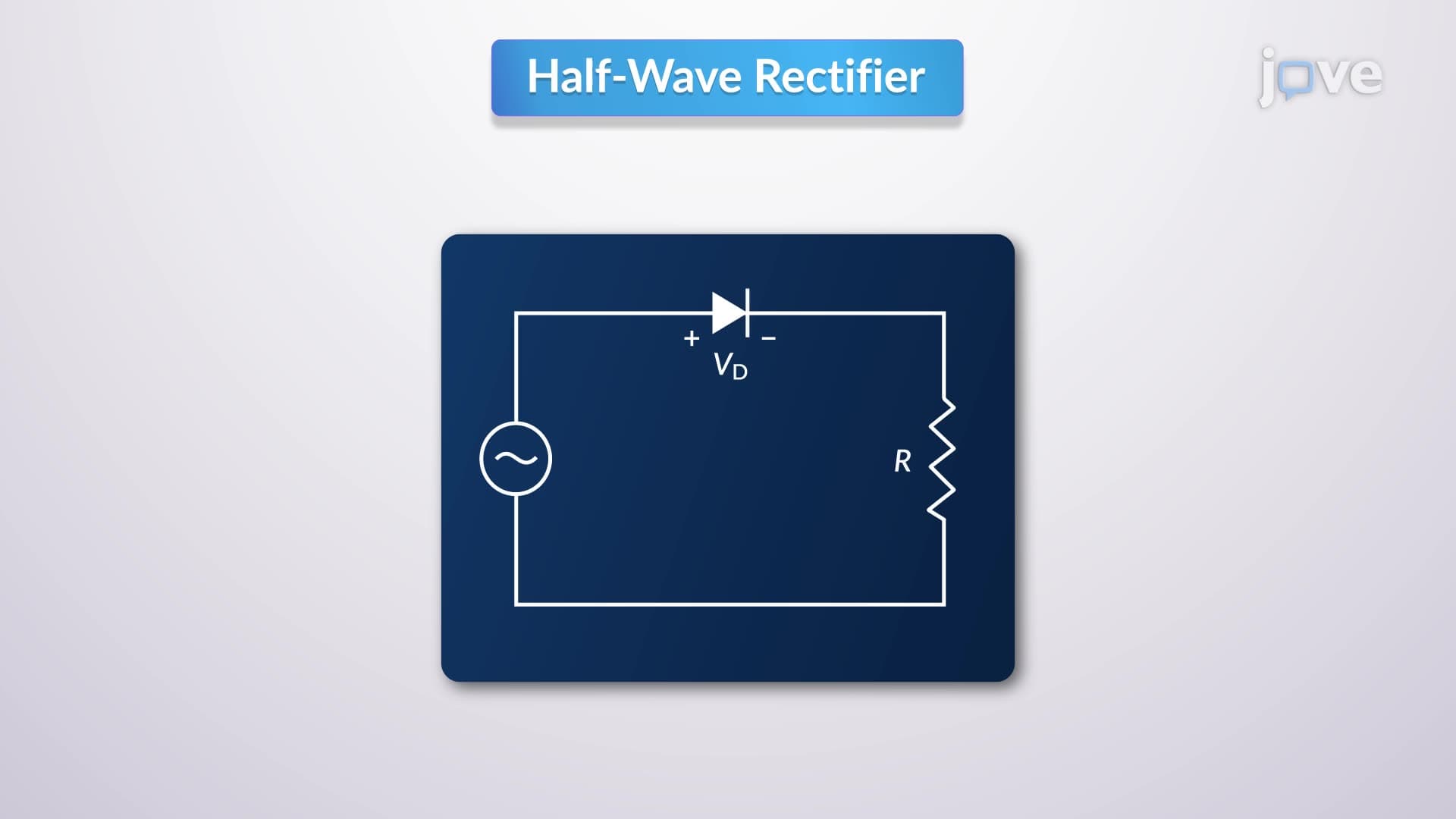
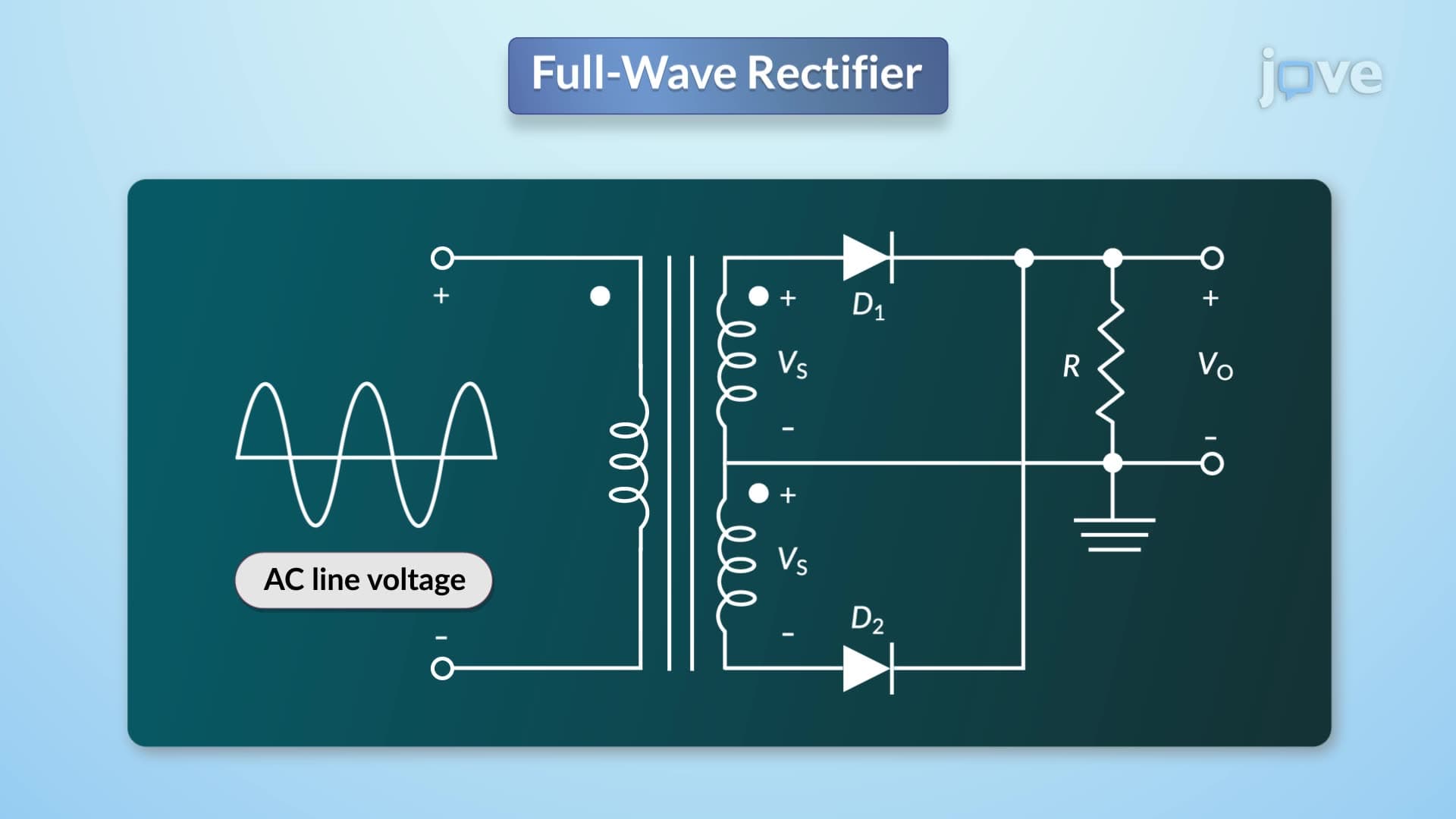
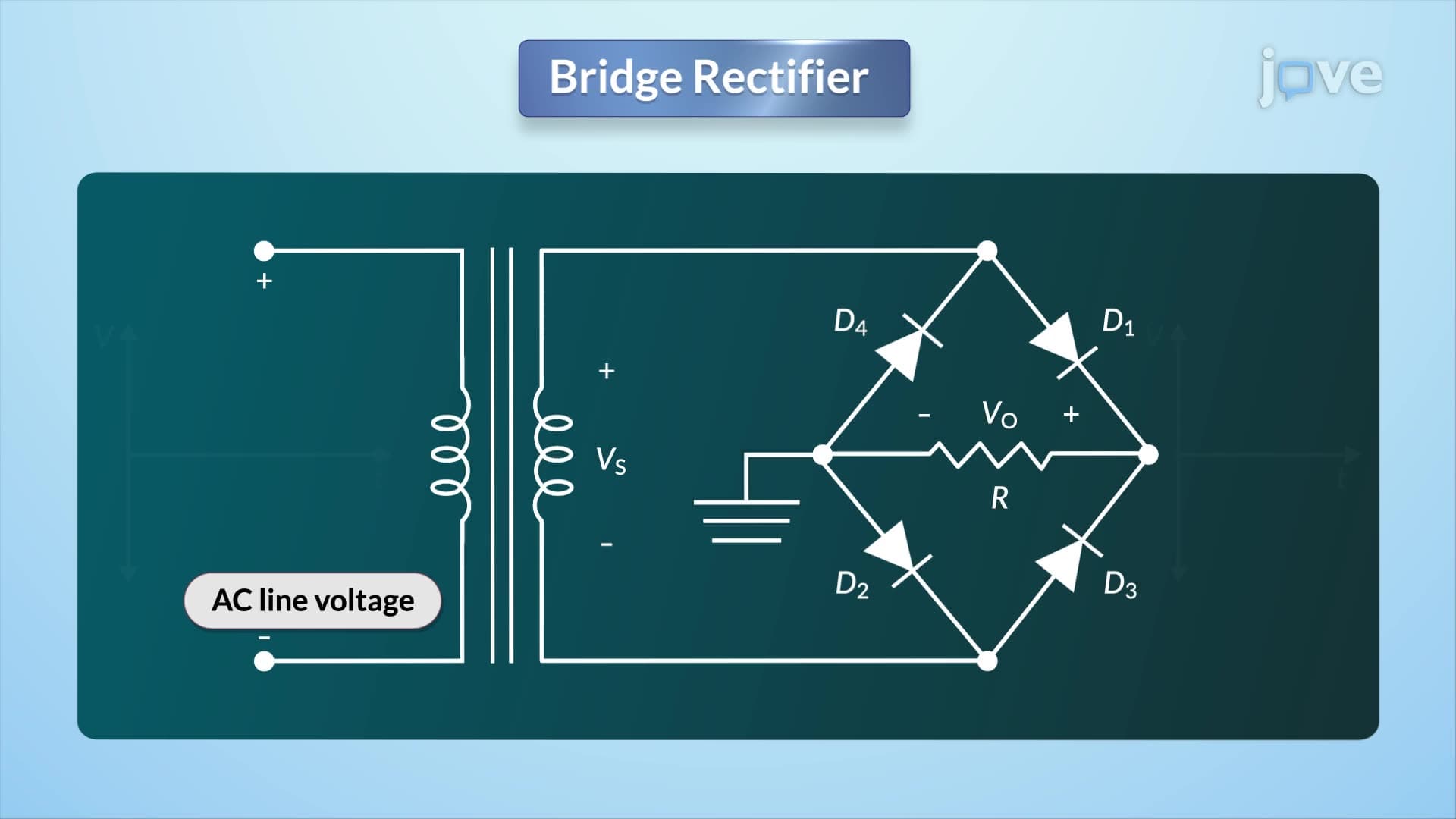
Progress to AC applications including half-wave and full-wave rectifier circuits, which build directly on reverse characteristic understanding. Study switching diodes and their high-frequency behavior, then explore specialized devices like Schottky diodes for power applications. Advanced topics include diode modeling for SPICE simulation and temperature effects on breakdown voltage, preparing you for professional circuit design work.
Most introductory physics courses present diodes as ideal switches before introducing real characteristic curves. Students first learn forward bias concepts, then progress to reverse bias and breakdown phenomena. Laboratory exercises often involve measuring actual Zener diode characteristics and comparing results to manufacturer specifications, reinforcing the connection between theoretical models and practical devices used in American electronics manufacturing.
Related Micro-courses


Related Subjects
 Civil Engineering 30 micro-courses›Mechanical Engineering 28 micro-courses›