Loading…
Loading video…

16,136 views
Every smartphone charger, LED light, and solar panel relies on diodes operating in forward bias mode. Diode forward bias occurs when current flows easily through the semiconductor junction, but only after overcoming a critical 0.7-volt threshold. This phenomenon powers everything from Tesla's charging systems to NASA's satellite electronics. What is diode forward bias becomes clear when you understand this voltage barrier and exponential current relationship. Watch the full video on JoVE Coach to master this concept with expert-led visuals and step-by-step explanations.
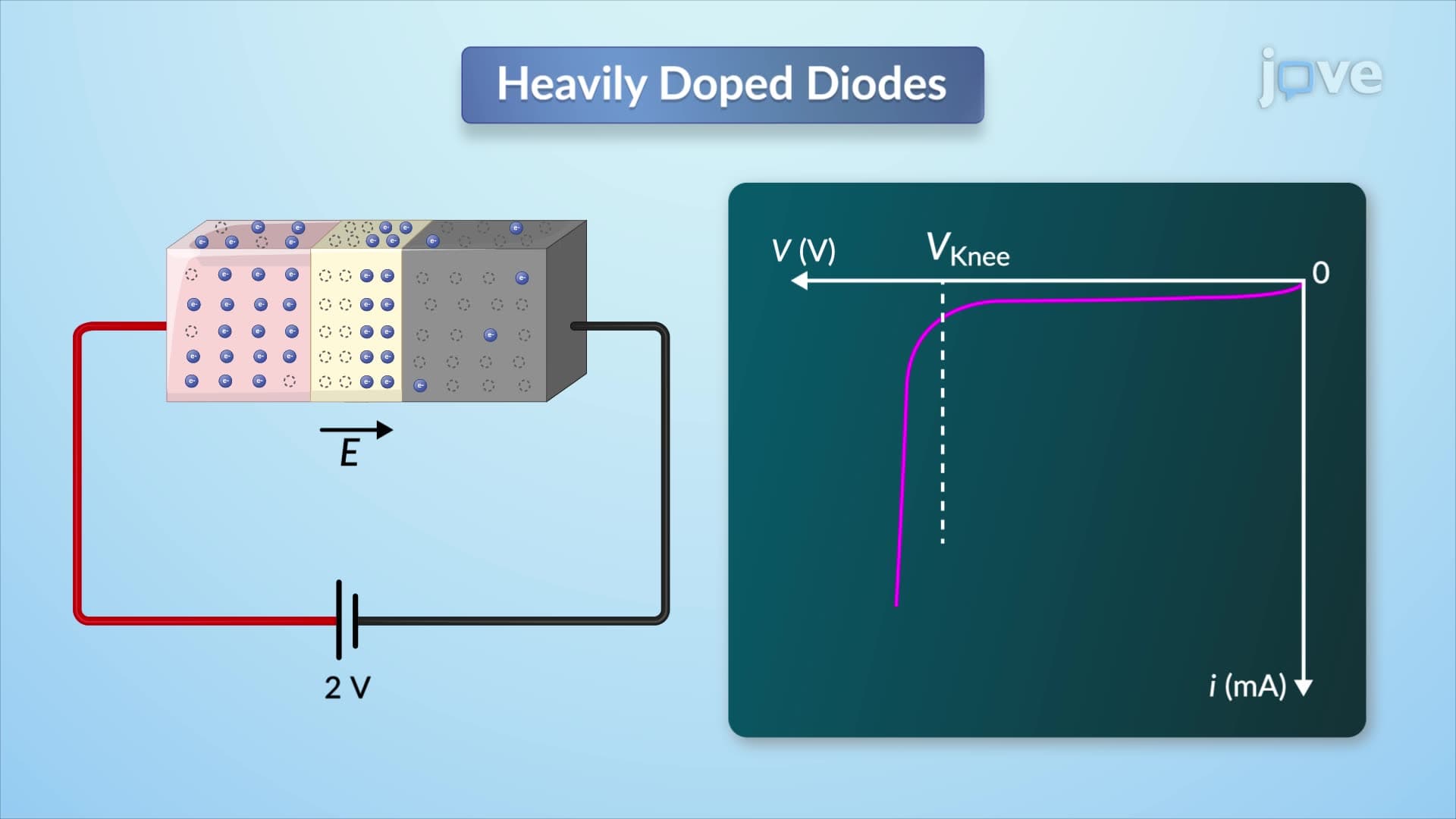
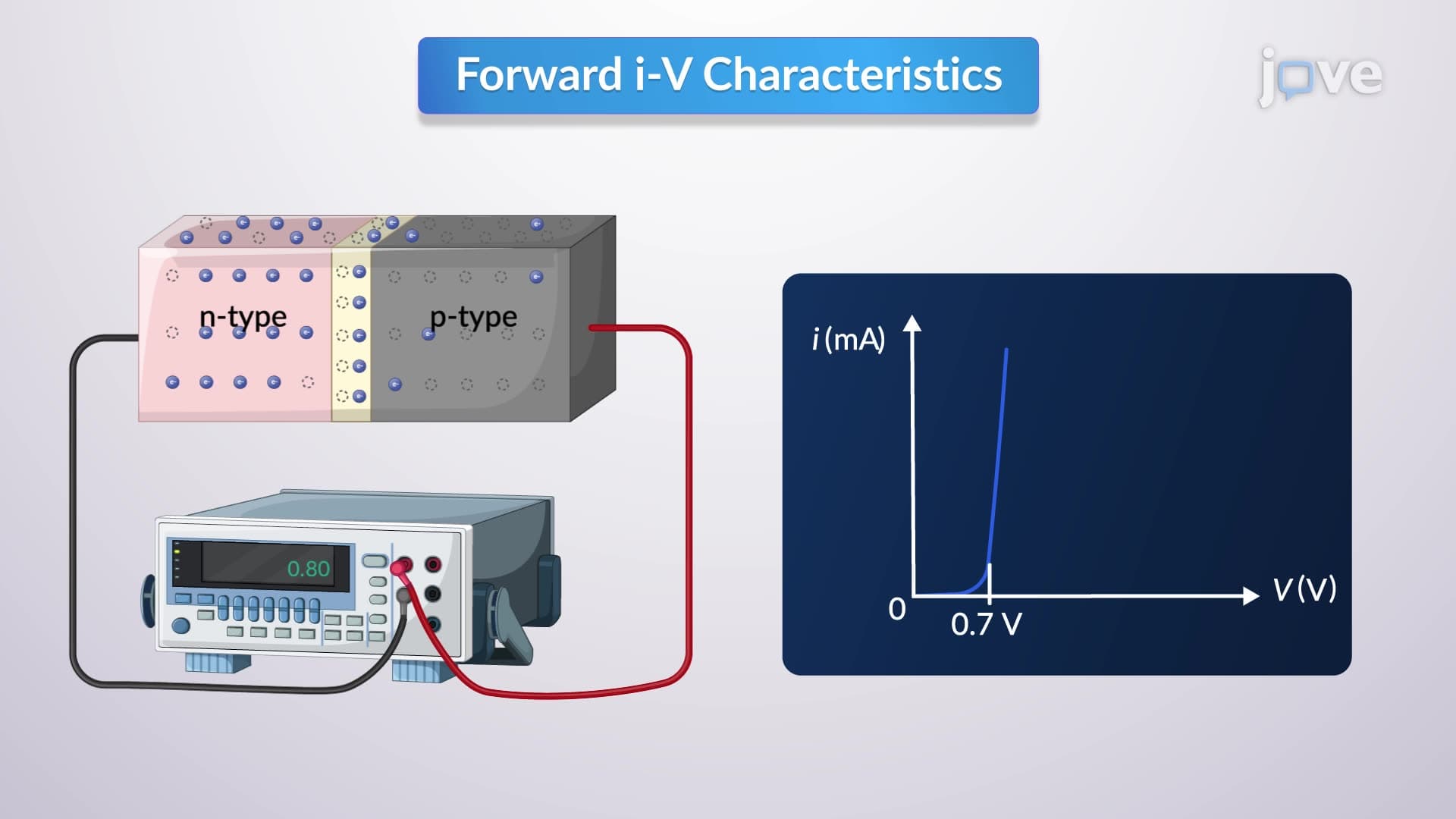
Diode forward bias represents the optimal operating condition where current flows freely through a semiconductor junction. This occurs when the p-type material connects to the positive voltage terminal while the n-type material connects to the negative terminal. This configuration reduces the depletion zone width, allowing charge carriers to cross the junction efficiently.
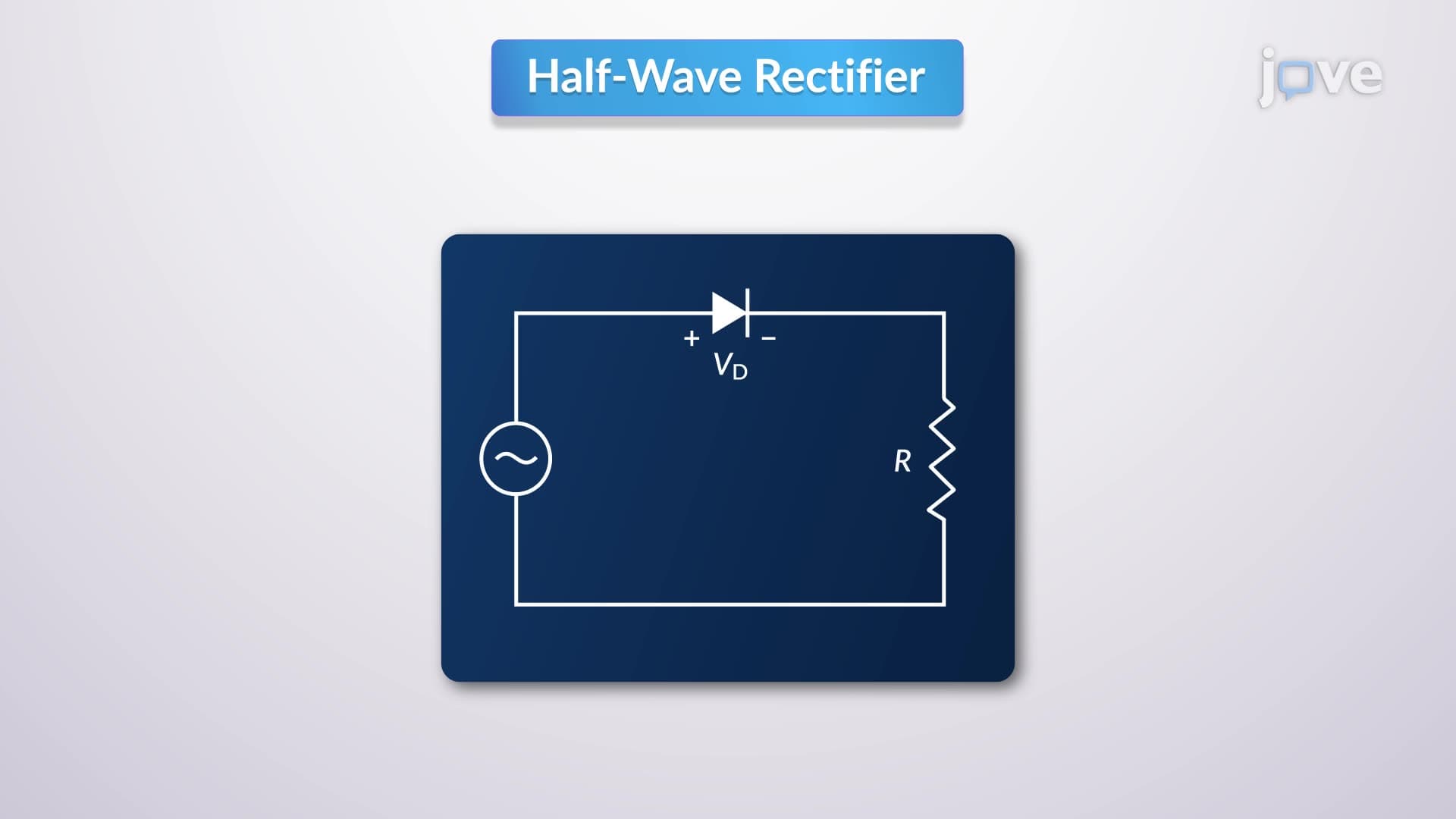
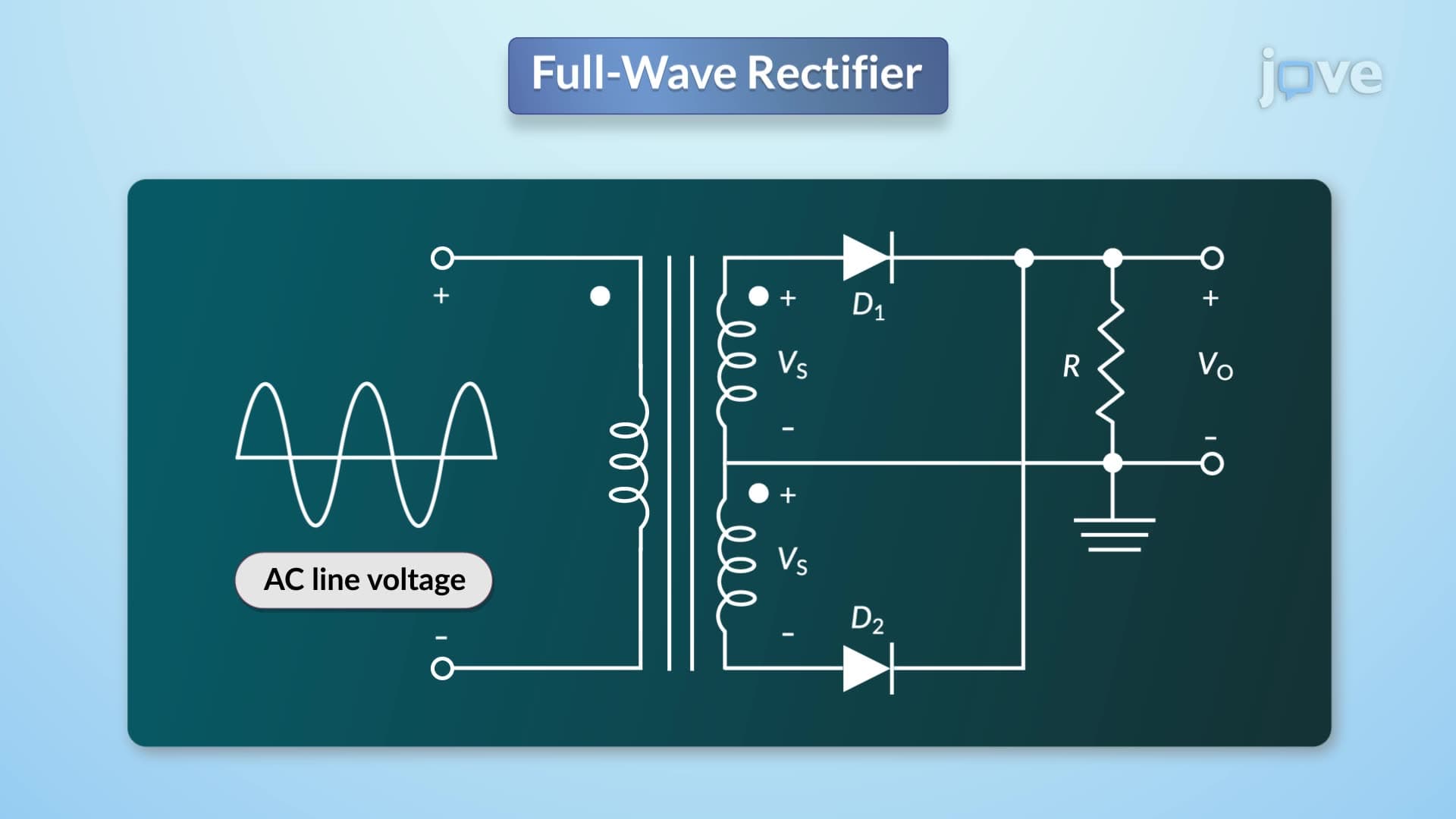
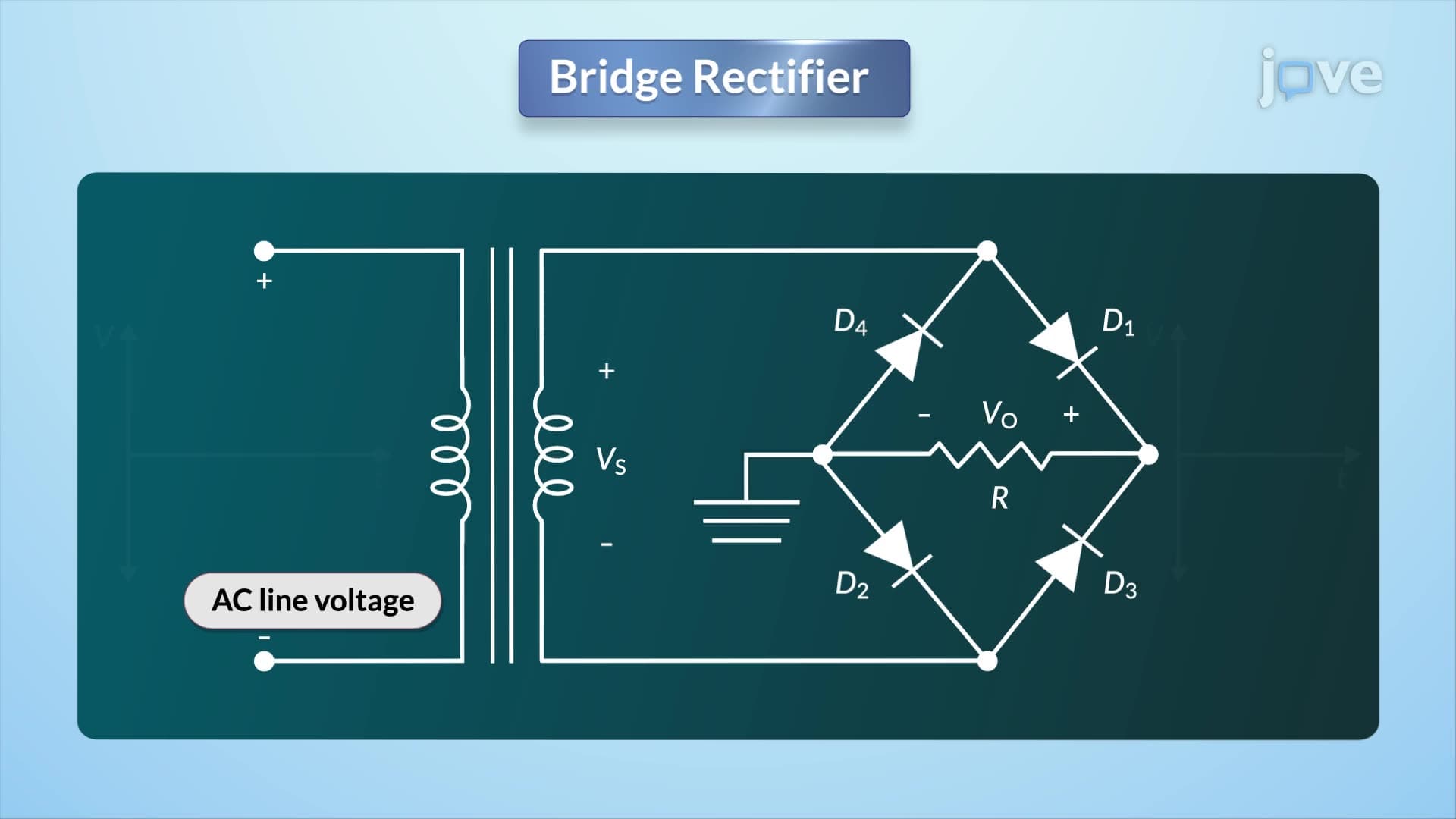
The forward bias condition is fundamental to countless electronic applications. Consider the charging circuit in your laptop—rectifier diodes operate in forward bias to convert alternating current into direct current. Similarly, LED displays in Times Square billboards rely on forward-biased light-emitting diodes to produce brilliant colors.
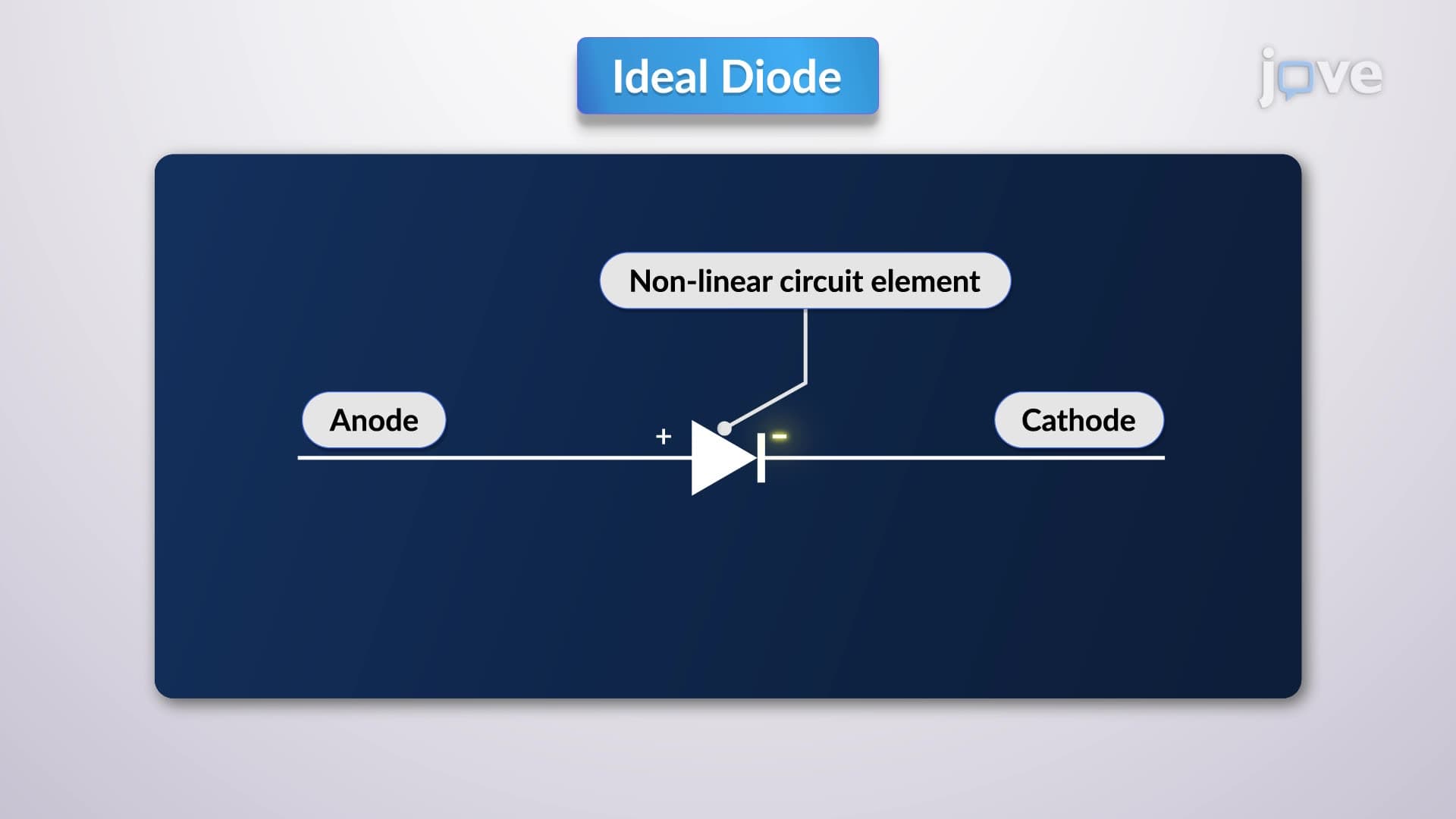
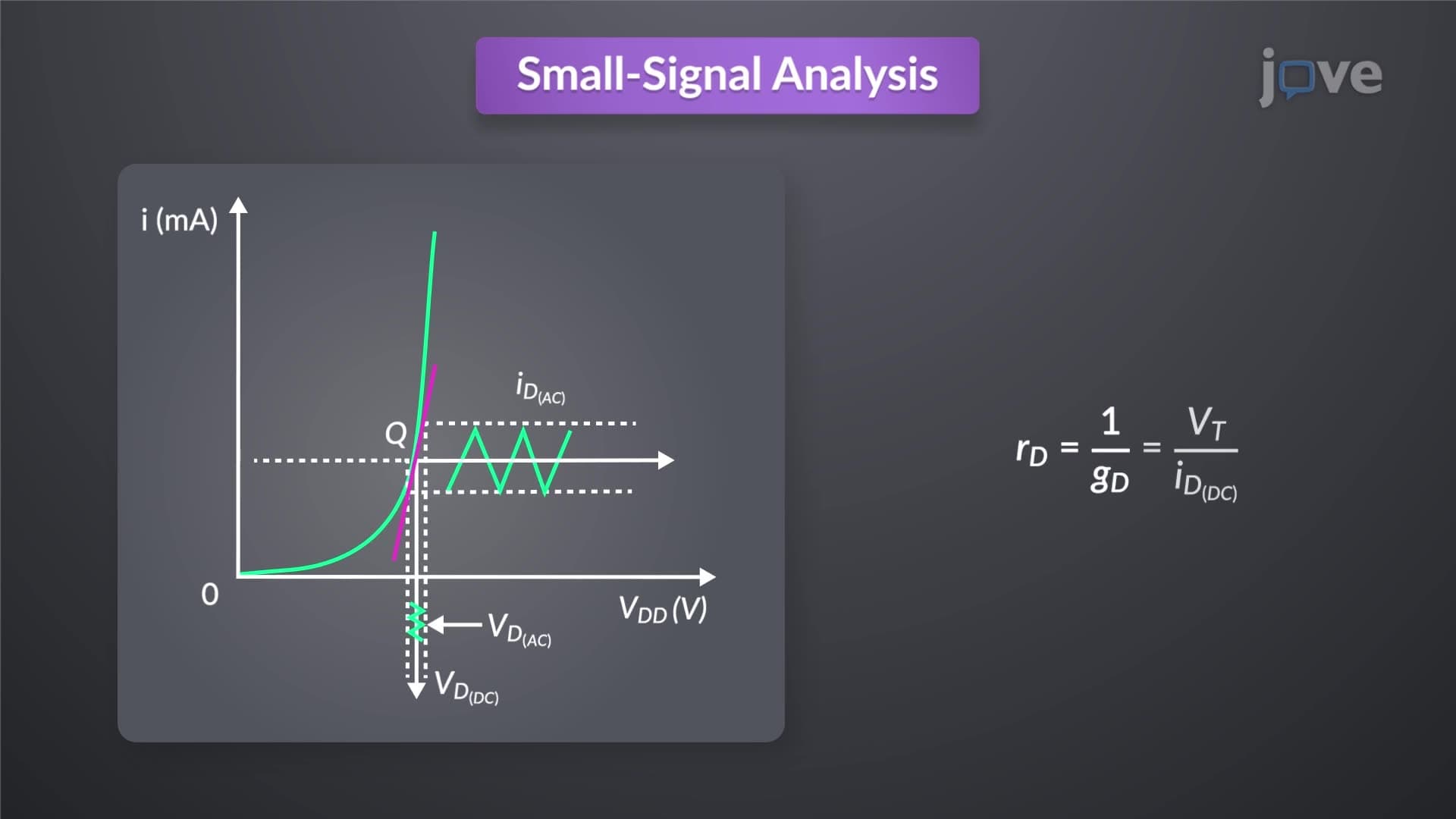
Silicon diodes exhibit a fascinating characteristic: virtually no current flows until the forward voltage reaches approximately 0.7 volts. This cut-in voltage acts like an electrical gate, blocking current below this threshold while permitting exponential current increases above it. This behavior differs significantly from simple resistors, which follow linear Ohm's law relationships.
Students preparing for AP Physics or college circuit analysis courses must understand this non-linear behavior. MCAT test-takers frequently encounter questions about diode characteristics in biomedical device contexts, such as cardiac pacemaker circuits or glucose monitoring systems.
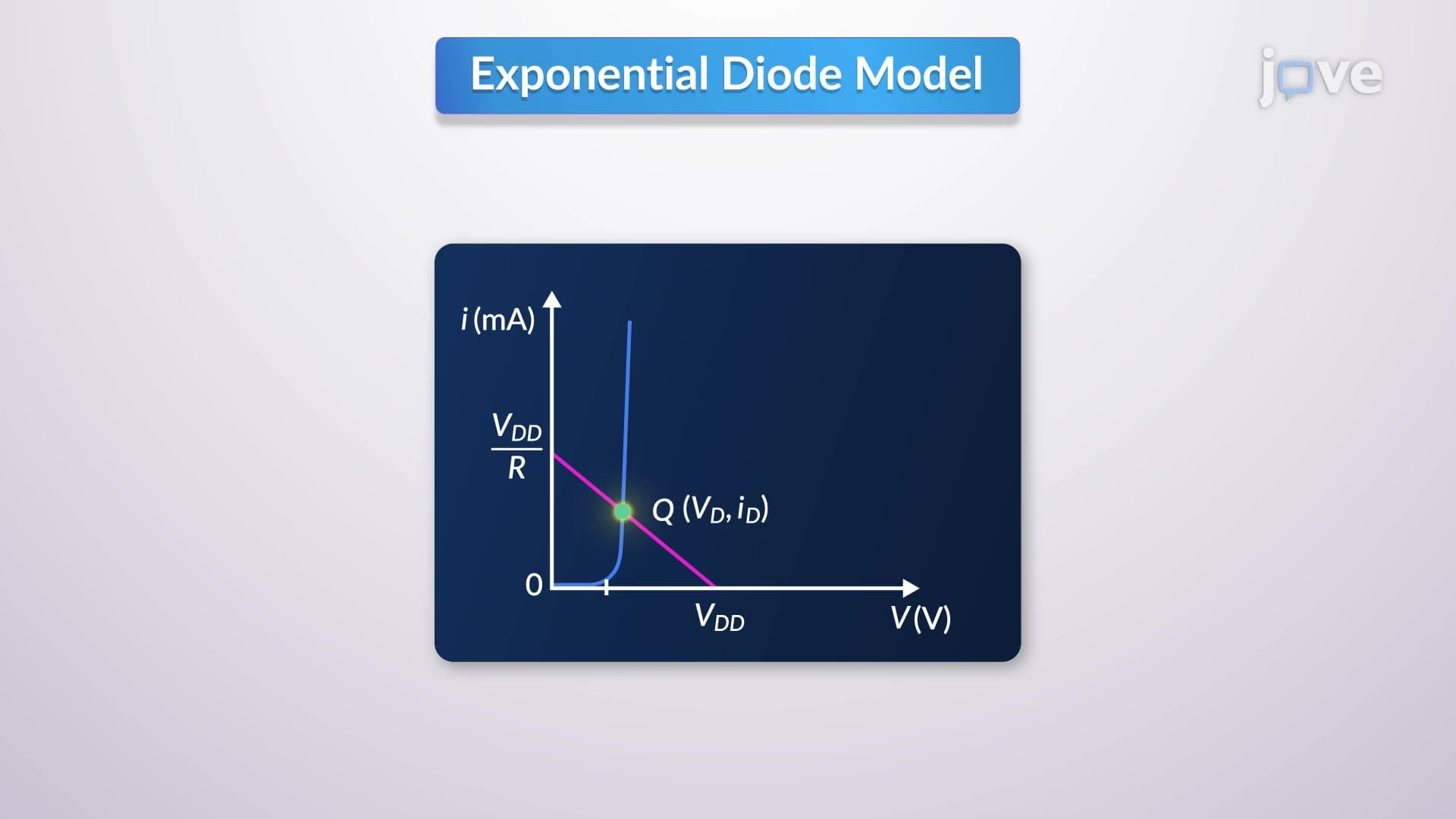
Beyond the cut-in voltage, diode current follows an exponential relationship governed by the diode equation. The saturation current depends on temperature and junction cross-sectional area, while thermal voltage incorporates the Boltzmann constant and electronic charge magnitude. At room temperature, thermal voltage equals approximately 26 millivolts.
This exponential behavior creates the remarkable "60-millivolt rule"—every tenfold current increase corresponds to roughly 60mV voltage change. Engineers at companies like Intel and Qualcomm use this relationship to design precision voltage references and current sources in microprocessors.
Forward-biased diodes enable essential functions in power supplies, automotive electronics, and renewable energy systems. Solar panel installations across California and Texas utilize bypass diodes in forward bias to prevent power losses during partial shading. Similarly, electric vehicle charging stations employ high-current rectifier diodes operating in forward bias to convert grid AC power into battery-compatible DC power.
Understanding these principles prepares students for advanced coursework in electrical engineering, biomedical engineering, and materials science programs at institutions like MIT, Stanford, and UC Berkeley.
Frequently Asked Questions
Diode forward bias occurs when the positive voltage connects to the p-type side and negative voltage connects to the n-type side, allowing current to flow easily. This configuration reduces the internal barrier, enabling the diode to conduct electricity efficiently. It's like opening a one-way electrical gate that permits current flow in the intended direction.
MCAT questions often focus on the 0.7V cut-in voltage in biomedical device contexts, while AP Physics emphasizes current-voltage graphing and circuit analysis. Students should memorize the exponential current relationship and practice calculating voltage drops across forward-biased diodes in series circuits. Both exams test understanding of the non-linear behavior versus simple resistive components.
Engineering programs at schools like Georgia Tech and Purdue teach this rule because it simplifies complex logarithmic calculations in diode circuits. The 60mV rule helps students quickly estimate current changes without calculators during exams. It's particularly valuable in analog circuit design and semiconductor physics coursework.
Your smartphone charger uses rectifier diodes in forward bias to convert wall AC power into DC power for battery charging. LED streetlights throughout cities like New York and Los Angeles operate with forward-biased light-emitting diodes. Solar panel systems on residential rooftops employ bypass diodes in forward bias to maintain power flow when panels are partially shaded.
Students with basic algebra skills can master diode forward bias concepts effectively. The key is understanding the 0.7V threshold and exponential behavior rather than complex mathematical derivations. Visual learners benefit from graphing current-voltage relationships, while hands-on students enjoy LED circuit experiments that demonstrate forward bias principles directly.
Create comparison charts between forward and reverse bias conditions, practice sketching I-V characteristic curves, and solve numerical problems involving the 60mV rule. Use flashcards for the 0.7V cut-in voltage and temperature coefficients. Work through past AP Physics or college midterm problems focusing on diode circuit analysis and current calculations.
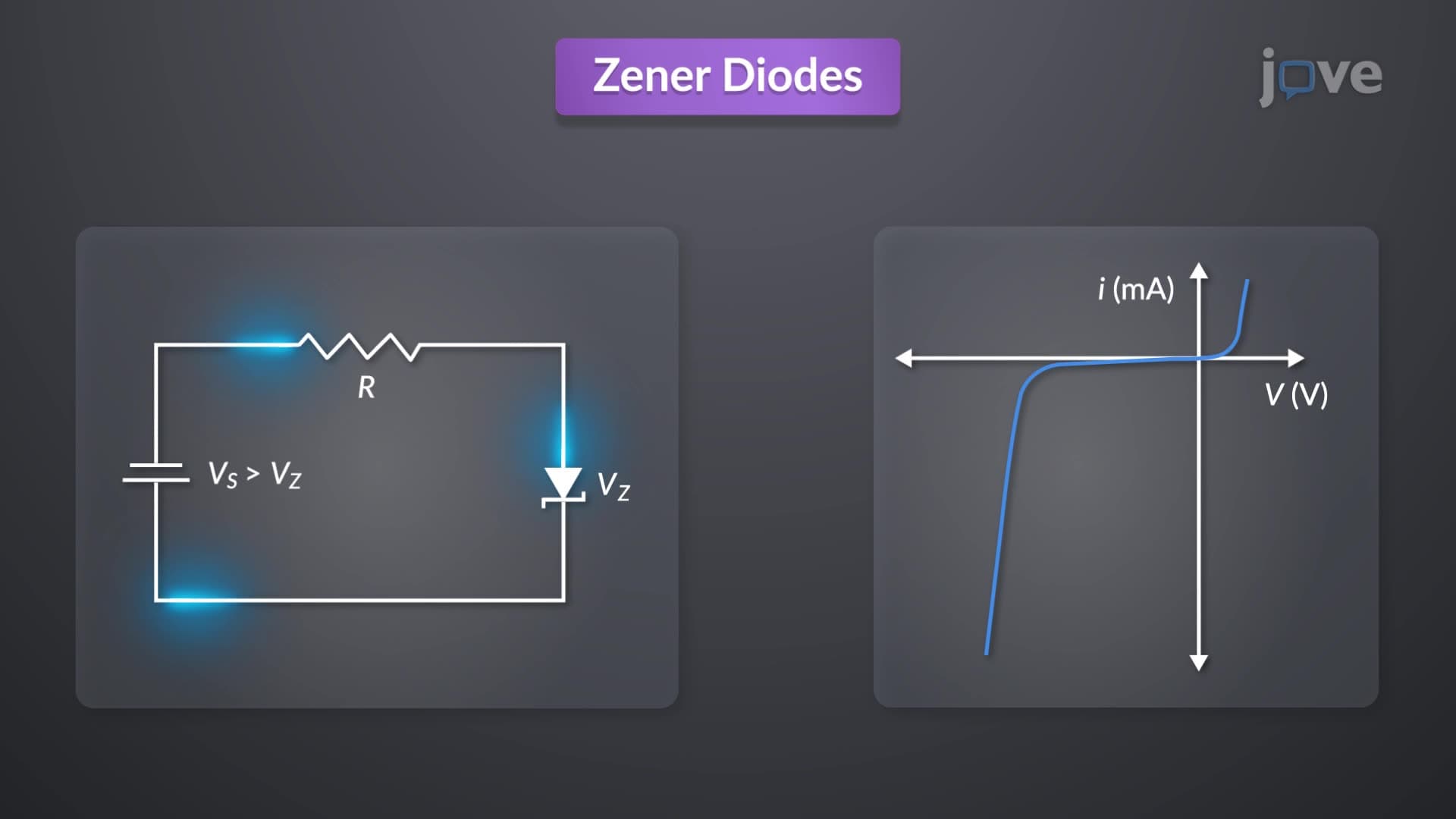
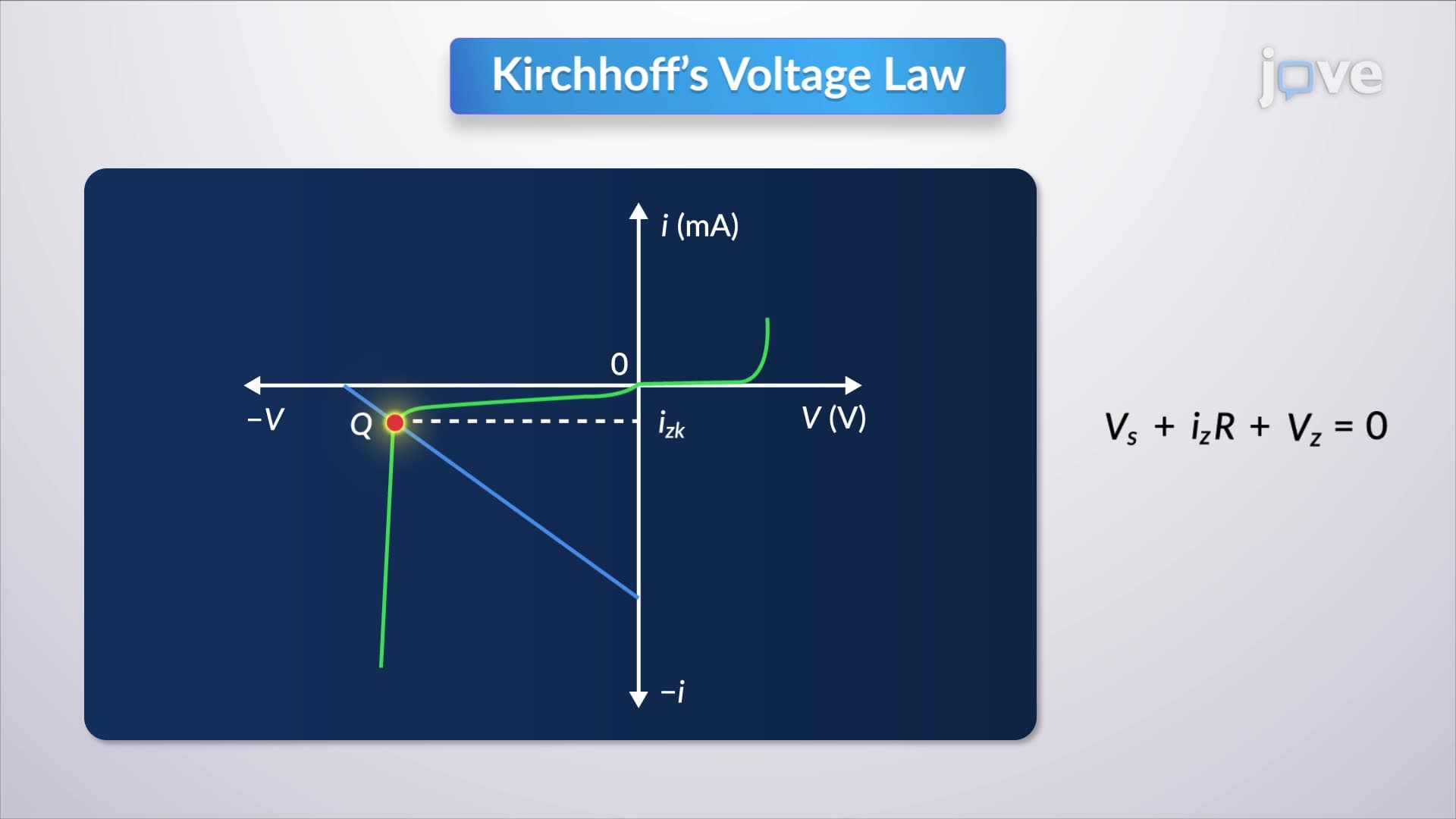
Students should investigate diode reverse bias characteristics, Zener diodes for voltage regulation, and diode applications in rectifier circuits. Advanced learners can explore LED physics, solar cell operation, and semiconductor manufacturing processes. These concepts build naturally toward transistor operation and integrated circuit design principles.
Temperature increases cause the saturation current to rise exponentially while the thermal voltage changes proportionally with absolute temperature. Higher temperatures reduce the effective forward voltage drop slightly, affecting precision circuits in aerospace applications like Mars rover electronics. Understanding temperature coefficients is crucial for designing reliable electronic systems operating in varying environmental conditions.
Related Micro-courses


Related Subjects
 Civil Engineering 30 micro-courses›Mechanical Engineering 28 micro-courses›