Loading…
Loading video…

16,136 views
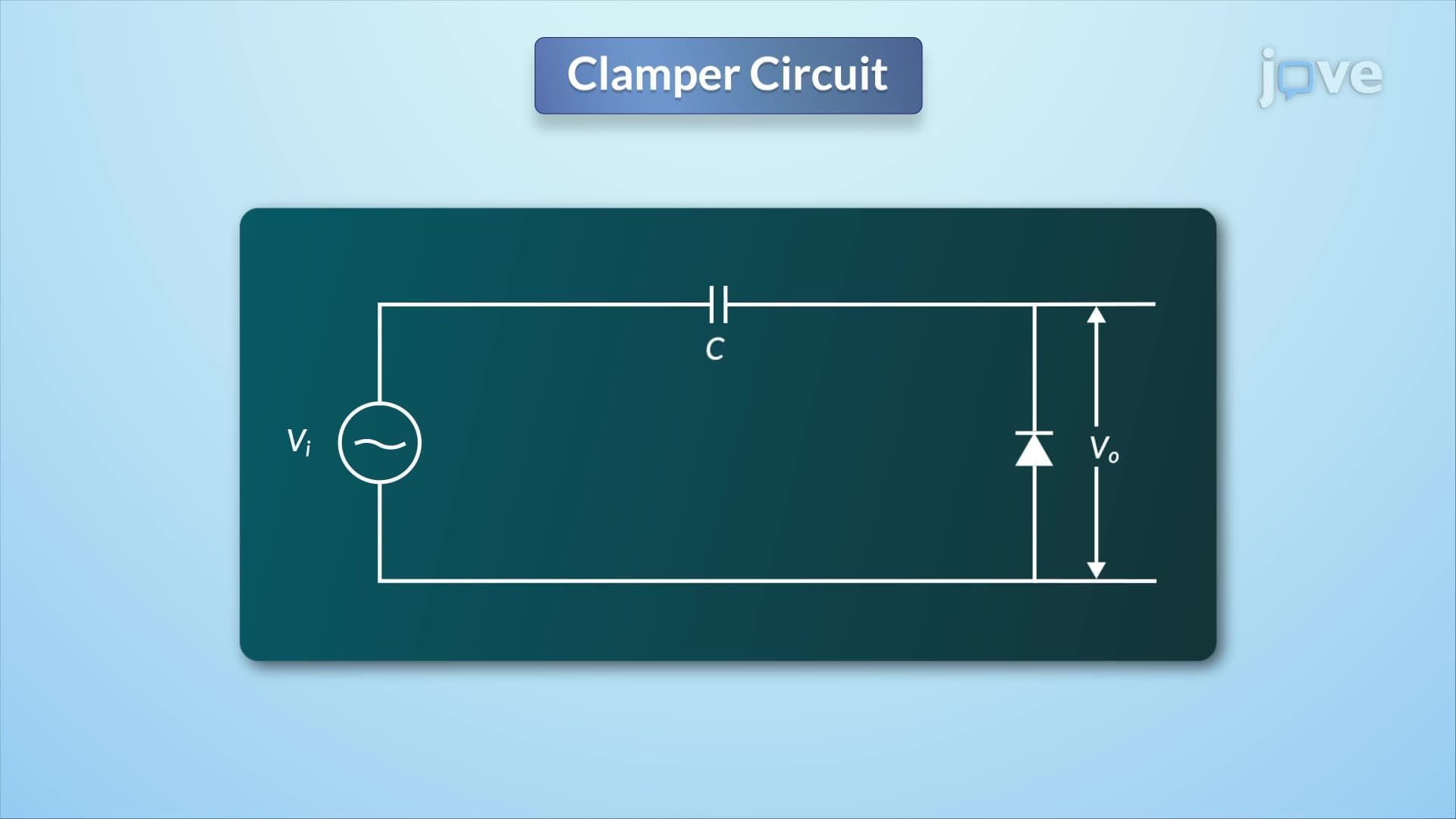
Ever wondered how your smartphone protects its delicate circuits from voltage spikes? A clamper circuit is an electronic wave-shaping device that uses diodes to limit voltage levels and protect sensitive components. These circuits are essential in everything from automotive electronics to medical equipment like MRI machines across US hospitals. Understanding what is clamper circuit opens the door to grasping how modern electronics maintain signal integrity and prevent damage. Watch the full video on JoVE Coach to master this concept with expert-led visuals and step-by-step explanations.
A clipper circuit represents a fundamental wave-shaping tool in electronics that deliberately removes or "clips" portions of input signals that exceed predetermined voltage levels. This clamper circuit definition encompasses both positive and negative clipping capabilities, making these devices essential for signal conditioning and circuit protection. Unlike amplifiers that boost signals, clipper circuits intentionally limit signal amplitude to prevent damage to downstream components.
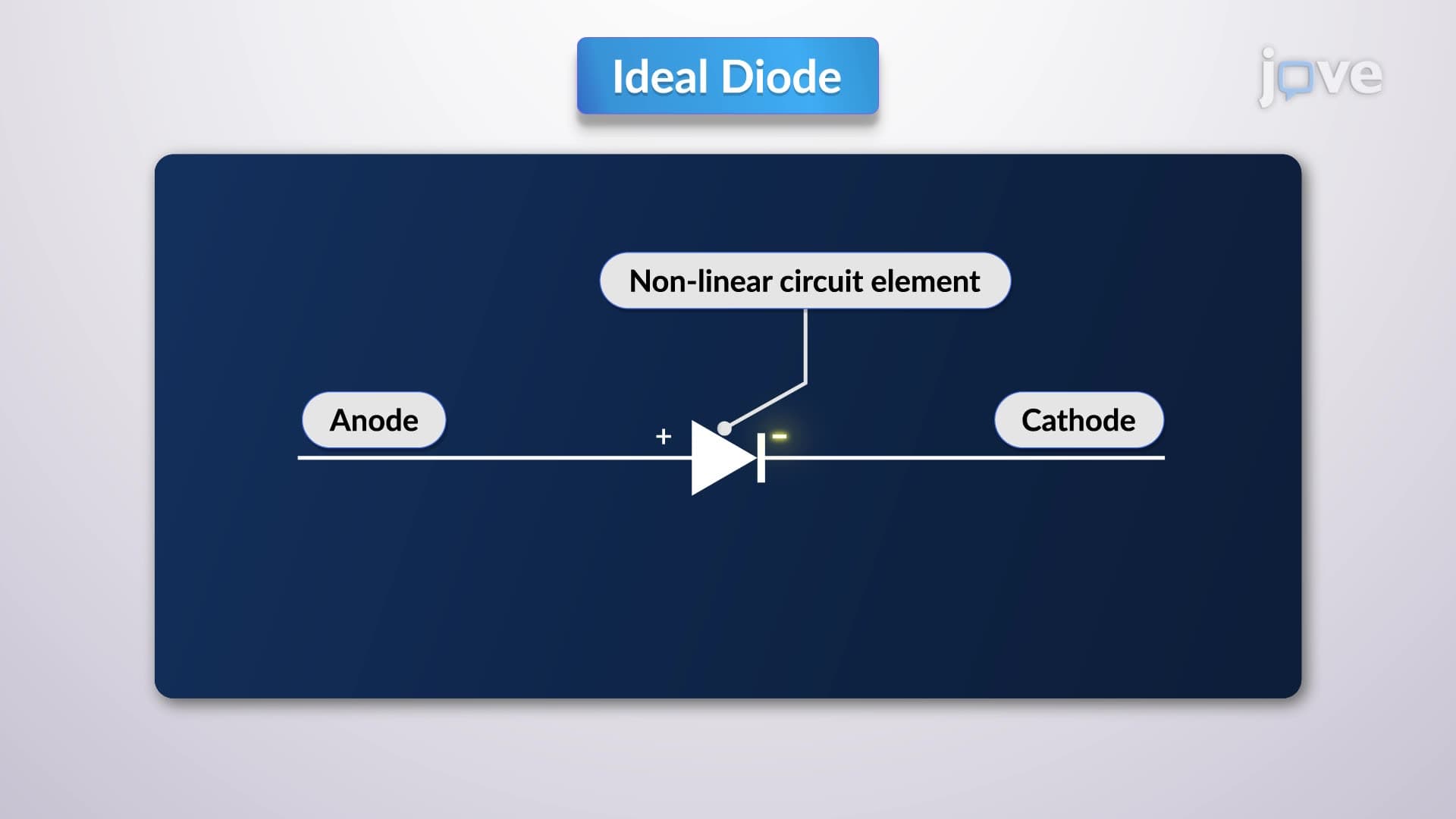
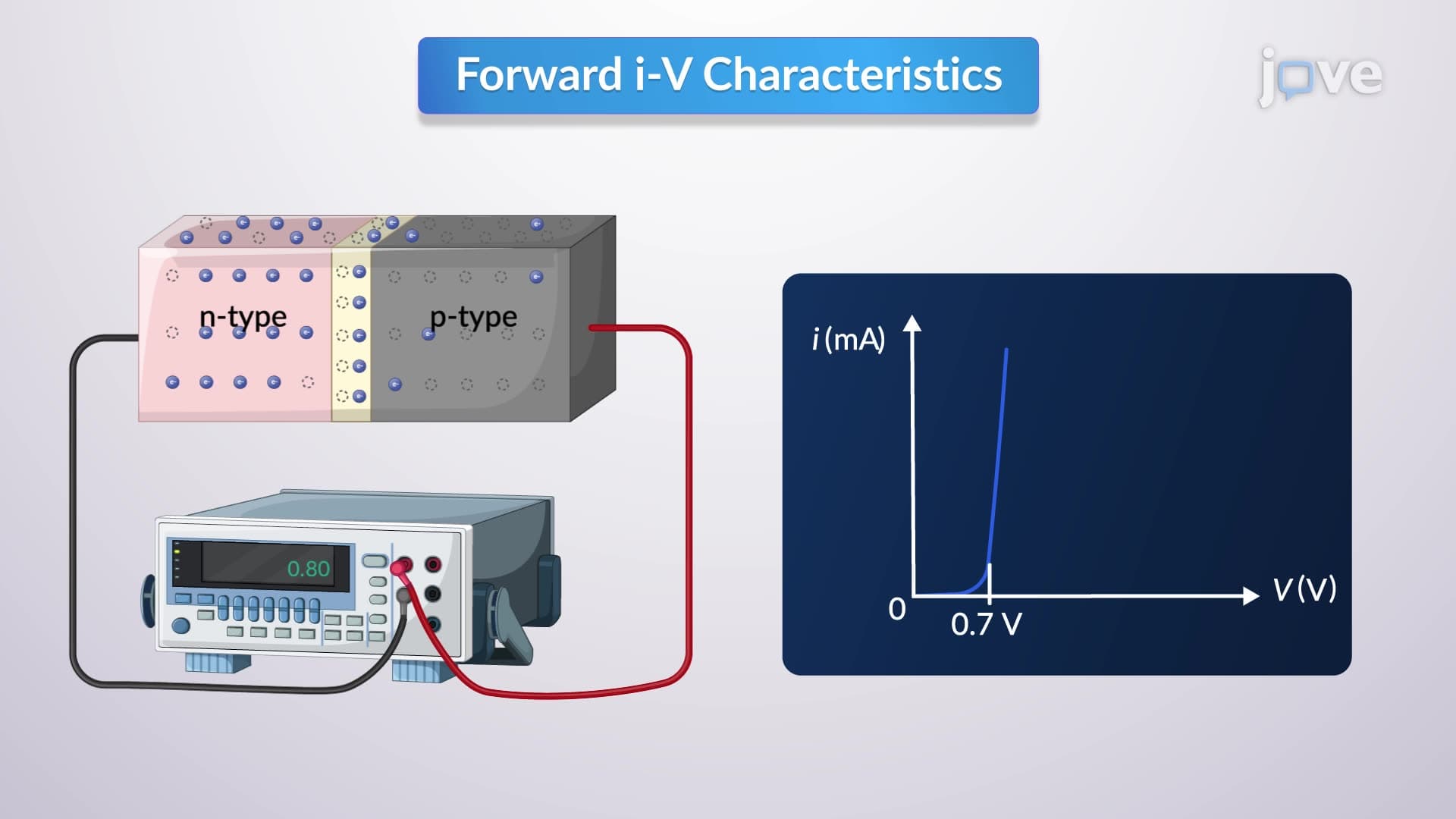
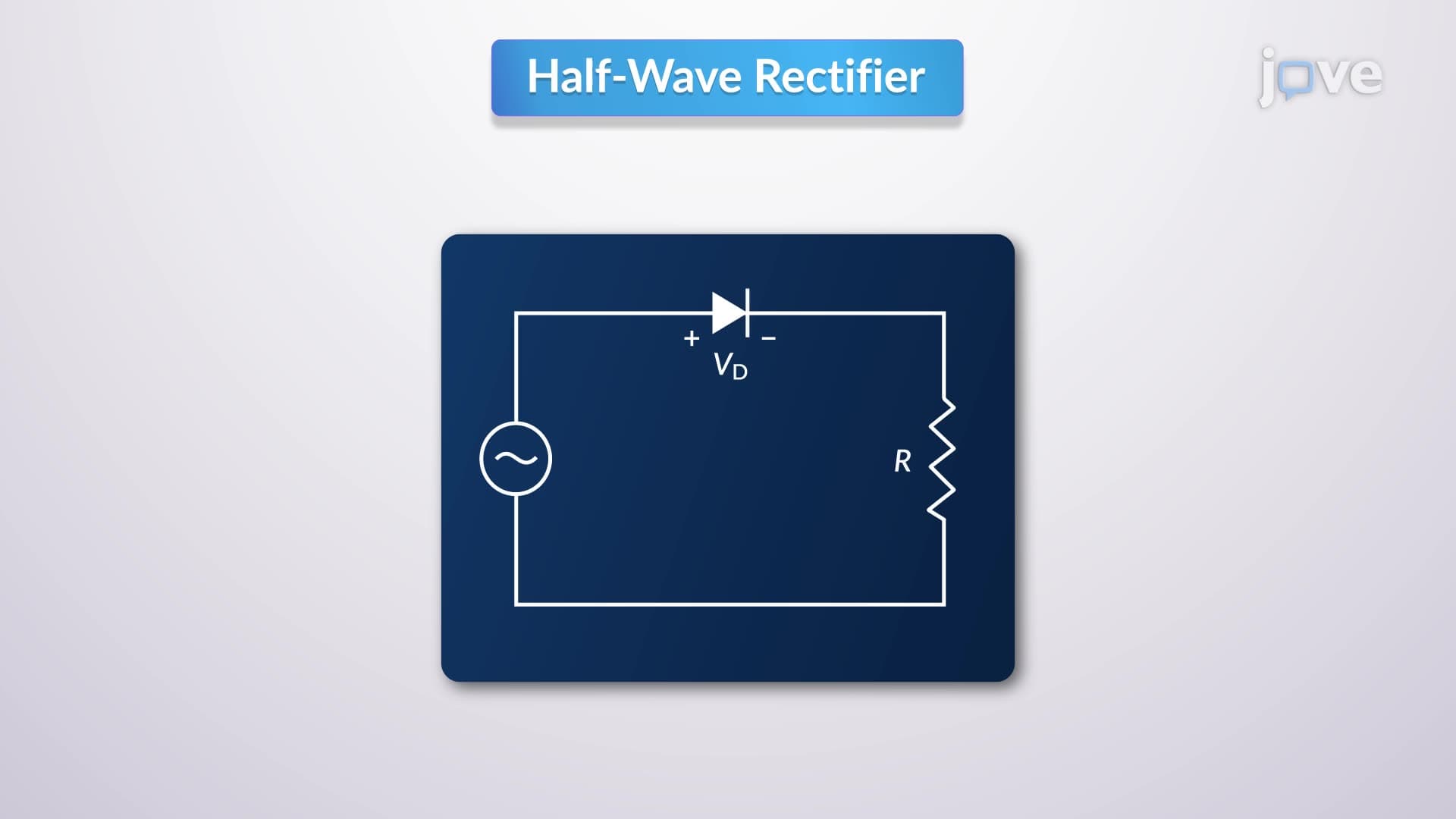
The clamper circuit concept revolves around the strategic use of diodes as voltage-controlled switches. When examining what is clamper circuit in detail, we discover that diodes conduct current in one direction when forward-biased and block current when reverse-biased. This fundamental semiconductor behavior enables precise control over which portions of AC waveforms pass through to the output.
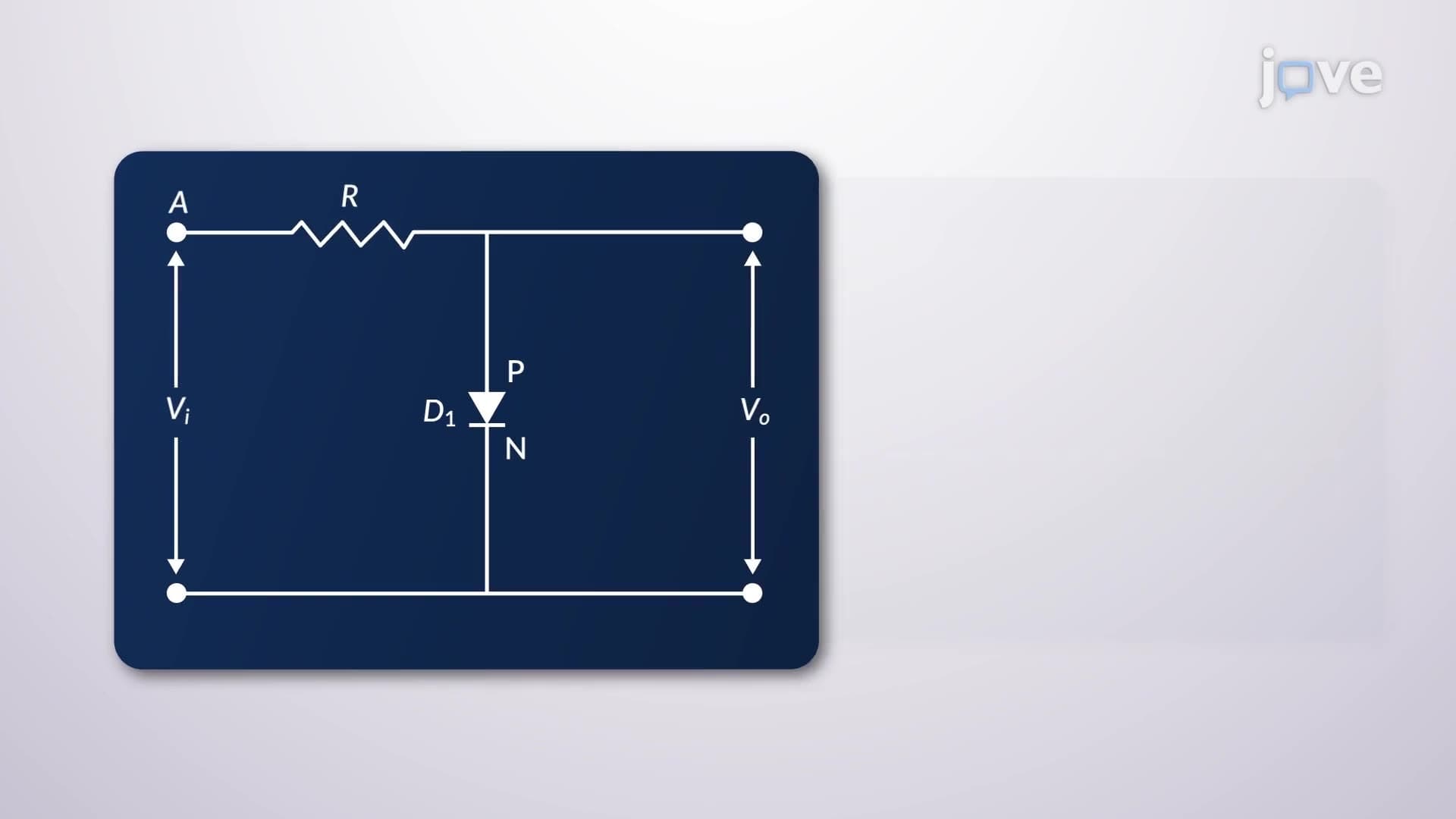
Understanding clamper circuit basics requires examining how dual-clipper configurations work during different signal phases. During the positive half-cycle, diode D1 experiences competing influences: the input signal attempts to forward-bias it while the biasing battery creates reverse-bias. The net effect determines whether clipping occurs. When input voltage remains below the biasing threshold, D1 stays off, allowing the signal to pass unchanged. However, once input voltage exceeds this threshold, D1 conducts, effectively short-circuiting the excess voltage and maintaining output at the biasing level.
This clamper circuit overview becomes more complex during negative half-cycles when roles reverse. Diode D2 now becomes the active clipping element, limiting negative voltage excursions according to its biasing voltage. The precise resistance value selection ensures adequate forward current for reliable diode operation while minimizing reverse leakage current that could affect signal integrity.
Students preparing for AP Physics C or college-level electronics courses encounter clipper circuits in power supply design, signal processing, and protection circuit analysis. US universities like MIT and Stanford emphasize these concepts in their electrical engineering curricula because clipper circuits appear in countless applications from automotive ignition systems to medical device protection circuits.
Major US electronics manufacturers including Texas Instruments and Analog Devices incorporate clipper circuit principles into their integrated circuit designs for voltage regulation and signal conditioning. This clamper circuit study guide perspective helps students connect theoretical knowledge with practical industry applications they'll encounter in engineering careers or advanced coursework.
Frequently Asked Questions
A clipper circuit is an electronic device that removes portions of input signals exceeding specific voltage thresholds using diodes and biasing elements. Unlike amplifiers that boost signals or filters that remove frequencies, clipper circuits specifically limit amplitude by "clipping" voltage peaks and valleys. This makes them essential for circuit protection and signal conditioning in power supplies, communication systems, and electronic devices.
Clipper circuit problems commonly appear in AP Physics C electricity sections and college circuit analysis courses, focusing on diode behavior analysis and waveform sketching. Students typically solve for output voltages given input signals and biasing levels, or determine component values for specific clipping thresholds. Many universities include these concepts in introductory electronics labs where students build and test actual clipper circuits.
While clipper circuits rarely appear directly on MCAT exams, understanding diode behavior and basic circuit analysis helps with electronics questions in the physics section. The MCAT focuses more on fundamental physics principles rather than specific circuit designs, but clipper circuit knowledge demonstrates solid understanding of semiconductor behavior and AC circuit analysis.
Clipper circuits protect sensitive electronics in smartphones, automotive systems, and home appliances throughout the United States. They prevent voltage spikes in car ignition systems, limit signal levels in radio transmitters, and protect computer power supplies from electrical surges. Television broadcast equipment and radar systems at airports rely on clipper circuits for signal processing and equipment protection.
Understanding clipper circuits requires only basic algebra and knowledge of Ohm's law, making them accessible to high school physics students. The mathematical analysis involves comparing input voltages to biasing levels and applying simple circuit rules. Students comfortable with basic trigonometry for AC analysis and fundamental semiconductor concepts can successfully master clipper circuit principles.
Practice sketching output waveforms for given input signals and biasing conditions, focusing on identifying clipping thresholds and transition points. Create comparison charts showing how different biasing voltages affect clipping levels, and work through problems involving resistance calculations for proper diode operation. Drawing circuit diagrams while explaining operation to study partners reinforces understanding of current flow and voltage relationships.
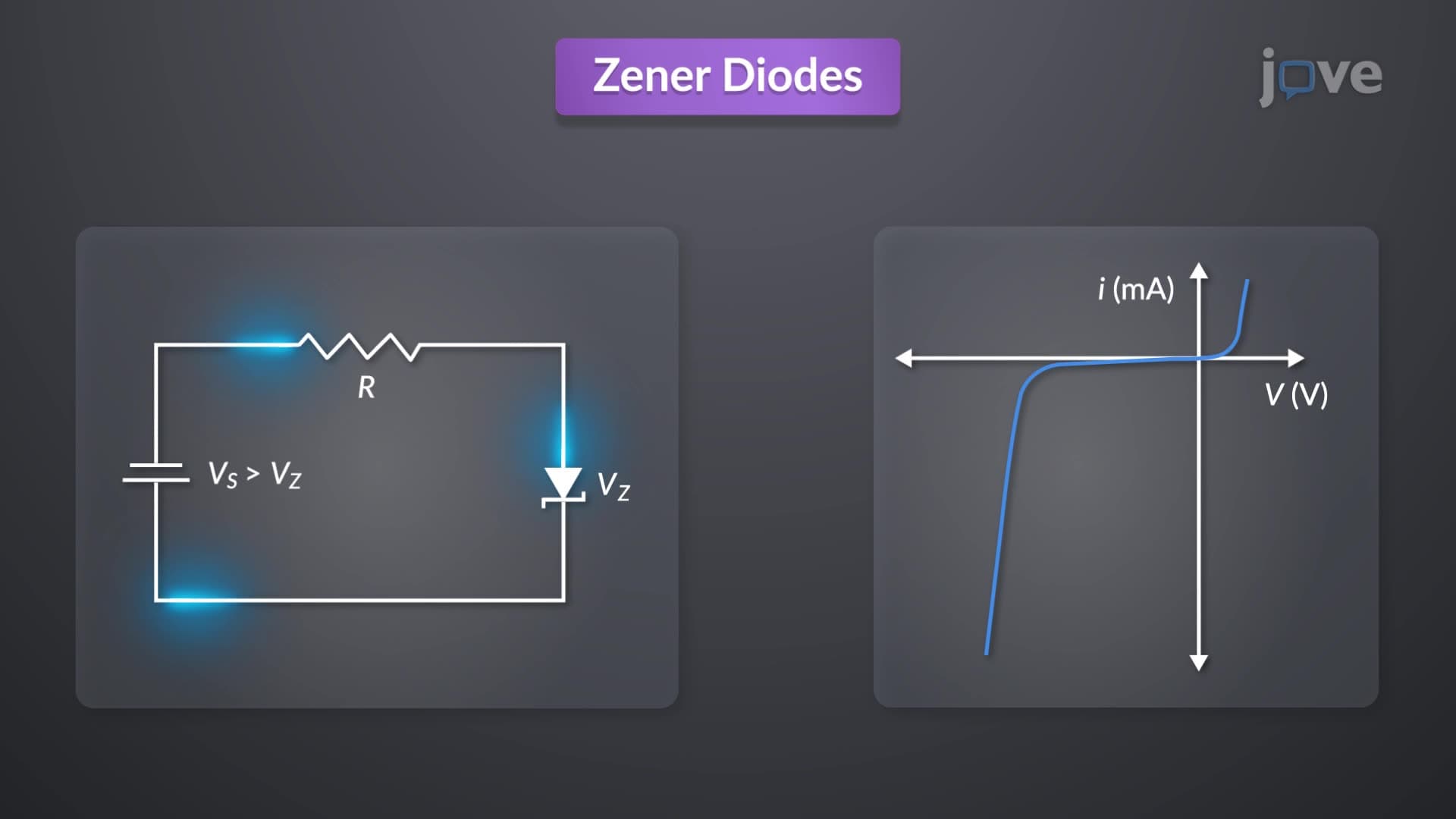
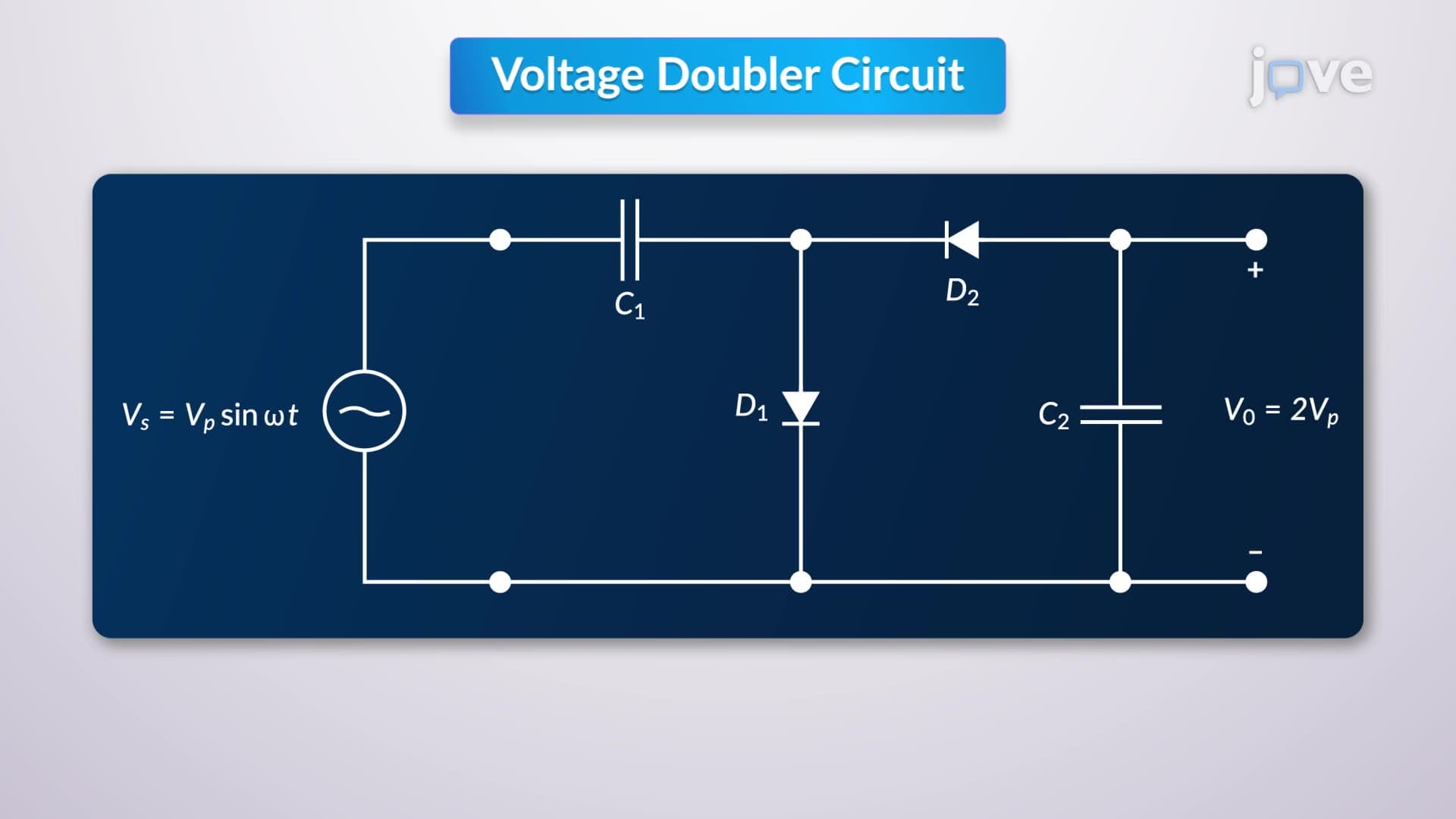
After mastering clipper circuits, explore clamper circuits (which shift DC levels), voltage multipliers, and active clipping circuits using operational amplifiers. These concepts build naturally on clipper circuit principles and appear frequently in advanced electronics courses and engineering applications. Understanding Zener diode applications and precision clipping circuits provides deeper insight into professional circuit design.
Related Micro-courses


Related Subjects
 Civil Engineering 30 micro-courses›Mechanical Engineering 28 micro-courses›