Loading subject page…

- Electrical Engineering
- Energy Storage Elements
- Energy Stored in Inductors
Micro-course: Energy Storage Elements
13,005 views
Learn key concepts and earn your certificate.



Energy Stored in Inductors

00:00
01:16
Video Summary: What Is Energy Stored in Inductors
Ever wondered how MRI machines at hospitals like Johns Hopkins create those powerful magnetic fields? The secret lies in understanding series and parallel inductors and how they store massive amounts of energy in their magnetic fields. When current flows through an inductor's coils, it creates a magnetic field that can store energy - just like a spring stores mechanical energy when compressed. This energy storage principle is fundamental to everything from power grid transformers to the ignition systems in Ford vehicles. Watch the full video on JoVE Coach to master this concept with expert-led visuals and step-by-step explanations.
- Understand what is energy stored in inductors and how magnetic field strength determines storage capacity
- Identify the mathematical relationship between current, inductance, and stored energy in electrical circuits
- Analyze how ideal versus non-ideal inductors behave differently in energy storage applications
- Compare series and parallel inductors configurations and their impact on total energy storage
- Evaluate the role of winding resistance and capacitance in real-world inductor performance
- Apply energy storage principles to solve problems involving inductors in AC and DC circuits
- Recognize how inductor energy storage enables practical applications like transformers and motors
- Explore the connection between instantaneous power delivery and cumulative energy storage over time
Understanding What is Energy Stored in Inductors
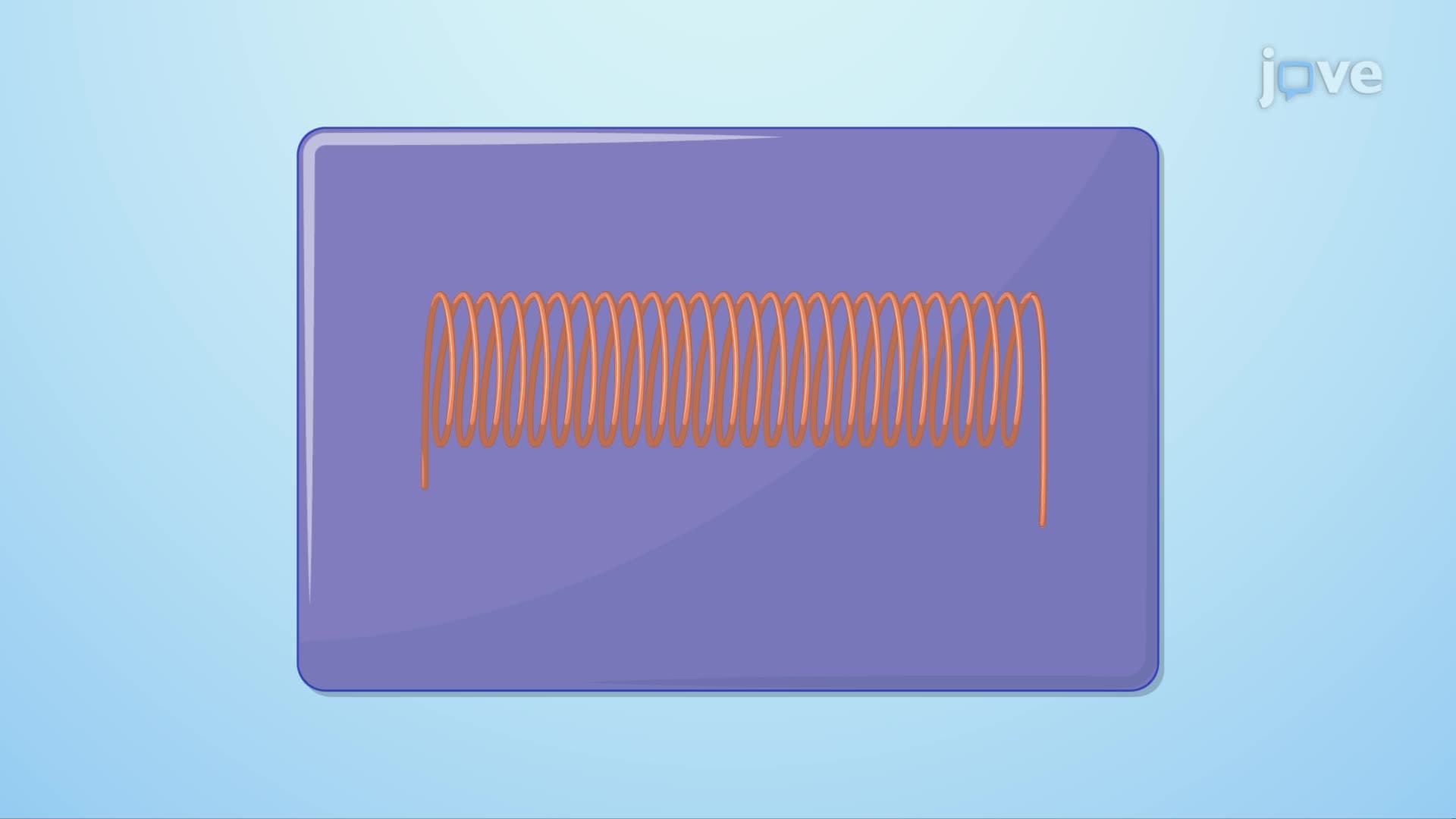
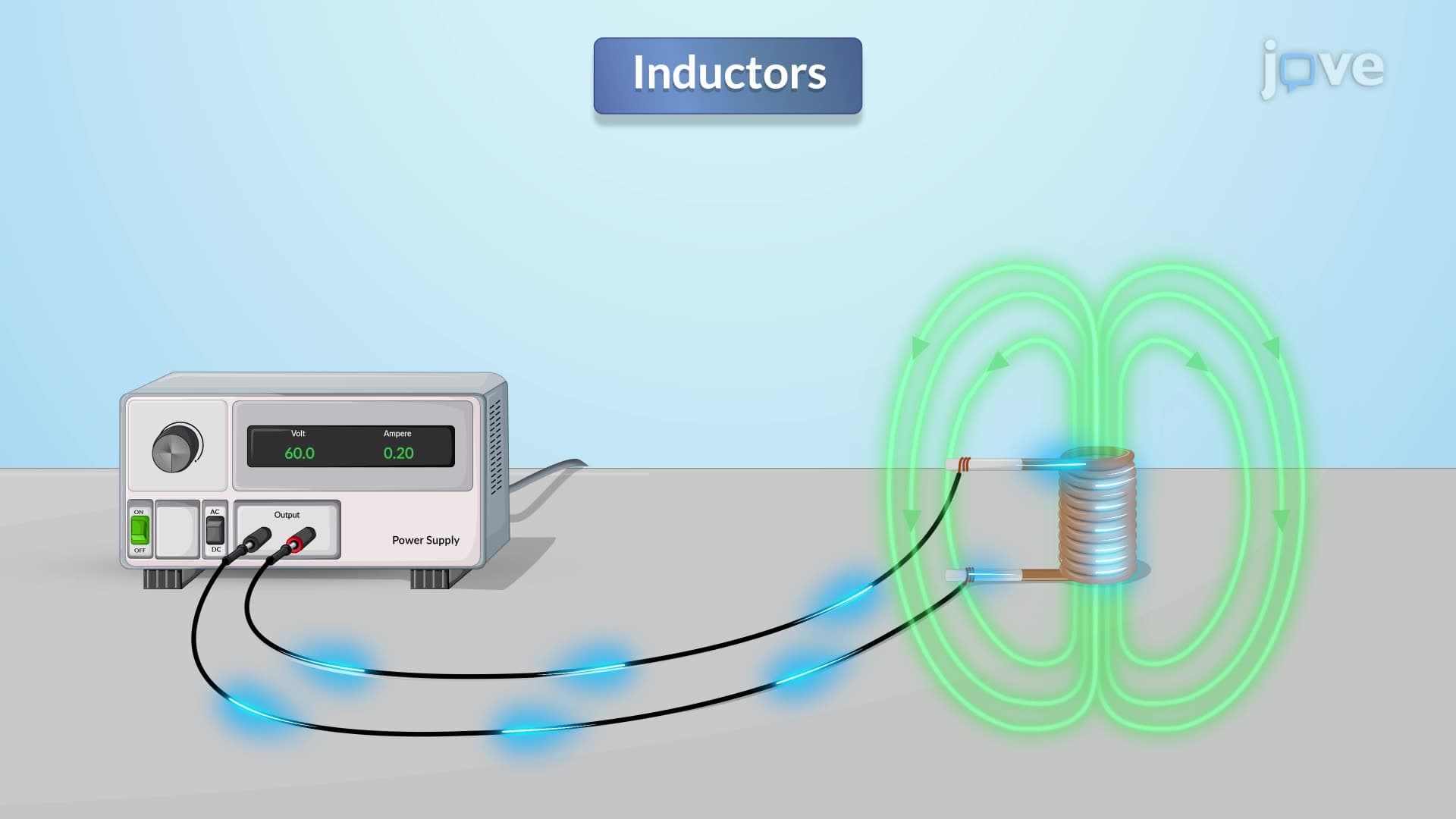
Energy storage in inductors represents one of the fundamental principles in electrical engineering, rivaling the importance of energy storage in capacitors. Unlike capacitors that store energy in electric fields, inductors store energy in magnetic fields created by current flow through their wire coils. This magnetic energy storage enables critical applications from Tesla's electric vehicle motors to the massive inductors used in power transmission systems across the US electrical grid.
Mathematical Foundation of Inductor Energy Storage
The energy stored in an inductor equals one-half the inductance times the current squared: E = (1/2)LI². This elegant relationship reveals that energy storage increases quadratically with current - doubling the current quadruples the stored energy. For students preparing for the AP Physics exam or college-level circuits courses, understanding this relationship is crucial for solving complex circuit analysis problems. The derivation involves integrating the instantaneous power (P = VI) over time, where the voltage across an inductor is V = L(dI/dt).
Series and Parallel Inductors: Configuration Impact
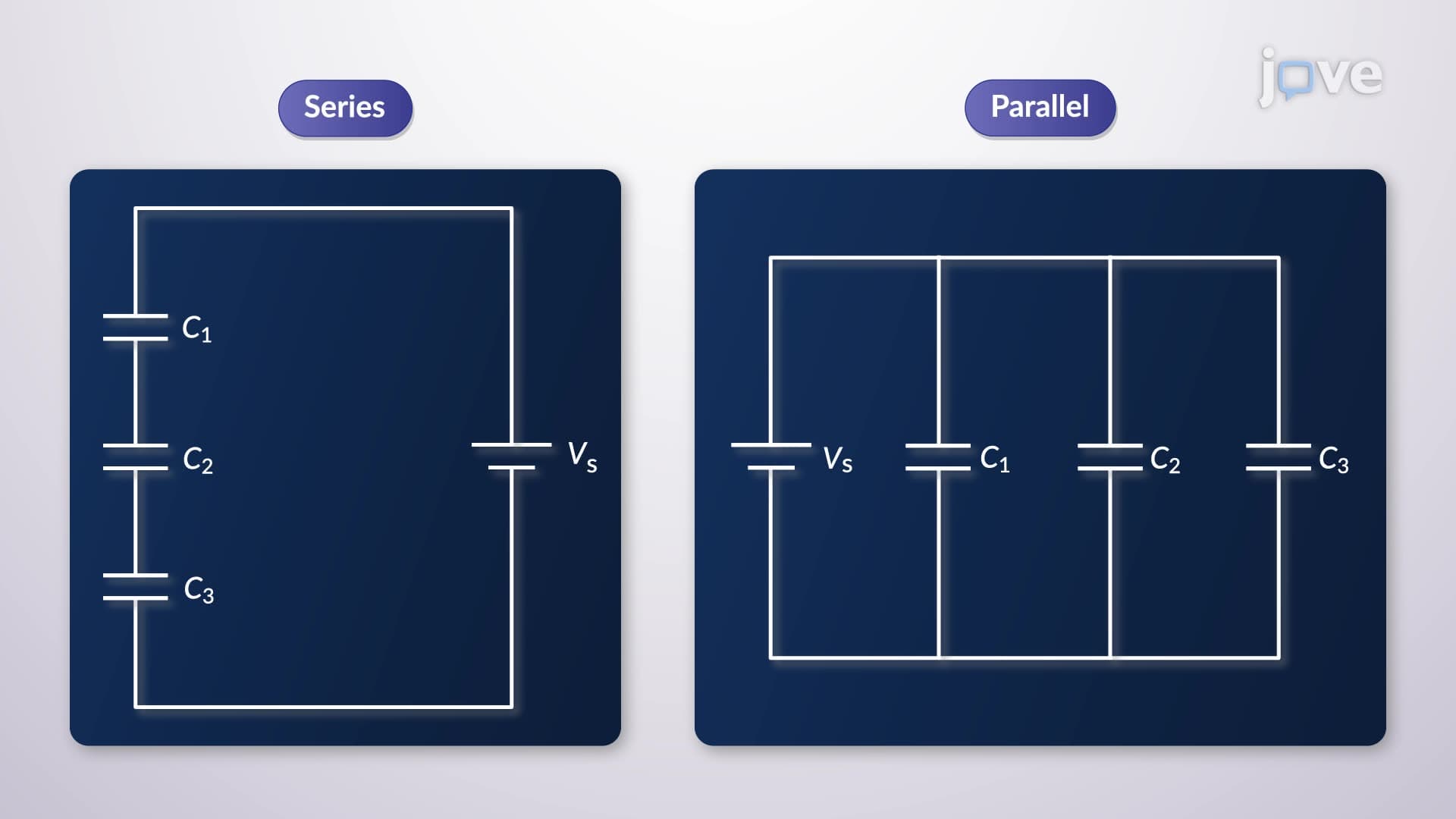
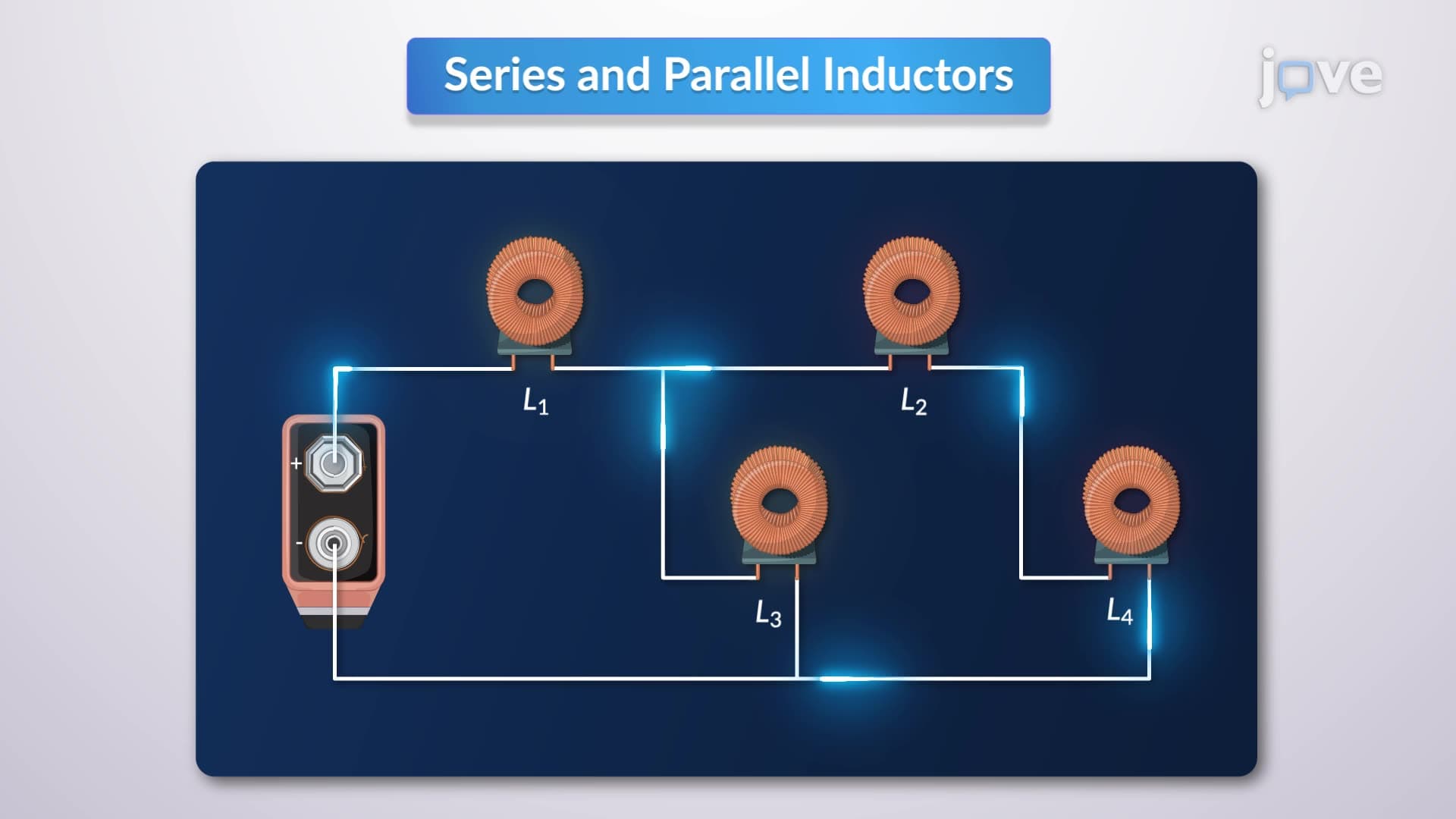
When analyzing series and parallel inductors, the total energy storage depends on the equivalent inductance. In series configurations, inductances add directly (L_total = L1 + L2 + L3...), while parallel configurations follow the reciprocal rule (1/L_total = 1/L1 + 1/L2 + 1/L3...). This means series arrangements typically store more energy for the same current, making them valuable in applications like the inductive charging systems used by companies such as Qualcomm for electric vehicles.
Real-World Applications and Non-Ideal Behavior
Practical inductors deviate from ideal behavior due to winding resistance and parasitic capacitance. The copper wire in inductor coils has inherent resistance, creating the equivalent circuit of an ideal inductor in series with a resistor. This resistance causes energy dissipation as heat - a critical consideration in high-power applications like the inductors used in wind turbine generators across Texas wind farms. At high frequencies, winding capacitance between adjacent wire turns becomes significant, affecting performance in radio frequency applications like those found in Qualcomm's 5G infrastructure equipment.
Frequently Asked Questions
Energy stored in inductors occurs in magnetic fields created by current flow, while capacitors store energy in electric fields between charged plates. Inductor energy depends on current squared (E = ½LI²), whereas capacitor energy depends on voltage squared (E = ½CV²). This fundamental difference makes inductors ideal for applications requiring high current handling, like motor drives and power supplies.
Series inductors increase total inductance (L_total = L1 + L2...), enabling greater energy storage for the same current. Parallel inductors decrease total inductance (1/L_total = 1/L1 + 1/L2...), reducing energy storage but allowing higher total current flow. The configuration choice depends on whether you need maximum energy density or current handling capability.
AP Physics typically includes problems calculating stored energy using E = ½LI², analyzing RL circuit time constants, and comparing energy storage in series versus parallel configurations. MCAT physical sciences sections often test understanding of magnetic field energy in biological applications like MRI machines. College physics courses expand to include AC analysis and transformer applications.
Electric vehicle charging stations use large inductors to store energy during power conversion processes. Tesla's Supercharger network relies on inductive components for efficient DC fast charging. Power grid infrastructure uses massive inductors in substations to regulate voltage and store energy during load fluctuations, particularly important in renewable energy integration across California's solar farms.
Basic understanding requires only algebra and the energy formula E = ½LI². While the mathematical derivation involves calculus (integrating power over time), most high school and introductory college courses focus on applying the final formula. Students can successfully solve circuit problems and understand practical applications without deep calculus knowledge.
Connect formulas to physical intuition - energy increases with current squared because magnetic field strength depends on current. Practice with diverse problem types: calculating stored energy, comparing series/parallel configurations, and analyzing RL circuits. Create concept maps linking inductance, current, magnetic fields, and energy storage to reinforce understanding.
Winding resistance causes energy loss as heat, reducing efficiency in power applications but typically negligible in low-power circuits. Parasitic capacitance becomes significant at high frequencies, creating resonant behavior that can interfere with circuit operation. Understanding these non-ideal effects is crucial for advanced circuit design and troubleshooting real-world applications.
Explore transformer theory and mutual inductance, which extends energy storage concepts to coupled circuits used in power distribution. Study switched-mode power supplies where inductor energy storage enables voltage conversion. Advanced topics include magnetic core materials, inductor design optimization, and high-frequency effects in RF applications.
Related Micro-courses

13 Concepts
16 Concepts
9 Concepts