Loading video…


 8 Concepts
 13K views

Video Summary: Design Example Automobile Ignition System Explained
Ever wondered how your car's engine creates the precise spark needed to ignite fuel thousands of times per minute? First order circuits make this automotive marvel possible through carefully engineered electrical systems. The Design Example Automobile Ignition System Explained demonstrates how a simple 12-volt car battery generates the thousands of volts required for spark plug ignition using inductor properties and rapid switch timing. Watch the full video on JoVE Coach to master this concept with expert-led visuals and step-by-step explanations.
The automotive ignition system represents one of the most practical applications of first order circuits in everyday technology. At its core, this system transforms a modest 12-volt battery into the 15,000-20,000 volts needed to create combustion sparks. This voltage transformation relies entirely on first order circuit principles, specifically the behavior of inductors when current changes rapidly.
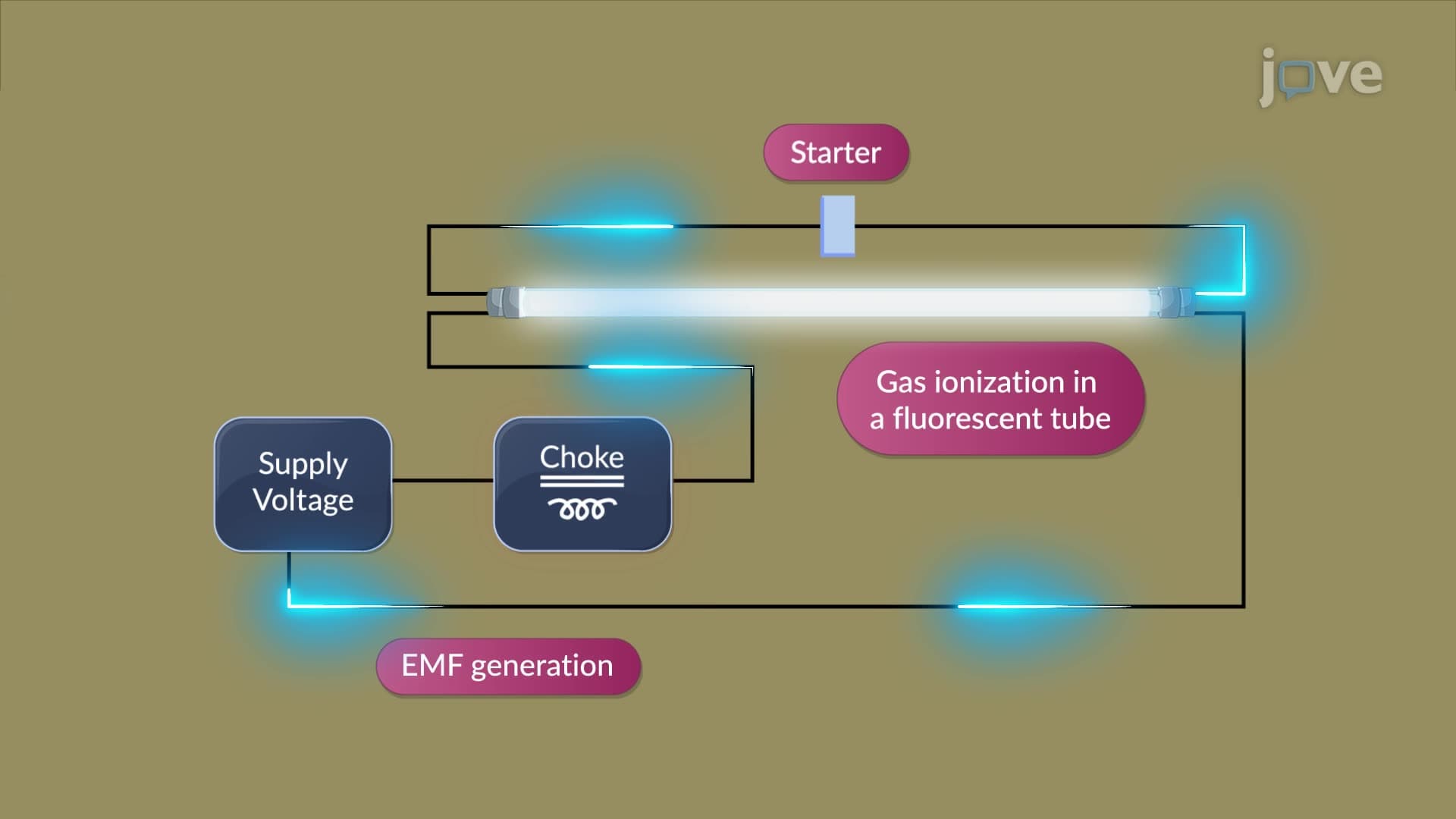
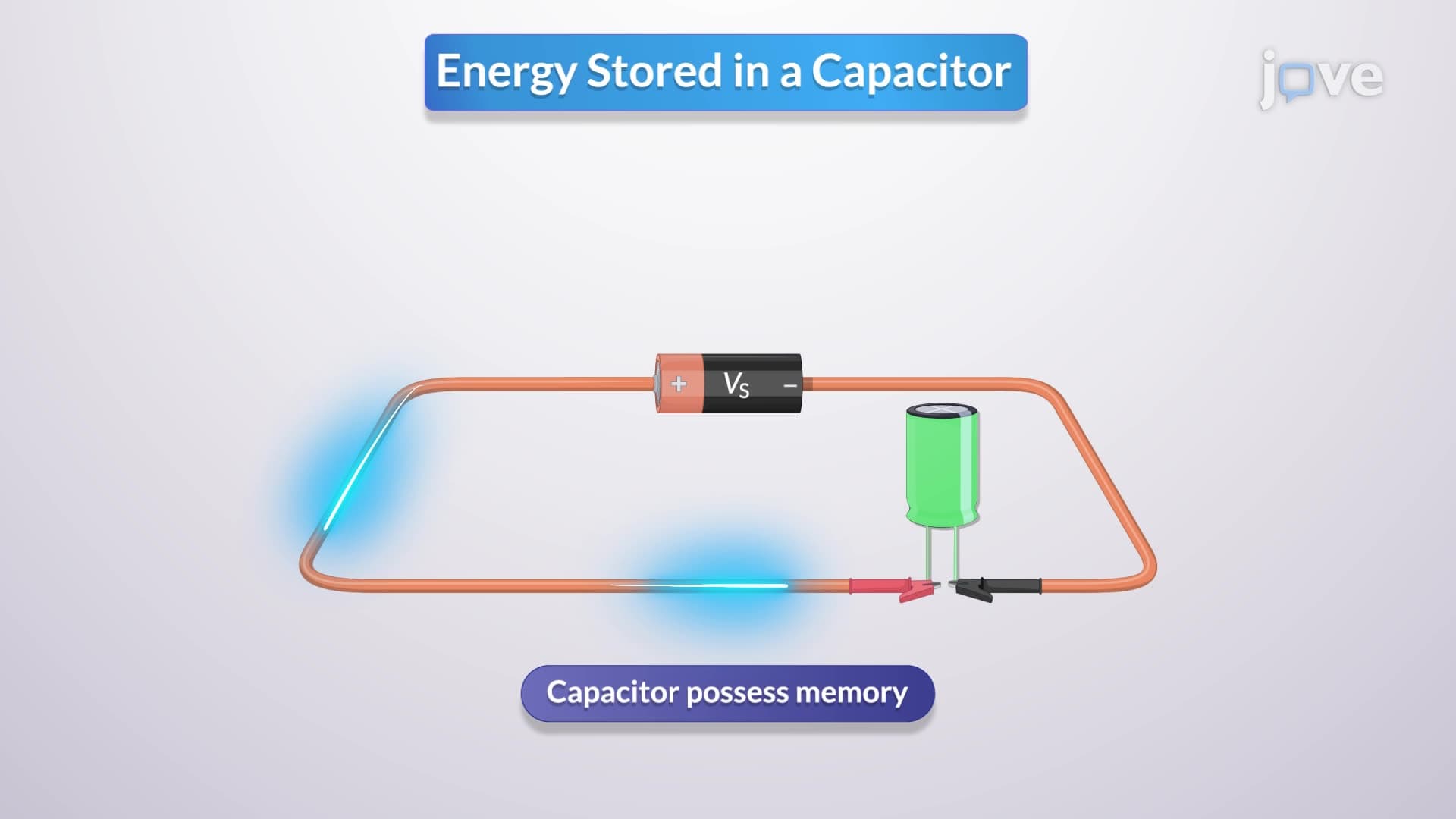
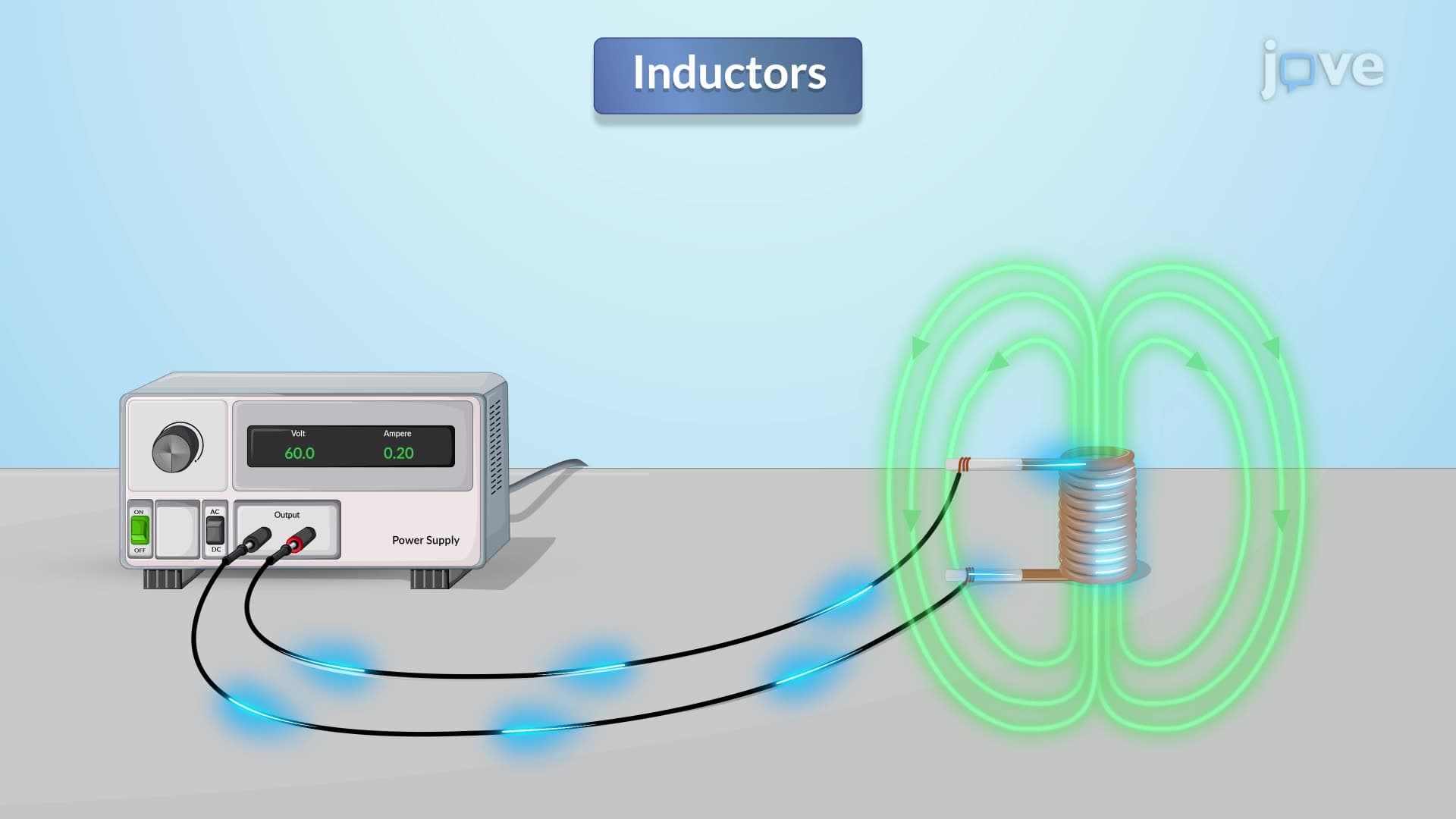
First order circuits contain only one energy-storage element (either an inductor or capacitor) plus resistors and sources. In automotive ignition systems, we primarily encounter RL (resistor-inductor) first order circuits. The spark coil acts as both an inductor and resistor, creating what engineers call an "ignition coil" or "spark coil." When current flows through this coil at steady state, it stores magnetic energy. The circuit reaches equilibrium when the inductor voltage drops to zero, allowing maximum current flow determined by Ohm's law: I = V/R.
The magic happens during the switching event. When the ignition switch opens abruptly, the magnetic field around the inductor collapses rapidly. According to Lenz's law, this changing magnetic flux induces a voltage opposing the change. The inductor voltage equation V = L × (dI/dt) shows that rapid current changes (large dI/dt values) create proportionally large voltages. In automotive systems, microsecond switching times generate the extreme voltage spikes needed for spark formation.
Understanding first order circuits proves essential for AP Physics C students, particularly in the electricity and magnetism section. College electrical engineering students encounter these concepts in introductory circuits courses, where they learn to solve differential equations governing circuit behavior. The time constant τ = L/R determines how quickly the circuit responds to changes. In ignition systems, engineers design coils with specific time constants to optimize spark timing and energy delivery. This knowledge appears frequently on the MCAT physics section and forms foundational understanding for automotive engineering careers at companies like Ford, General Motors, and Tesla.
Related Micro-courses