Loading video…


 8 Concepts
 13K views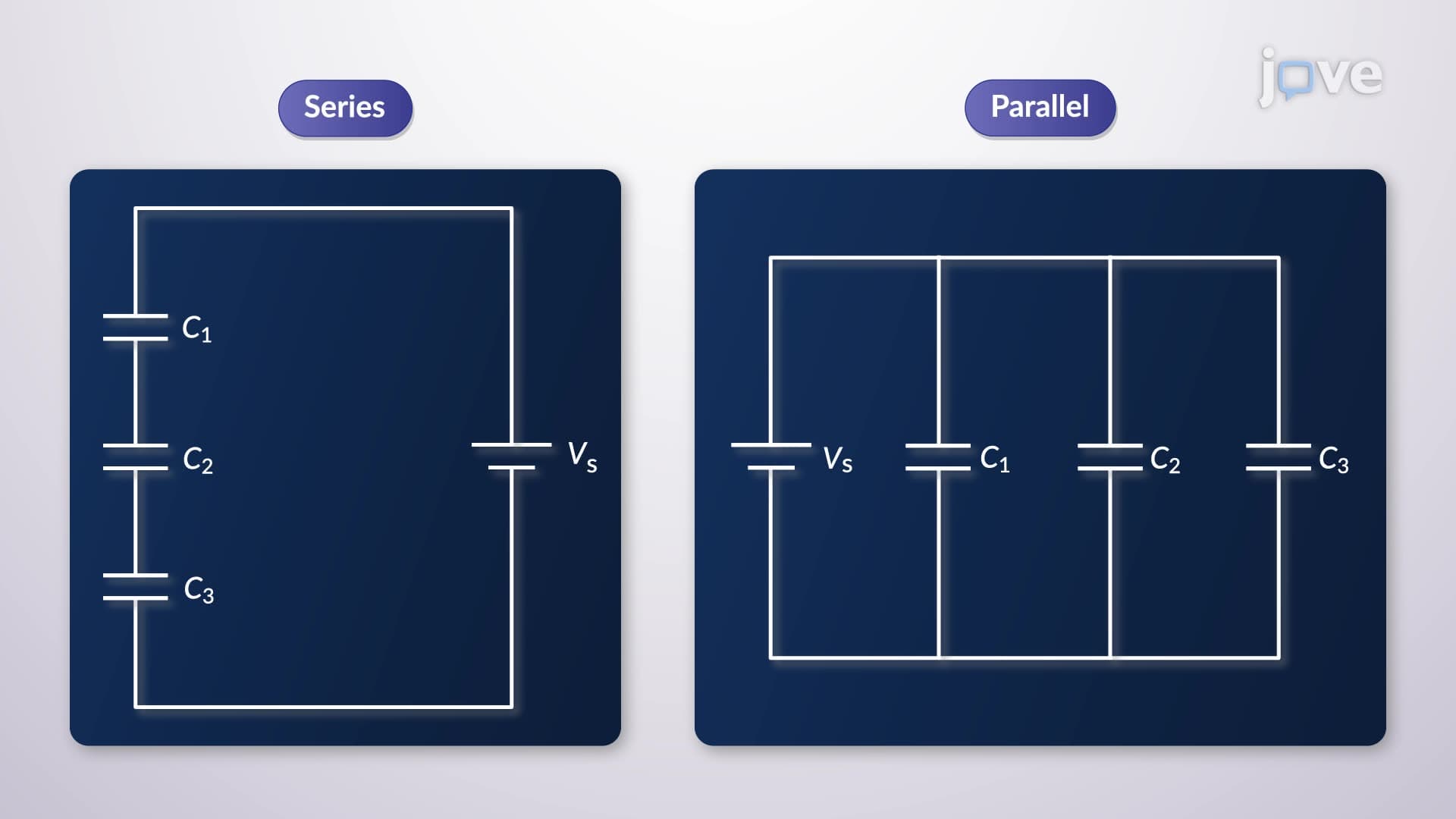

Video Summary: What are Series and Parallel Capacitors
Ever wonder how your smartphone stores energy for that instant camera flash? The secret lies in equivalent capacitance, the combined effect when multiple capacitors work together in electronic circuits. From the capacitors in your iPhone's camera flash to the power systems in Tesla's electric vehicles, understanding what are series and parallel capacitors is crucial for mastering circuit analysis. These configurations follow specific mathematical relationships that determine total energy storage capacity. Watch the full video on JoVE Coach to master this concept with expert-led visuals and step-by-step explanations.
Equivalent capacitance represents the single capacitor value that could replace multiple capacitors in a circuit while maintaining identical electrical behavior. This concept forms the foundation for analyzing complex capacitor networks in everything from computer motherboards to automotive electronics.
In series arrangements, capacitors connect end-to-end, creating a single path for charge flow. The equivalent capacitance definition for series circuits follows the reciprocal relationship: 1/C(total) = 1/C1 + 1/C2 + 1/C3. This counterintuitive result means series capacitance is always less than the smallest individual capacitor.
Consider a cardiac defibrillator used in US emergency rooms. Multiple capacitors in series ensure proper voltage distribution while limiting total capacitance to control energy delivery. The series configuration prevents dangerous voltage spikes that could harm patients during emergency treatment.
Key characteristics of series capacitors include equal charge storage across all components and voltage division proportional to inverse capacitance values. This makes series arrangements ideal for high-voltage applications where voltage regulation is critical.
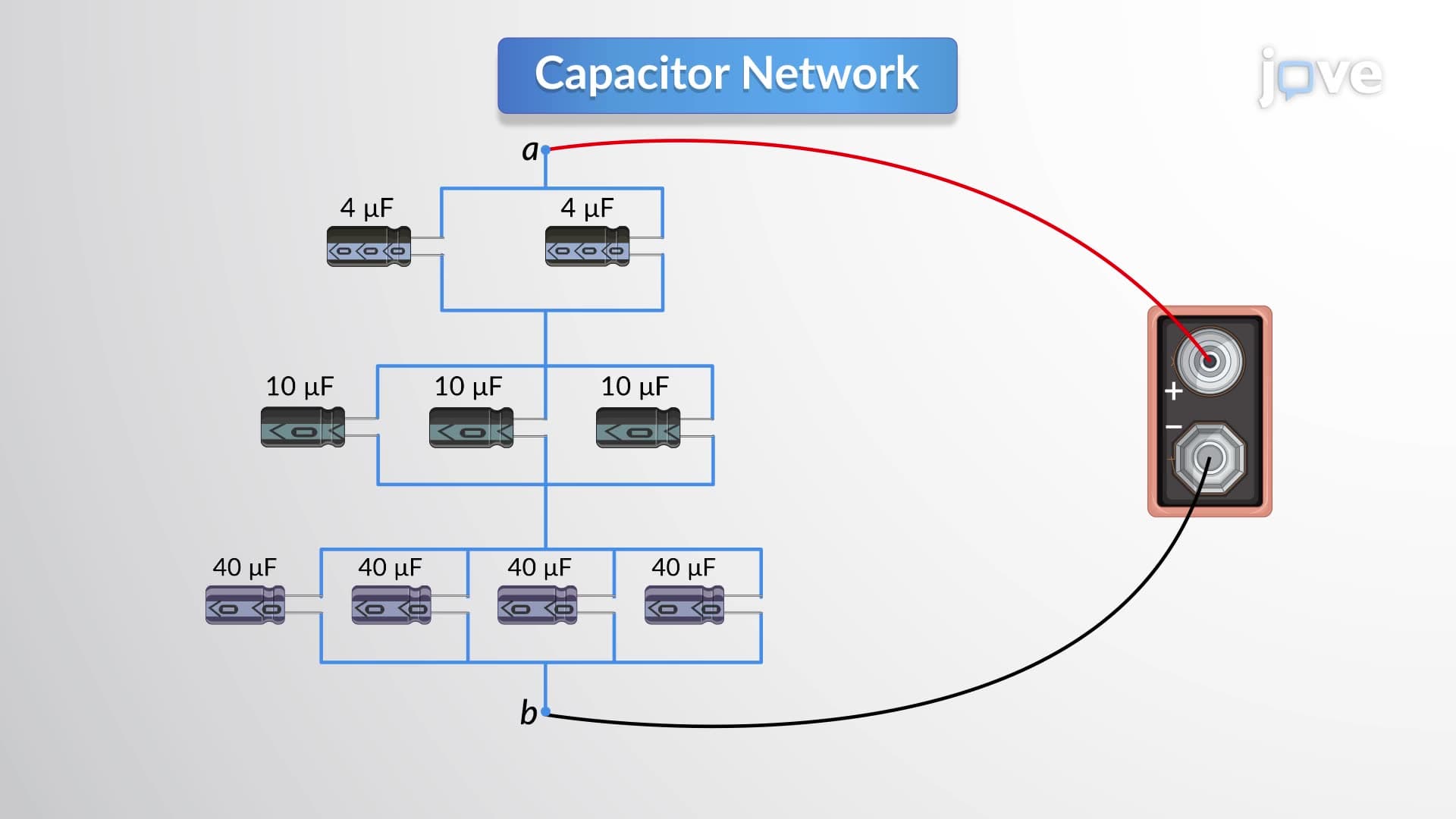
What is equivalent capacitance in detail for parallel configurations? Unlike series arrangements, parallel capacitors connect side-by-side, sharing common voltage but dividing current. The equivalent capacitance simply equals the sum: C(total) = C1 + C2 + C3.
Power supply circuits in desktop computers exemplify parallel capacitor usage. Multiple capacitors in parallel increase total energy storage while maintaining consistent voltage levels across sensitive components like CPUs and graphics cards manufactured by companies like Intel and NVIDIA.
Understanding equivalent capacitance basics proves essential for AP Physics C, SAT Subject Tests, and college-level electrical engineering courses. MIT's introductory physics curriculum emphasizes these concepts because they appear frequently in circuit analysis problems.
Professional applications span from audio equipment design (where capacitor networks shape frequency response) to renewable energy systems. Solar panel inverters manufactured by companies like SolarEdge utilize sophisticated capacitor arrays to convert DC power efficiently.
The equivalent capacitance concept also governs energy storage in electric vehicle charging stations across the US, where proper capacitor configuration ensures safe, rapid charging for vehicles from Tesla, Ford, and General Motors.
Related Micro-courses