Loading video…


 8 Concepts
 13K views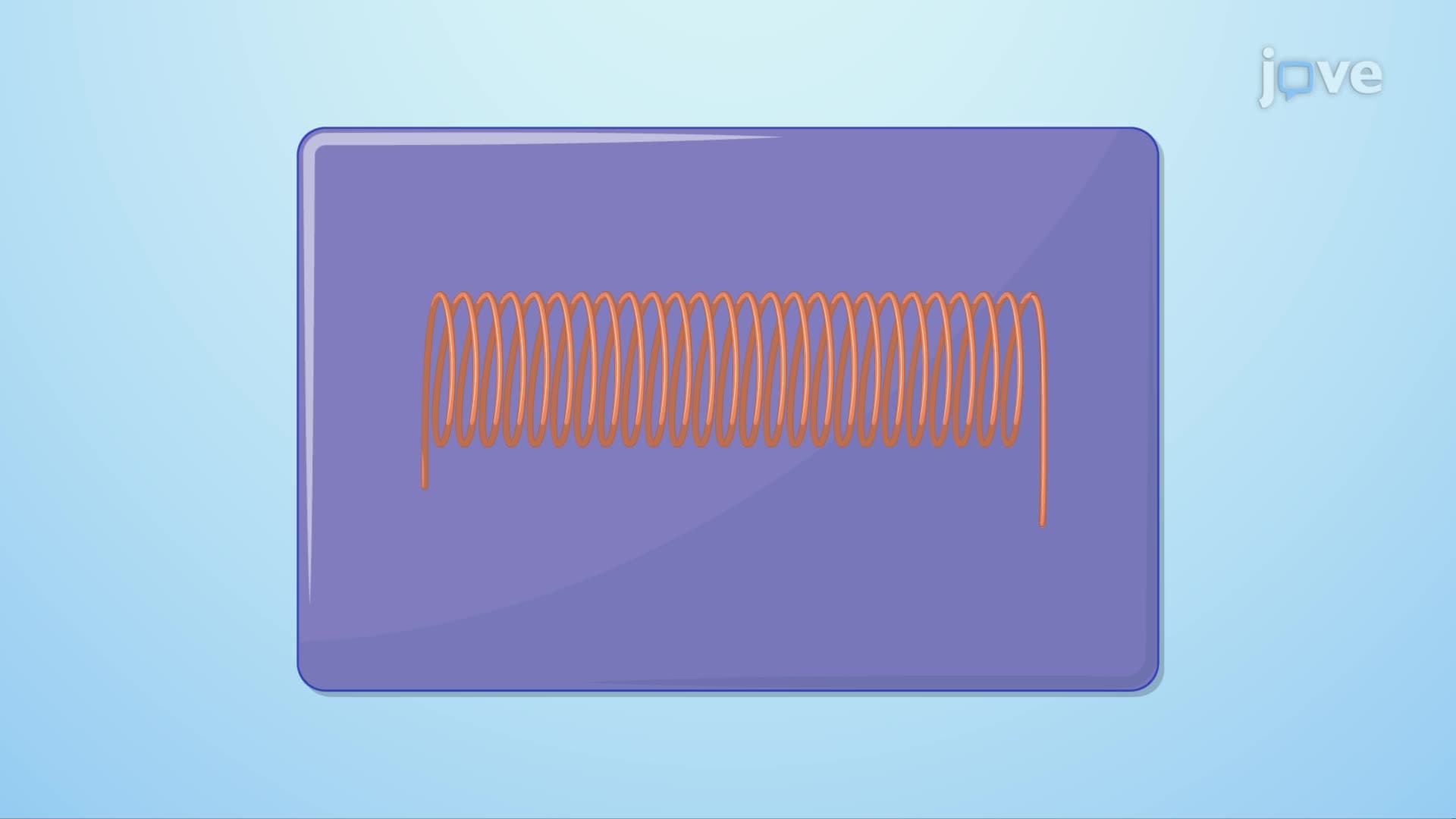

Video Summary: What Is Inductors
Ever wonder how your smartphone's wireless charging pad transfers energy stored in inductors without any physical connection? This electromagnetic phenomenon powers countless devices across America, from Tesla's electric vehicle charging stations to the transformers supplying electricity to your home. Understanding what is inductors reveals how these coiled components store magnetic energy and resist sudden current changes, making them essential in everything from power grids to audio equipment. Watch the full video on JoVE Coach to master this concept with expert-led visuals and step-by-step explanations.
What is inductors goes far beyond simple coiled wire-these components represent one of the three fundamental passive elements in electrical engineering, alongside resistors and capacitors. An inductor stores energy stored in inductors within its magnetic field, creating a crucial buffer that smooths electrical fluctuations in everything from your laptop's power adapter to massive industrial motors at Ford's Dearborn manufacturing plant.
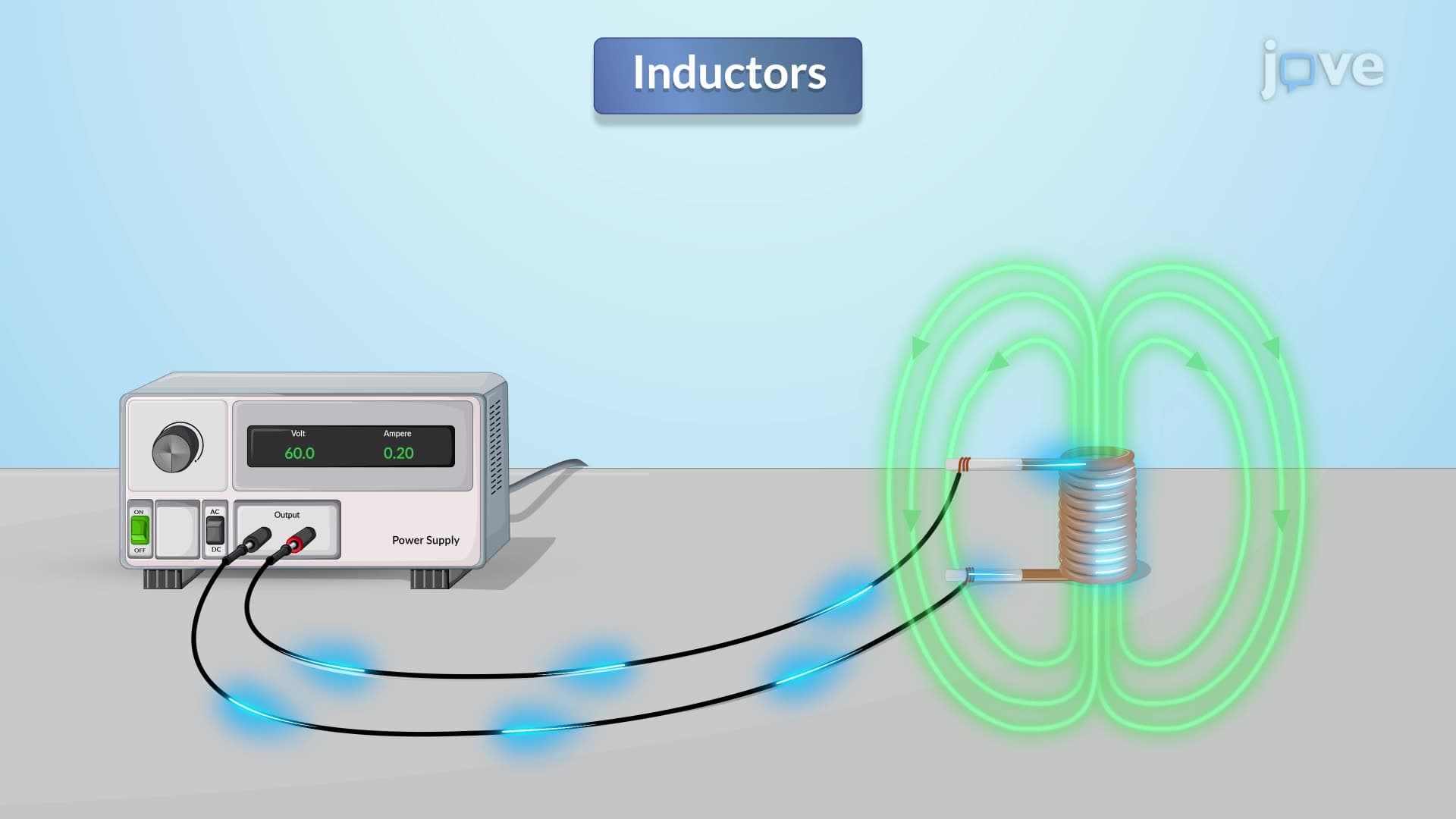
The energy stored in inductors definition centers on magnetic field generation. When current flows through an inductor's coiled wire, it creates a magnetic field proportional to that current. The energy formula E = (1/2) × L × I² shows that stored energy increases with both inductance (L) and current squared (I²). This quadratic relationship explains why high-current applications like MRI machines at Johns Hopkins Hospital require specially designed inductors with enormous energy storage capacity.
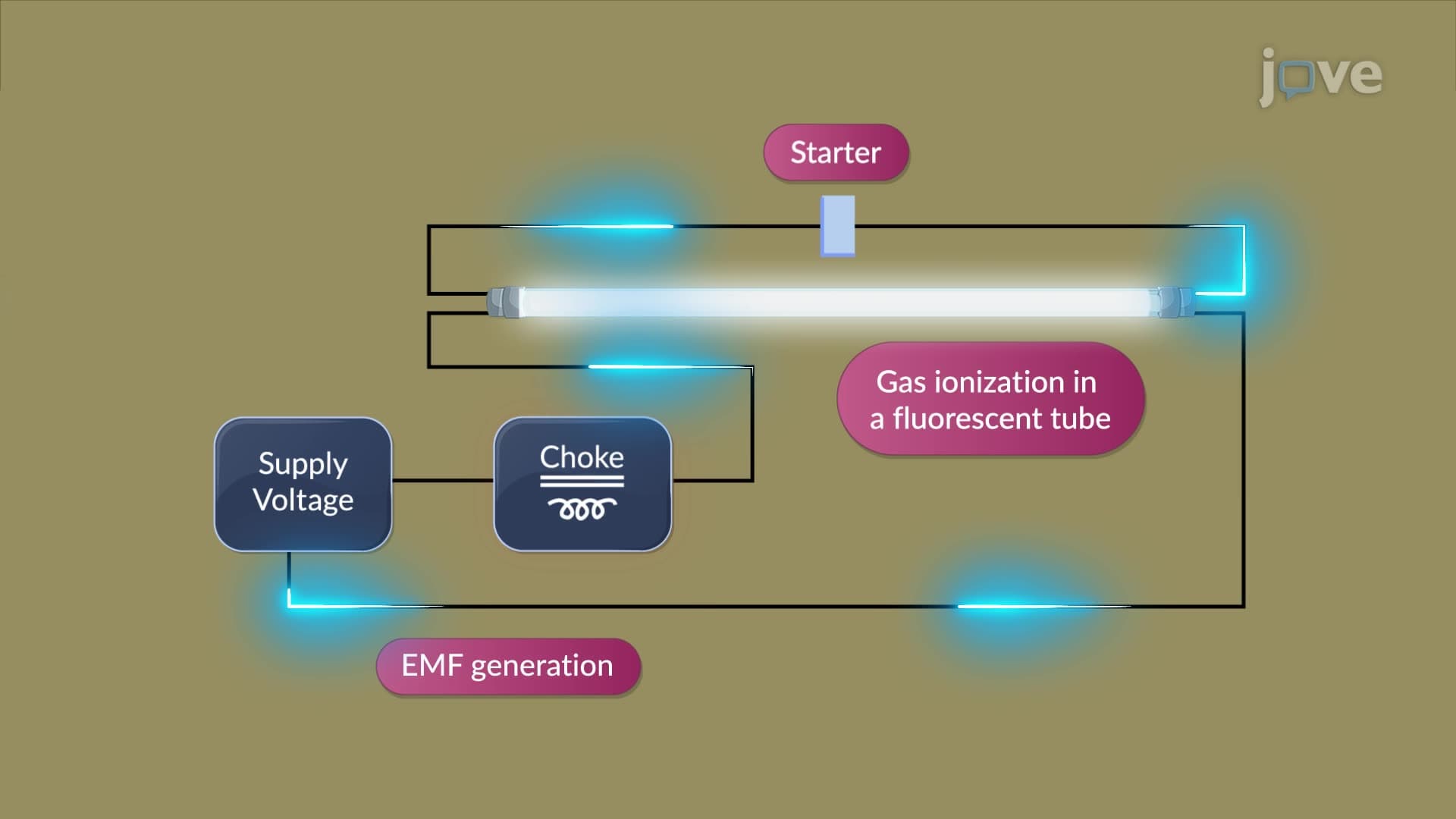
Understanding what is energy stored in inductors in detail requires grasping Lenz's Law-inductors oppose changes in current flow. This opposition, called back-EMF (electromotive force), makes inductors perfect for filtering applications. In your car's alternator, inductors smooth the pulsating DC output, preventing voltage spikes that could damage sensitive electronics.
The energy stored in inductors concept manifests differently across inductor types. Air-core inductors, common in radio frequency circuits at companies like Qualcomm, store relatively small amounts of energy but operate efficiently at high frequencies. Iron-core inductors, found in power transformers throughout the US electrical grid, store massive amounts of energy but work primarily at 60 Hz power line frequencies.
Variable inductors, adjustable through core positioning or tap selection, appear in vintage radio tuning circuits and modern switching power supplies. Fixed inductors dominate most applications, from the tiny ferrite beads filtering USB cables to the massive chokes in wind turbine generators across Texas wind farms.
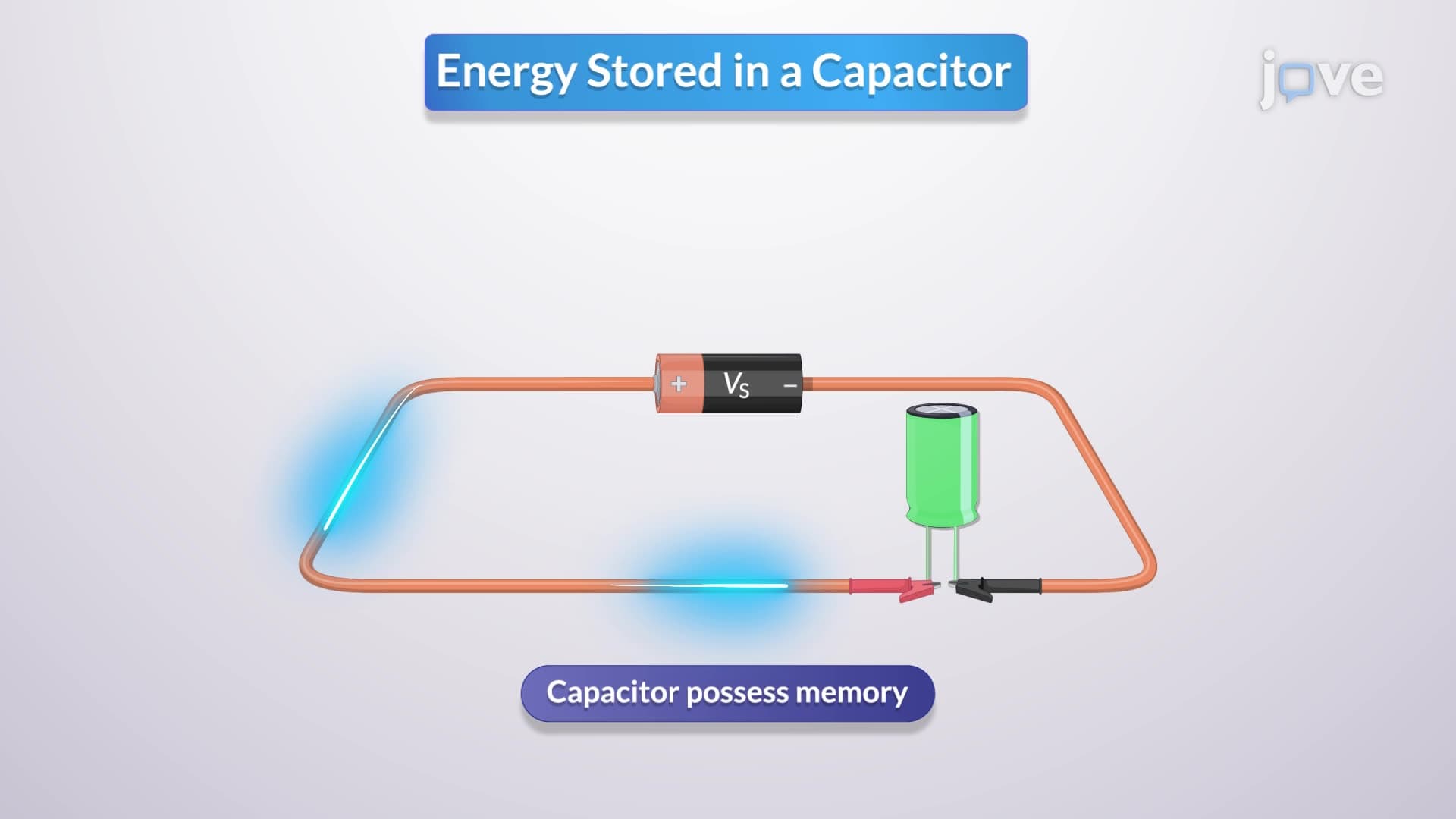
Students preparing for AP Physics C or college-level circuits courses encounter inductor problems focusing on energy stored in inductors overview calculations. Common exam scenarios include LC oscillator circuits, where energy alternates between inductor magnetic storage and capacitor electric storage, and RL circuit analysis examining current buildup and decay patterns.
The energy stored in basics becomes crucial when analyzing switching circuits, where inductor energy storage prevents instantaneous current changes that could damage semiconductor devices. This principle underlies every laptop charger and LED driver in American households.
Related Micro-courses