Loading…
Loading video…

3,323 views
Ever wonder how noise-canceling headphones in your iPhone remove background sounds while preserving your music? The secret lies in convolution properties i, a mathematical operation that combines two signals to produce a third. This fundamental concept in the Convolution Math Graphics And Discrete Signals Guide powers everything from audio processing in Spotify to image filtering in Instagram. Engineers at companies like Apple and Google rely on convolution to design systems that respond predictably to inputs, whether processing voice commands through Siri or enhancing photos automatically. Watch the full video on JoVE Coach to master this concept with expert-led visuals and step-by-step explanations.
Convolution properties i form the mathematical backbone of how linear systems process signals in engineering and physics. At its core, convolution describes how one signal modifies another when they interact through a system. This operation appears everywhere in US engineering curricula, from introductory circuits courses at MIT to advanced signal processing classes at Stanford.
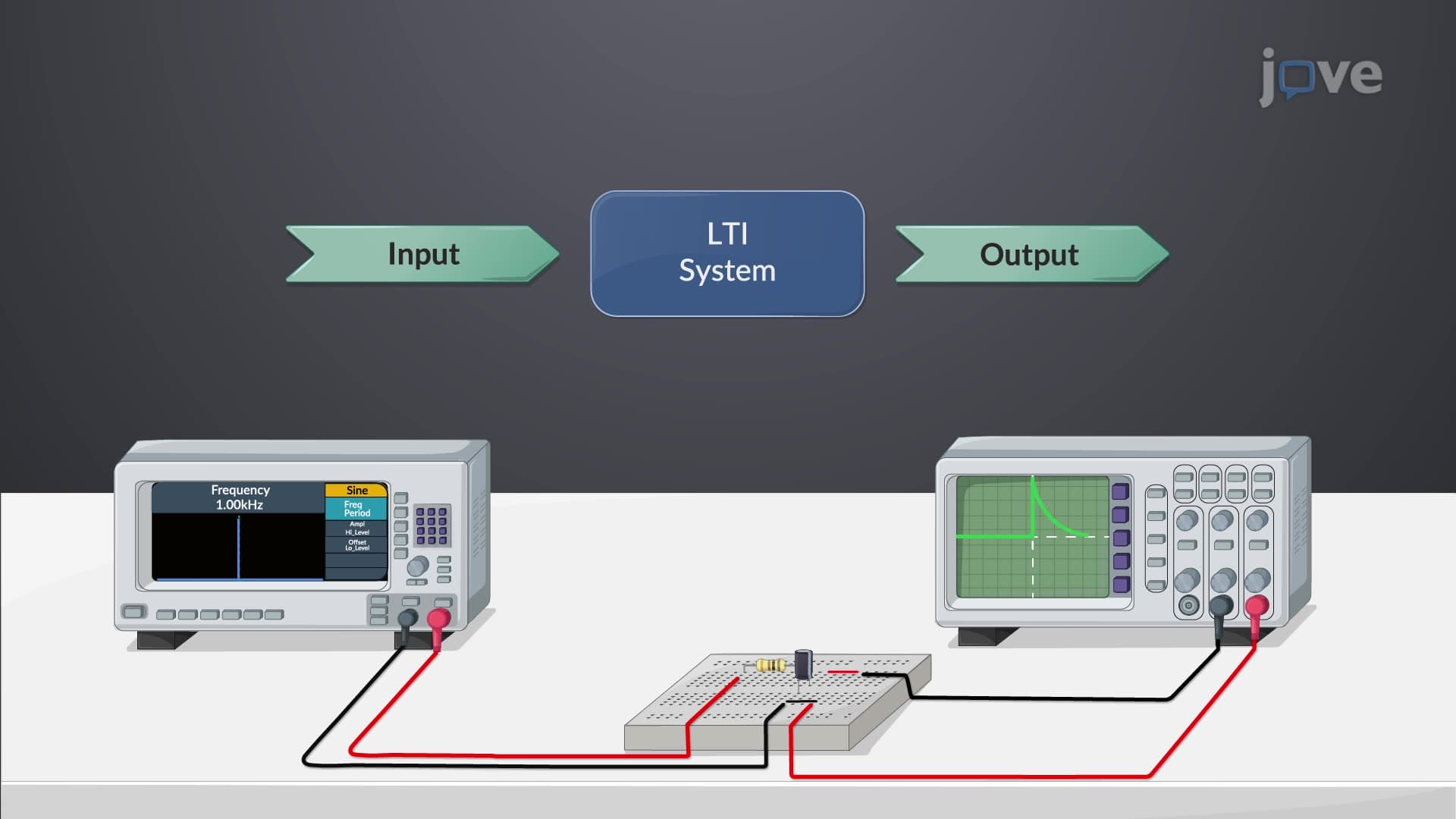
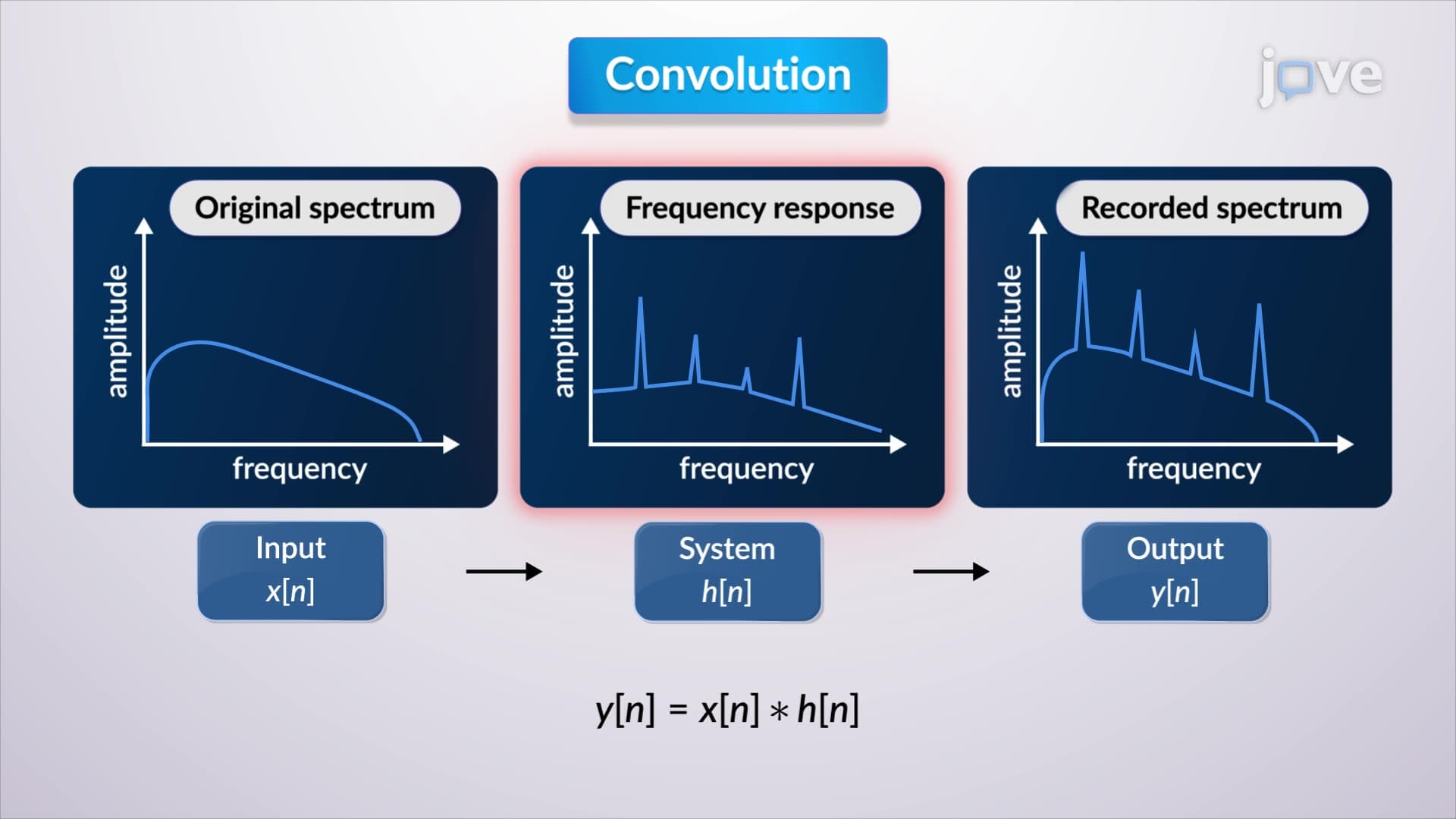
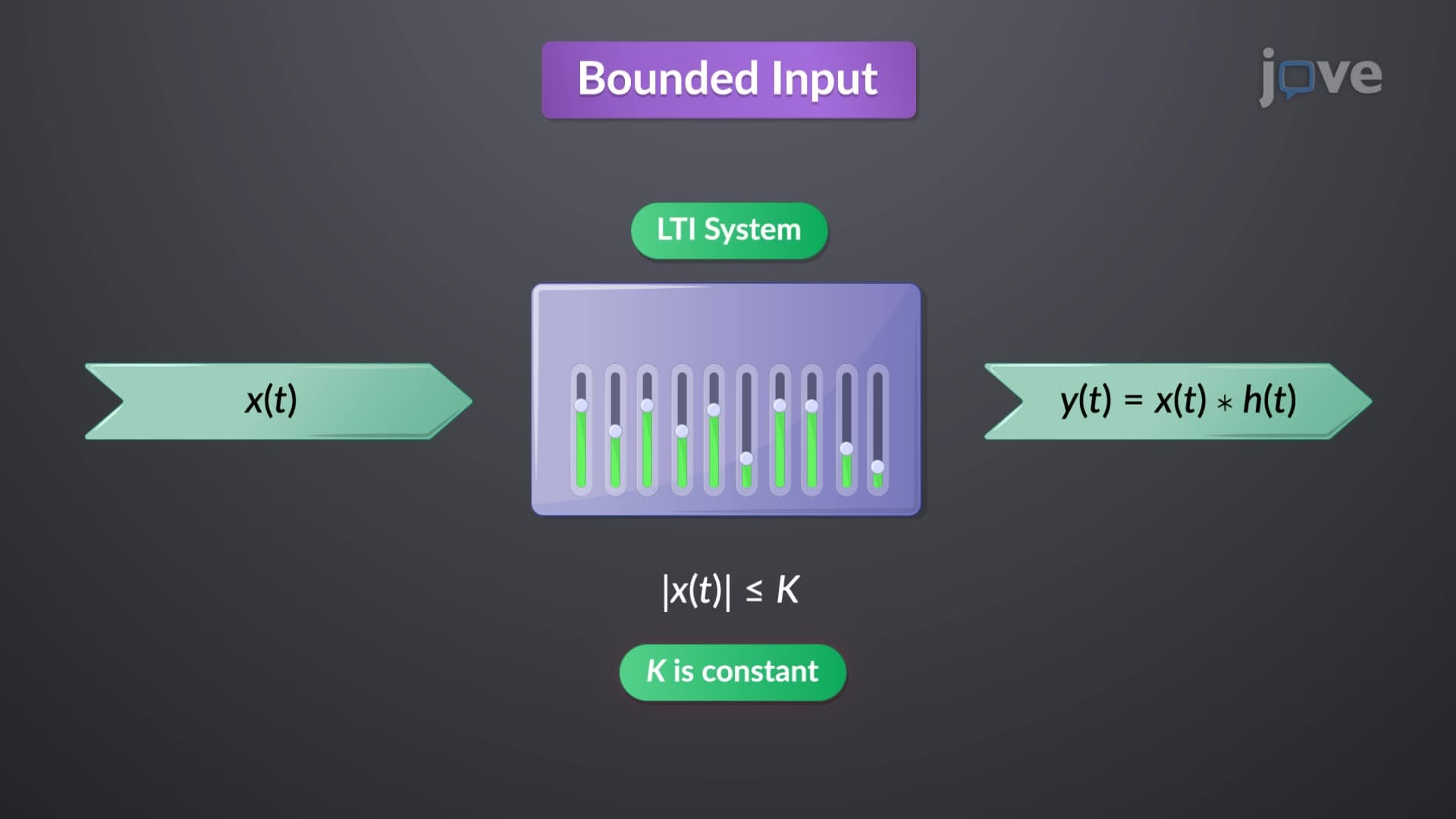
The convolution operation mathematically represents the output of any Linear Time-Invariant (LTI) system when given an input signal and the system's impulse response. Think of it as a mathematical recipe: take your input signal, combine it with how the system naturally responds to impulses, and the result tells you exactly what the output will be.
The graphical approach to convolution properties i breaks down this complex operation into manageable visual steps. Folding creates a mirror image of one signal along the vertical axis—imagine flipping a graph left-to-right. Shifting moves this folded signal along the time axis, like sliding a transparency across another image. Multiplication combines the overlapping portions of both signals point-by-point. Finally, Integration calculates the total area under the multiplied result.
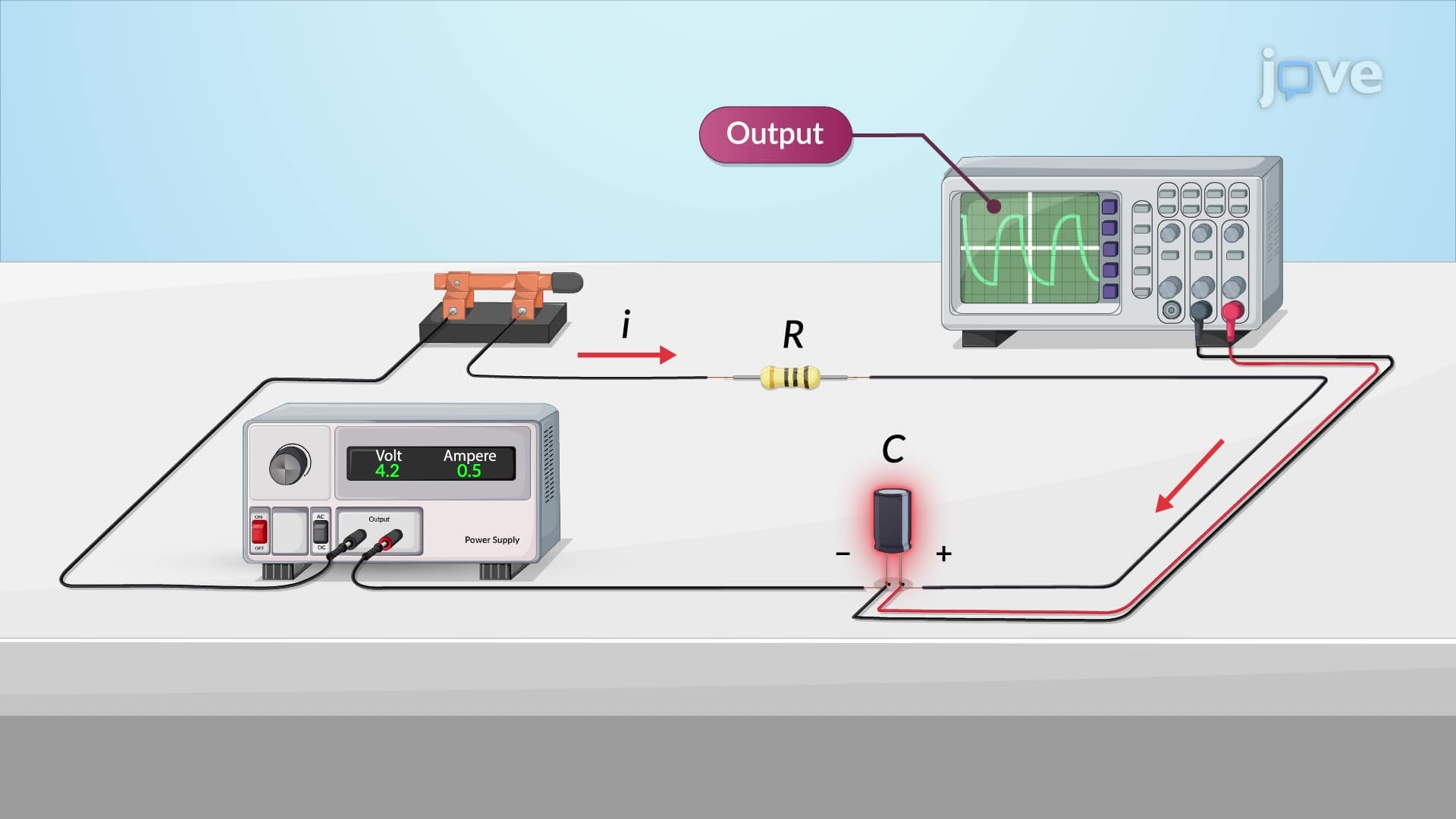
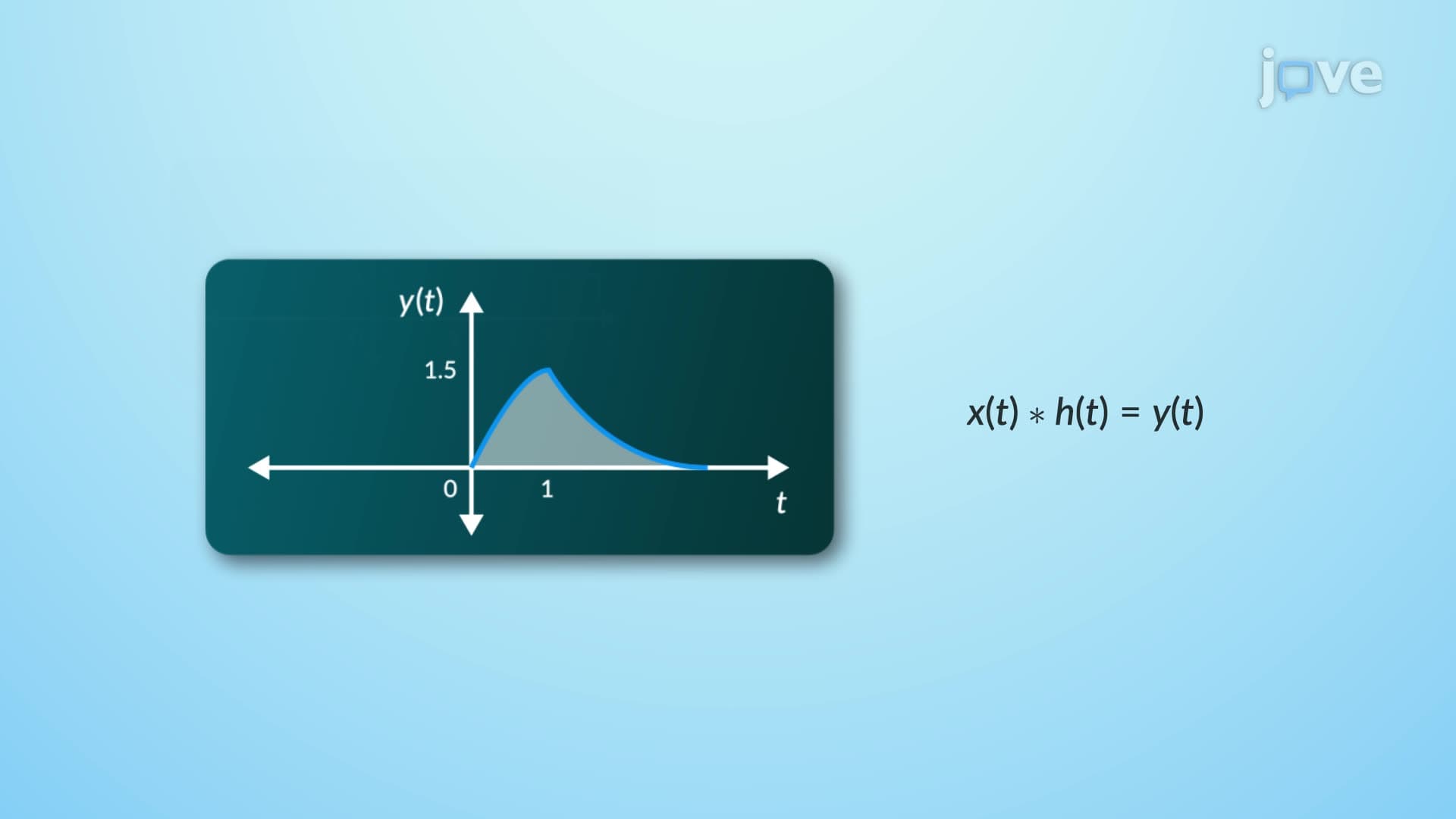
This systematic approach proves invaluable for students tackling AP Physics C or college-level electrical engineering courses. For example, when analyzing how an RC circuit responds to a rectangular pulse input—common in digital electronics—the graphical method provides clear visual insight into the charging and discharging behavior.
Understanding convolution properties i in detail requires distinguishing between continuous and discrete implementations. Continuous convolution uses integrals and applies to analog systems like audio amplifiers or medical monitoring equipment used in US hospitals. Discrete convolution employs summation and governs digital systems—from the processors in Tesla vehicles to the algorithms in Netflix's recommendation engine.
The convolution properties i definition remains consistent across both domains: the mathematical operation that determines system output based on input and system characteristics. However, the computational approach differs significantly, with discrete systems using convolution sums rather than integrals.
Major US technology companies leverage convolution properties i concept daily. Google's image recognition algorithms use convolution to identify features in photos. Medical device manufacturers like Medtronic apply convolution in pacemaker signal processing. Even NASA employs convolution techniques in spacecraft communication systems, ensuring reliable data transmission from Mars rovers back to mission control in California.
Frequently Asked Questions
Convolution is a mathematical operation that determines how linear systems respond to input signals by combining the input with the system's impulse response. It's crucial because it provides the fundamental tool for predicting system behavior in everything from audio processing to medical devices. Engineers use convolution to design filters, analyze circuits, and optimize signal processing systems. This concept appears regularly in electrical engineering courses and standardized tests like the AP Physics C exam.
Convolution problems typically involve analyzing LTI systems, often RC or RL circuits with specific input signals. Students might need to graphically convolve a rectangular pulse with an exponential decay function or calculate discrete convolution sums. The MCAT occasionally includes convolution concepts in physics passages about medical imaging or biomedical devices. College midterms frequently test the four-step graphical method and the ability to set up convolution integrals correctly.
Convolution integrals apply to continuous-time systems and use calculus integration techniques commonly tested in AP Calculus BC. Convolution sums handle discrete-time systems and involve summation notation often seen in discrete mathematics courses. Both concepts appear in engineering entrance exams and college placement tests. The key distinction lies in whether you're dealing with analog (continuous) or digital (discrete) signal processing applications.
Convolution powers the noise cancellation in AirPods, image sharpening in iPhone cameras, and echo removal in Zoom calls during online classes. Medical technicians use convolution-based algorithms in MRI machines at hospitals like Johns Hopkins and Mayo Clinic. Even your car's collision detection system relies on convolution to process radar signals. Understanding this concept opens career paths in tech companies, medical device firms, and aerospace industries throughout the US.
Not at all—convolution builds naturally on algebra and basic calculus concepts taught in high school. The graphical approach makes the concept very visual and intuitive, requiring only understanding of function graphs and basic area calculations. Many students successfully learn convolution in AP Physics C or dual-enrollment engineering courses. The key is starting with simple examples like RC circuits before progressing to more complex systems.
Focus on mastering the four-step graphical method first, then practice setting up convolution integrals for common circuits. Work through problems involving rectangular pulses, exponential functions, and unit step inputs—these appear frequently on standardized tests. Create visual aids showing the folding, shifting, and multiplication steps. Practice both analytical and graphical approaches, as exams often test both methods to ensure complete understanding.
Explore Fourier transforms, which convert convolution operations into simpler multiplication problems in the frequency domain. Study Laplace transforms for analyzing complex circuits and control systems. Investigate digital signal processing applications in software engineering and machine learning. These advanced topics appear in upper-level engineering courses and graduate school entrance exams like the GRE Subject Test in Physics.
Convolution connects directly to calculus through integration techniques and relates to linear algebra through system analysis. It shares conceptual similarities with probability distributions in statistics courses. The discrete version links to sequences and series from precalculus. Understanding these connections helps reinforce the concept and shows its broad applicability across STEM fields, making it valuable for students pursuing engineering, physics, or mathematics degrees.
Related Micro-courses
Related Subjects
 Civil Engineering 30 micro-courses›Mechanical Engineering 28 micro-courses›