Loading…
Loading video…

2,949 views
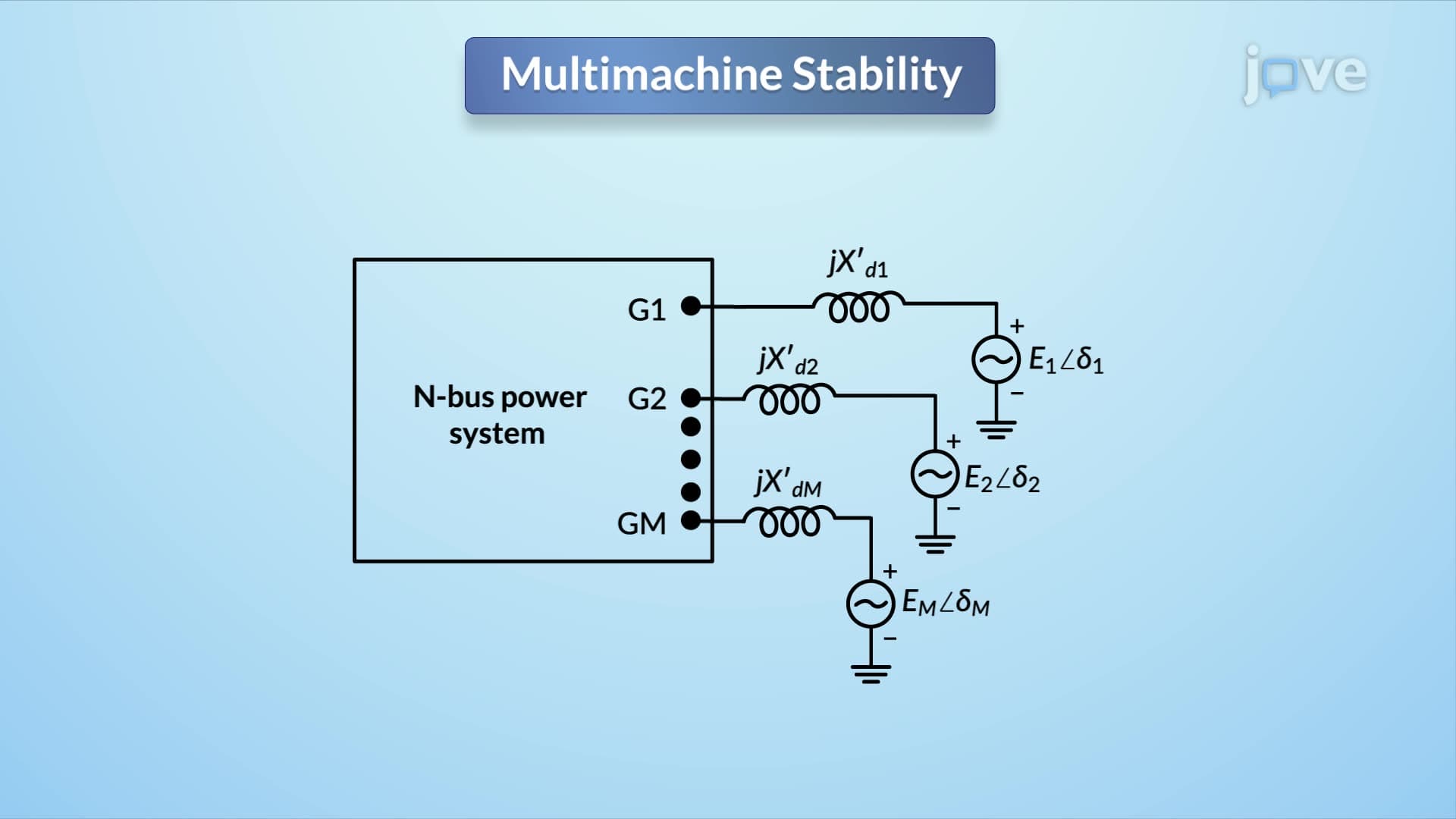
Wind turbine machine models are revolutionizing how we understand power grid stability—imagine 7,000+ wind turbines in Texas working together without causing blackouts! These sophisticated wind turbine machine models help engineers predict how multiple generators interact during power system disturbances. What is multimachine stability becomes crucial when integrating renewable sources like wind farms into the electrical grid, requiring complex mathematical modeling to ensure reliable power delivery. Watch the full video on JoVE Coach to master this concept with expert-led visuals and step-by-step explanations.
What is multimachine stability represents one of the most critical concepts in modern power systems engineering. This phenomenon describes how multiple electrical generators—including traditional synchronous machines and wind turbine machine models—maintain synchronized operation when subjected to disturbances like faults, sudden load changes, or equipment failures. Unlike single-machine studies, multimachine stability analysis considers the complex interactions between numerous generators, making it essential for understanding today's interconnected power grids.
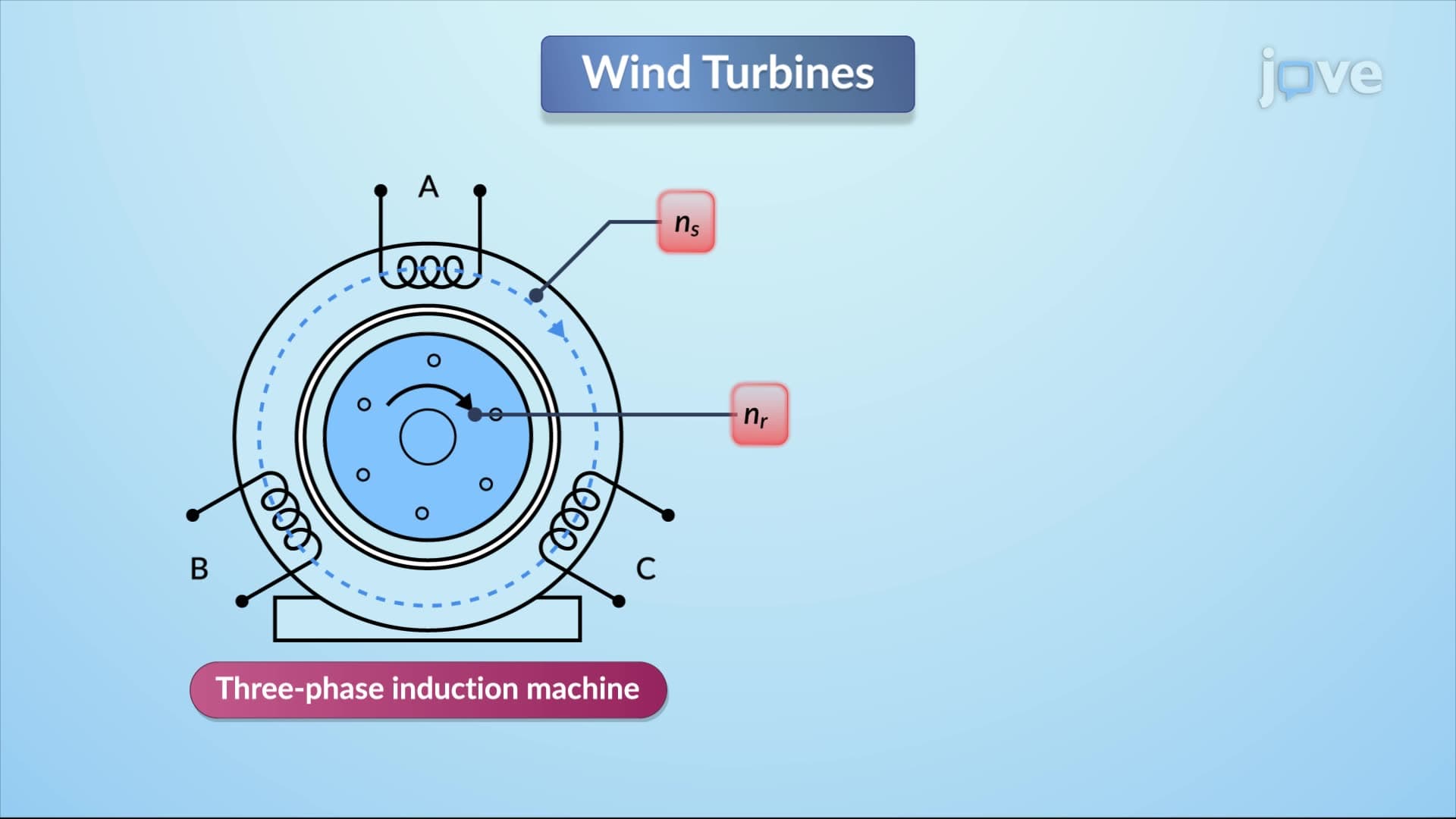
Wind turbine machine models come in various forms depending on the analysis requirements. The most common types include simplified algebraic models for steady-state studies, dynamic models incorporating rotor inertia effects, and detailed electromagnetic transient models. These wind turbine machine models overview approaches help engineers understand how wind farms behave during grid disturbances. For instance, when analyzing the integration of offshore wind farms along the East Coast, engineers use sophisticated wind turbine machine models to ensure grid stability during storms or equipment failures.
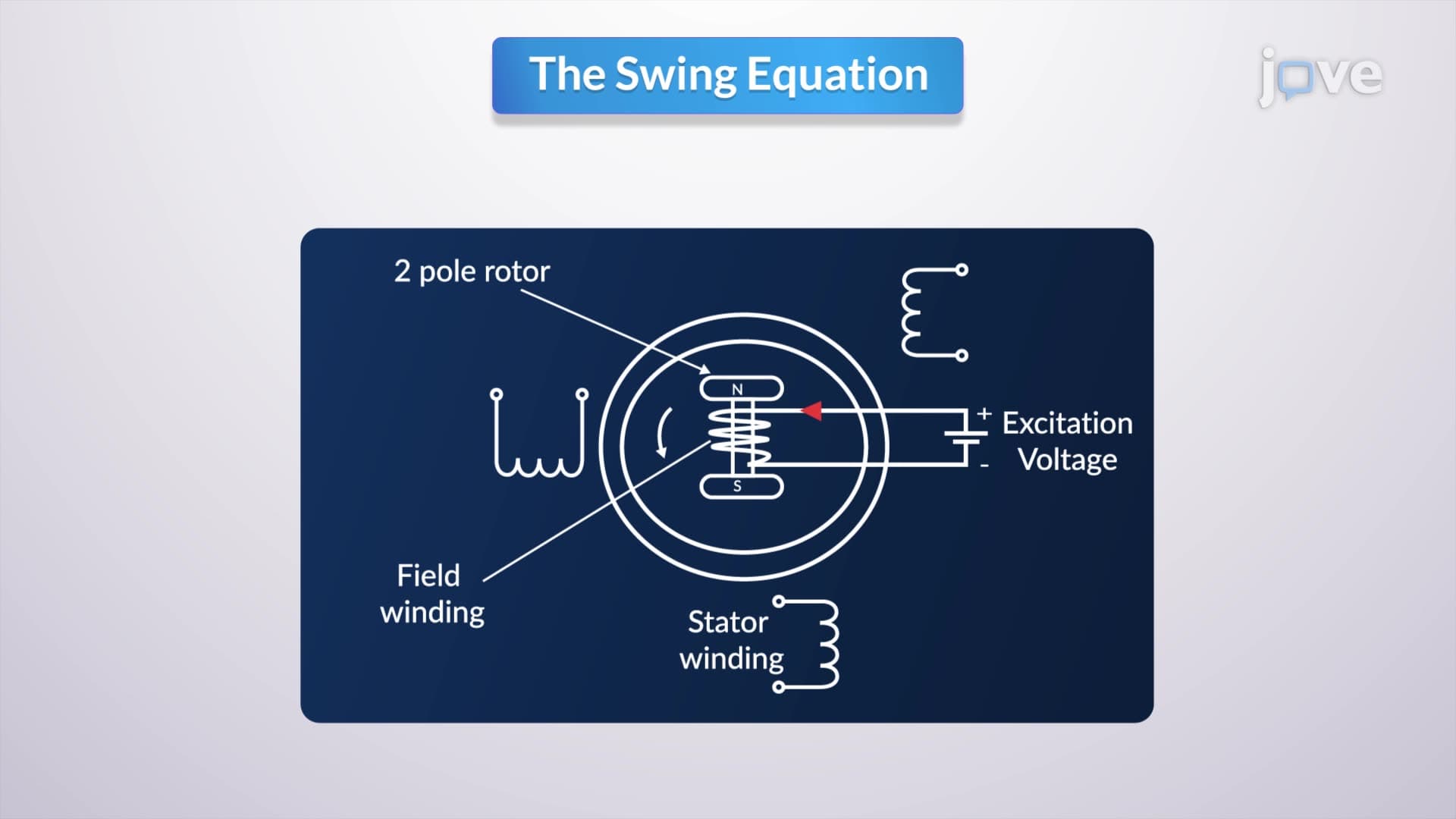
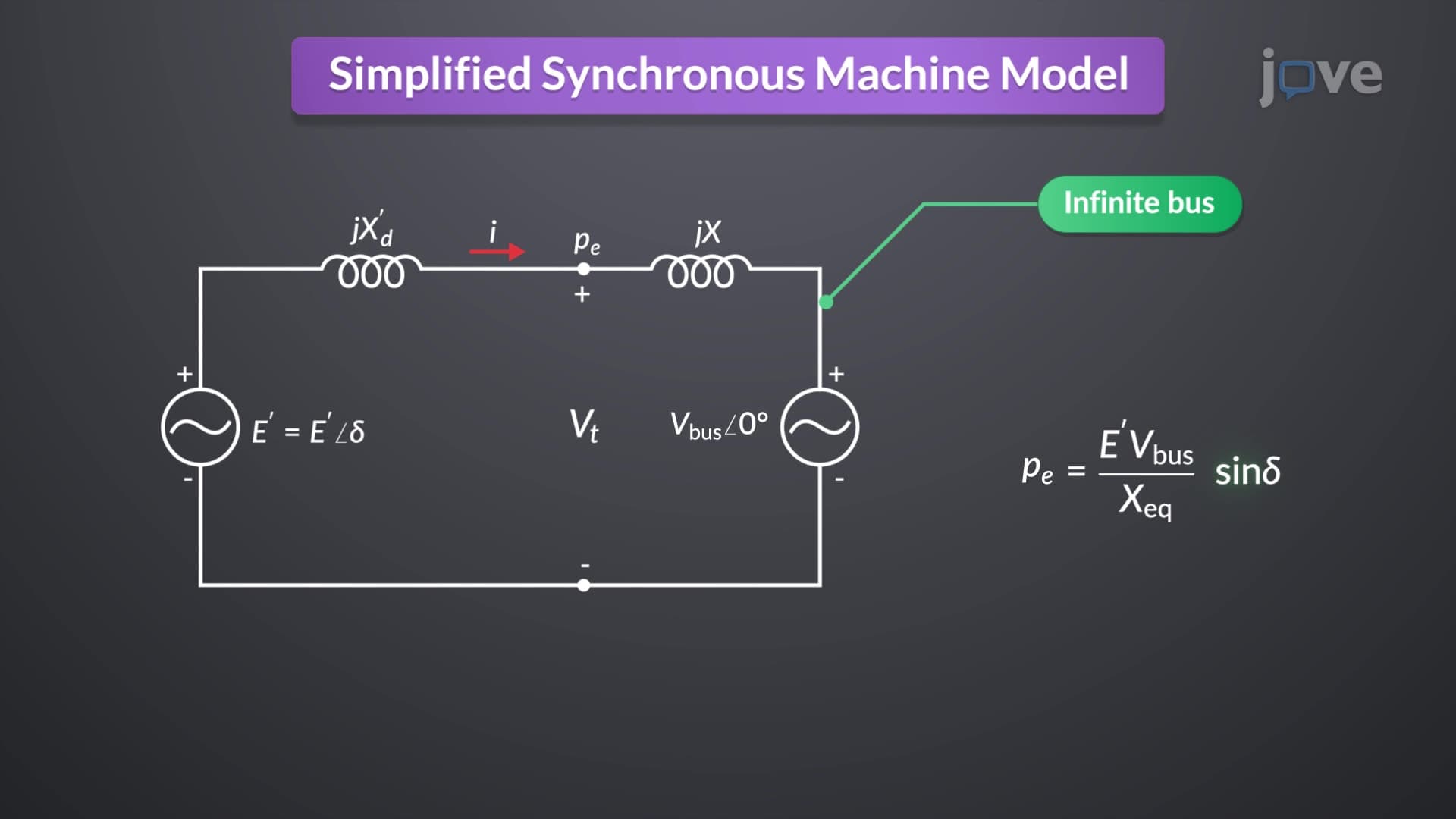
The mathematical foundation involves partitioning the power system's admittance matrix to separate load impedances from generator internal impedances. This wind turbine machine models concept requires solving both algebraic power-flow equations and differential swing equations simultaneously. The process begins with pre-fault power-flow analysis to establish initial operating conditions, followed by time-domain simulation using numerical integration methods. Students preparing for AP Physics or college-level electrical engineering courses often encounter simplified versions of these calculations, focusing on understanding the physical principles rather than complex mathematical derivations.
Understanding wind turbine machine models basics has become increasingly important as the US transitions toward renewable energy. The Electric Reliability Council of Texas (ERCOT) regularly performs multimachine stability studies to integrate massive wind farms across West Texas. Similarly, the California Independent System Operator uses these techniques to manage solar and wind integration challenges. These studies directly influence grid codes and interconnection standards, making this knowledge valuable for students pursuing careers in electrical engineering, renewable energy, or utility operations.
Frequently Asked Questions
Multimachine stability refers to the ability of multiple generators in a power system to maintain synchronization after disturbances. It's crucial because modern grids contain hundreds of generators that must work together harmoniously. Loss of stability can lead to cascading blackouts, like the 2003 Northeast blackout that affected 50 million people across the US and Canada.
Wind turbine machine models account for variable wind speeds, power electronics interfaces, and different control systems compared to conventional synchronous generators. They often include pitch control, maximum power point tracking, and grid-support functions. These differences make wind farms behave uniquely during grid disturbances, requiring specialized modeling approaches for accurate stability analysis.
While detailed multimachine stability problems rarely appear directly, these exams often test underlying concepts like electromagnetic induction, AC circuit analysis, and energy conservation. AP Physics C students might encounter simplified generator problems, while MCAT physics sections focus more on basic electrical principles that form the foundation for understanding power systems.
Utility companies use this analysis daily for grid planning and operations. For example, Pacific Gas & Electric uses multimachine stability studies when integrating new solar farms in California, while Consolidated Edison applies these techniques for urban grid management in New York City. Wind farm developers also use these studies to demonstrate grid compatibility during interconnection approval processes.
The basic concepts are definitely accessible to motivated high school students, especially those in AP Physics or pre-engineering programs. While the full mathematical treatment requires advanced calculus and linear algebra, the fundamental ideas about generator synchronization and power system stability can be understood using simpler analogies and graphical representations.
Focus on understanding the physical principles first—how generators stay synchronized, what causes instability, and how disturbances propagate through the system. Practice drawing phasor diagrams and understanding the relationship between electrical power, rotor angle, and system frequency. Many college courses provide simulation software to visualize these concepts interactively.
Consider exploring power system protection, renewable energy integration, smart grid technologies, or power electronics. These fields build upon stability analysis concepts while addressing modern challenges like cybersecurity, distributed generation, and grid modernization initiatives currently transforming the US electrical infrastructure.
Related Micro-courses


Related Subjects
 Civil Engineering 30 micro-courses›Mechanical Engineering 28 micro-courses›