Loading subject page…

- Electrical Engineering
- Transient Stability and System Controls
- Turbine-Governor Control
Micro-course: Transient Stability and System Controls
2,950 views
Learn key concepts and earn your certificate.

Turbine-Governor Control

00:00
01:17
Video Summary: What Is Turbine Governor Control
Ever wonder why your lights stay on during peak summer air conditioning demand? Load frequency control keeps electrical grids stable when millions of Americans simultaneously power up their devices. When electricity demand spikes at a Texas power plant, turbine governor control automatically adjusts mechanical power output to maintain steady frequency, preventing blackouts across entire cities. This sophisticated system balances electrical supply and demand in real-time through precise frequency monitoring. Watch the full video on JoVE Coach to master this concept with expert-led visuals and step-by-step explanations.
- Understand what turbine governor control is and how it maintains power system stability through automated frequency regulation
- Identify the relationship between rotor speed, frequency changes, and mechanical power adjustments in turbine-generator units
- Analyze how kinetic energy storage in rotating machinery helps stabilize electrical grids during load fluctuations
- Compare steady-state versus transient frequency responses when electrical demand changes occur
- Evaluate the role of regulation constants (typically 0.05 per unit) in determining system frequency-power characteristics
- Apply load frequency control principles to explain real-world power grid operations and stability mechanisms
- Recognize how different turbine types, including wind turbines, implement governor control through blade pitch adjustment
- Explore the mathematical relationships governing frequency-power response in interconnected power systems
Understanding Turbine Governor Control Fundamentals
Turbine governor control represents one of the most critical automatic control systems in modern power grids. This sophisticated mechanism ensures that electrical frequency remains constant despite continuously changing power demands. In the United States, the standard frequency is 60 Hz, and governor systems work tirelessly to maintain this precise value across interconnected power networks spanning entire regions.
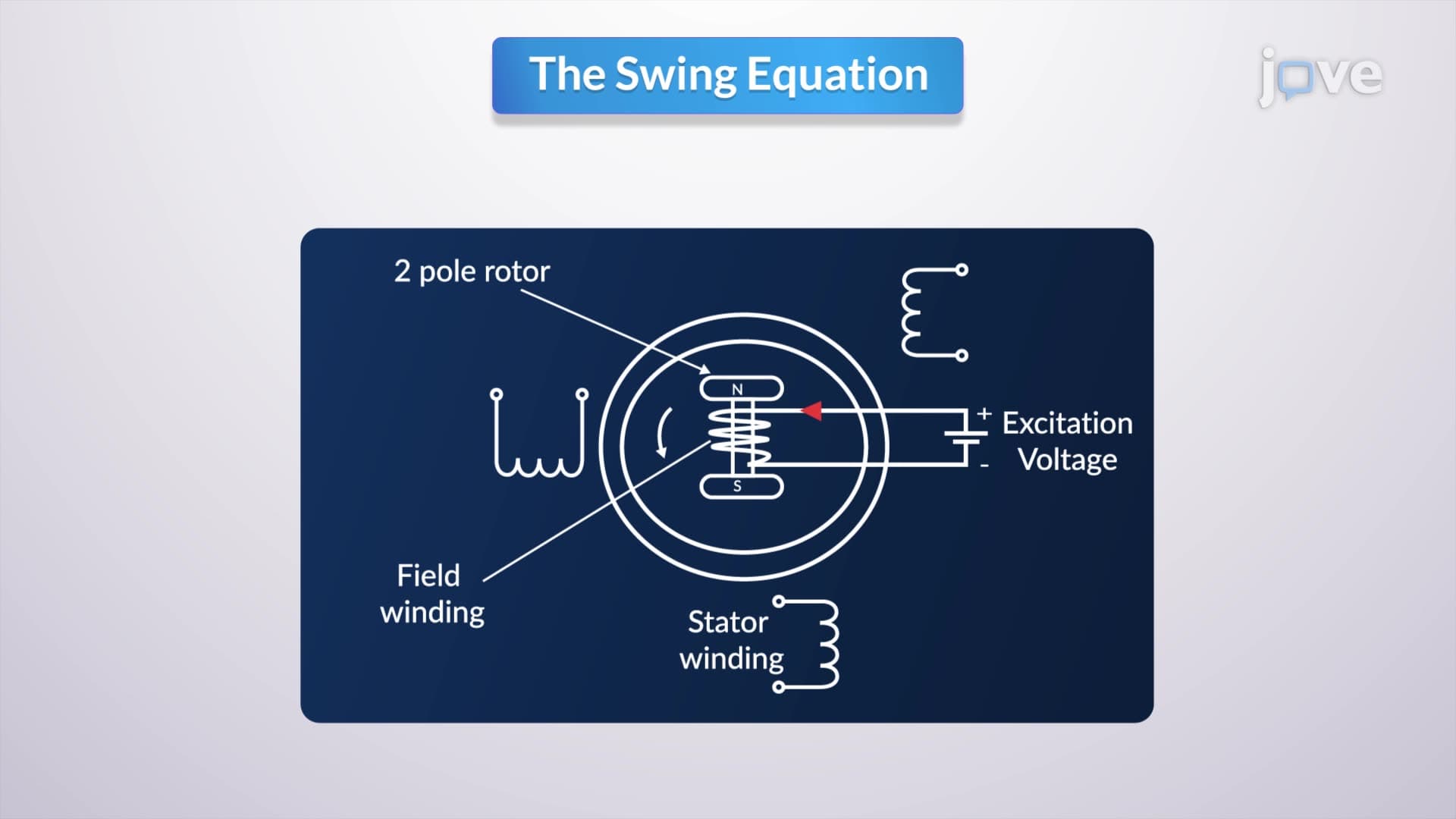
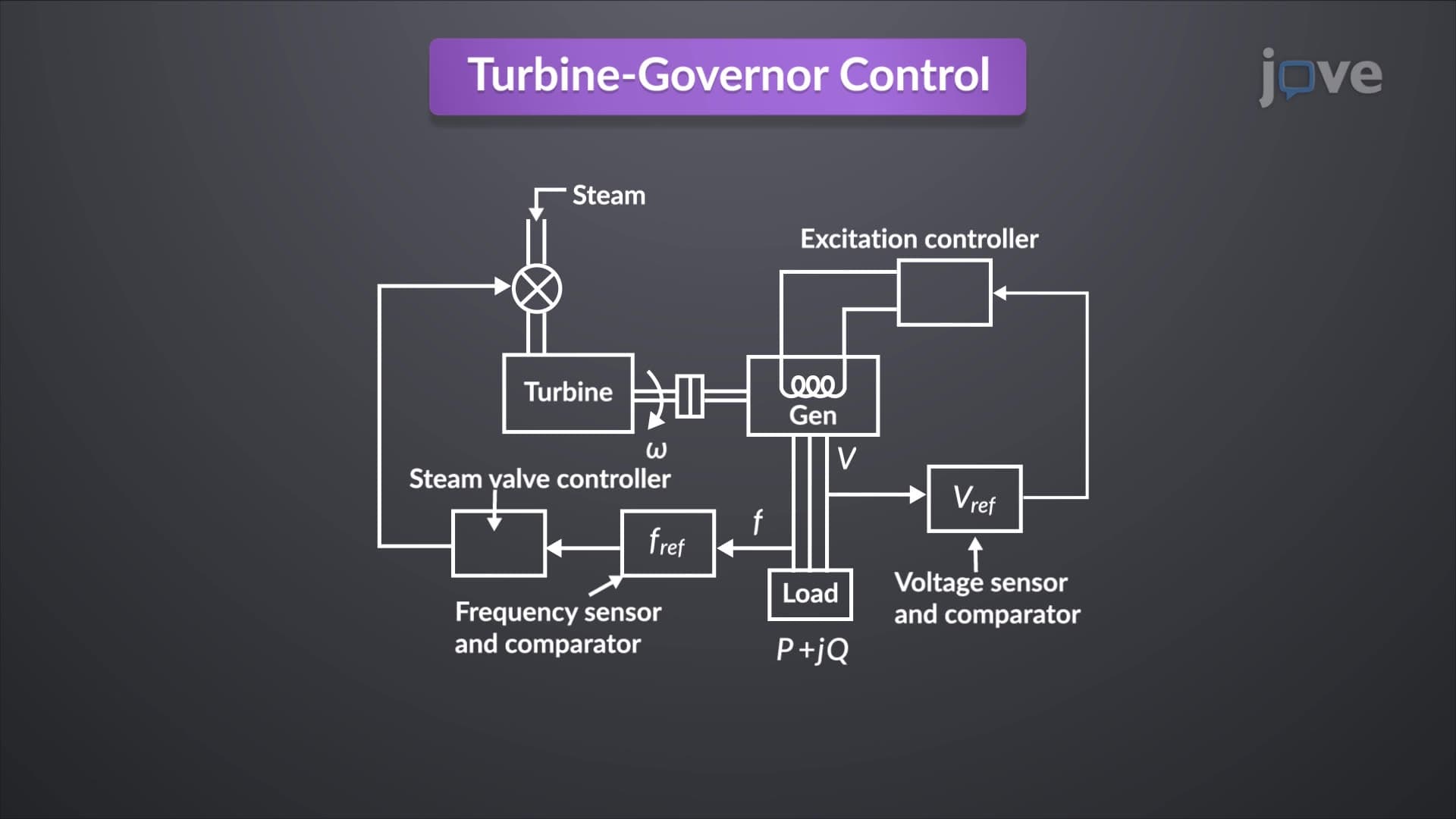
The fundamental principle revolves around the relationship between mechanical and electrical torque in turbine-generator units. These massive rotating machines store enormous amounts of kinetic energy-imagine a 500-megawatt generator rotor weighing several tons spinning at 3,600 rpm. When electrical load increases (such as during hot summer afternoons when air conditioning demand peaks), the electrical torque on the generator increases while mechanical torque initially remains constant, causing the rotor to slow down and frequency to drop.
Load Frequency Control Definition and Mechanisms
Load frequency control definition encompasses the automatic adjustment of mechanical power output in response to frequency deviations. This process occurs through governor action, which monitors frequency changes and proportionally adjusts fuel flow or steam input to turbines. The regulation constant, typically 0.05 per unit, determines how aggressively the system responds to frequency changes-a smaller value means more sensitive control.
Consider California's power grid during a hot August day. As millions of air conditioners turn on simultaneously, electrical demand surges. Without load frequency control, frequency would plummet, potentially causing widespread blackouts. Instead, governor systems at power plants throughout the region automatically increase steam flow to turbines, boosting mechanical power output to match the increased electrical demand within seconds.
What is Load Frequency Control in Detail: System Dynamics
Understanding what is load frequency control in detail requires examining both transient and steady-state behaviors. During load changes, rotors initially accelerate or decelerate, creating temporary frequency disturbances. However, governor action quickly stabilizes the system at a new equilibrium point where mechanical power output matches electrical demand.
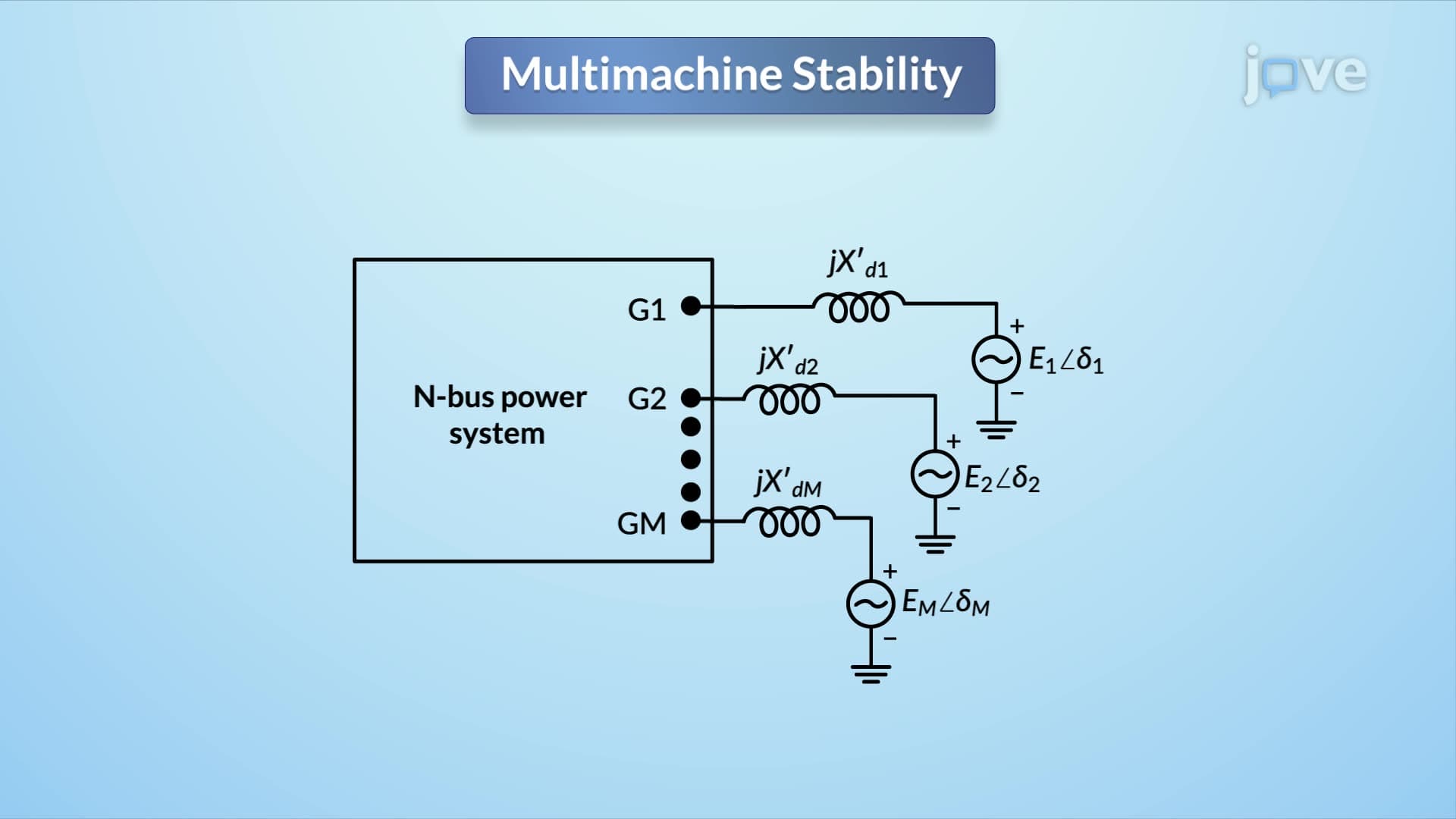
Modern power systems employ multiple turbine-generator units operating in parallel. The overall system frequency response equals the sum of individual unit responses, creating robust, redundant control. This principle proved crucial during the 2003 Northeast blackout, where inadequate governor response contributed to cascading failures affecting 50 million Americans.
Advanced Applications and Modern Developments
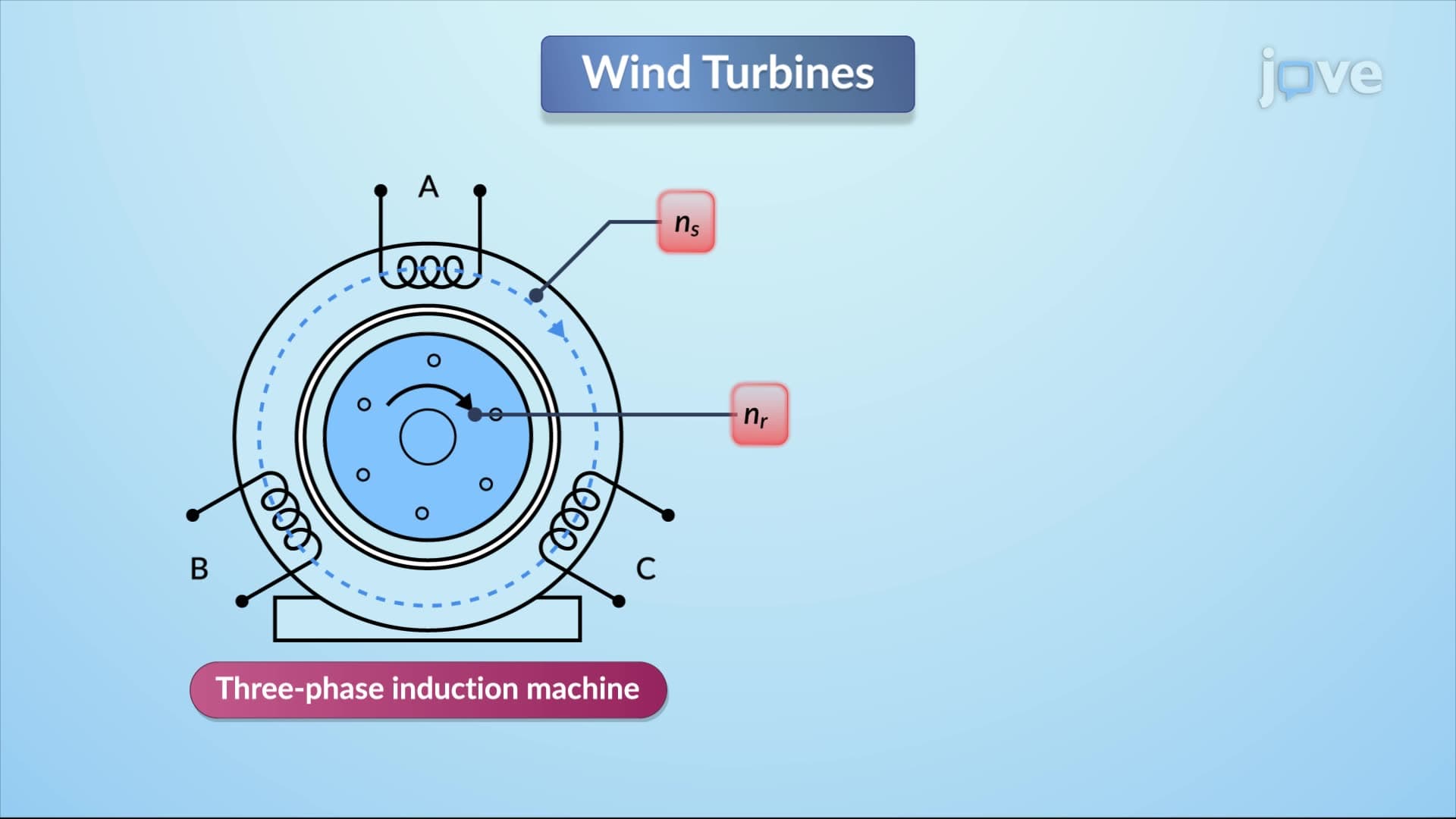
Contemporary power systems increasingly incorporate renewable energy sources, particularly wind turbines. Type 3 and 4 wind turbines implement load frequency control through blade pitch angle adjustment rather than traditional steam or fuel control. When frequency drops, these turbines can reduce their pitch angle to extract more power from wind, providing grid support similar to conventional generators.
Students preparing for AP Physics or college-level electrical engineering courses should understand that load frequency control appears frequently in power systems coursework. The concept bridges theoretical control systems knowledge with practical grid operations, making it essential for ABET-accredited engineering programs and professional engineering licensing examinations.
Frequently Asked Questions
Turbine governor control is an automatic system that adjusts mechanical power output to maintain constant electrical frequency when load changes occur. It's essential because without it, power grids would experience dangerous frequency fluctuations leading to equipment damage and widespread blackouts. The system responds within seconds to maintain the 60 Hz standard frequency used throughout North American power grids.
Load frequency control commonly appears in AP Physics C and college power systems courses through problems involving frequency-power relationships, governor response calculations, and steady-state analysis. Students typically solve problems using the regulation constant (R = 0.05 per unit) to calculate frequency changes after load disturbances. ABET-accredited engineering programs often include detailed governor control analysis in senior-level courses.
The primary mathematical relationship is ΔF = -ΔP/B, where ΔF is frequency change, ΔP is power change, and B is the frequency bias factor. Students should be comfortable with linear algebra for multi-unit systems and basic control theory including transfer functions. Most college courses introduce these concepts progressively, building from simple single-unit analysis to complex multi-area systems.
Major US utilities use sophisticated governor systems that monitor frequency continuously and adjust turbine output automatically. For example, when New York City's electrical demand peaks during summer afternoons, ConEd's power plants automatically increase steam flow to turbines within 10-15 seconds. Modern plants use digital control systems that can respond even faster than traditional mechanical governors used decades ago.
Not at all! While the mathematics can become complex, the basic concept is straightforward: when more electricity is needed, turbines automatically produce more power to keep frequency constant. High school students taking AP Physics or dual-enrollment engineering courses can master the fundamental principles. The key is starting with physical understanding before diving into mathematical analysis.
Focus on understanding the cause-and-effect relationship: load increase → frequency decrease → governor action → power increase → frequency restoration. Practice problems involving regulation constants and frequency-power calculations using real utility data. Create concept maps linking kinetic energy storage, rotor dynamics, and governor response to build comprehensive understanding for both multiple-choice and free-response questions.
Modern wind turbines and solar installations with battery storage participate in load frequency control through advanced inverter systems. This creates exciting career opportunities in grid modernization and renewable energy integration. Students interested in sustainability should explore how energy storage systems and demand response programs enhance traditional governor control methods.
Build on this foundation by exploring economic dispatch, automatic generation control, and power system stability analysis. These topics frequently appear in senior-level engineering courses and professional licensing examinations. Consider studying real-time electricity markets operated by organizations like PJM Interconnection or CAISO to understand how governor control enables competitive electricity trading.
Related Micro-courses

5 Concepts

5 Concepts

13 Concepts