Loading video…


 7 Concepts
 3K views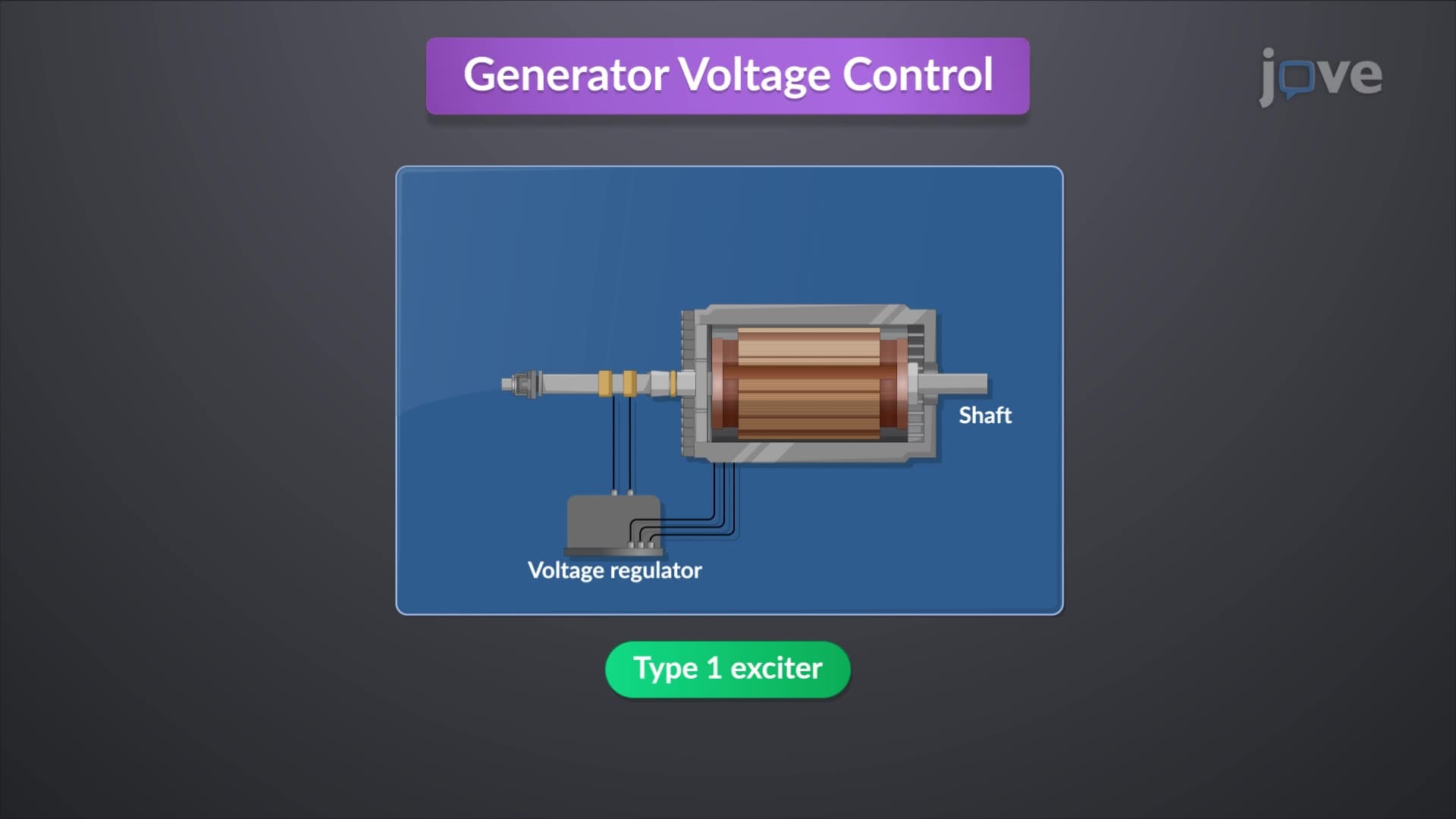

Video Summary: What Is Generator Voltage Control
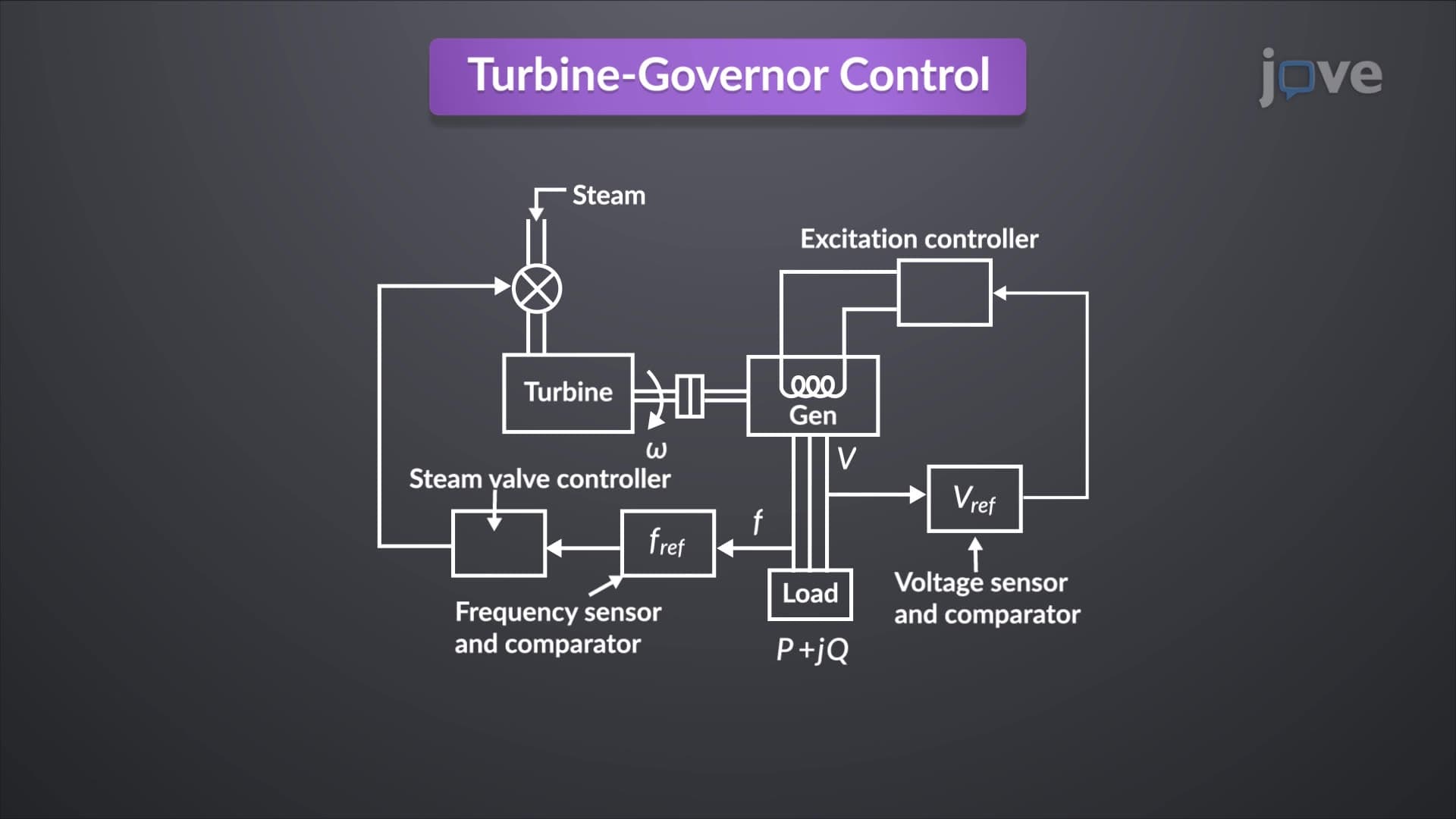
Ever wonder how power grids maintain stable electricity during storms when wind turbines face sudden gusts? Turbine governor control systems automatically adjust generator output to prevent dangerous voltage fluctuations that could damage appliances across entire cities like New York or Los Angeles. What is Generator Voltage Control involves sophisticated exciter systems that regulate electromagnetic fields in synchronous generators, ensuring consistent power delivery regardless of environmental conditions. Watch the full video on JoVE Coach to master this concept with expert-led visuals and step-by-step explanations.
Generator voltage control represents a critical aspect of electrical power systems engineering, focusing on maintaining stable output voltage from synchronous generators despite varying load conditions and environmental factors. This concept becomes particularly important in renewable energy applications, where wind turbines must adapt to constantly changing wind speeds while maintaining grid stability.
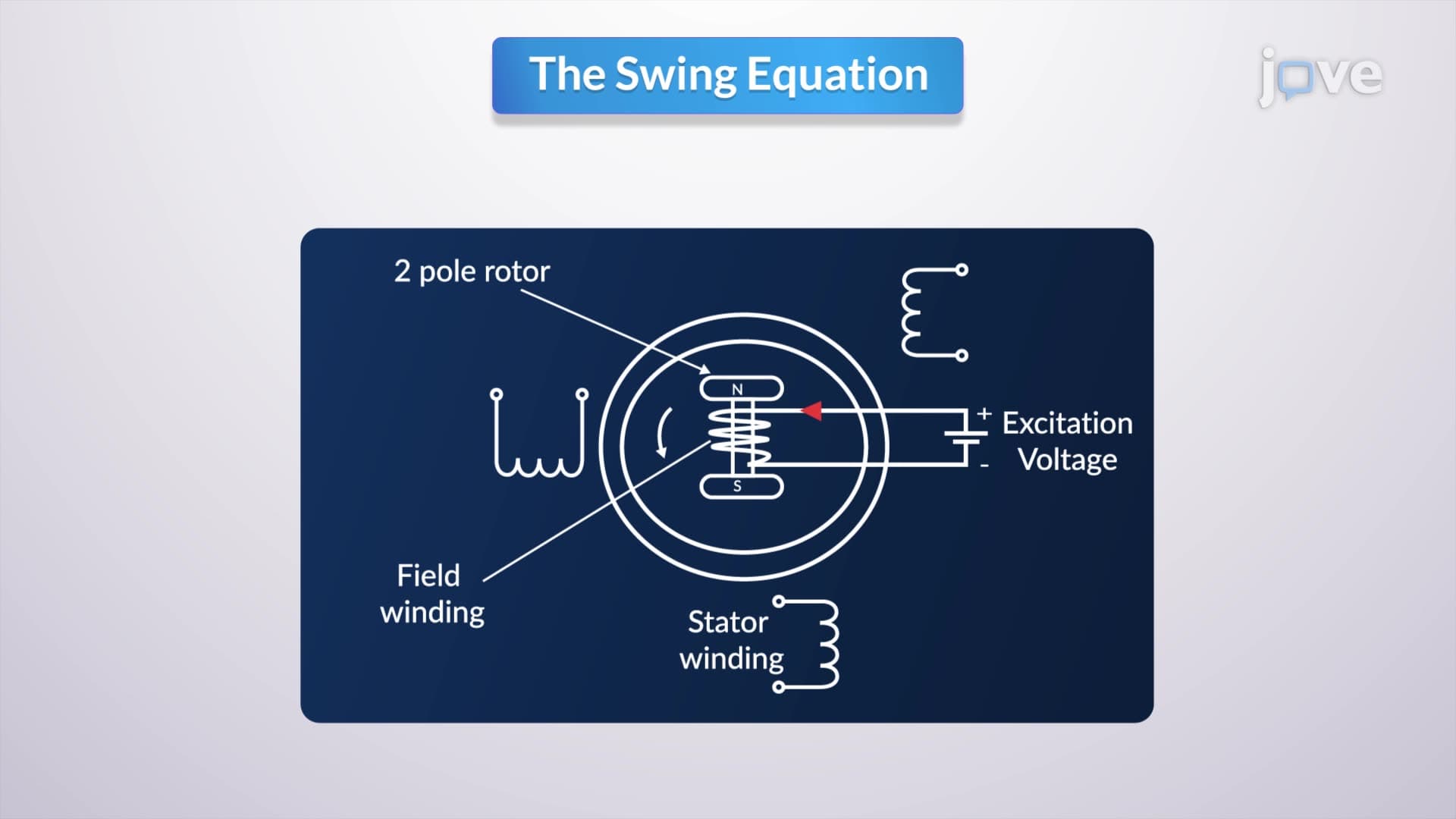
The foundation of generator voltage control lies in exciter systems that supply direct current to rotor field windings. Traditional systems employ shaft-driven DC generators as exciters, mechanically coupled to the main generator rotor. These Type 1 systems include voltage regulators that continuously monitor terminal voltage and adjust field current accordingly, representing the basic turbine governor control definition in older power plants.
Modern installations utilize static exciters that convert AC power from generator terminals or station buses into regulated DC field current. This approach eliminates mechanical coupling issues and provides faster response times during grid disturbances. Brushless excitation systems take this concept further by incorporating an inverted synchronous generator configuration, where AC power from armature windings is rectified and supplied directly to the main generator's field winding.
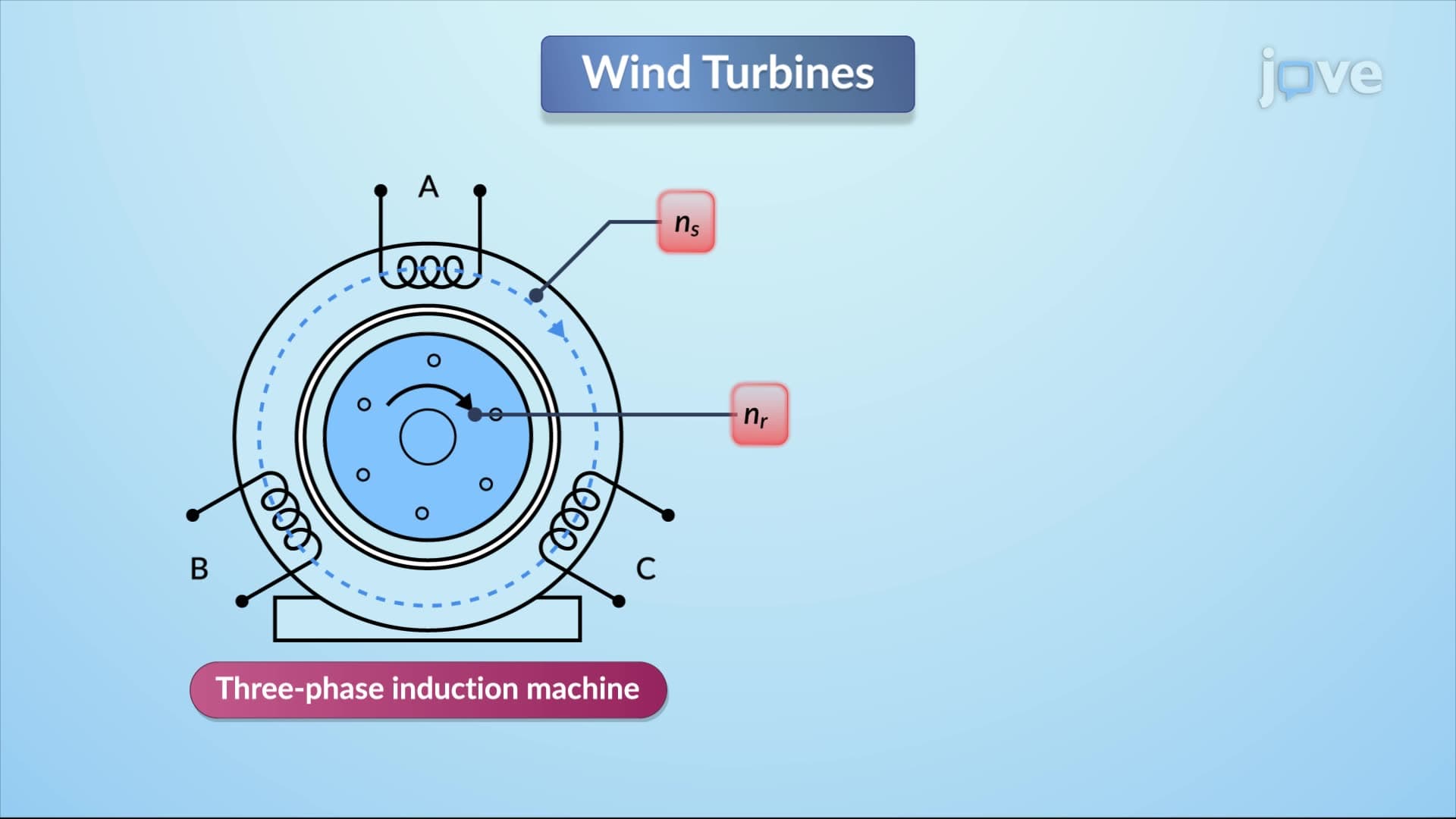
Wind turbine generator voltage control varies significantly based on turbine design and grid connection requirements. Type 1 wind turbines lack sophisticated voltage control capabilities, relying primarily on mechanical systems for basic regulation. Type 2 systems incorporate resistance control mechanisms that maintain relatively constant power output during wind gusts, preventing sudden voltage fluctuations that could destabilize local electrical grids.
Type 3 wind turbine systems feature advanced reactive power control, maintaining either constant reactive power output or varying it proportionally with real power generation. This capability proves essential for large wind farms connected to transmission networks, where reactive power management affects voltage stability across wide geographical areas. Students preparing for AP Physics or college-level electrical engineering courses should understand how these systems integrate with Smart Grid technologies increasingly deployed across the United States.
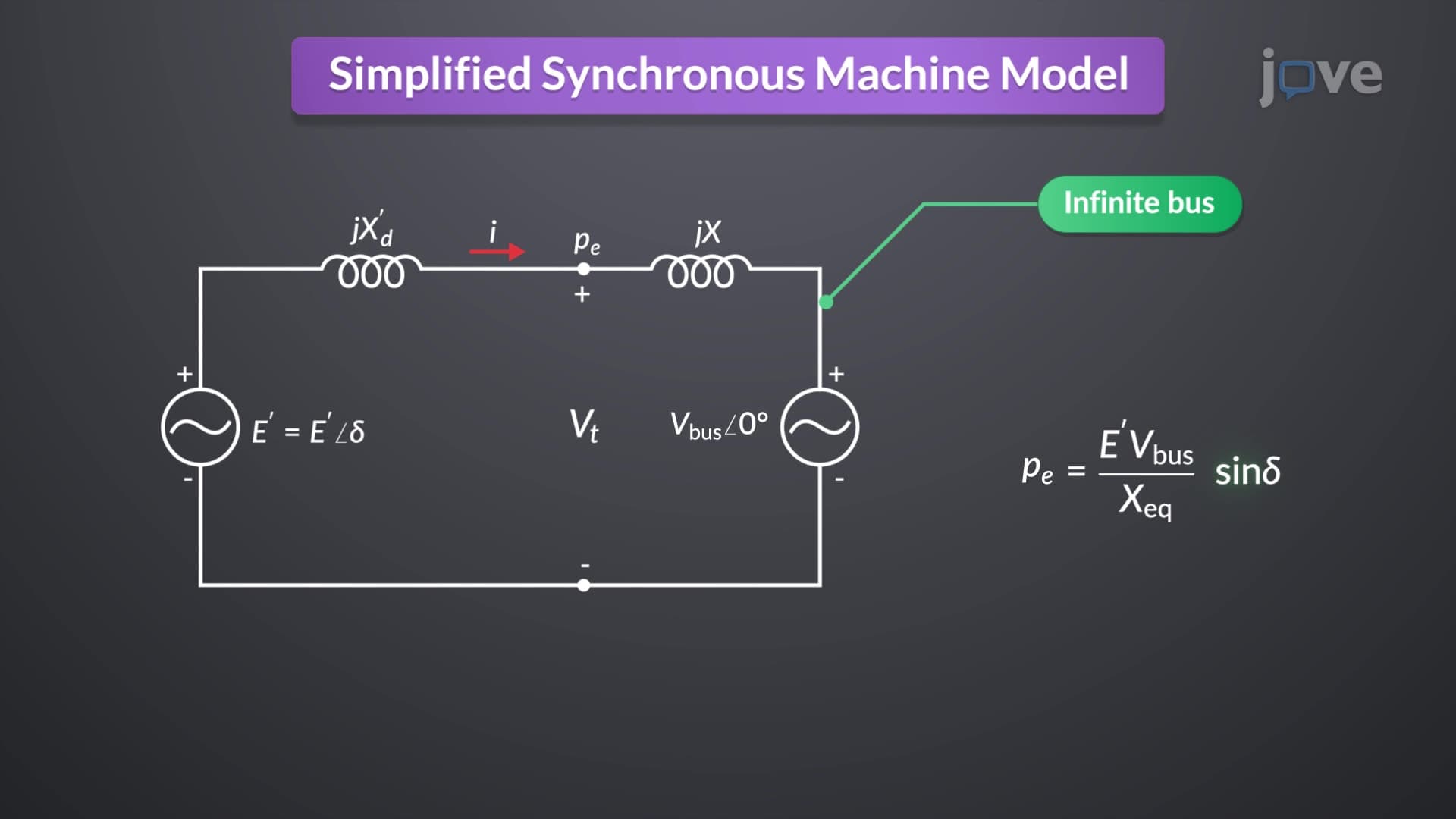
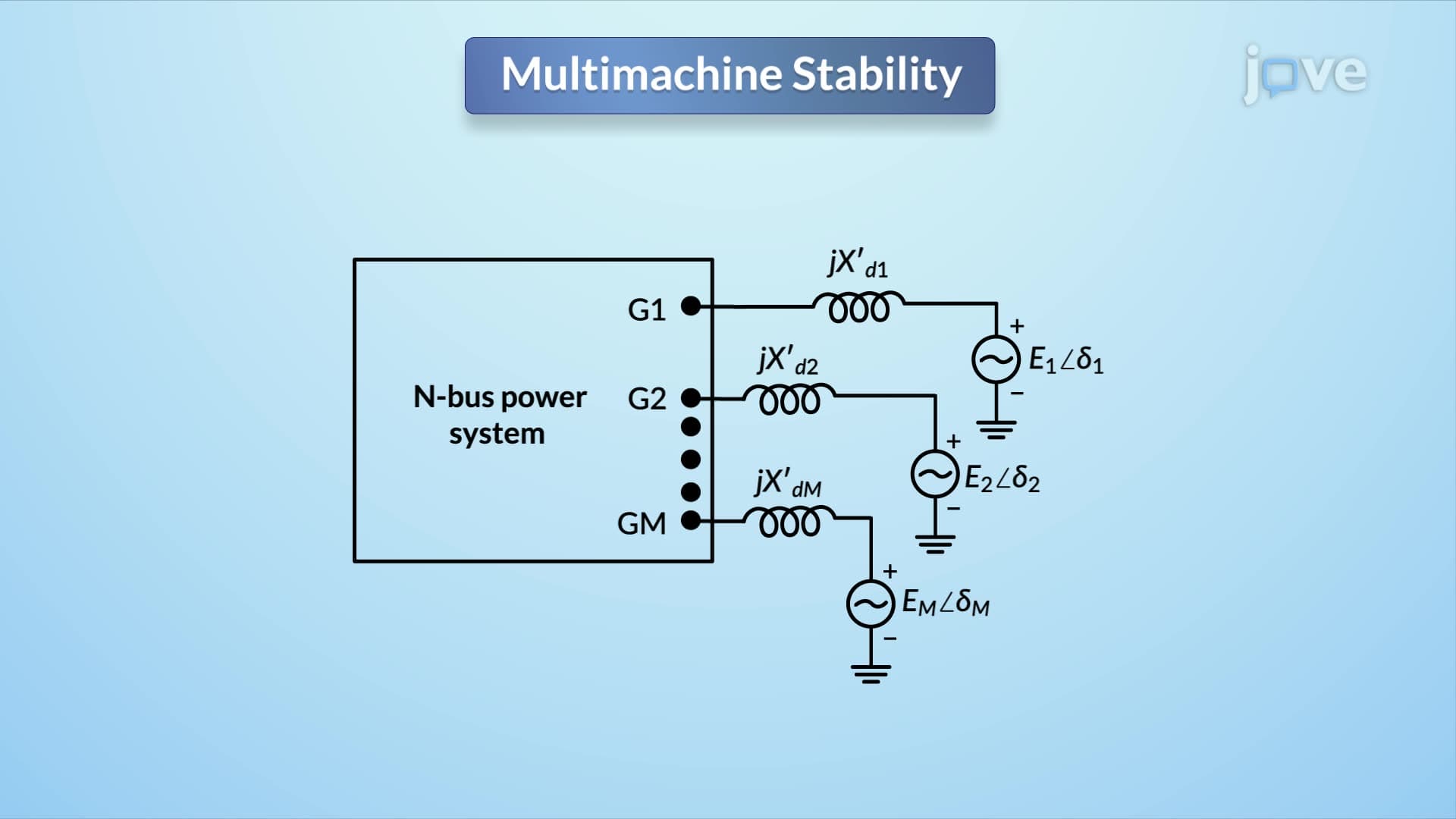
High-gain, fast-responding exciters play crucial roles in maintaining transient stability during short circuits and other grid disturbances. When fault conditions occur, these systems rapidly increase field voltage to counteract voltage drops, preventing generator synchronization loss. Block diagram representations used in transient stability programs help engineers model these complex interactions mathematically, computing system responses during various operating scenarios that students might encounter in power systems coursework or Professional Engineering licensing examinations.
Related Micro-courses