Loading video…


 7 Concepts
 3K views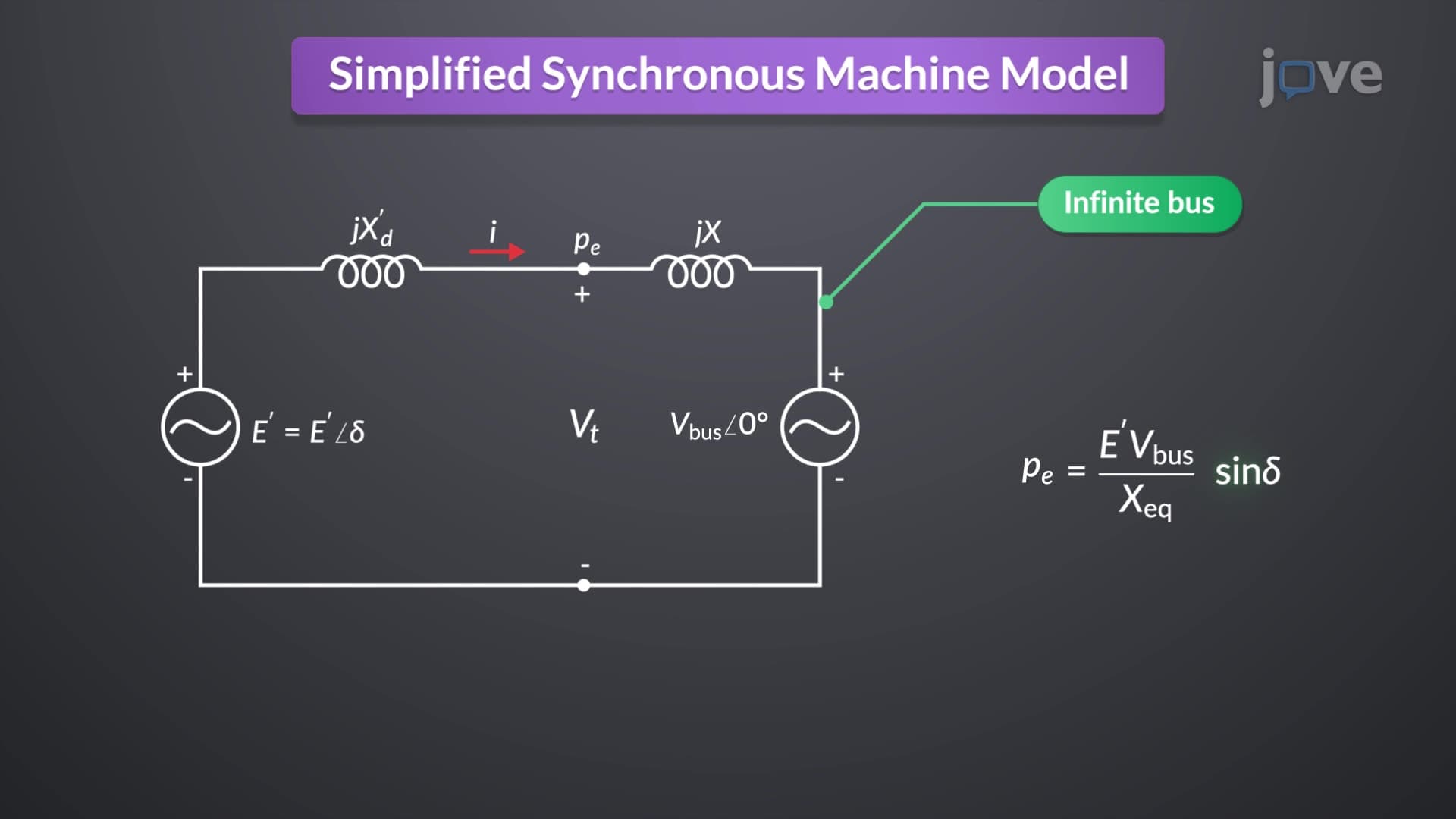

Video Summary: What Is Simplified Synchronous Machine Model
Did you know that massive power outages like the 2003 Northeast blackout affecting 55 million Americans could have been prevented with better multimachine stability analysis? Understanding multimachine stability is crucial for predicting how multiple generators in power grids respond to sudden disturbances. The Simplified Synchronous Machine Model provides the foundation for analyzing these complex interactions in electrical power systems. Watch the full video on JoVE Coach to master this concept with expert-led visuals and step-by-step explanations.
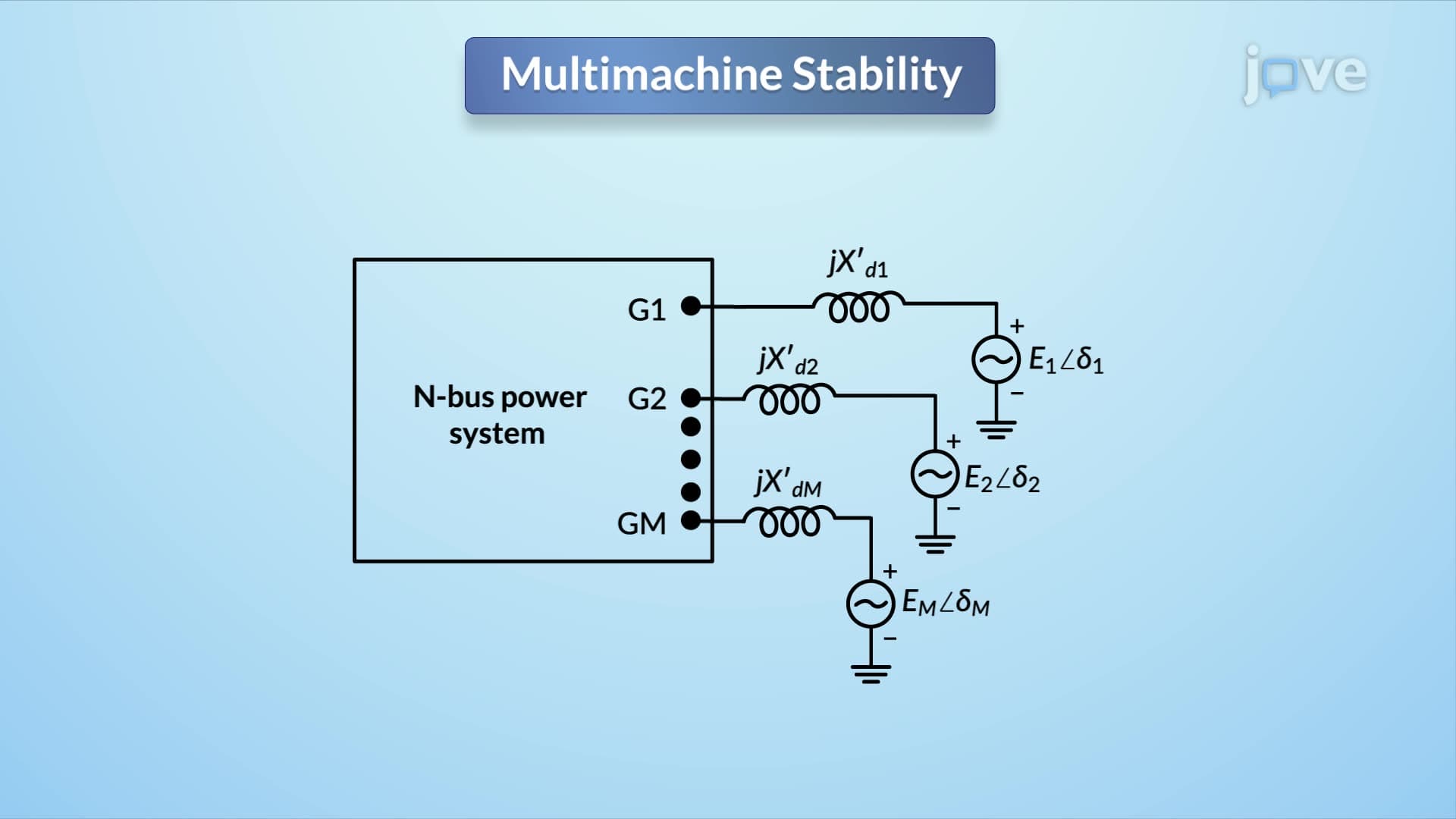
The Simplified Synchronous Machine Model serves as the cornerstone for analyzing power system stability, particularly when studying how multiple generators interact during grid disturbances. This model makes several key assumptions that simplify complex real-world generator behavior into manageable mathematical representations. The model assumes constant internal voltage behind the generator's direct-axis transient reactance, balanced three-phase operation, constant excitation, and neglects losses and magnetic saturation effects.
Multimachine stability definition encompasses the ability of multiple interconnected generators to maintain synchronism and stable operation following system disturbances. Unlike single-machine analysis, multimachine stability requires understanding how each generator's response affects others in the network. This concept is fundamental in electrical engineering coursework and appears frequently in AP Physics exams and college power systems courses. The multimachine stability concept becomes critical when analyzing large power grids like those managed by regional transmission organizations across the United States.
The model represents generator power output as a sinusoidal function of the power angle, which is the electrical angle between the generator's internal voltage and the system voltage. During normal operation, this angle remains relatively small, but disturbances can cause significant variations. Understanding multimachine stability requires grasping how these power angles interact across multiple machines. When a generator experiences a sudden load change, its rotor accelerates or decelerates due to inertia, potentially affecting the stability of neighboring generators in the network.
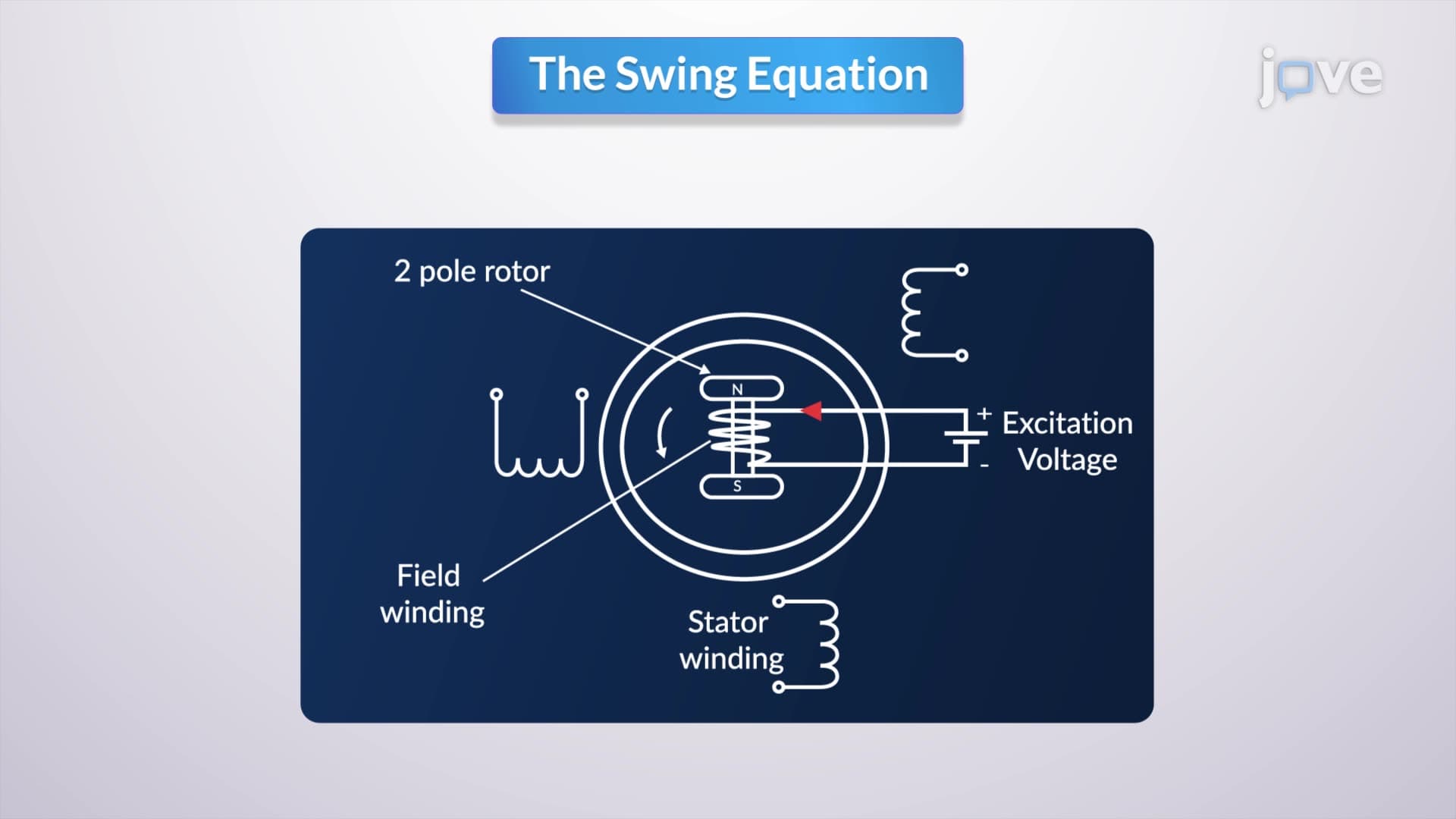
For single machines connected to infinite buses, the Equal-Area Criterion provides an elegant graphical method for stability assessment. However, what is multimachine stability in detail reveals the need for more sophisticated numerical methods. In multimachine systems, each generator follows its own nonlinear swing equation, and their collective behavior determines overall system stability. This multimachine stability study guide emphasizes that real power systems like the California Independent System Operator (CAISO) require advanced computational tools to solve these interconnected differential equations and predict system behavior during contingencies.
Related Micro-courses