Loading video…


 7 Concepts
 3K views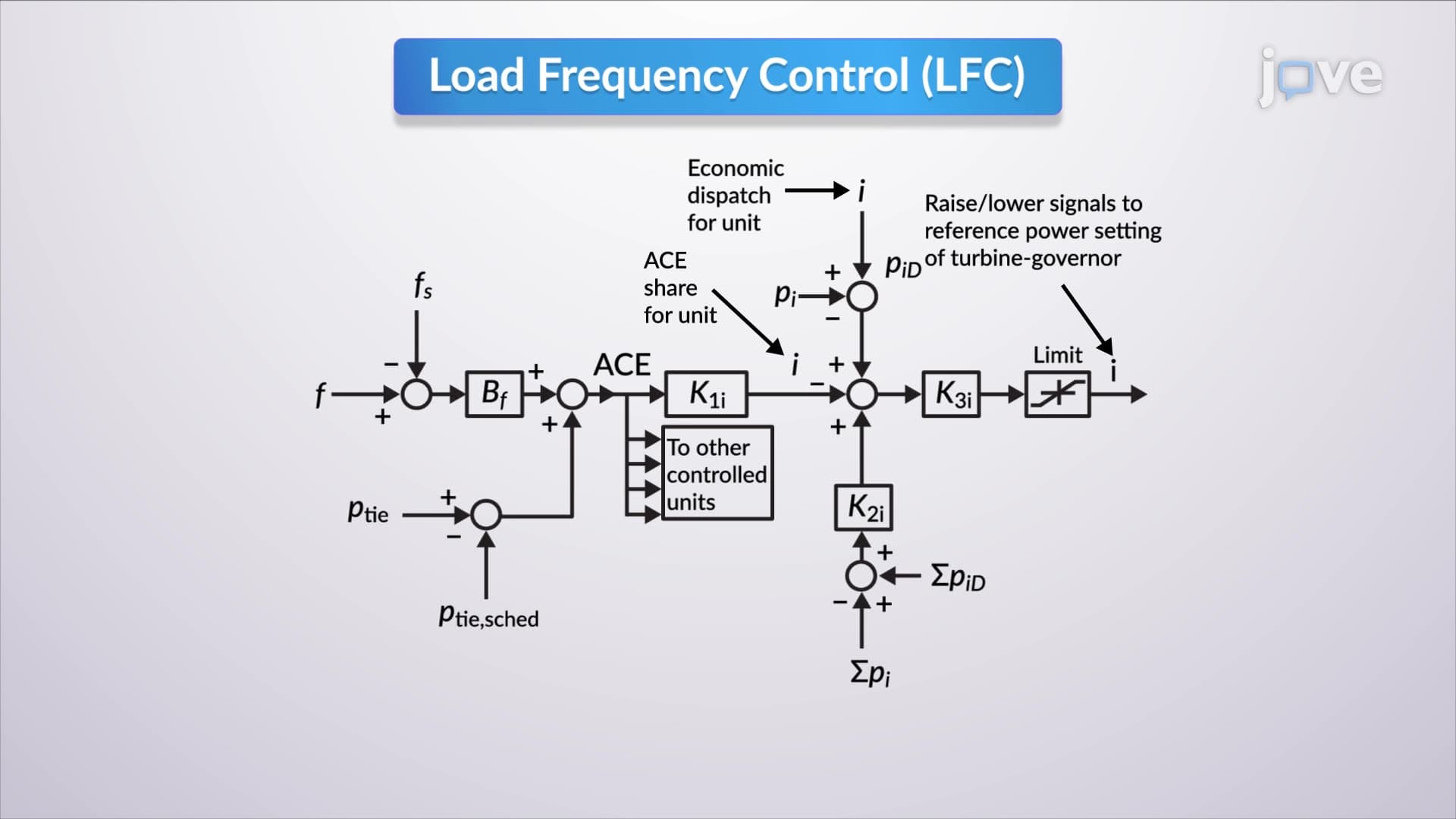

Video Summary: What Is Load Frequency Control
Ever wonder how your smartphone charges consistently even when millions of Americans simultaneously turn on air conditioners during summer heat waves? Traveling waves in lossless lines help explain the fundamental principles behind electrical grid stability, which Load Frequency Control manages by maintaining precise 60-Hz frequency across power networks. When Texas experienced grid failures in 2021, inadequate frequency control contributed to widespread blackouts affecting millions. Load Frequency Control prevents such disasters by automatically adjusting power generation to match demand changes. Watch the full video on JoVE Coach to master this concept with expert-led visuals and step-by-step explanations.
Load Frequency Control (LFC) represents one of the most critical automatic control systems in modern electrical power grids. This sophisticated control mechanism ensures that electricity frequency remains precisely at 60 Hz across the United States, regardless of constantly changing power demands. When you flip a light switch or plug in your laptop, LFC systems respond within seconds to maintain grid stability.
The heart of Load Frequency Control lies in Area Control Error (ACE), a mathematical calculation that combines two essential measurements: frequency deviations from 60 Hz and power flow variations across tie-lines connecting different utility regions. For example, when California experiences high air conditioning demand during heat waves, ACE calculations help coordinate power transfers from neighboring states like Oregon and Nevada. This coordination prevents frequency drops that could damage sensitive electronic equipment or cause cascading blackouts.
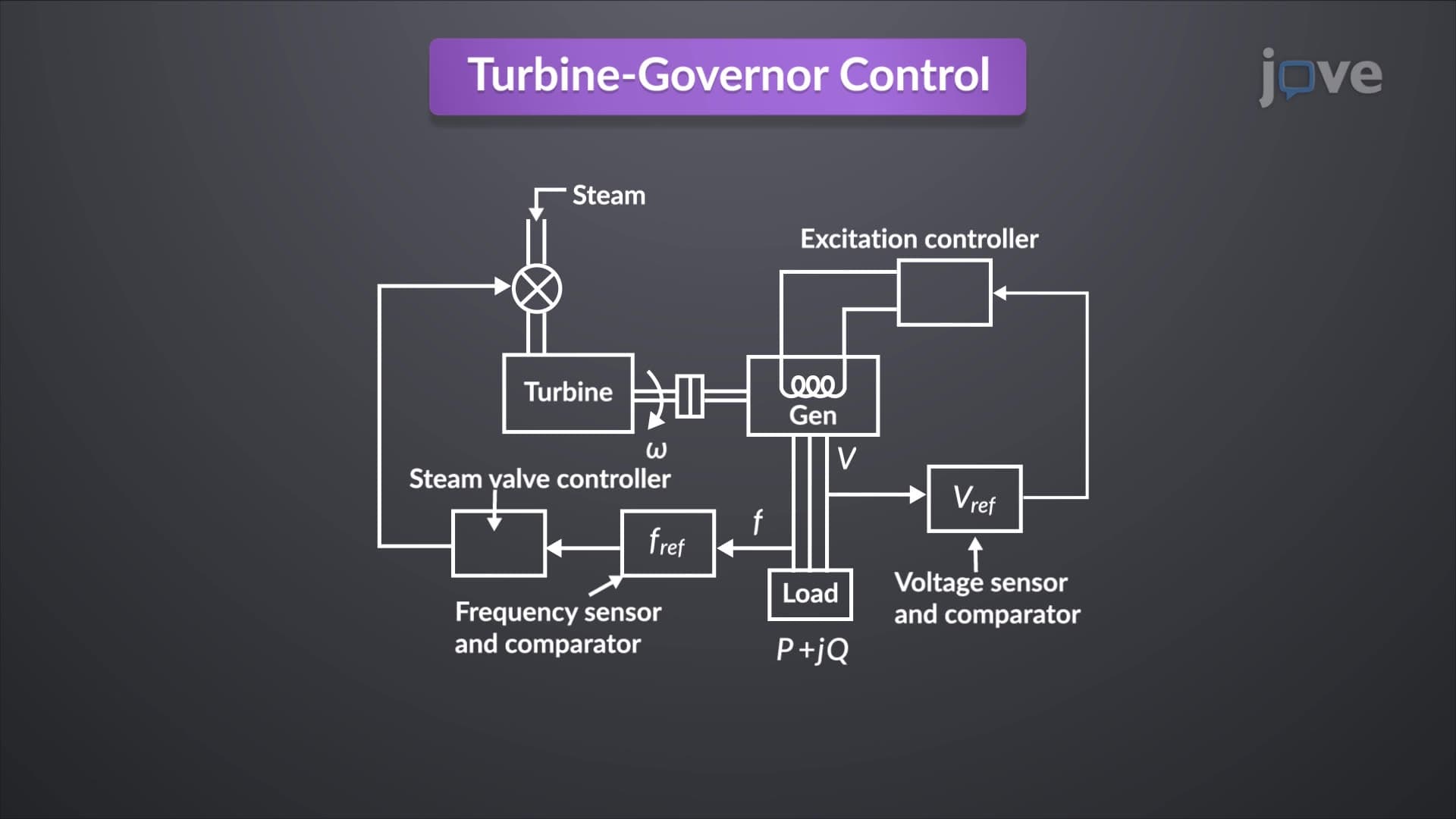
Load Frequency Control achieves its objectives through rapid adjustments to turbine governor reference settings at power plants across the grid. These adjustments occur every 2-4 seconds, making LFC one of the fastest automatic control systems in electrical engineering. Steam turbines at coal plants, gas turbines at natural gas facilities, and even hydroelectric generators receive continuous raise/lower signals based on ACE calculations. This concept frequently appears in AP Physics courses and electrical engineering exams, particularly when discussing feedback control systems.
Beyond maintaining frequency stability, Load Frequency Control integrates with economic dispatch systems to optimize power generation costs. During periods of low demand, such as late nights, LFC systems automatically reduce output from expensive "peaking" plants while maintaining output from cost-efficient baseload facilities. This economic coordination saves consumers billions of dollars annually while maintaining grid reliability. Students preparing for electrical engineering coursework or MCAT physics sections should understand how LFC balances technical requirements with economic constraints, as this represents a classic example of optimization under constraints.
Related Micro-courses