Loading video…


 7 Concepts
 3K views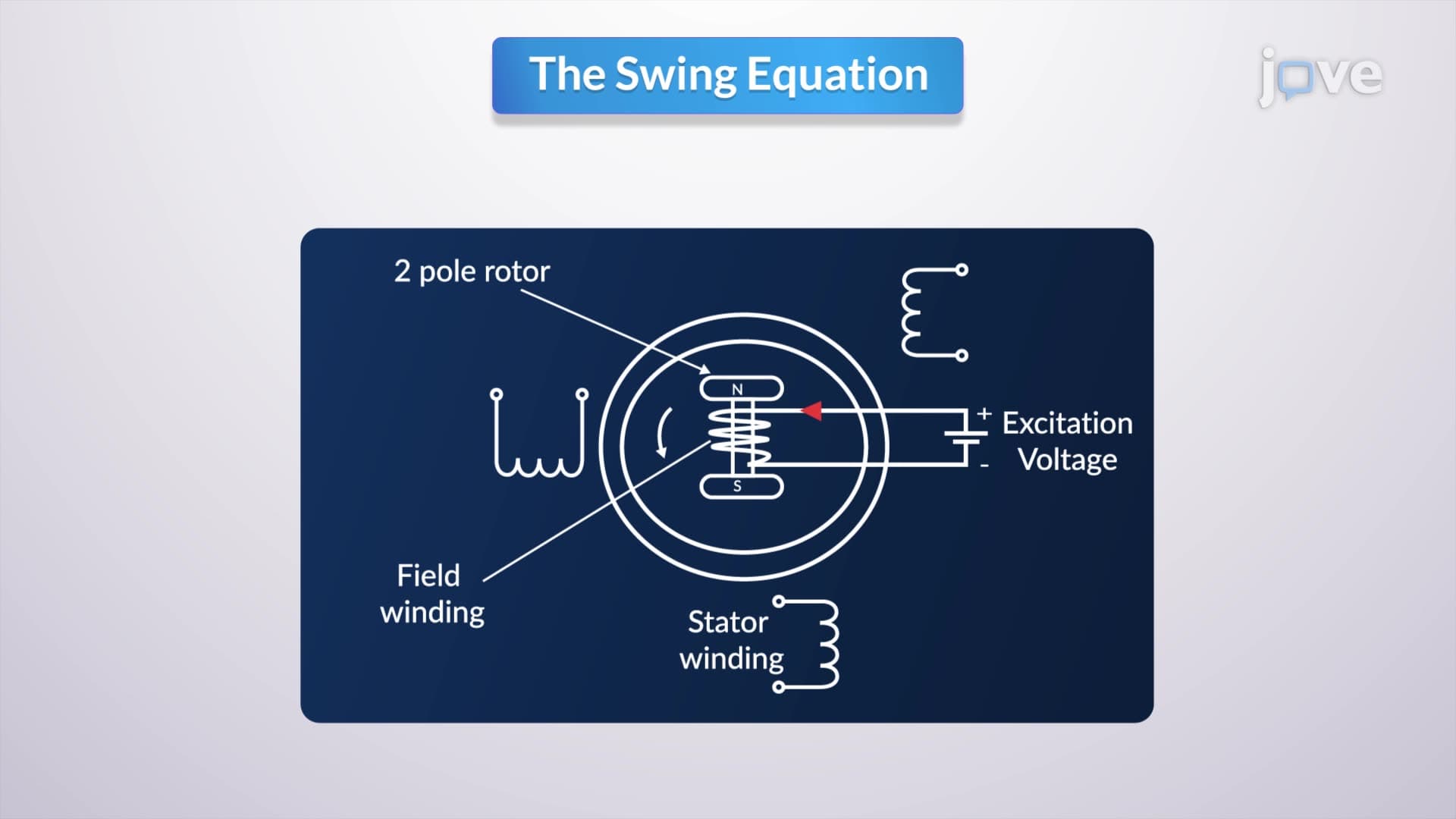

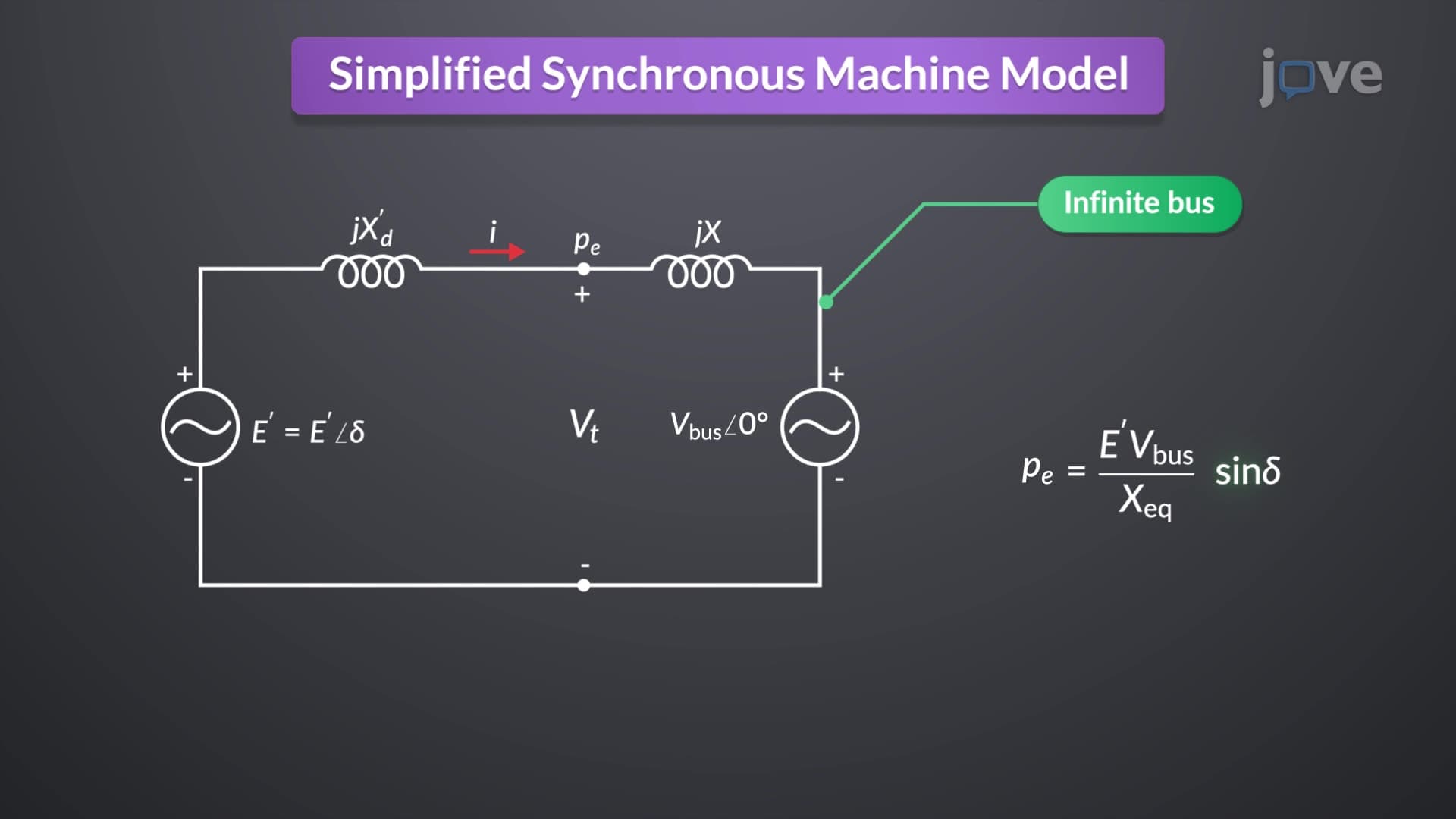
Video Summary: What Is the Swing Equation
Ever wonder how the massive generators at Hoover Dam maintain perfect synchronization with the electrical grid? The simplified synchronous machine model, particularly through the Swing Equation, reveals the intricate dance between mechanical and electrical forces that keeps our power systems stable. This fundamental equation governs how generators at facilities like the Grand Coulee Dam respond to load changes, ensuring your lights stay on when thousands of air conditioners kick in during a Texas heat wave. Watch the full video on JoVE Coach to master this concept with expert-led visuals and step-by-step explanations.
The Swing Equation serves as the cornerstone for analyzing power system stability, representing one of the most elegant applications of Newton's second law to electrical engineering. This simplified synchronous machine model captures the essential physics governing how generators respond to disturbances, making it indispensable for power system engineers designing everything from neighborhood substations to massive grid interconnections.
At its core, the equation describes the rotational dynamics of a generator's rotor, balancing mechanical input power against electrical output power. When you flip a light switch in your home, generators hundreds of miles away must instantaneously adjust their output, and the Swing Equation predicts exactly how they'll respond.
The mathematical beauty of the simplified synchronous machine model lies in its per-unit formulation, which normalizes complex power calculations into dimensionless quantities. This approach, standard in US utility companies like Pacific Gas & Electric and Duke Energy, transforms unwieldy calculations into manageable forms that engineering students can master in courses like EE 340 (Power Systems Analysis) at major universities.
The normalized H constant represents the generator's stored kinetic energy relative to its rated power, typically ranging from 2-10 seconds for thermal plants and 2-4 seconds for hydroelectric facilities. Understanding this parameter proves crucial for AP Physics C students tackling rotational dynamics problems and college students preparing for the Fundamentals of Engineering (FE) exam.
In steady-state operation, mechanical torque perfectly balances electrical torque, maintaining synchronous speed-exactly 3,600 RPM for a two-pole generator on the 60 Hz US grid. This equilibrium represents the normal operating condition at power plants like the Palo Verde Nuclear Generating Station in Arizona, where three massive turbine-generators supply electricity to millions of customers.
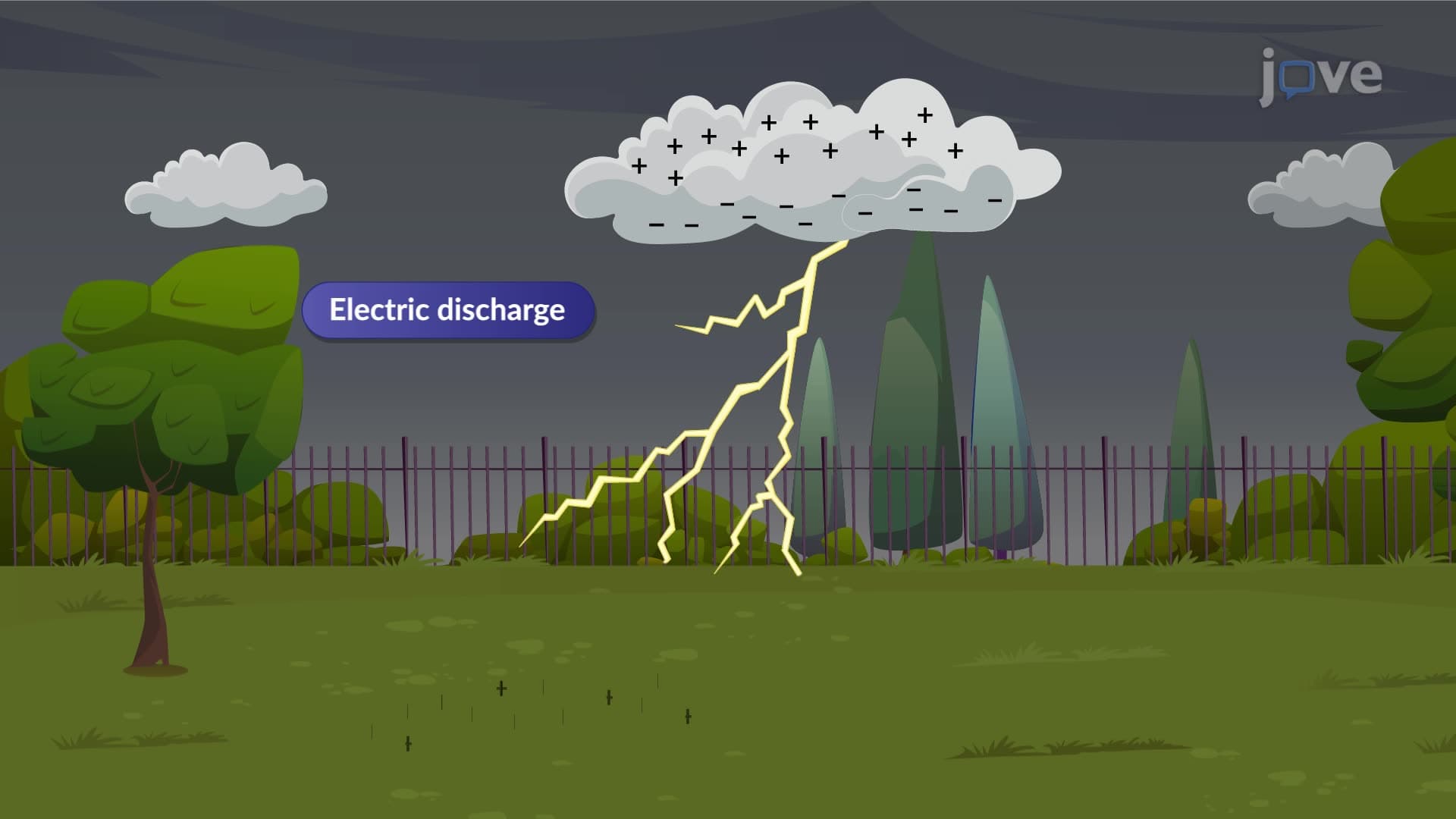
However, when disturbances occur-such as lightning strikes on transmission lines or sudden load changes-the system enters transient conditions. The Swing Equation becomes a nonlinear differential equation that power engineers solve to ensure grid stability, preventing cascading blackouts like the 2003 Northeast blackout that affected 55 million people.
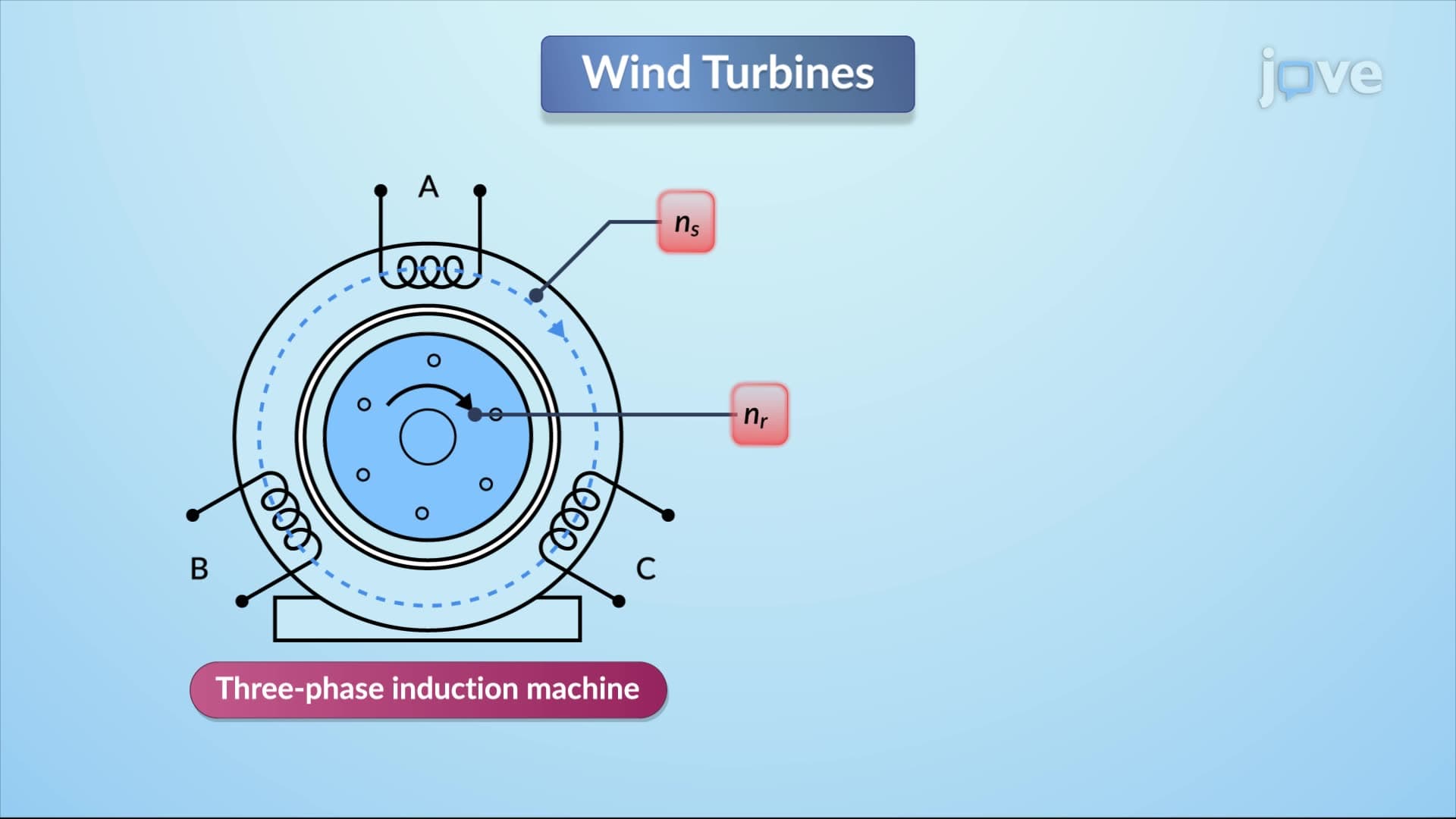
Beyond traditional power plants, the simplified synchronous machine model concept extends to renewable energy systems, particularly wind turbines. Modern wind farms in states like Texas and Iowa use similar principles to maintain grid synchronization, though with additional complexity due to variable wind speeds and power electronic interfaces.
For students preparing for standardized tests, this concept frequently appears in AP Physics problems involving rotational motion and energy conservation, while college-level power systems courses use it as the foundation for more advanced stability analysis techniques.
Related Micro-courses