Loading video…


 7 Concepts
 3K views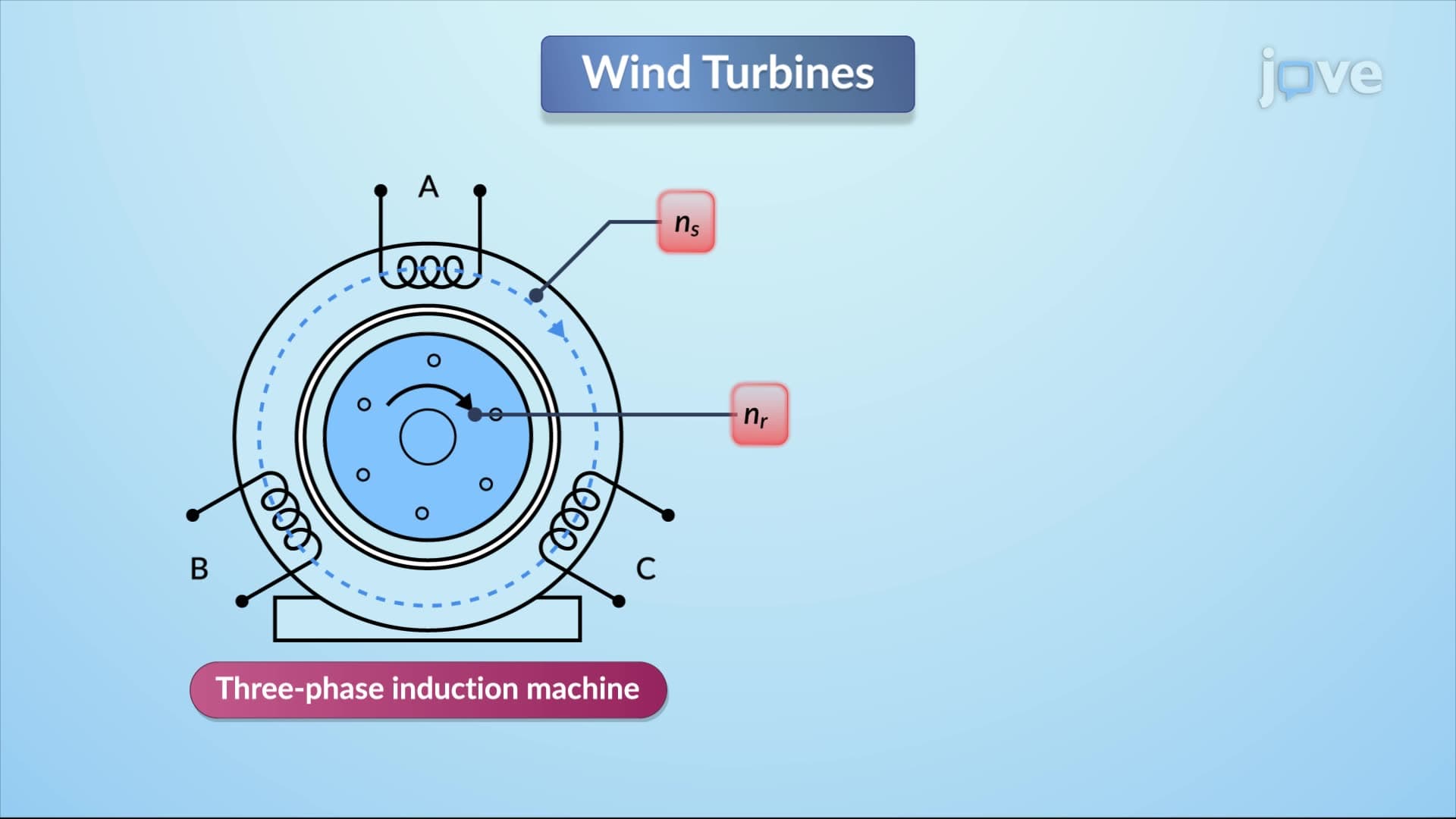

Video Summary: What are Wind Turbine Machine Models
Generator voltage control determines how modern wind farms maintain stable power delivery despite constantly changing wind conditions. In Texas, the world's largest wind-producing state, over 150 wind farms rely on sophisticated wind turbine machine models to manage electrical output and prevent grid instability. These four distinct turbine types each employ different generator voltage control strategies, from basic induction machines to advanced converter systems that independently regulate real and reactive power. Understanding these models reveals how engineers balance renewable energy production with electrical grid reliability. Watch the full video on JoVE Coach to master this concept with expert-led visuals and step-by-step explanations.
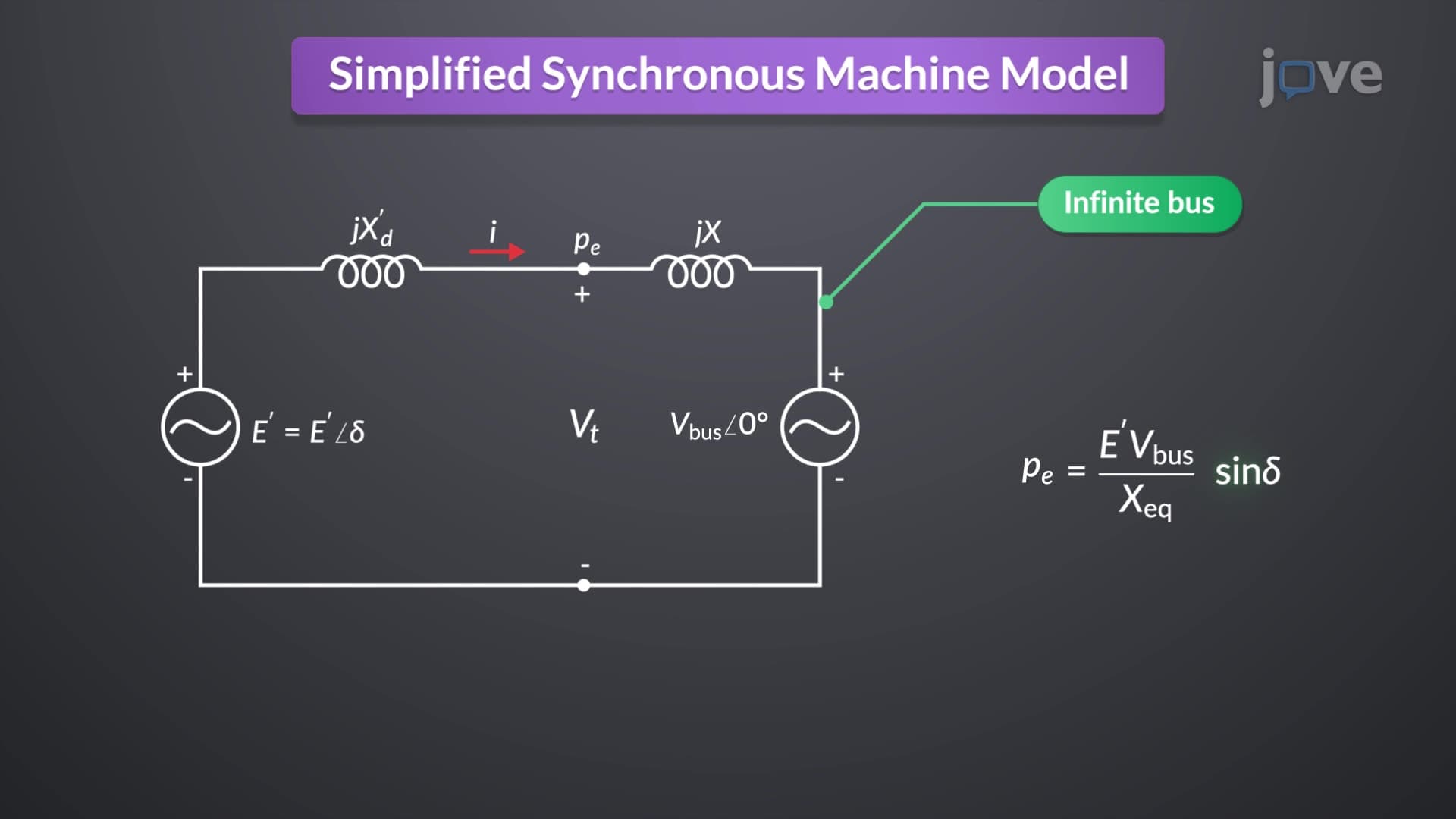
Wind turbine machine models represent the mathematical and electrical frameworks that describe how wind turbines convert mechanical energy into electrical power while maintaining grid stability. These models are essential for power system analysis, particularly as wind energy accounts for over 10% of US electricity generation. Each model type addresses specific challenges in generator voltage control, from basic fixed-speed operations to sophisticated variable-speed systems with full converter interfaces.
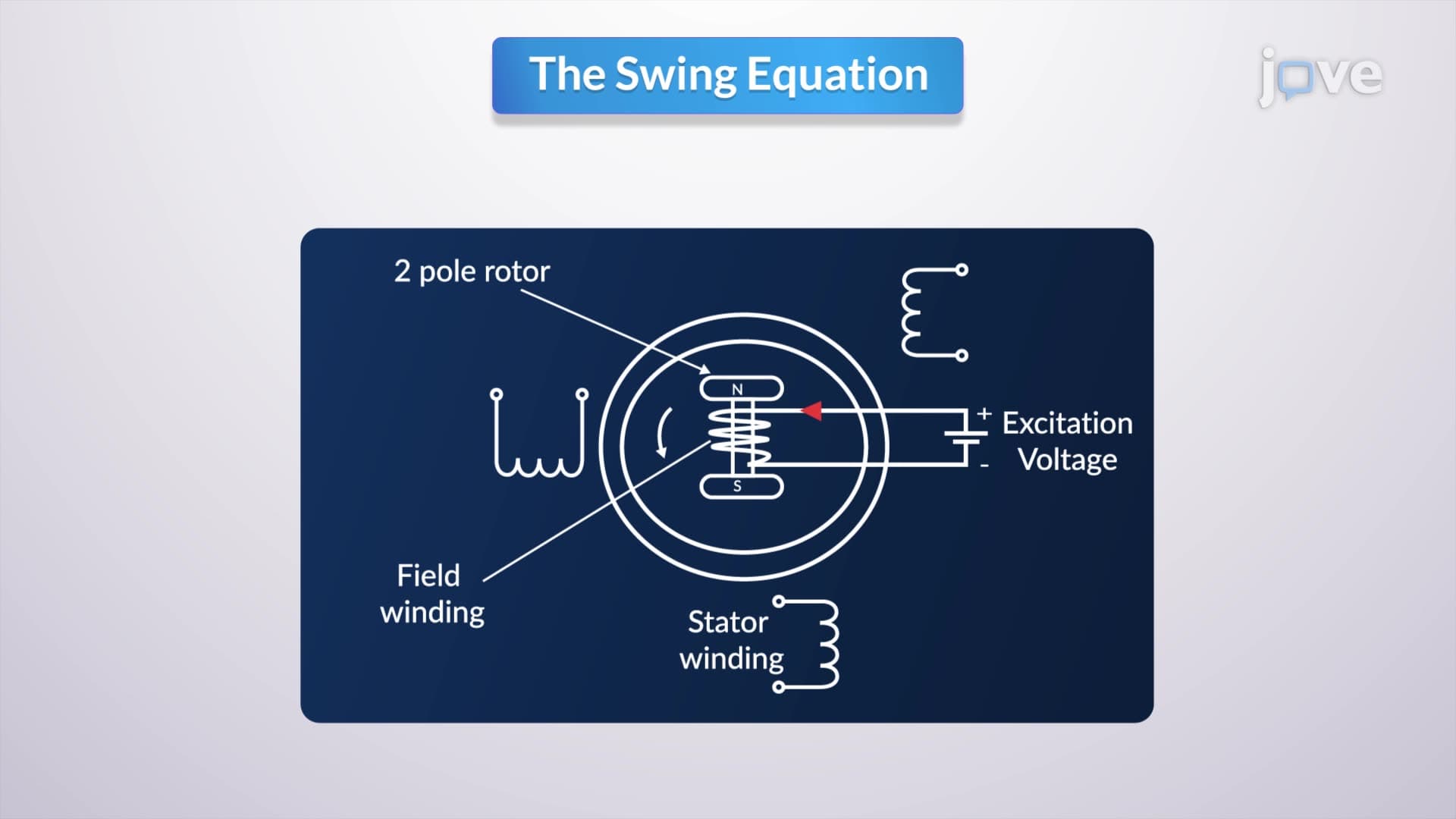
Types 1 and 2 wind turbines rely on induction machine principles where generator voltage control definition centers on the electromagnetic relationship between stator and rotor. The stator windings create a rotating magnetic field that induces currents in the rotor through relative motion. This fundamental concept appears frequently on AP Physics C exams and college-level electrical engineering courses.
The slip calculation becomes crucial for understanding generator voltage control: slip = (synchronous speed - rotor speed) / synchronous speed. Type 1 turbines use squirrel cage rotors with fixed electrical characteristics, limiting their ability to optimize performance across wind speed variations. For example, the Sweetwater Wind Farm in Texas primarily uses Type 1 turbines for their simplicity and reliability in consistent wind conditions.
Type 2 turbines advance this concept by incorporating wound rotor induction machines with variable rotor resistance control. This allows operators to adjust the electrical characteristics dynamically, improving energy capture efficiency by 10-15% compared to Type 1 systems.
What is generator voltage control in detail becomes more complex with Types 3 and 4 turbines, which employ power electronic converters for enhanced control capabilities. Type 3 turbines, known as Doubly-Fed Asynchronous Generators (DFAGs), represent the most common utility-scale installation in the US, including major installations like the Horse Hollow Wind Energy Center in Texas.
The AC-DC-AC converter in Type 3 systems connects rotor windings to the electrical grid, enabling independent control of real and reactive power. This separation allows wind farm operators to provide voltage support services to utilities, addressing generator voltage control overview requirements for modern grid integration.
Type 4 turbines employ full converter systems where the generator output connects entirely through AC-DC-AC conversion. This design provides maximum flexibility for generator voltage control basics, allowing turbines to operate across the widest possible speed range while maintaining precise electrical output characteristics. These systems dominate offshore wind installations, such as the Block Island Wind Farm off Rhode Island.
Related Micro-courses