Loading…
Loading video…

2,559 views
Ever wondered why power grids across the United States use three winding transformers instead of simpler designs? These sophisticated electrical components handle voltage conversion at different levels simultaneously, making them essential for efficiently distributing electricity from power plants in Texas to homes in California. Understanding Equivalent Circuits For Practical Transformers Explained reveals how real transformers differ from idealized models due to resistance losses, magnetic flux leakage, and core permeability limitations that affect power transmission efficiency. Watch the full video on JoVE Coach to master this concept with expert-led visuals and step-by-step explanations.
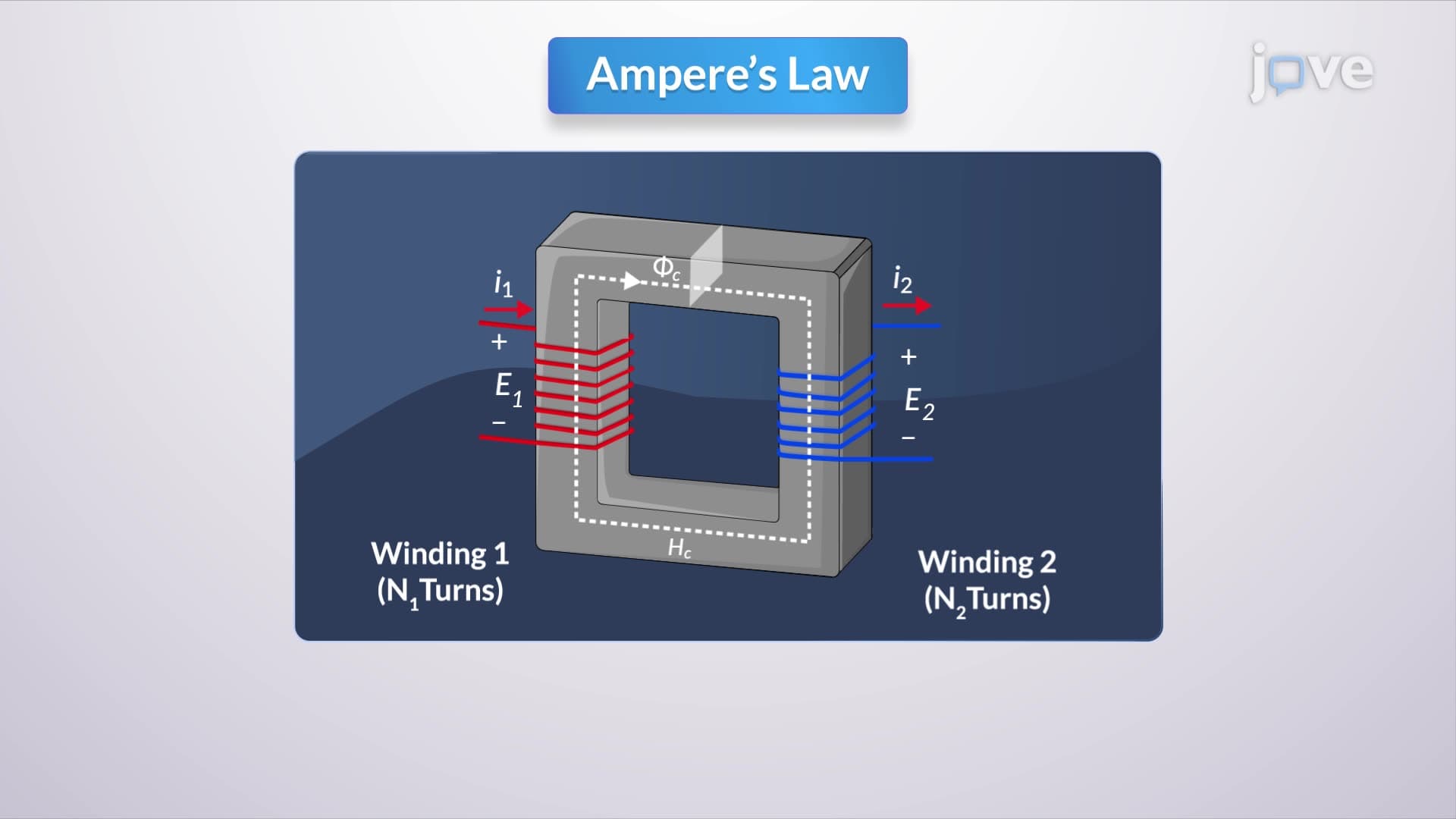
Real transformers in electrical power systems deviate significantly from the idealized models taught in introductory physics courses. While ideal transformers assume perfect coupling and zero losses, practical transformers exhibit measurable resistance, leakage inductance, and core losses that engineers must account for in circuit analysis and design.
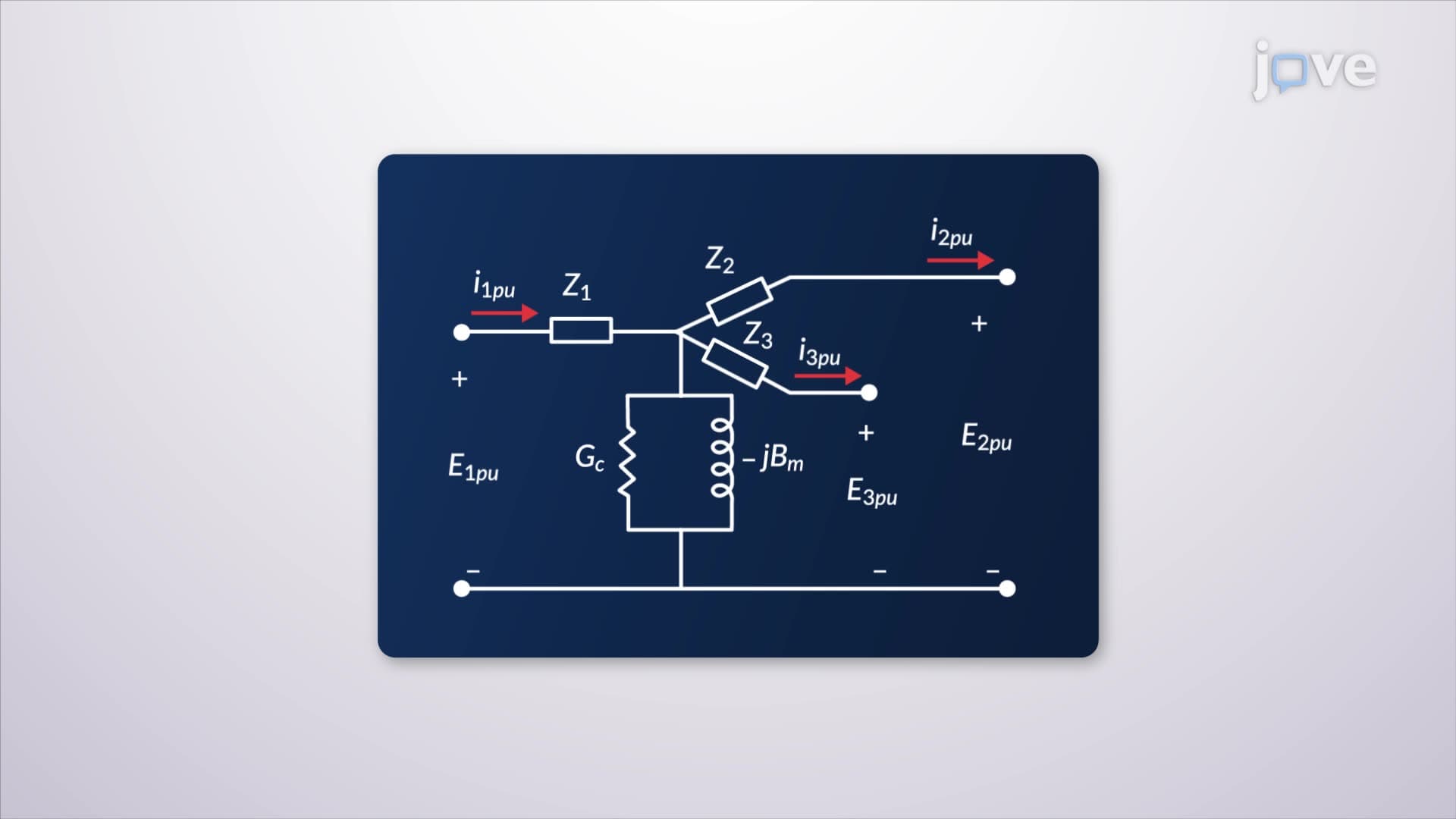
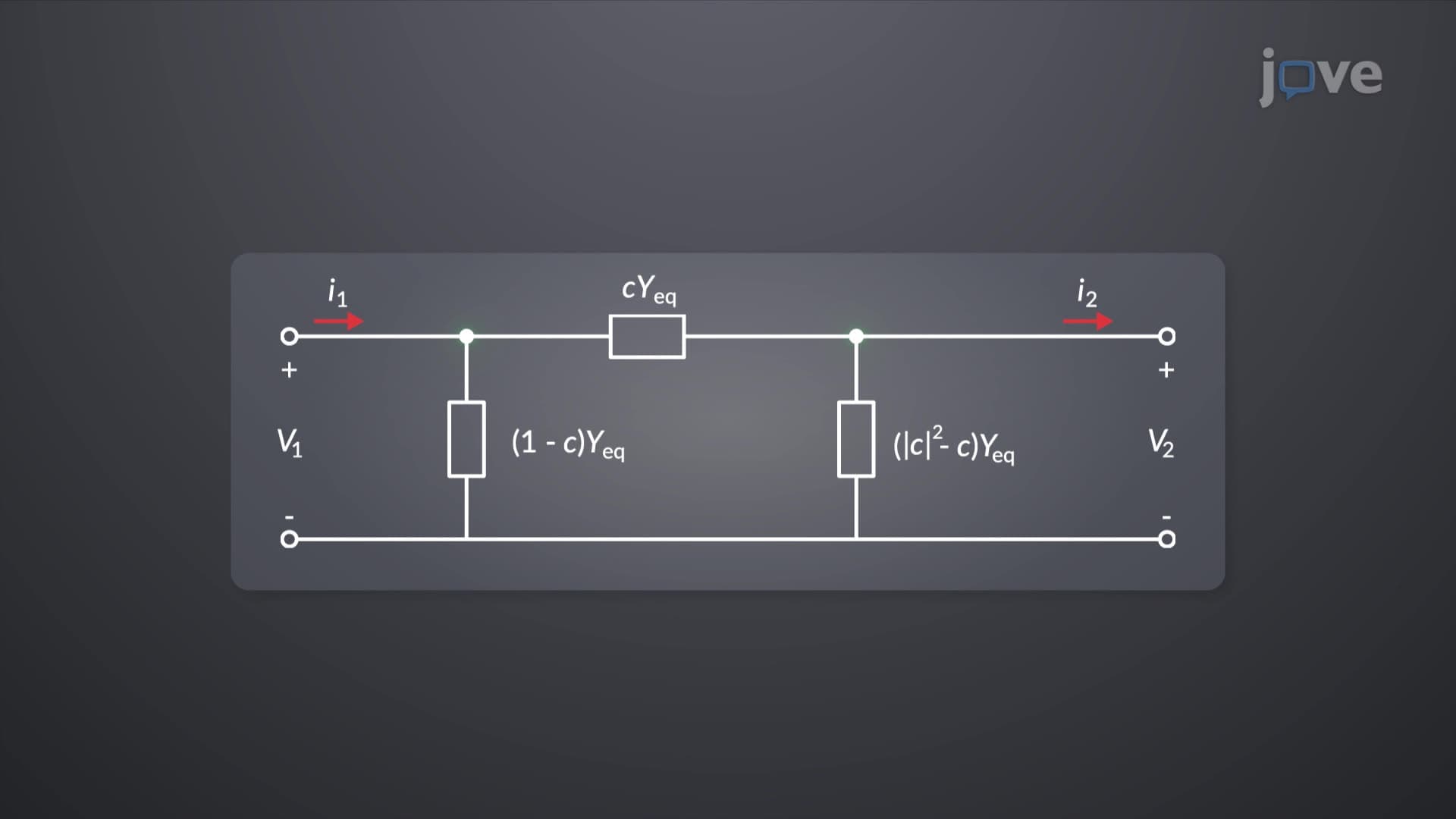
Three winding transformers serve critical roles in electrical distribution networks, particularly in substations where multiple voltage levels must be managed simultaneously. Unlike two-winding transformers that convert between two voltage levels, types of three winding transformers include autotransformers, isolation transformers, and distribution transformers that can step voltage up or down while providing additional outputs. For example, utility companies in states like California use three-winding transformers at distribution substations to convert high-voltage transmission lines (115 kV) down to both medium voltage (12 kV) for commercial districts and low voltage (480V) for residential areas.
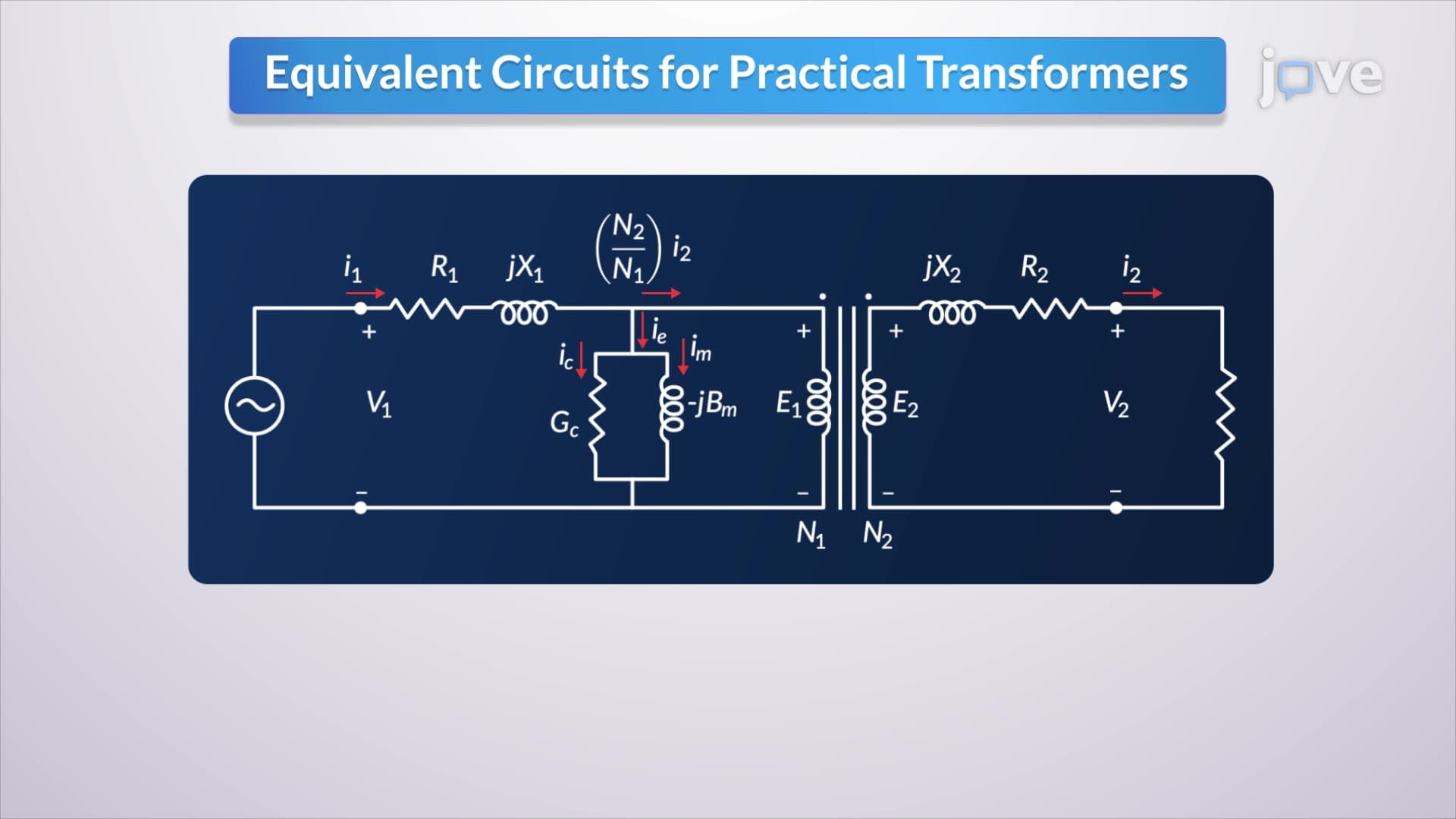
The equivalent circuit representation incorporates several parasitic elements that cause energy dissipation. Winding resistance appears in series with each coil, representing I²R losses from current flow through copper conductors. Leakage reactance accounts for magnetic flux that doesn't link both windings completely, creating voltage drops proportional to load current. These concepts frequently appear on AP Physics C exams and college-level electrical engineering coursework.
What are three winding transformers overview reveals their complex magnetic behavior through equivalent circuit analysis. The magnetizing branch includes a shunt inductor representing the magnetizing current required to establish magnetic flux in the core. This current lags the applied voltage by 90 degrees, consuming reactive power. Additionally, a parallel resistor models core losses from hysteresis and eddy currents in the magnetic material. Students preparing for the MCAT or engineering fundamentals exams should understand that minimizing these losses requires high-permeability, low-loss magnetic materials like silicon steel or amorphous metal alloys used in modern US power grid transformers.
Frequently Asked Questions
Equivalent circuits for practical transformers include resistance, leakage inductance, and core loss elements that ideal models ignore. These circuits accurately represent real power losses, voltage drops, and magnetizing current requirements found in actual transformers used throughout US electrical infrastructure.
Yes, transformer equivalent circuits frequently appear on AP Physics C: Electricity and Magnetism exams and college circuits courses. Students should understand impedance calculations, phasor relationships, and efficiency calculations using equivalent circuit models for both two-winding and three-winding configurations.
Three winding transformers enable utilities like Pacific Gas & Electric and Con Edison to efficiently manage multiple voltage levels at distribution substations. They simultaneously step down transmission voltages (115-230 kV) to distribution levels (4-35 kV) and service voltages (120-480V) for different customer classes.
No, basic algebra and trigonometry concepts taught in high school are sufficient. The key mathematical tools include Ohm's law, complex number arithmetic for AC circuits, and power calculations - all accessible to students with Algebra II and introductory physics background.
Practice drawing equivalent circuits from memory, then work through systematic analysis: identify given values, apply impedance combining rules, calculate currents using voltage division, and determine power losses. Focus on understanding physical meanings rather than memorizing formulas.
Focus on delta-wye configurations, autotransformers, and distribution transformers since these represent the most common designs in US electrical systems. Understanding their equivalent circuits prepares students for both theoretical exam questions and practical engineering applications.
Study three-phase transformer connections, parallel operation of transformers, transient analysis, and protection schemes. These topics build naturally on equivalent circuit fundamentals and appear in advanced electrical engineering coursework and professional engineering licensing exams.
Related Micro-courses
Related Subjects
 Civil Engineering 30 micro-courses›Mechanical Engineering 28 micro-courses›