Loading…
Loading video…

2,559 views
Ever wondered how power companies manage complex electrical distribution across multiple voltage levels simultaneously? Transformers with off nominal turns ratios enable precise voltage regulation in three-winding configurations, where a single transformer handles primary, secondary, and tertiary circuits—like those powering industrial facilities, residential neighborhoods, and emergency systems in places like Con Edison's Manhattan grid. What are Three Winding Transformers reveals how these sophisticated devices maintain power quality across multiple outputs. Watch the full video on JoVE Coach to master this concept with expert-led visuals and step-by-step explanations.
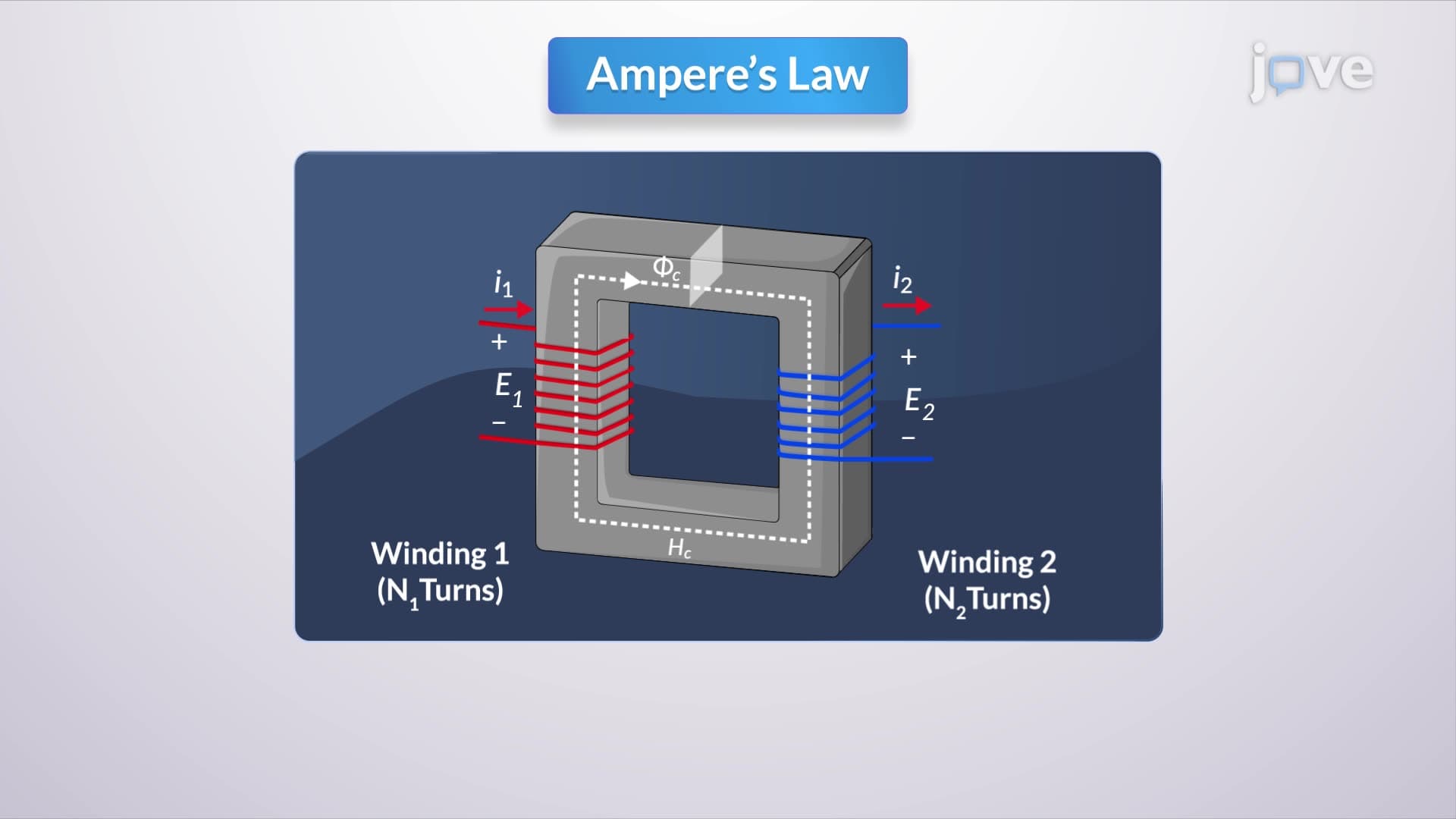
Three-winding transformers represent a sophisticated evolution beyond basic two-winding designs, featuring primary, secondary, and tertiary windings on a common magnetic core. These transformers with off nominal turns ratios enable simultaneous voltage transformation to multiple levels, making them essential for complex power distribution networks. Unlike simple step-up or step-down transformers, three-winding units can simultaneously supply different voltage requirements—for example, stepping down from 138 kV transmission voltage to both 13.8 kV distribution and 480V industrial levels.
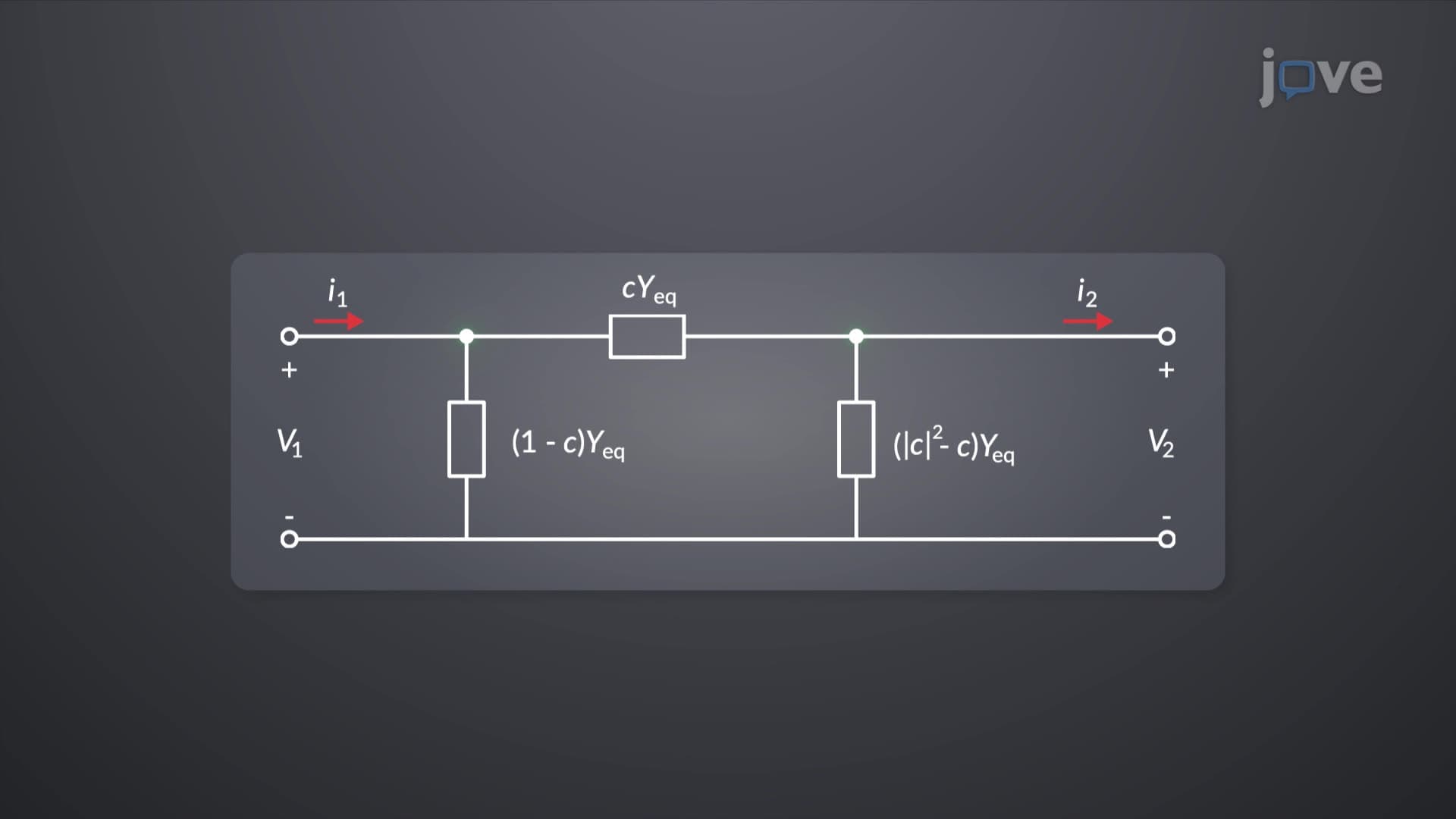
The mathematical analysis of transformers with off nominal turns ratios tutorial involves sophisticated per-unit calculations that normalize different voltage and power levels to common bases. Engineers establish base quantities using the transformer's rated complex power and voltage ratios matching line-to-line specifications. This per-unit system simplifies calculations by eliminating the need to track actual voltage levels, instead working with normalized values that reveal system behavior more clearly.
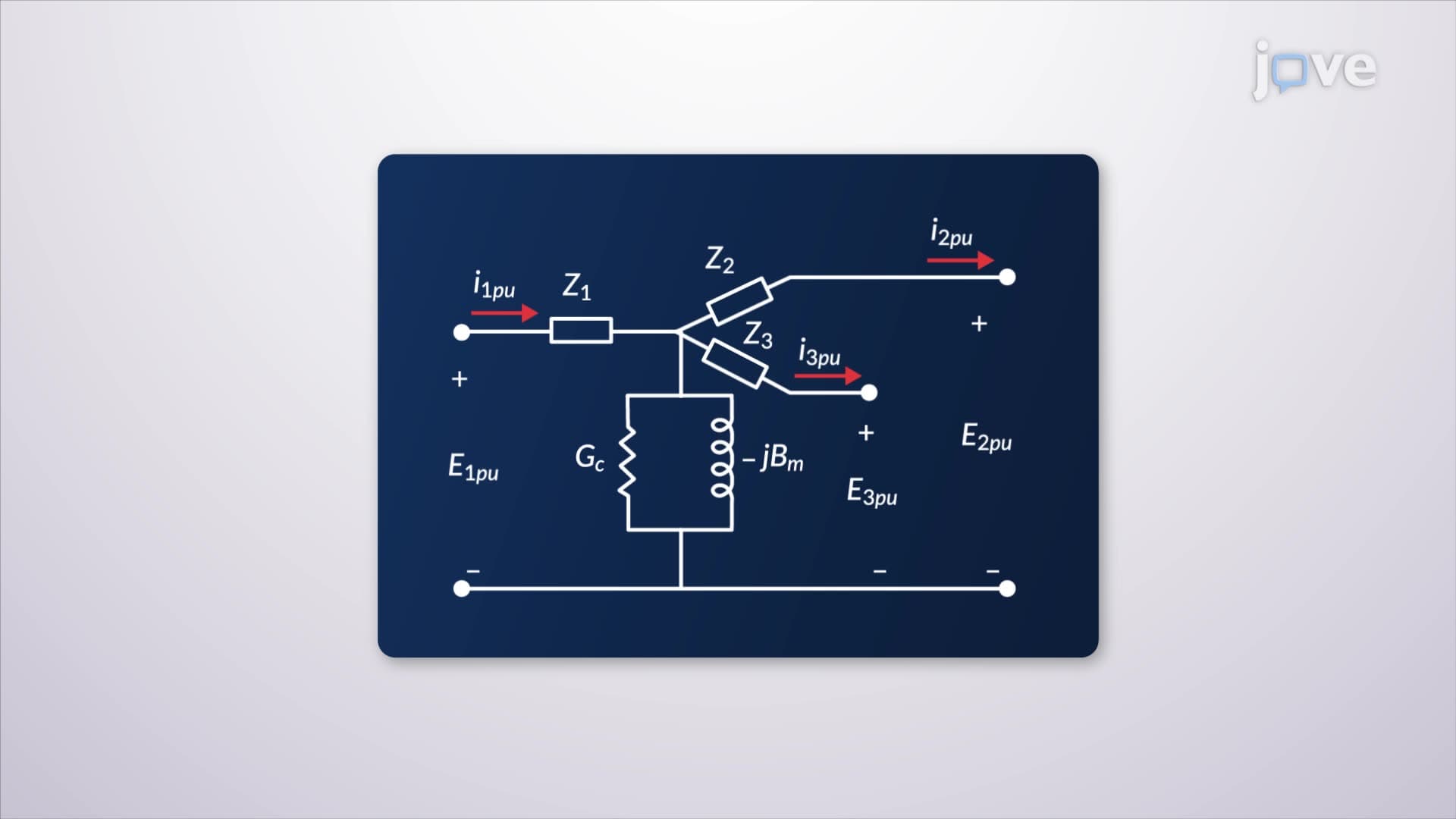
In grounded Y-Y configurations, balanced three-phase currents produce zero neutral current flow, significantly simplifying the equivalent circuit analysis. This characteristic makes the per-unit equivalent circuit remarkably similar to an ideal single-phase transformer, despite the complexity of the actual three-phase, three-winding physical system.
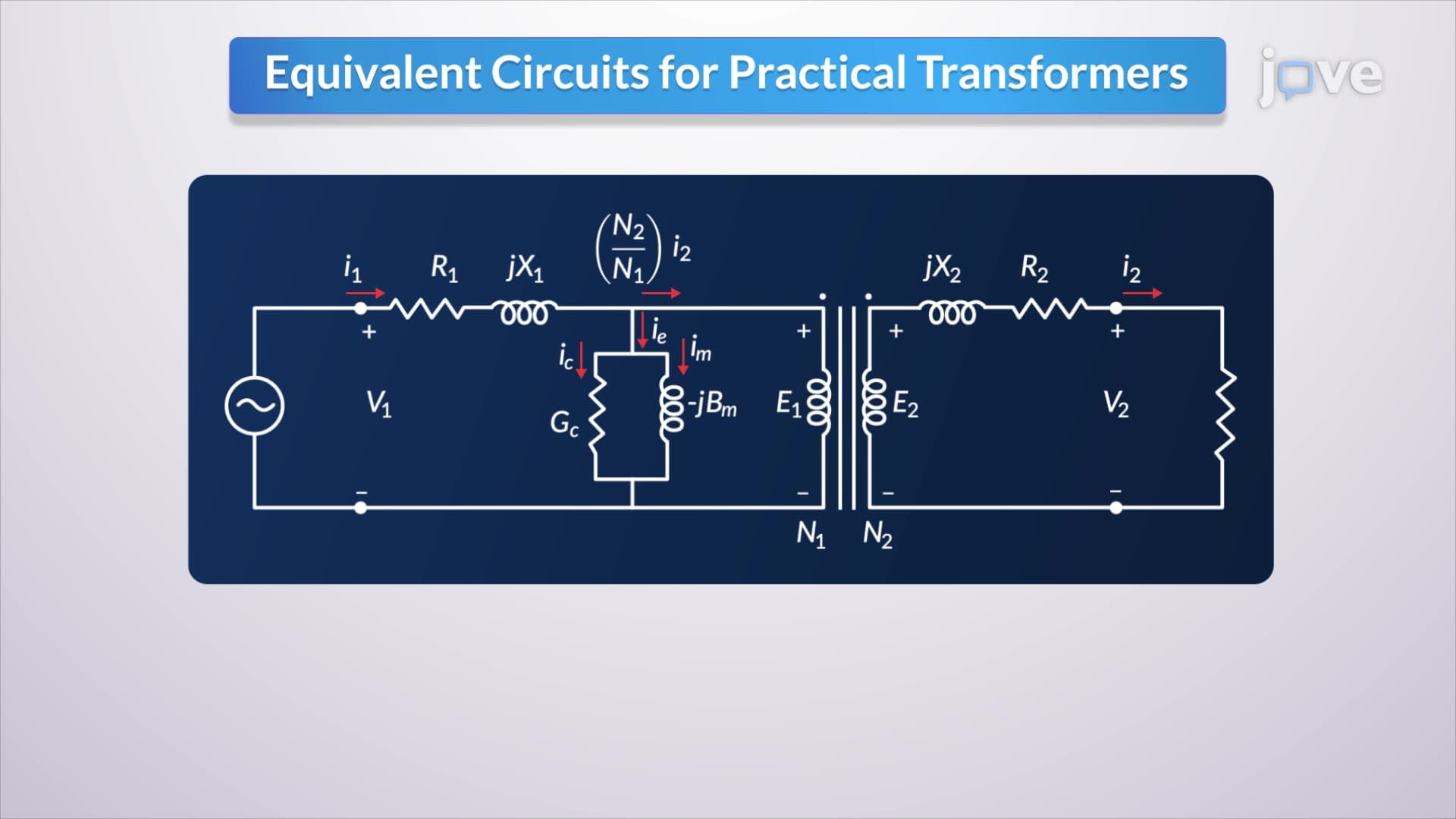
Understanding how transformers with off nominal turns ratios works requires comprehensive testing protocols that characterize transformer behavior under various operating conditions. Standard open-circuit tests determine shunt admittance branches by measuring no-load losses and magnetizing current with one winding energized and others open-circuited. These tests reveal core losses and magnetizing impedance values critical for accurate system modeling.
Short-circuit tests evaluate leakage impedances by applying reduced voltage to one winding while short-circuiting others, measuring the resulting current and power loss. These measurements provide the series impedance values needed for equivalent circuit construction. With one winding open, the three-winding transformer effectively becomes a two-winding unit, simplifying analysis while maintaining measurement accuracy.
Three-winding transformers excel in applications requiring multiple voltage levels from a single source. Major utilities like Pacific Gas & Electric use these units in substations serving industrial complexes, where 230 kV transmission voltage simultaneously supplies 69 kV sub-transmission and 12 kV distribution circuits. The tertiary winding often provides station service power or reactive power compensation.
Students preparing for AP Physics C or college-level electrical engineering courses encounter these concepts when studying power systems and electromagnetic induction. The mathematical relationships extend naturally from basic transformer principles, making this an excellent bridge topic between introductory electromagnetics and advanced power system analysis.
Frequently Asked Questions
Three-winding transformers feature three separate windings (primary, secondary, tertiary) on a common magnetic core, enabling simultaneous voltage transformation to multiple levels. Unlike two-winding transformers that provide single input-output relationships, three-winding units can supply different voltage requirements simultaneously from one source. They're commonly used in utility substations and industrial facilities requiring multiple voltage levels.
AP Physics C typically focuses on basic transformer principles, but advanced students may encounter three-winding concepts in electromagnetic induction problems. The exam emphasizes understanding flux linkage, Faraday's law applications, and energy conservation in transformer systems. Three-winding analysis builds naturally on these fundamental principles through per-unit calculations and equivalent circuit methods.
Electrical engineering programs typically introduce three-winding transformers in Power Systems Analysis (usually junior/senior level) and Electric Machines courses. Prerequisites include Circuit Analysis, Electromagnetics, and Complex Variables. Some mechanical engineering programs cover these topics in Energy Systems or Power Generation courses, particularly for students interested in power plant design.
Major utilities like Tennessee Valley Authority use three-winding transformers in transmission substations, where 500 kV lines step down to 161 kV transmission and 13.8 kV distribution simultaneously. Industrial facilities like steel mills often employ these transformers to provide process power, lighting circuits, and motor drives from a single high-voltage feed. Hospital emergency systems also utilize three-winding designs for redundant power distribution.
Basic algebra and trigonometry suffice for fundamental three-winding transformer concepts. The per-unit method actually simplifies calculations by normalizing complex voltage relationships to dimensionless ratios. Advanced analysis requires complex number operations and differential equations, but introductory understanding focuses on power balance, voltage ratios, and basic circuit principles accessible to high school students.
Start with solid two-winding transformer fundamentals, then practice per-unit conversions using actual power system values. Work through open-circuit and short-circuit test calculations systematically, focusing on the physical meaning of each measurement. Create equivalent circuit diagrams for different operating conditions, and practice converting between actual and per-unit quantities. Many students find success drawing phasor diagrams to visualize voltage and current relationships.
Establish base quantities first, then convert all given values to per-unit form before proceeding with calculations. This approach eliminates unit confusion and simplifies arithmetic. Draw the equivalent circuit early, clearly labeling impedances and voltage sources. For multiple-choice questions, check your answers by verifying power balance and ensuring voltage ratios make physical sense. Practice with actual utility transformer nameplate data to build intuition for reasonable numerical ranges.
Progress to autotransformers, which share common windings between input and output circuits, then explore multi-winding designs with four or more windings. Advanced students should investigate transformer protection systems, parallel operation considerations, and harmonic analysis in nonlinear loading conditions. Power electronics applications including phase-shifting transformers and voltage regulators provide excellent preparation for modern power system challenges.
Related Micro-courses
Related Subjects
 Civil Engineering 30 micro-courses›Mechanical Engineering 28 micro-courses›