Loading subject page…


25,836 views


Video Summary: What Is Accounting Vs Finance
Business leaders across Fortune 500 companies face critical decisions requiring both historical financial data and forward-looking strategic insights. Understanding accounting vs finance becomes essential when executives at companies like Microsoft evaluate past performance while simultaneously planning multi-billion dollar acquisitions or R&D investments. Accounting provides the foundational financial records and compliance framework, while finance drives strategic capital allocation and investment decisions. These interconnected disciplines form the backbone of every successful business operation, from startups to established enterprises. Watch the full video on JoVE Coach to master this concept with expert-led visuals and step-by-step explanations.
When Amazon's leadership team decides to enter a new market segment, they rely on both accounting precision and financial strategy. This scenario illustrates why business professionals must grasp the fundamental distinction between these two critical business functions, as each serves distinct yet complementary roles in organizational success.
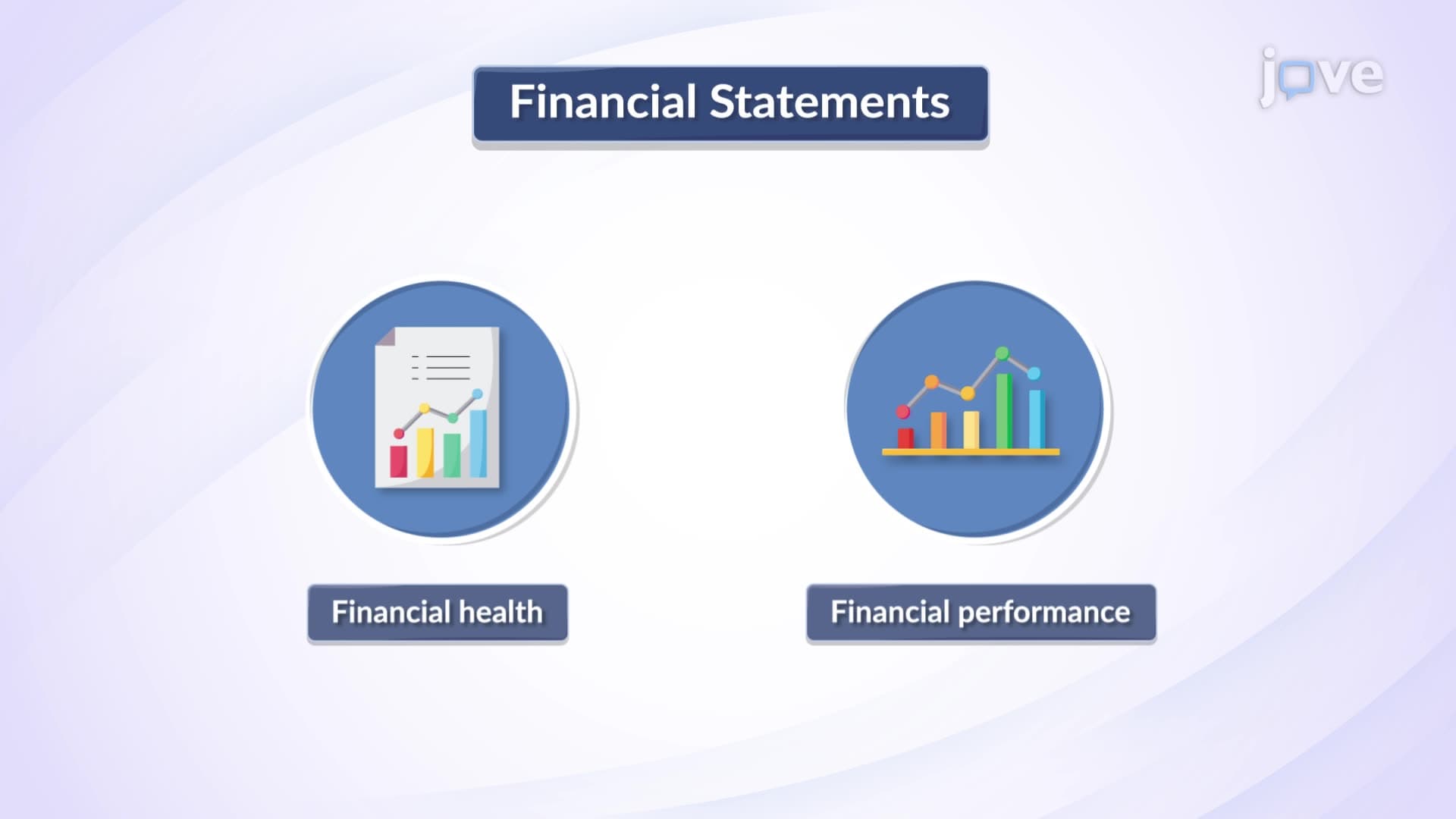
Accounting functions as the systematic recording and reporting engine of business operations. Professional accountants ensure accurate documentation of every financial transaction, creating standardized reports that stakeholders-from board members to regulatory agencies-depend upon for decision-making. Companies like General Electric rely on robust accounting systems to manage complex multinational operations, ensuring compliance with SEC requirements while providing transparent financial reporting to investors.
The accounting discipline encompasses several specialized areas: financial accounting for external reporting, management accounting for internal decision support, and tax accounting for regulatory compliance. Each area requires specific expertise, but all contribute to the organization's financial integrity and operational visibility.
While accounting documents what has occurred, finance focuses on optimizing future financial outcomes. Finance professionals analyze market conditions, evaluate investment opportunities, and structure capital to maximize shareholder value. Consider how Apple's finance team manages the company's massive cash reserves-decisions that require sophisticated analysis of market timing, currency exposure, and strategic investment alternatives.
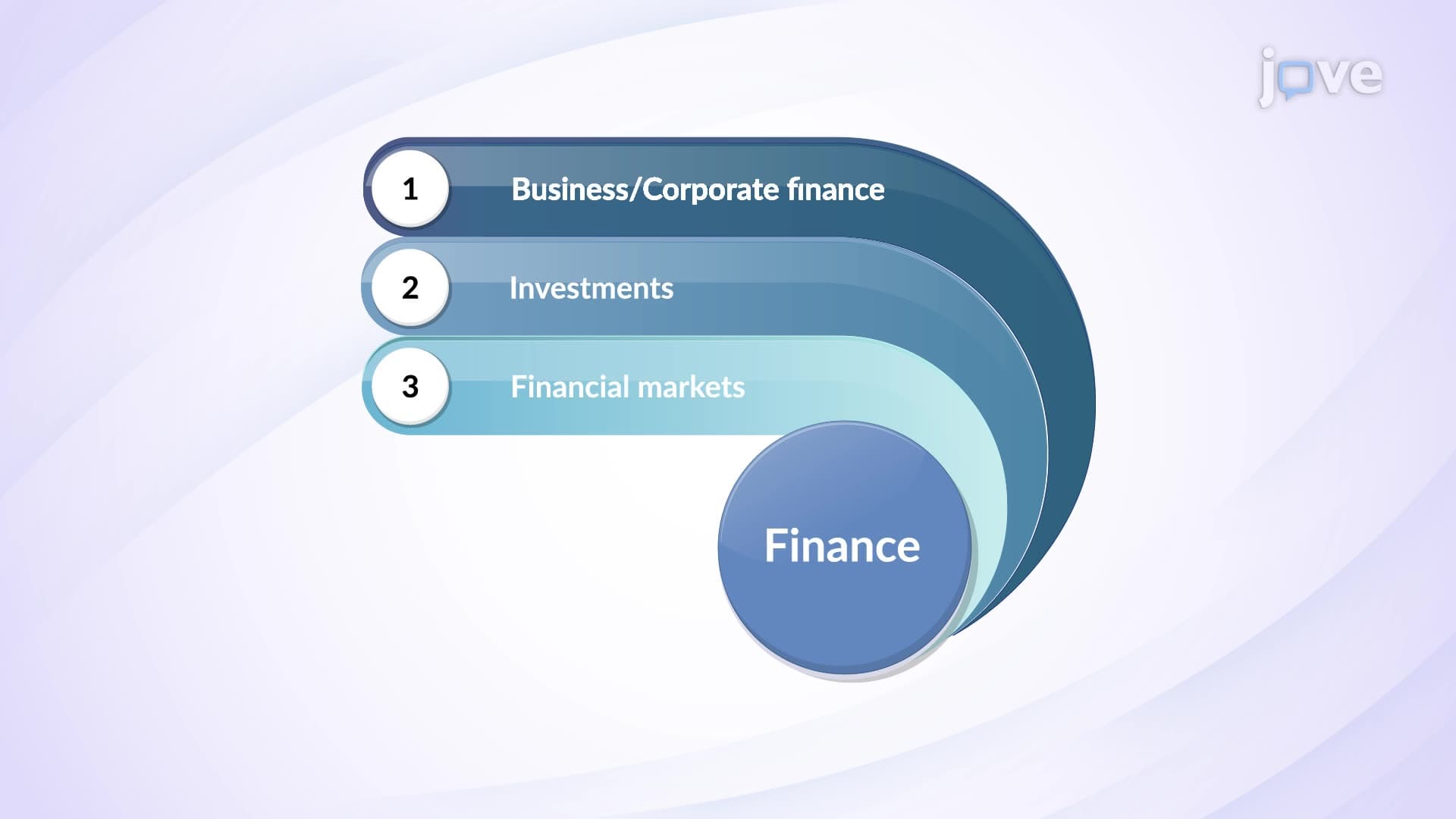
Finance encompasses corporate finance (capital structure decisions), investment management (portfolio optimization), and treasury operations (liquidity management). These functions directly impact competitive positioning and long-term profitability, making finance expertise crucial for senior leadership roles.
Leading organizations recognize that accounting and finance create exponential value when properly integrated. JPMorgan Chase exemplifies this integration, using precise accounting data to inform sophisticated financial products and risk management strategies. Their success demonstrates how accounting accuracy enables financial innovation, while financial strategy drives accounting system requirements.
This integration becomes particularly critical during economic uncertainty, when businesses need both historical perspective and forward-looking agility to navigate market volatility.
Related Micro-courses