Loading subject page…


25,816 views

Video Summary: What Is Corporation
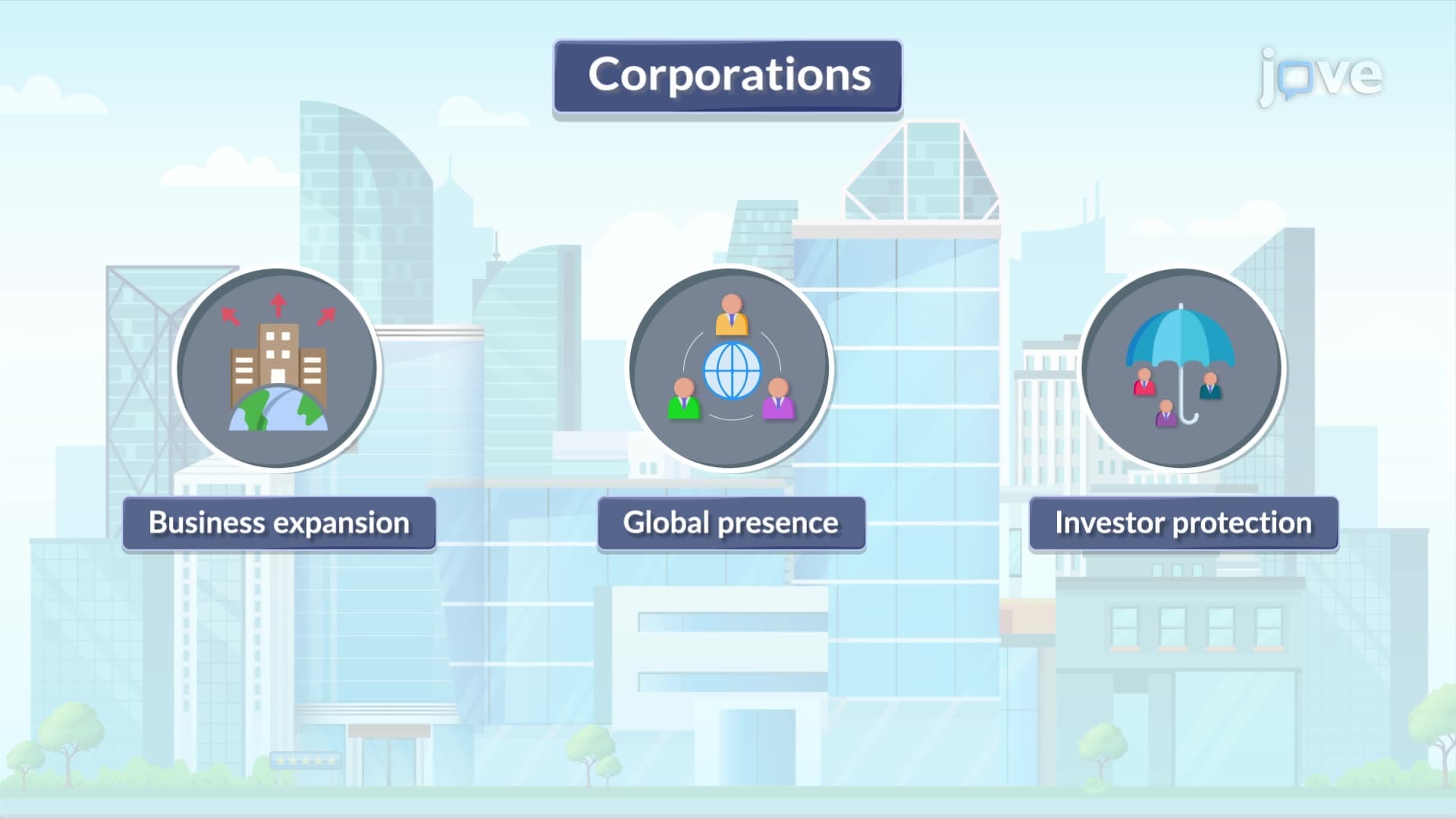
When choosing the right business structure, understanding what is a corporation becomes critical for strategic decision-making. A corporation operates as an independent legal entity, offering shareholders limited liability protection while enabling global expansion and investment opportunities. Companies like Nike Inc. demonstrate how corporate structure facilitates international growth, brand development, and shareholder value creation through dividends and stock appreciation. However, corporations face complex regulatory requirements and higher operational costs compared to other business forms. Watch the full video on JoVE Coach to master this concept with expert-led visuals and step-by-step explanations.
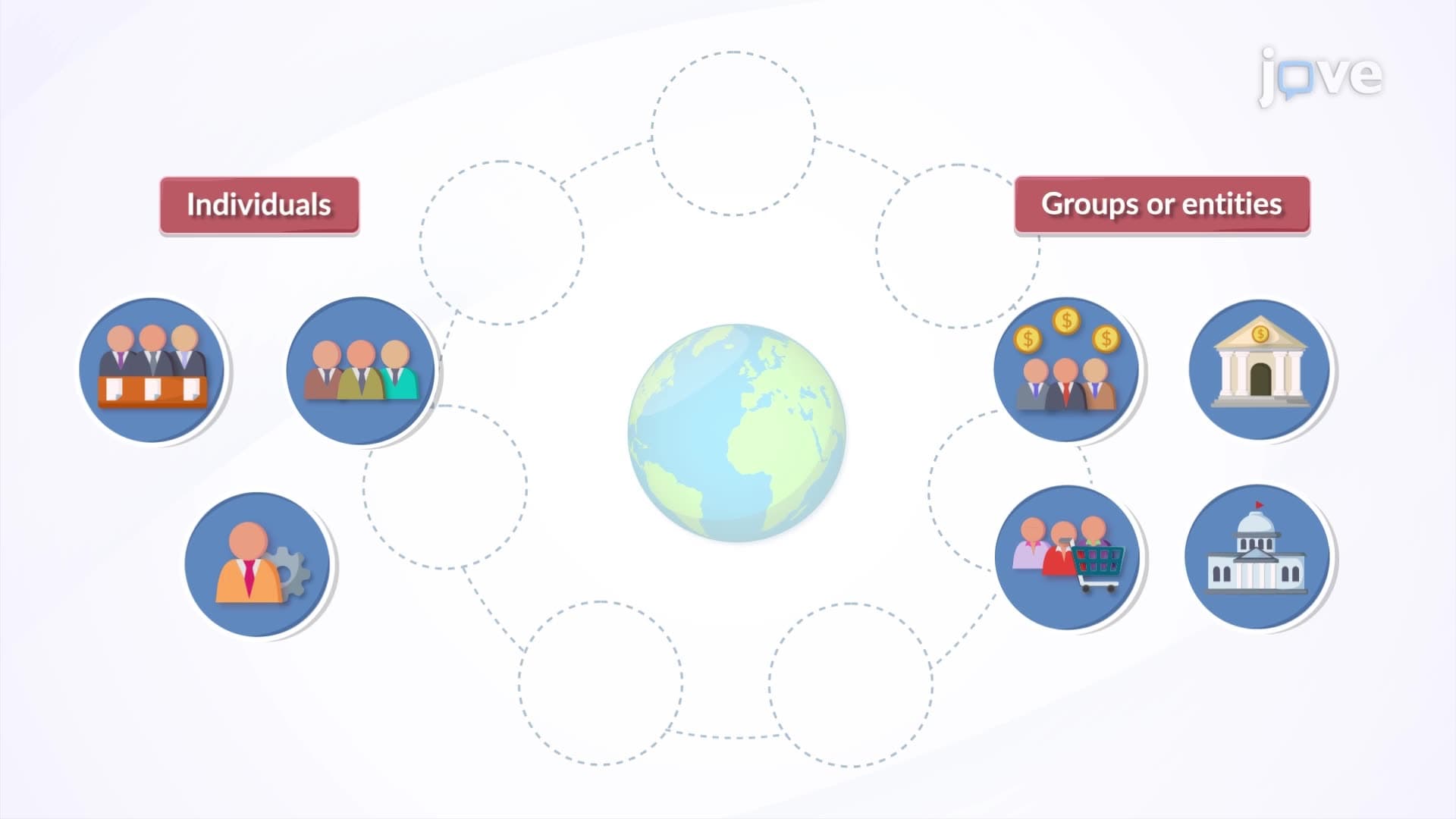
In today's competitive marketplace, executives regularly face the strategic decision of whether to incorporate their business or transition from other entity structures. The corporation definition encompasses a legally independent business entity that operates separately from its owners, providing a foundation for scalable growth and institutional investment.
The cornerstone benefit of corporate structure lies in limited liability protection, which shields shareholders' personal assets from business debts and legal obligations. This protection becomes particularly valuable for companies operating in high-risk industries or pursuing aggressive expansion strategies. For instance, when Boeing faced significant litigation related to the 737 MAX crisis, shareholders maintained protection of their personal assets despite the company's substantial legal and financial liabilities.
This separation between personal and corporate liability enables entrepreneurs and investors to pursue higher-risk, higher-reward opportunities without jeopardizing their personal financial security. The corporation concept creates a legal firewall that sophisticated investors require when committing capital to business ventures.
Corporations possess the legal authority to enter contracts, acquire assets, incur debt, and conduct business operations independently of their ownership structure. This operational independence proves essential for companies pursuing complex transactions, international expansion, or strategic acquisitions. Apple Inc. exemplifies how corporate independence facilitates global operations across multiple jurisdictions while maintaining unified corporate governance and strategic direction.
The ability to operate independently also enables corporations to outlive their founders and initial shareholders, creating institutional continuity that supports long-term strategic planning and stakeholder relationships.
Corporate structure significantly enhances access to capital markets and institutional investment. Public corporations can raise funds through stock offerings, while private corporations attract venture capital and private equity investment more easily than other business forms. Companies like Tesla leveraged corporate structure to access public markets, raising billions in capital to fund electric vehicle development and manufacturing expansion.
The standardized corporate governance framework provides investors with familiar legal protections and operational transparency, reducing due diligence costs and accelerating investment decisions. This advantage becomes particularly pronounced for companies requiring substantial capital for research, development, or market expansion initiatives.
Related Micro-courses