Loading video…


 18 Concepts
 25.8K views

Video Summary: What Is Forms of Business Organization
US corporations face over 300 different regulatory compliance requirements across federal and state levels, making the selection of appropriate forms of business organization a critical strategic decision. Understanding forms of business organization enables executives to optimize capital structure, liability exposure, and tax efficiency-decisions that directly impact bottom-line performance. Amazon's evolution from Jeff Bezos's garage-based sole proprietorship to a Delaware C-corporation exemplifies how business structure choices drive scalability and shareholder value. Watch the full video on JoVE Coach to master this concept with expert-led visuals and step-by-step explanations.
When Warby Parker's founders chose to structure their eyewear company as a Delaware C-corporation rather than an LLC, they prioritized venture capital accessibility over tax pass-through benefits-a decision that enabled multiple funding rounds totaling over $500 million. This strategic choice exemplifies how forms of business organization fundamentally shape competitive positioning, capital access, and operational scalability.
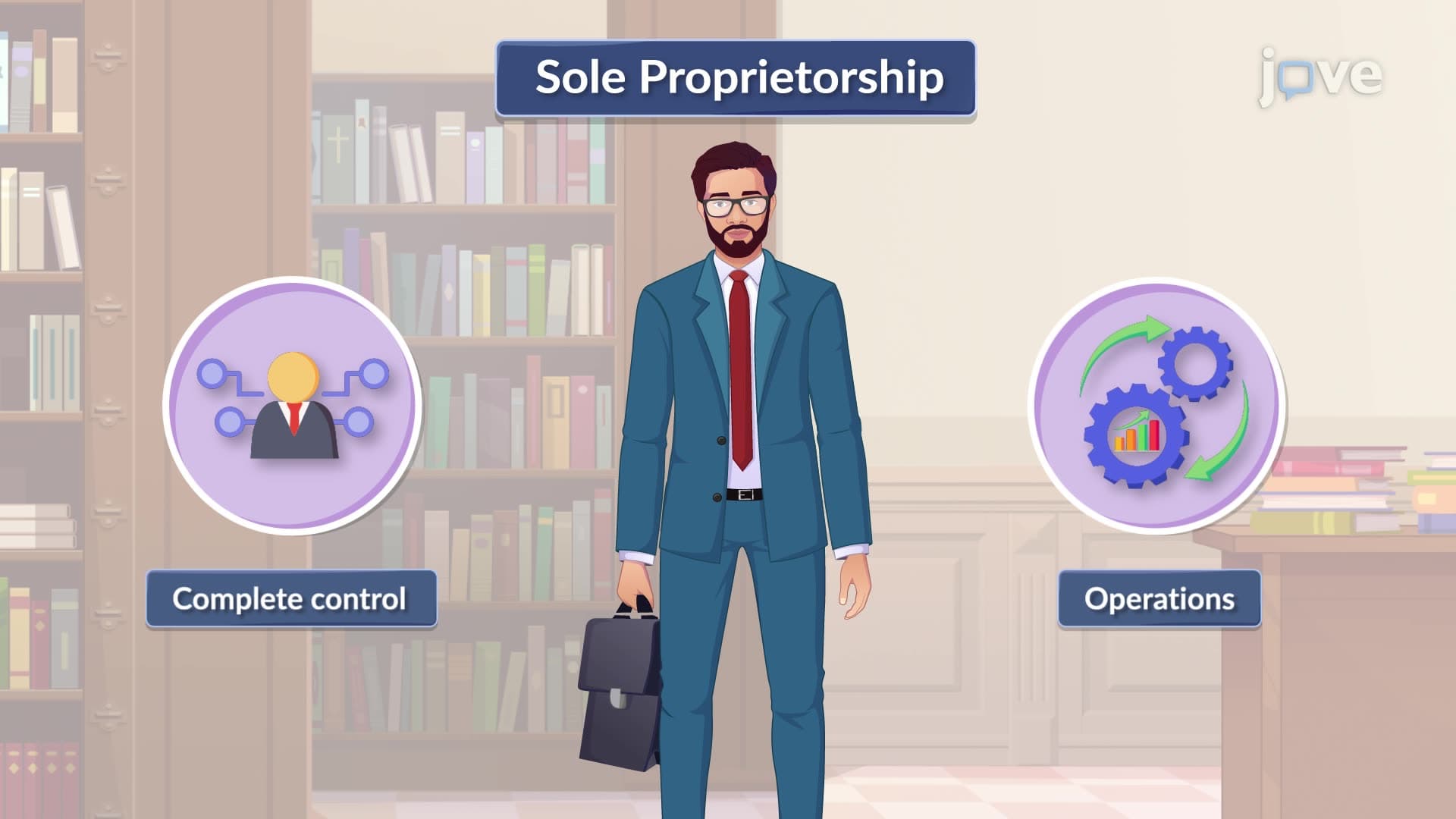
Sole proprietorships dominate the US business landscape, comprising over 73% of all business entities according to IRS data. While offering maximum operational control and tax simplicity, this structure creates unlimited personal liability exposure that can jeopardize personal assets during litigation or financial distress. Professional service providers-consultants, freelancers, and small-scale contractors-often begin as sole proprietorships but typically transition to LLCs as revenue scales to protect accumulated wealth and enable business asset separation.
General partnerships enable resource pooling and shared expertise but create joint liability exposure among partners. Limited partnerships introduce capital structure sophistication, allowing passive investors to participate while limiting liability exposure to their investment amounts. Private equity firms like Blackstone operate through complex limited partnership structures, enabling institutional capital deployment while providing tax-efficient returns to limited partners and management fees to general partners.
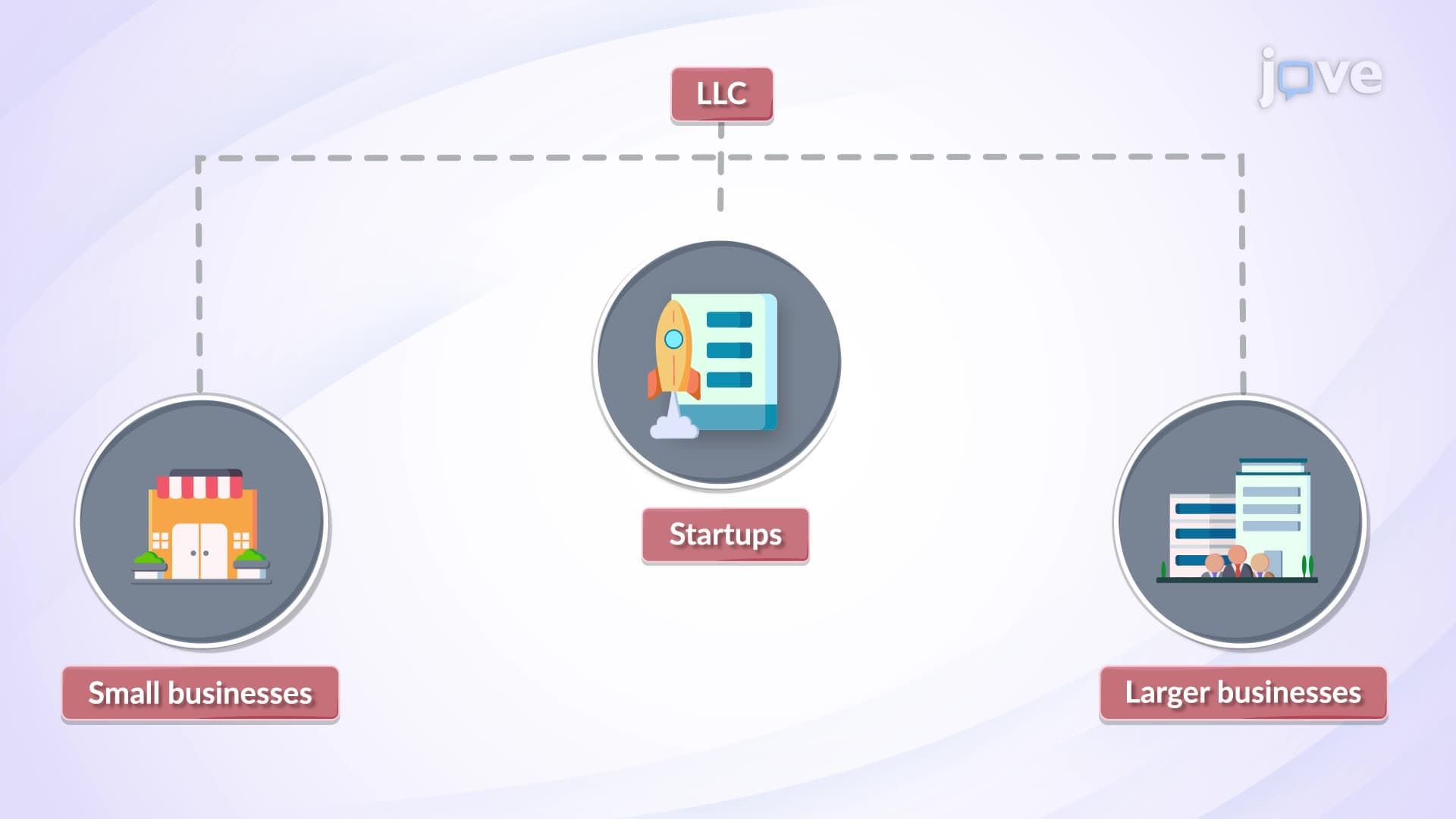
LLCs combine corporate liability protection with partnership tax treatment, creating optimal structures for real estate holdings, professional practices, and growth-oriented businesses. This flexibility enables custom operating agreements that define profit distribution, management authority, and exit provisions. Major consulting firms increasingly utilize LLC structures for subsidiary operations, protecting parent company assets while maintaining operational agility across different market segments.
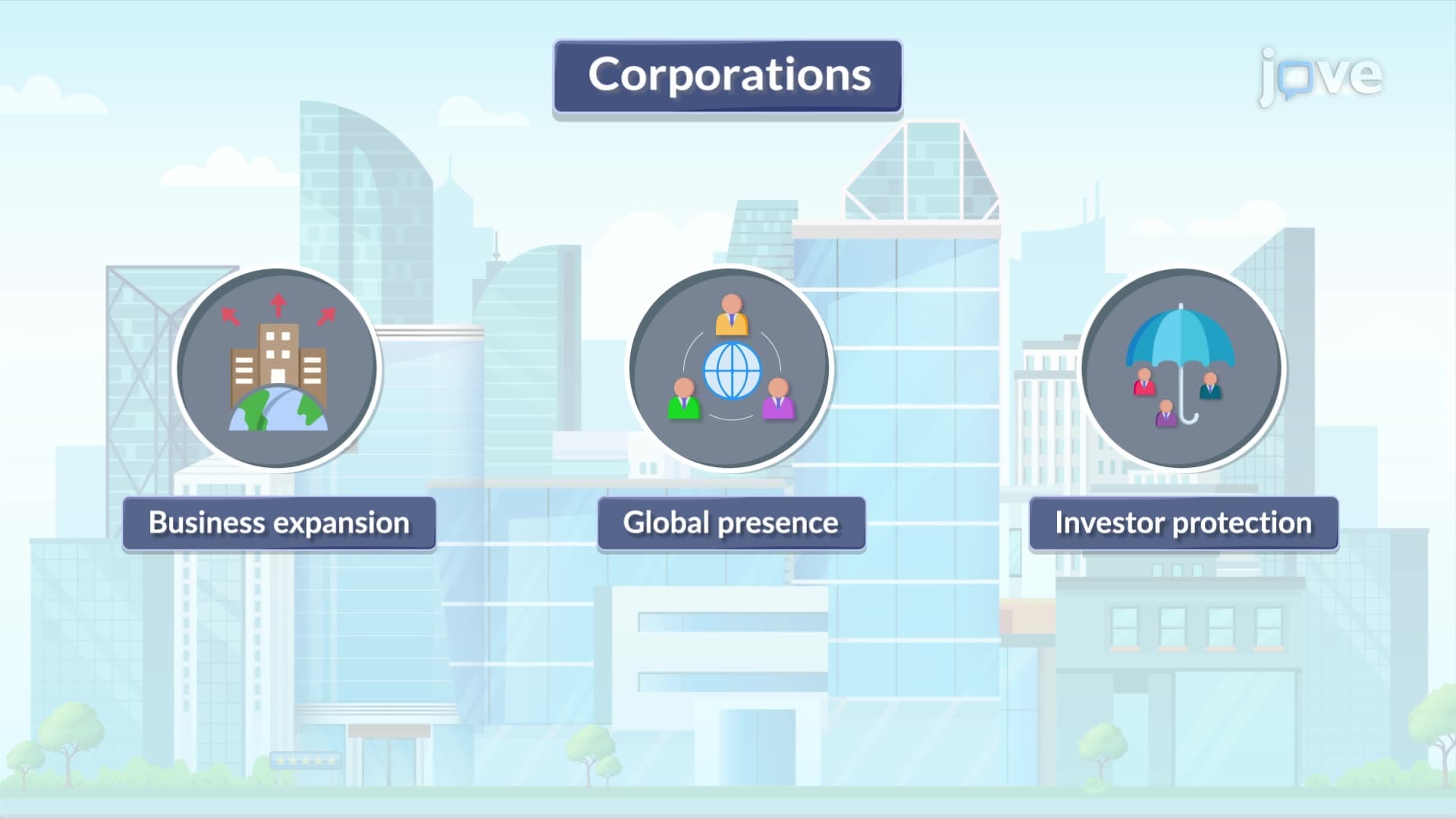
C-corporations enable unlimited shareholder growth, stock option programs, and institutional investment compatibility essential for rapid scaling. However, double taxation on corporate profits and dividends creates tax inefficiency for smaller operations. S-corporations eliminate double taxation while maintaining corporate liability protection, though ownership restrictions limit growth capital options. Technology companies typically incorporate in Delaware to access specialized business courts and established corporate law precedents that facilitate complex transactions and dispute resolution.
Related Micro-courses