Loading subject page…

25,799 views

Video Summary: What Is Internal and External Users
Understanding internal and external users becomes critical when Fortune 500 companies like Apple prepare quarterly earnings calls, as they must simultaneously address different stakeholder information needs. Internal and external users represent distinct groups who rely on financial data for decision-making, from production managers analyzing manufacturing costs to institutional investors evaluating stock performance. This stakeholder classification directly impacts how companies structure their financial communications and strategic disclosures. Watch the full video on JoVE Coach to master this concept with expert-led visuals and step-by-step explanations.
When Microsoft's CEO presents quarterly results, the company strategically tailors its message for two fundamentally different audiences with distinct decision-making needs. This exemplifies why understanding internal and external users drives effective business communication and resource allocation strategies.
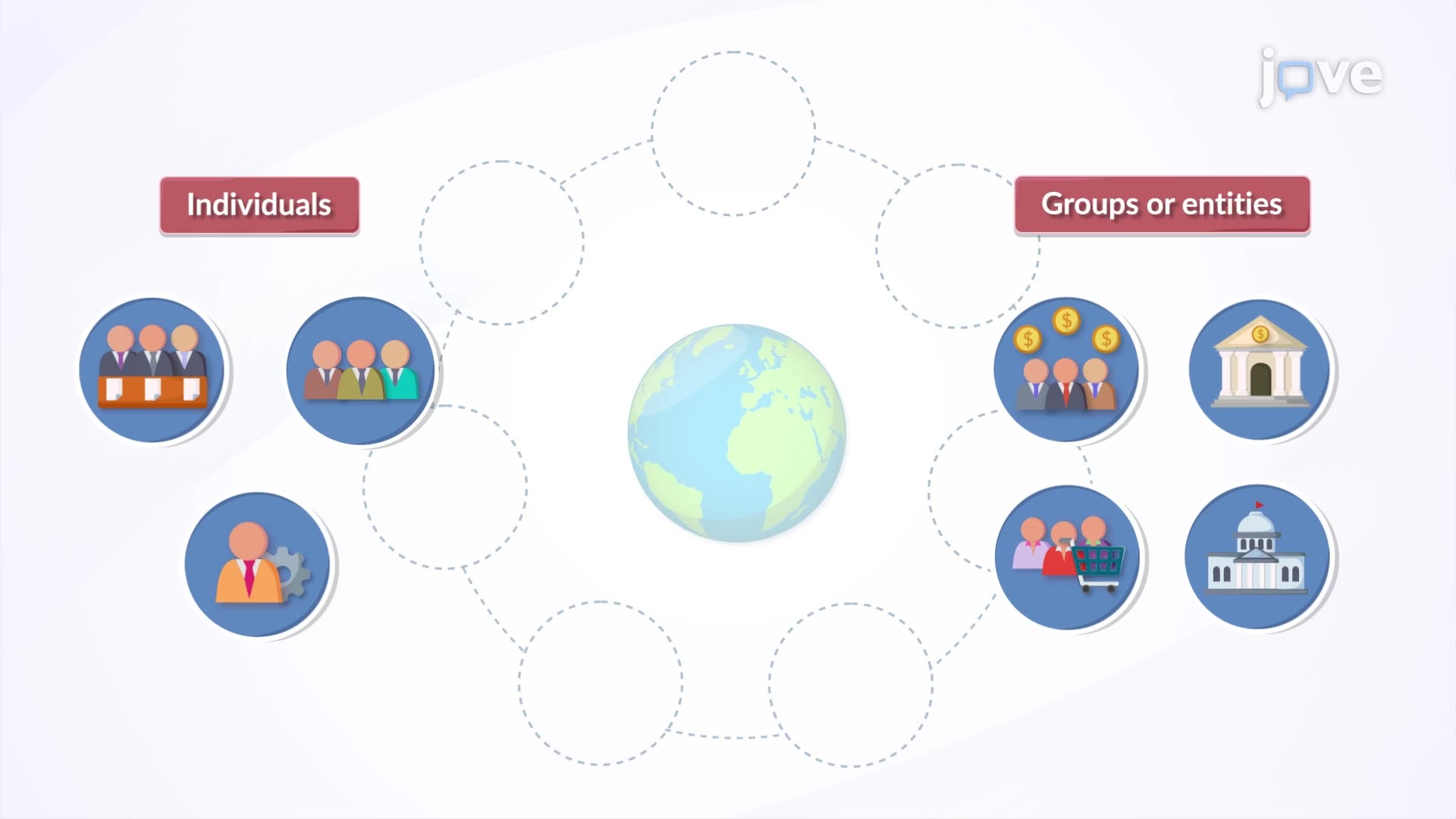
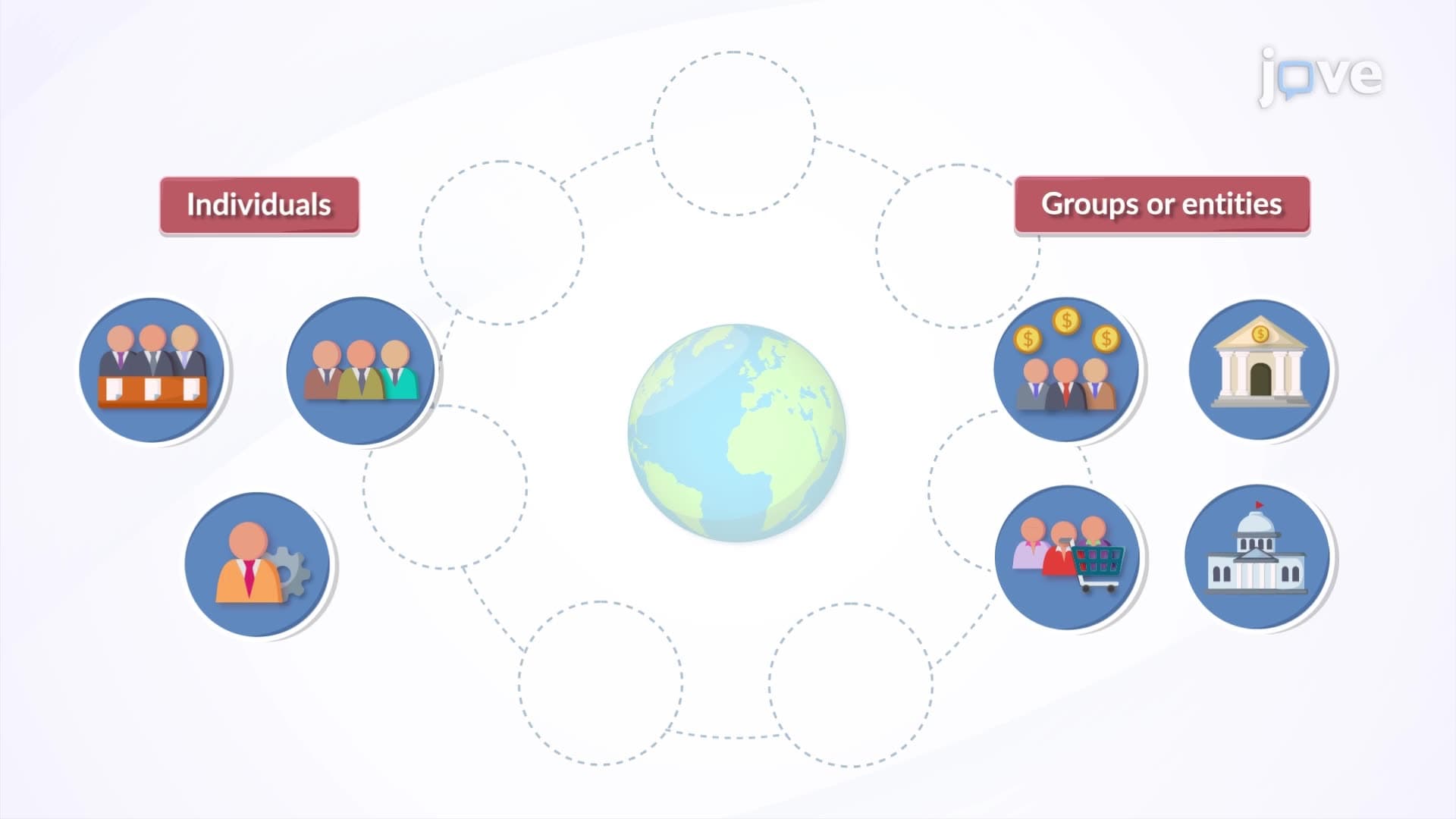
Internal users encompass management teams, department heads, production managers, and financial analysts who require granular data for operational excellence. At General Electric, for instance, division presidents need detailed cost breakdowns, efficiency metrics, and resource utilization data to optimize manufacturing processes and meet profit targets. These stakeholders use financial information for budgeting decisions, performance evaluations, cost reduction initiatives, and strategic planning.
The internal perspective focuses on actionable insights that drive competitive advantage. Production managers analyzing material costs, labor efficiency, and overhead allocation make decisions that directly impact margin improvement and operational scalability. This internal financial analysis often includes proprietary metrics, competitive intelligence, and forward-looking projections that external stakeholders never see.
External users represent a broader ecosystem including institutional investors, retail shareholders, creditors, regulatory agencies, and strategic partners. When BlackRock evaluates investment opportunities, their analysts scrutinize public financial statements, SEC filings, and earnings guidance to assess risk-adjusted returns and portfolio fit.
These stakeholders focus on company valuation, creditworthiness, regulatory compliance, and market positioning. Bank of America's commercial lending teams, for example, analyze debt service coverage ratios, working capital trends, and cash flow stability before approving credit facilities. Similarly, SEC regulators require standardized financial disclosures that enable market transparency and investor protection.
The distinction between internal and external users directly impacts strategic decision-making across multiple business functions. Companies must balance operational transparency with competitive sensitivity, ensuring internal teams have decision-relevant data while meeting external stakeholders' information needs without compromising strategic advantages.
Related Micro-courses