Loading subject page…
- Finance
- Dividend and Payout Policy
- Stock Split
Micro-course: Dividend and Payout Policy
1,159 views
Learn key concepts and earn your certificate.



Stock Split

00:00
01:23
Video Summary: What Is Stock Split
When Apple split its stock 7-for-1 in 2014, it demonstrated how stock splits can democratize share ownership and boost liquidity without changing fundamental value. A stock split occurs when companies divide existing shares into multiple new shares, proportionally reducing price per share while maintaining total market capitalization. This corporate action makes shares more accessible to retail investors and can increase trading volume. For working professionals, understanding stock split mechanics is essential for portfolio management, equity compensation decisions, and evaluating corporate financial strategies. Watch the full video on JoVE Coach to master this concept with expert-led visuals and step-by-step explanations.
- Apply stock split analysis to evaluate whether management decisions signal growth confidence or market manipulation tactics
- Assess the liquidity impact of stock splits on your company's equity compensation plans and employee stock purchase programs
- Analyze how competitors' stock split announcements might affect market positioning and investor perception in your industry
- Implement portfolio rebalancing strategies when holdings undergo stock splits to maintain target allocations
- Evaluate the psychological pricing effects of stock splits on retail investor behavior and trading volume patterns
- Leverage stock split timing as a signal for broader corporate strategy shifts and growth trajectory changes
- Identify opportunities to communicate stock split rationale effectively to stakeholders, employees, and board members
- Compare pre- and post-split performance metrics to measure the effectiveness of corporate actions on shareholder value
Understanding Stock Split Fundamentals for Business Leaders
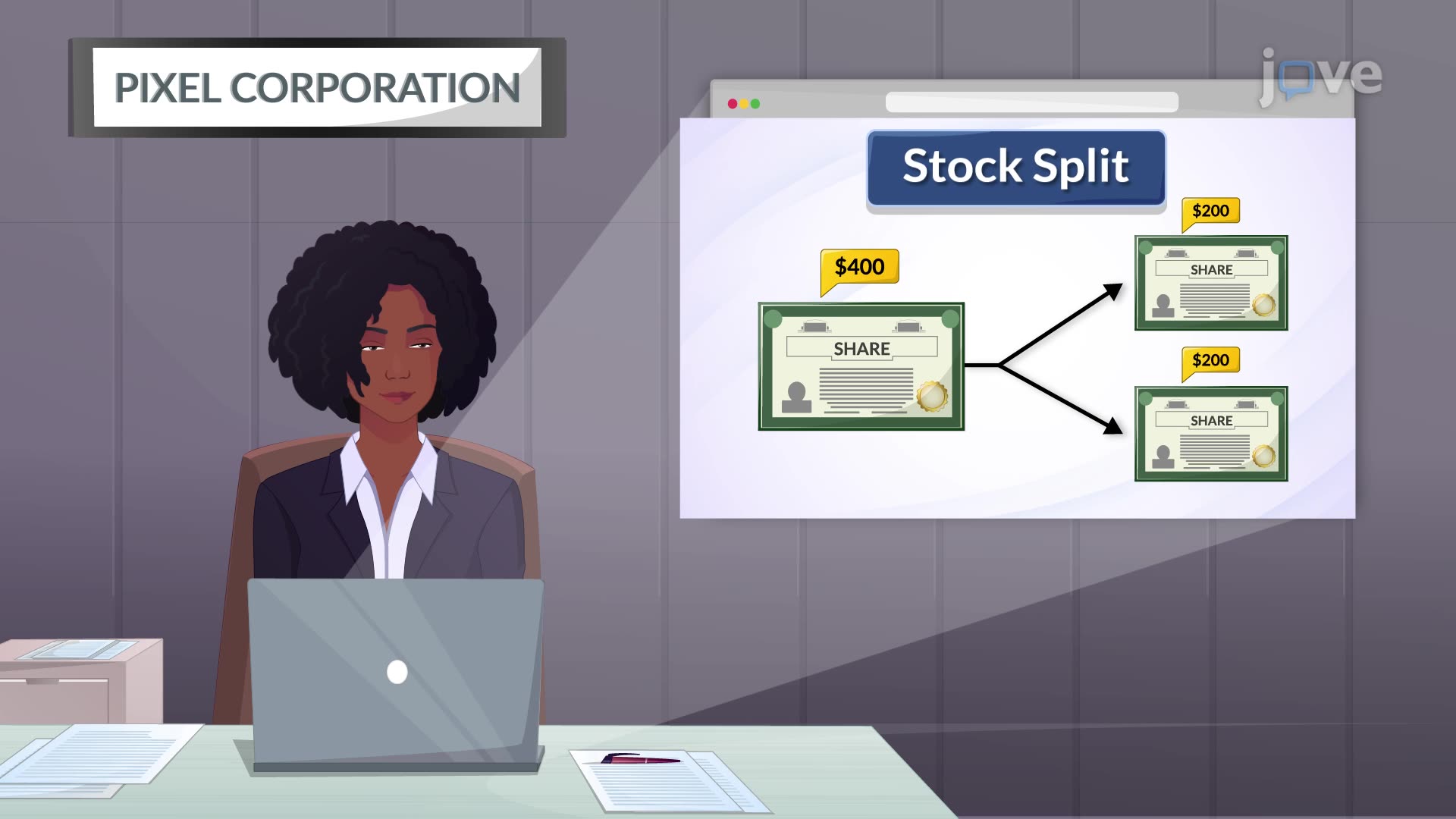
Consider this scenario: Your company's share price has climbed from $80 to $400 over three years, putting it out of reach for many retail investors and employees participating in stock purchase plans. The board is considering a stock split to broaden ownership and improve liquidity. As a business leader, you need to understand both the mechanics and strategic implications of this decision.
The Mathematics and Market Impact of Stock Splits
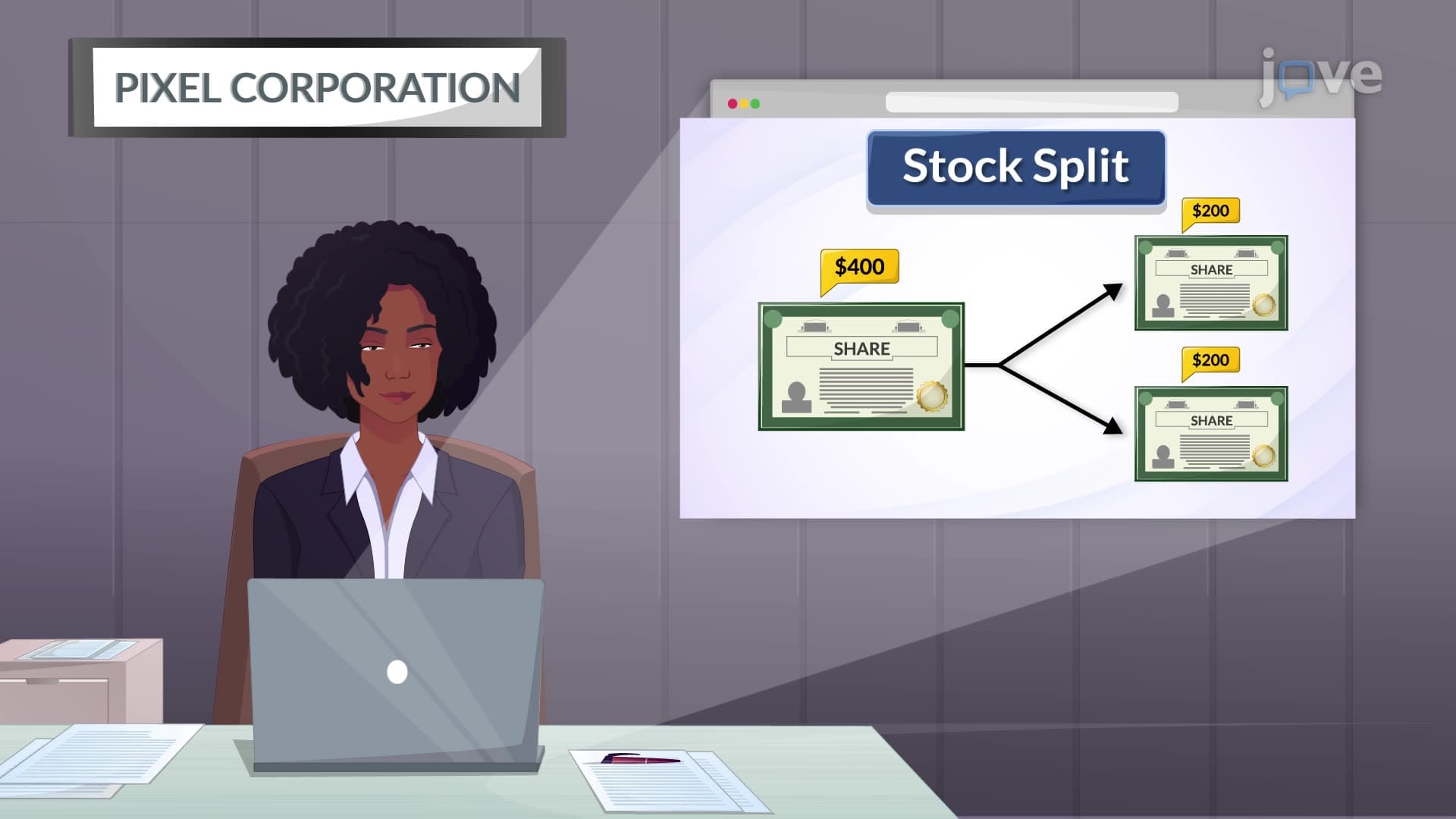
A stock split definition explained simply: companies issue additional shares to existing shareholders while proportionally reducing the price per share. In a 2-for-1 split, shareholders receive two shares for every one they own, while the stock price halves. Tesla's 5-for-1 split in August 2020 transformed $2,213 shares into five shares at approximately $443 each, maintaining the same total investment value.
The stock split concept explained through real market dynamics shows that while fundamental value remains unchanged, splits often generate increased trading activity. Research indicates that stocks typically see 20-30% higher trading volumes in the weeks following a split announcement, as lower nominal prices attract retail investors who perceive greater affordability.
Strategic Considerations for Corporate Decision-Making
Stock split overview for executives reveals several strategic motivations beyond accessibility. Companies like Amazon (which split 20-for-1 in 2022) and Google parent Alphabet (20-for-1 in 2022) used splits to maintain competitiveness for index inclusion and employee compensation attractiveness. High-priced shares can create challenges for equity compensation programs, as stock options and grants become less motivational when individual shares cost thousands of dollars.
Implementation and Communication Framework
What is stock split execution involves coordination across legal, finance, and investor relations teams. Companies must file with the SEC, coordinate with transfer agents, and communicate effectively with shareholders. The stock split study guide for managers should include timeline management (typically 2-3 weeks from announcement to execution), tax implications (generally non-taxable events), and employee communication strategies.
Market timing considerations are crucial. Companies typically announce splits during strong performance periods, as splits can amplify positive momentum while potentially masking underlying business challenges during weaker periods. For working professionals managing portfolios or corporate strategy, understanding these nuances helps distinguish between genuine value creation and financial engineering.
Frequently Asked Questions
A stock split increases share count while proportionally reducing price, maintaining total value. Unlike stock dividends (which are taxable), stock splits are typically non-taxable events that don't change your percentage ownership or fundamental investment value, just the number of shares you hold.
Your portfolio allocation remains unchanged since total dollar value stays constant. However, review your rebalancing strategy if you use share-count-based rules rather than dollar-value targets, and consider whether the lower share price affects your position sizing decisions.
Focus on three strategic benefits: enhanced liquidity and trading volume, improved accessibility for employee stock programs, and potential positive market psychology effects. Present data on comparable companies' post-split performance and address any concerns about appearing financially engineered rather than value-driven.
Microsoft's 2003 2-for-1 stock split (reducing shares from ~$48 to ~$24) preceded a period of increased retail investor participation and improved liquidity. The company cited employee stock option program effectiveness and broader market accessibility as primary motivations, which proved successful in subsequent years.
No advanced background required, but basic understanding of market capitalization and share price relationships is helpful. The core concept is straightforward: more pieces of the same pie, with each piece proportionally smaller but your total ownership unchanged.
Stock split knowledge demonstrates sophisticated understanding of corporate actions, capital structure decisions, and market psychology. This expertise proves valuable in strategic planning roles, investor relations, and executive decision-making processes where you'll evaluate timing and communication of major corporate actions.
Study stock buyback programs, dividend policy decisions, and spin-off transactions. These corporate actions share similar strategic considerations around capital allocation, shareholder value creation, and market signaling effects that complement stock split expertise.
Related Micro-courses

9 Concepts

11 Concepts

11 Concepts