Loading subject page…

- Finance
- Mergers and Acquisitions
- Financial Side Effects of Acquisition
Micro-course: Mergers and Acquisitions
1,570 views
Learn key concepts and earn your certificate.











Financial Side Effects of Acquisition

00:00
01:29
Video Summary: Financial Side Effects of Acquisition Explained
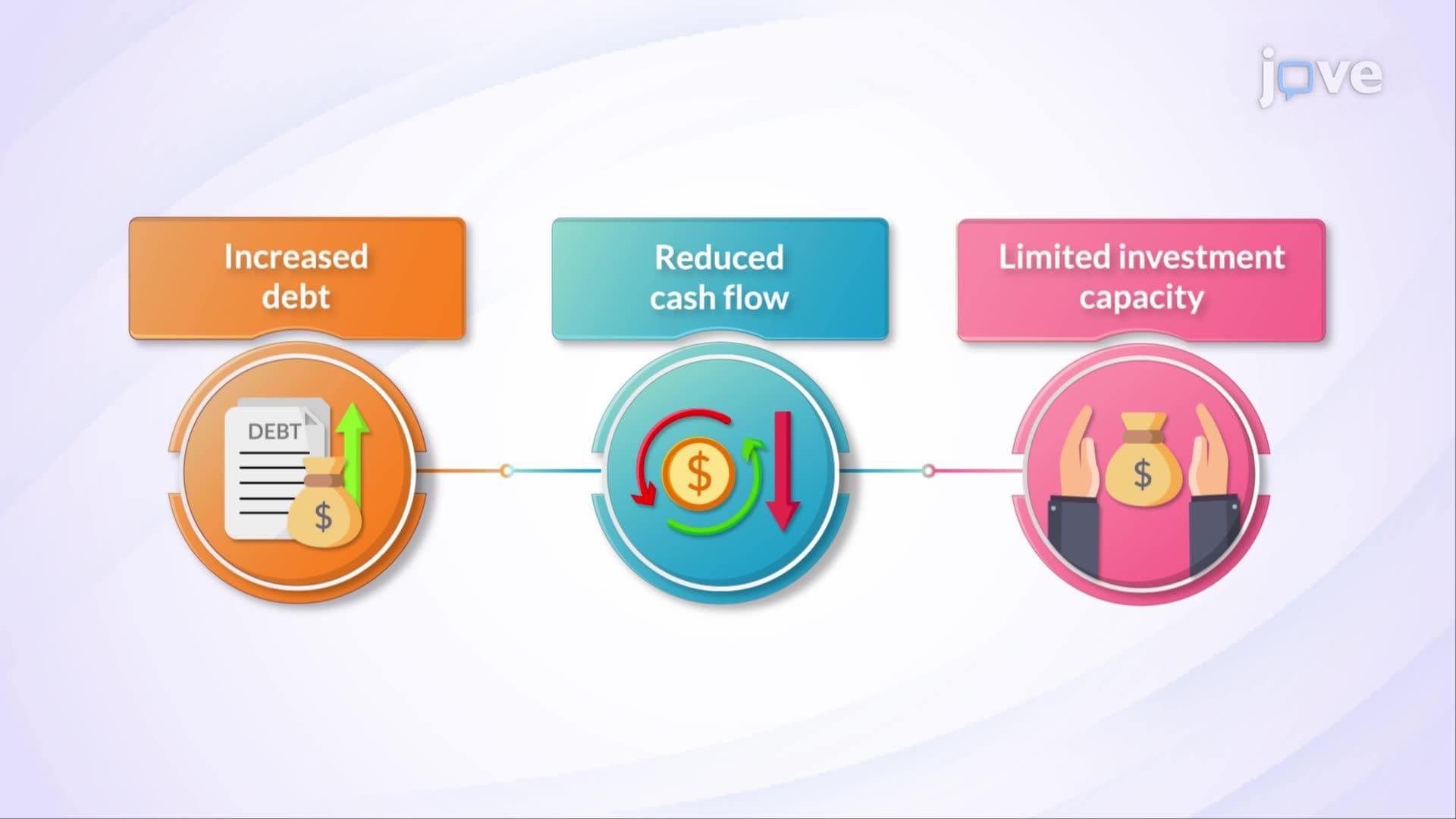
Financial side effects of acquisition plague even experienced dealmakers, as evidenced by major corporate missteps like Verizon's $4.4 billion Yahoo acquisition writedown. These financial consequences-including debt burden increases, cash flow constraints, and reduced investment capacity-can derail growth strategies and shareholder value creation. The Financial Side Effects of Acquisition Explained framework helps executives identify warning signs before they impact bottom-line performance. Watch the full video on JoVE Coach to master this concept with expert-led visuals and step-by-step explanations.
- Apply pre-deal financial modeling to identify potential cash flow disruptions and debt service constraints before board approval
- Evaluate synergy projections against realistic market benchmarks to avoid overestimating cost savings and revenue enhancements
- Analyze target company integration costs including technology alignment, workforce consolidation, and operational standardization
- Implement post-acquisition monitoring frameworks to track financial performance against deal thesis assumptions
- Assess debt-to-equity ratio impacts and covenant compliance risks when structuring acquisition financing
- Identify operational inefficiencies that compound financial strain during integration phases
- Compare competitive positioning changes that may affect pricing power and market share retention
- Leverage financial discipline protocols to maintain investment capacity for organic growth initiatives
Understanding Financial Side Effects of Acquisition
When CVS Health acquired Aetna for $70 billion in 2018, executives anticipated transformative healthcare delivery synergies. However, the immediate financial reality included $4.2 billion in integration costs and increased debt service obligations that constrained other strategic investments. This scenario illustrates how acquisition financial side effects extend beyond purchase price, creating cascading impacts on corporate financial health.
Primary Financial Impact Categories
Debt and Liquidity Constraints: Large acquisitions typically require significant debt financing, immediately altering capital structure ratios. Companies often face covenant restrictions limiting future borrowing capacity or dividend payments. AT&T's $85 billion Time Warner acquisition in 2018 exemplifies this challenge-the telecom giant struggled with $180 billion in total debt, forcing asset sales and dividend cuts.
Cash Flow Disruption: Integration activities consume substantial working capital through system conversions, workforce transitions, and duplicate operational costs during transition periods. Customer churn during integration further pressures revenue streams, creating a double impact on cash generation.
Investment Opportunity Costs: Resources allocated to acquisition integration reduce capacity for organic growth initiatives, R&D investments, or market expansion. This creates competitive vulnerabilities as rivals may capitalize on the acquirer's temporary strategic distraction.
Strategic Risk Mitigation Framework
Professional dealmakers employ rigorous financial stress testing, modeling various integration scenarios and their cash flow implications. Successful acquirers like Berkshire Hathaway maintain strict debt-to-cash flow ratios, ensuring acquisition financing doesn't compromise operational flexibility. They also establish integration budgets with 20-30% contingency reserves, recognizing that initial cost estimates typically understate actual requirements.
Frequently Asked Questions
Financial side effects of acquisition are the negative economic consequences that occur when companies merge or acquire other businesses, including increased debt burdens, reduced cash flow, operational inefficiencies, and diminished investment capacity. These effects often result from integration costs, overvalued synergies, or poor strategic execution that undermines the deal's original financial assumptions.
Frame risks in terms of specific financial metrics: debt service coverage ratios, liquidity requirements, and covenant compliance scenarios. Use sensitivity analysis showing cash flow impacts under different integration timelines and present comparable deal outcomes from similar industry transactions to establish realistic expectations for board decision-making.
Monitor target company customer concentration, recurring revenue stability, and hidden integration costs like IT system compatibility issues. Calculate total cost of ownership including post-close integration expenses, not just purchase price, and validate synergy assumptions against documented cost reduction opportunities rather than theoretical projections.
Kraft Heinz's 2015 merger illustrates severe financial side effects including $15 billion in goodwill writedowns by 2019 and dividend cuts. The deal's high leverage and integration challenges created cash flow constraints that prevented necessary brand investments, ultimately damaging market position and requiring significant financial restructuring.
You need basic financial statement literacy and understanding of cash flow concepts, but specialized finance education isn't required. Focus on learning key metrics like debt-to-EBITDA ratios, cash conversion cycles, and working capital management-skills that apply across various acquisition scenarios and business contexts.
This knowledge positions you for strategic roles in corporate development, private equity, or senior management where acquisition decisions directly impact company performance. Executives who can identify and mitigate these risks become valuable advisors during M&A processes and are often considered for board positions or investor relations roles.
Study post-merger integration (PMI) best practices, which focuses on operational execution strategies that minimize financial disruption. Understanding PMI frameworks helps you translate financial risk awareness into actionable management protocols that preserve deal value and maintain business continuity.
Related Micro-courses