Loading subject page…


1,570 views


Video Summary: What Is Accounting for Aquisitions
When Disney acquired 21st Century Fox for $71.3 billion in 2019, accounting for acquisitions became critical to accurately reflect this transaction's financial impact. Accounting acquisitions involves systematically recording and reporting how one company's purchase of another affects the combined entity's financial statements. This process determines fair value, allocates purchase price, and calculates goodwill-directly impacting earnings, balance sheets, and investor perceptions. Watch the full video on JoVE Coach to master this concept with expert-led visuals and step-by-step explanations.
In today's consolidating business landscape, accounting for acquisitions has become essential knowledge for executives navigating M&A transactions. When Amazon acquired Whole Foods for $13.7 billion in 2017, the accounting treatment directly influenced how investors perceived the deal's strategic value and Amazon's future profitability.
Accounting for acquisitions follows a systematic approach that begins with identifying the acquirer-the entity gaining control over another business. Control typically means owning more than 50% of voting rights or having the power to direct key operating and financing decisions. The acquirer must then determine the total purchase price, including cash payments, stock issued, debt assumed, and contingent consideration.
The next critical step involves fair value assessment of all identifiable assets and liabilities. Unlike historical cost accounting, acquisition accounting requires current market valuations for everything from real estate and equipment to customer relationships and brand value. This process often reveals significant differences between book value and economic reality, particularly for technology companies with substantial intangible assets.
The difference between purchase price and net identifiable assets creates goodwill-often the largest single asset on an acquirer's balance sheet. When Microsoft acquired LinkedIn for $26.2 billion in 2016, approximately $17 billion was recorded as goodwill, reflecting LinkedIn's strategic value beyond its tangible assets.
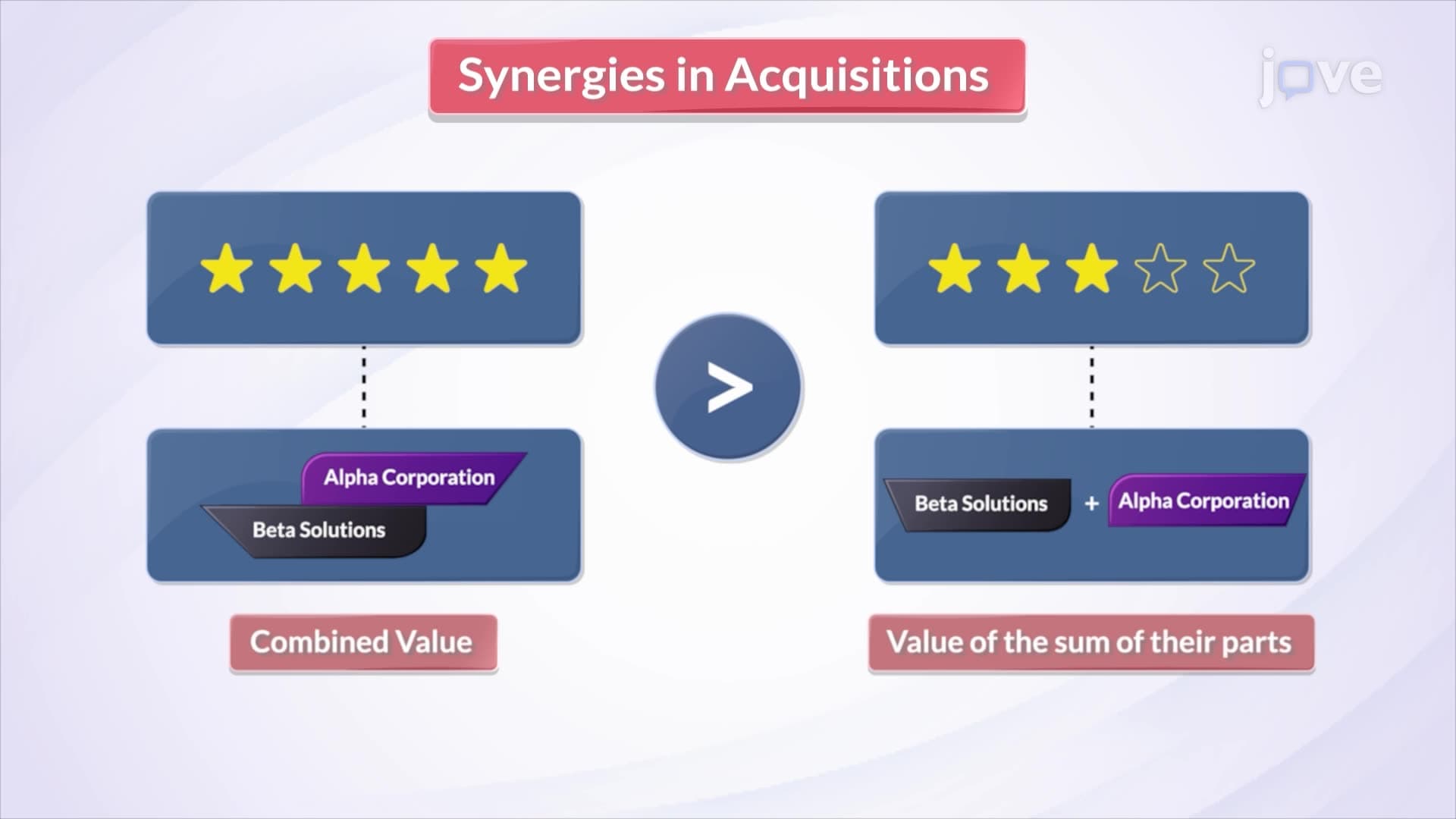
Goodwill represents future economic benefits from synergies, market position, and intangible factors that couldn't be separately identified. However, goodwill requires annual impairment testing, potentially leading to significant write-downs if expected benefits don't materialize-as seen when Verizon wrote down $4.6 billion of goodwill from its Yahoo acquisition.
Acquisition accounting directly impacts financial metrics that drive executive compensation, debt covenant compliance, and investor relations. The accounting treatment affects everything from earnings per share calculations to return on invested capital-metrics closely watched by boards and analysts. Understanding these implications helps leaders structure deals more effectively and communicate value creation stories that resonate with stakeholders.
Related Micro-courses