Loading subject page…

- Finance
- Mergers and Acquisitions
- Takeovers
Micro-course: Mergers and Acquisitions
1,570 views
Learn key concepts and earn your certificate.









Takeovers


00:00
01:24
Video Summary: What Is Takeovers
Corporate takeovers reshape entire industries overnight, as evidenced by Disney's $71.3 billion acquisition of 21st Century Fox in 2019. Understanding takeovers enables executives to identify strategic opportunities, assess competitive threats, and navigate complex M&A scenarios that can transform market dynamics. These transactions-ranging from hostile acquisitions to management buyouts-require sophisticated evaluation of valuation metrics, integration risks, and regulatory hurdles. Watch the full video on JoVE Coach to master this concept with expert-led visuals and step-by-step explanations.
- Apply takeover analysis frameworks to evaluate potential acquisition targets and assess strategic fit within your organization's growth strategy
- Identify early warning signals of hostile takeover attempts and implement defensive strategies to protect shareholder value
- Analyze proxy contest mechanics to understand how activist investors influence corporate governance and board composition
- Evaluate going-private transactions to determine optimal capital structure decisions and private equity partnership opportunities
- Compare acquisition methods to select the most cost-effective approach for gaining market share or capabilities
- Assess regulatory approval processes and antitrust implications that impact deal timing and structure
- Leverage takeover premiums and valuation multiples to benchmark your company's market position against industry standards
- Implement post-merger integration best practices to maximize synergies and minimize operational disruption
Understanding Takeovers in Today's M&A Landscape
When Salesforce acquired Slack for $27.7 billion in 2021, it demonstrated how takeovers serve as strategic weapons in competitive markets. Modern executives must navigate an increasingly complex takeover environment where traditional boundaries between industries blur and technological disruption creates unexpected acquisition opportunities.
Strategic Acquisition Methods and Business Applications
Takeovers manifest through three primary mechanisms, each serving distinct strategic purposes. Traditional acquisitions, like Microsoft's $68.7 billion Activision Blizzard purchase, involve direct share purchases or asset transfers to gain immediate control and market access. These transactions typically command premium valuations but deliver faster market entry and established customer relationships.
Proxy contests represent a more nuanced approach where activist investors like Carl Icahn or Bill Ackman mobilize shareholder support to influence corporate strategy without full ownership. This method proves particularly effective when targeting underperforming companies with significant unrealized value, allowing investors to drive operational improvements and strategic pivots through board representation.
Going-Private Transactions and Capital Structure Optimization
Going-private transactions, exemplified by Elon Musk's $44 billion Twitter acquisition, enable management teams or private equity firms to restructure operations away from public market pressures. These deals often unlock value through aggressive cost-cutting, strategic repositioning, or portfolio optimization that would face resistance from public shareholders focused on quarterly performance.
Private equity giants like KKR and Blackstone frequently pursue going-private strategies to acquire mature companies with stable cash flows, implementing operational improvements and financial engineering to maximize returns before eventual resale or re-listing.
Defensive Strategies and Competitive Intelligence
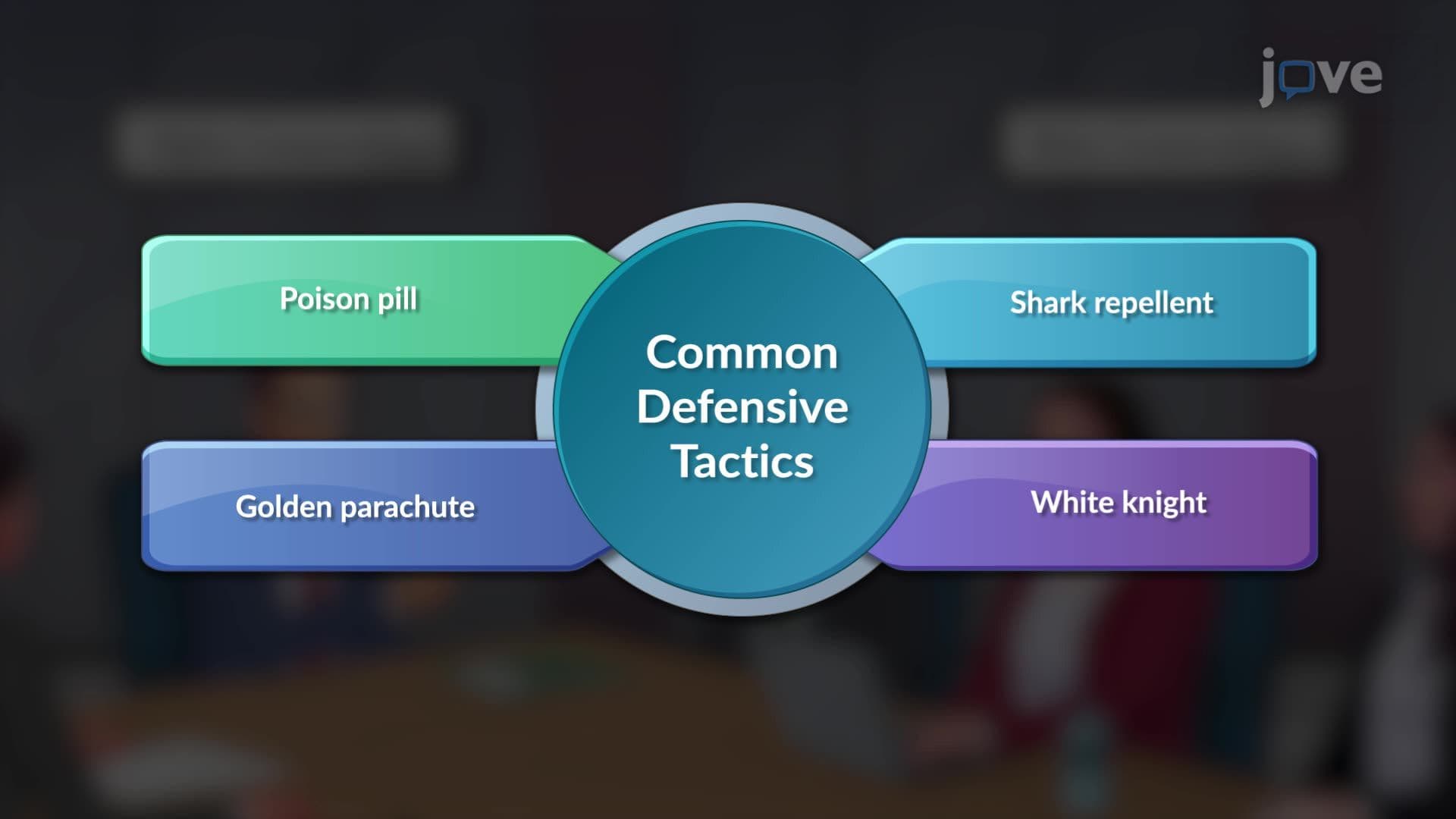
Successful executives monitor takeover activity within their industry ecosystem to identify competitive threats and strategic opportunities. Poison pills, staggered board structures, and white knight defenses provide tactical responses to hostile approaches, while proactive communication with institutional shareholders helps maintain control during contested situations.
Understanding takeover dynamics also informs competitive intelligence gathering, enabling management teams to anticipate consolidation trends and position their organizations as either strategic acquirers or attractive targets depending on market conditions and growth objectives.
Frequently Asked Questions
Takeovers occur when one company gains control of another by acquiring majority ownership through share purchases or asset deals. This strategic mechanism enables rapid market expansion, capability acquisition, and competitive positioning without building resources from scratch.
Assess your strategic gaps, available capital, and integration capabilities against potential targets' market position and cultural fit. Focus on deals that accelerate revenue growth, provide competitive advantages, or eliminate key weaknesses in your value chain while maintaining realistic synergy expectations.
Implement defenses when your company trades below intrinsic value, faces activist pressure, or operates in consolidating industries with aggressive competitors. Present shareholders with clear value creation plans and maintain strong relationships with institutional investors to build takeover resistance.
JPMorgan Chase's acquisition of Bear Stearns during the 2008 financial crisis exemplifies opportunistic takeover execution, securing valuable assets at distressed pricing while gaining market share in investment banking and clearing critical regulatory approval under emergency conditions.
While financial expertise helps, successful takeover evaluation focuses more on strategic thinking and market analysis than complex modeling. Strong business judgment, industry knowledge, and negotiation skills often matter more than technical financial engineering capabilities.
Takeover expertise positions you as a strategic advisor capable of driving transformational growth, managing complex negotiations, and identifying market opportunities that create significant shareholder value. These skills are essential for C-suite advancement and board service opportunities.
Study merger integration management to understand how successful deals create lasting value through cultural alignment, operational synergies, and strategic positioning. Integration execution often determines whether takeovers deliver promised benefits or destroy shareholder wealth.
Related Micro-courses