Loading subject page…

- Finance
- Time Value of Money
- Compound Interest
Micro-course: Time Value of Money
16,631 views
Learn key concepts and earn your certificate.





Compound Interest


00:00
01:11
Video Summary: What Is Compound Interest
Corporate treasurers at companies like Apple rely on compound interest principles when managing their $200+ billion cash reserves across investment portfolios. Understanding what is compound interest becomes crucial when evaluating long-term investment strategies that can significantly impact shareholder value. This compound interest definition explained through practical examples demonstrates how reinvested earnings accelerate wealth accumulation exponentially rather than linearly. Watch the full video on JoVE Coach to master this concept with expert-led visuals and step-by-step explanations.
- Apply compound interest calculations to evaluate investment proposals and capital allocation decisions for maximum ROI optimization
- Analyze the exponential growth advantage of reinvested earnings versus simple interest when structuring employee retirement plans or corporate investments
- Evaluate time horizon impacts on compound interest returns to make strategic decisions about cash flow timing and investment duration
- Implement compound interest principles in financial forecasting models to project realistic long-term business growth scenarios
- Compare compound versus simple interest structures when negotiating loan terms, bond investments, or partnership agreements
- Leverage compound interest concepts to communicate investment strategies effectively to stakeholders, board members, and executive teams
- Assess the opportunity cost of immediate cash distributions versus reinvestment strategies using compound interest frameworks
- Identify compound interest applications in pension fund management, deferred compensation plans, and corporate bond portfolios
Understanding Compound Interest in Corporate Finance
When Warren Buffett's Berkshire Hathaway achieves its legendary investment returns, the secret lies in harnessing compound interest principles across decades of reinvested earnings. Compound interest represents the financial mechanism where investment returns generate their own returns, creating an accelerating wealth-building effect that separates successful long-term investors from those focused on immediate gains.
The Mathematics Behind Exponential Growth
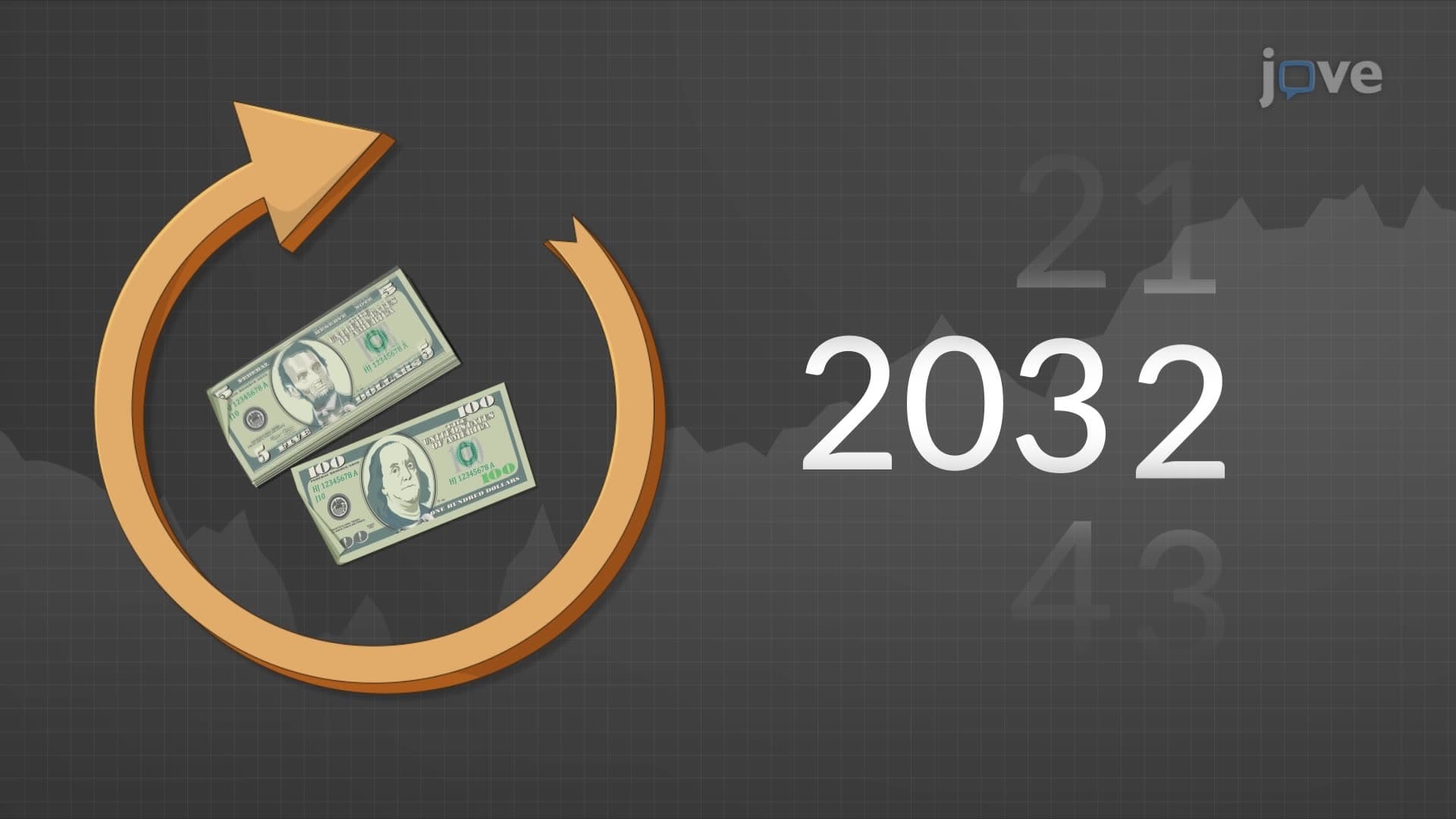
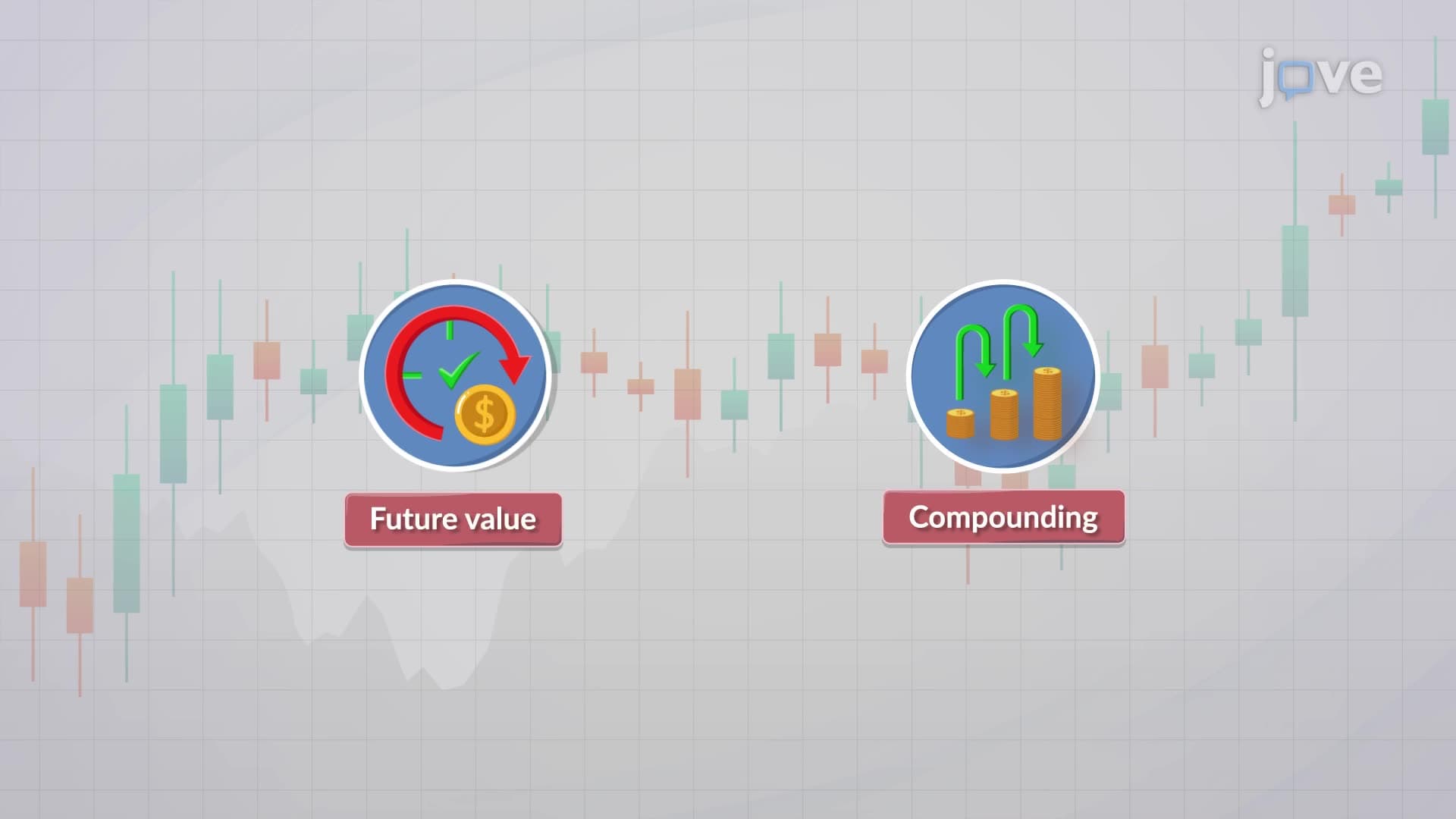
The compound interest definition explained centers on a fundamental departure from linear growth patterns. While simple interest calculates returns solely on the principal amount, compound interest calculates returns on both the original principal and all previously accumulated interest. This seemingly minor difference creates profound long-term implications for corporate cash management and individual wealth building strategies.
Consider Microsoft's approach to managing its substantial cash reserves. Rather than simply earning interest on the principal amount, the company structures investments where quarterly interest payments get reinvested, generating returns on those returns. A $10 million investment at 8% annual compound interest doesn't just earn $800,000 annually-by year ten, the annual interest alone exceeds $1.7 million due to the compounding effect.
Strategic Applications in Business Decision-Making
What is compound interest becomes particularly relevant when evaluating competing capital allocation strategies. Corporate finance teams regularly face decisions between immediate dividend distributions and reinvestment opportunities. Companies like Amazon famously chose reinvestment over dividends for decades, allowing compound growth in business value to create exponentially greater shareholder returns than traditional dividend strategies.
The compounding principle also influences pricing strategies for subscription-based businesses. SaaS companies like Salesforce structure customer success programs knowing that reducing churn rates creates compound effects-retained customers not only continue paying but often expand their usage, creating accelerating revenue growth that compounds over time.
Long-Term Wealth Building Strategies
Professional investors recognize that compound interest rewards patience and consistency over timing and speculation. The difference between starting an investment program at age 25 versus 35 isn't just ten years-it's the exponential growth those additional ten years of compounding provide. This principle drives corporate policies around employee 401(k) matching and executive deferred compensation structures.
Frequently Asked Questions
Compound interest occurs when your investment earnings generate their own earnings, creating accelerating growth over time. Unlike simple interest that only pays returns on your original investment, compound interest pays returns on both your principal and all previously earned interest, leading to exponential rather than linear growth.
Companies use compound interest principles to evaluate whether to distribute cash as dividends or reinvest for growth. When reinvestment opportunities can generate returns higher than dividend yields, the compounding effect over time typically creates greater shareholder value than immediate cash distributions.
Present compound interest advantages when discussing long-term investment horizons, retirement planning, or growth strategies where time allows for multiple compounding periods. Emphasize the exponential acceleration that occurs in later years, making it particularly powerful for clients with 10+ year investment timelines.
Amazon reinvested profits rather than paying dividends for decades, allowing earnings to compound through business expansion. Each reinvested dollar generated returns that were again reinvested, creating the exponential growth in company value that made early shareholders extraordinarily wealthy compared to dividend-focused strategies.
No advanced math required-basic understanding of percentages and exponential growth suffices for most business applications. Modern financial calculators and spreadsheet functions handle the calculations, while your focus should be on strategic application and communicating the long-term value proposition to stakeholders.
Understanding compound interest demonstrates sophisticated financial thinking valued in roles involving investment analysis, strategic planning, and executive decision-making. It's fundamental to corporate finance, wealth management, and any position requiring long-term financial planning or investment evaluation capabilities.
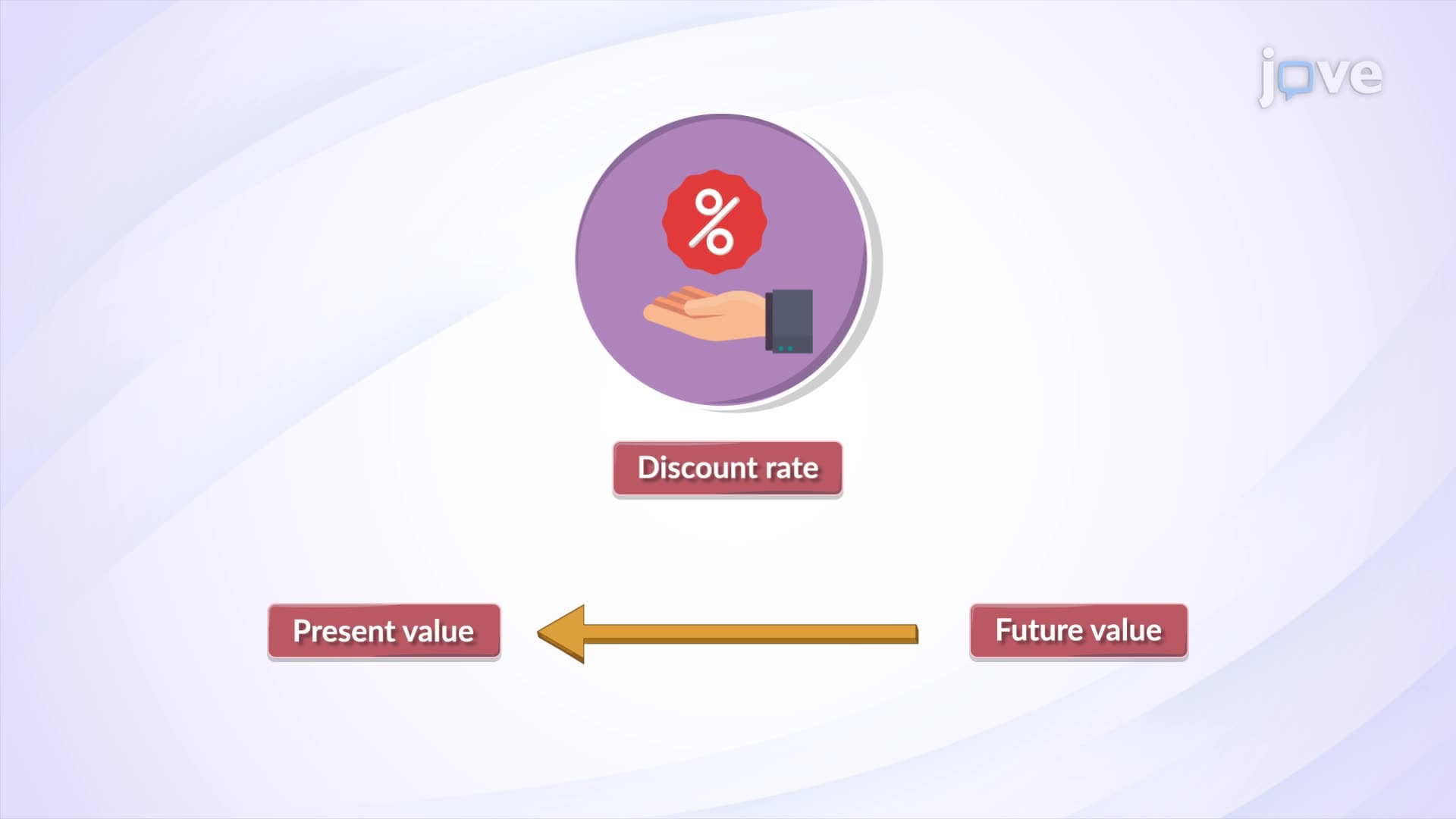
Dive into present value and net present value calculations, which use compound interest principles in reverse to evaluate future cash flows. Also explore internal rate of return (IRR) and weighted average cost of capital (WACC) concepts that build on compound interest foundations.
Use the formula: Final Amount = Principal × (1 + interest rate)^number of periods. For quarterly compounding at 8% annually: $100,000 × (1.02)^40 for ten years. Most business applications use Excel's FV function or financial calculators for complex scenarios.
Related Micro-courses