Loading video…


 12 Concepts
 16.6K views

Video Summary: What Is Time Value of Money
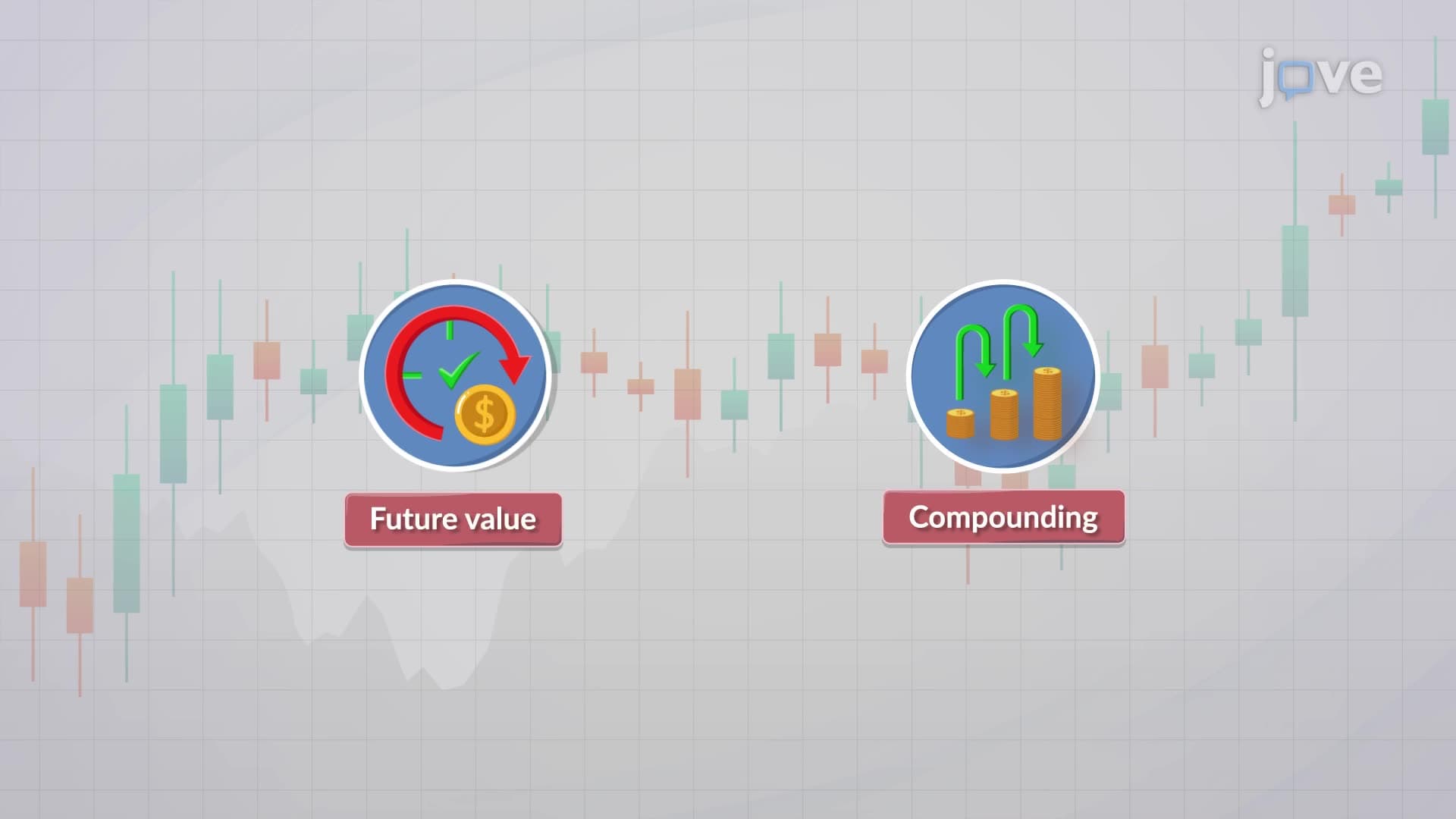
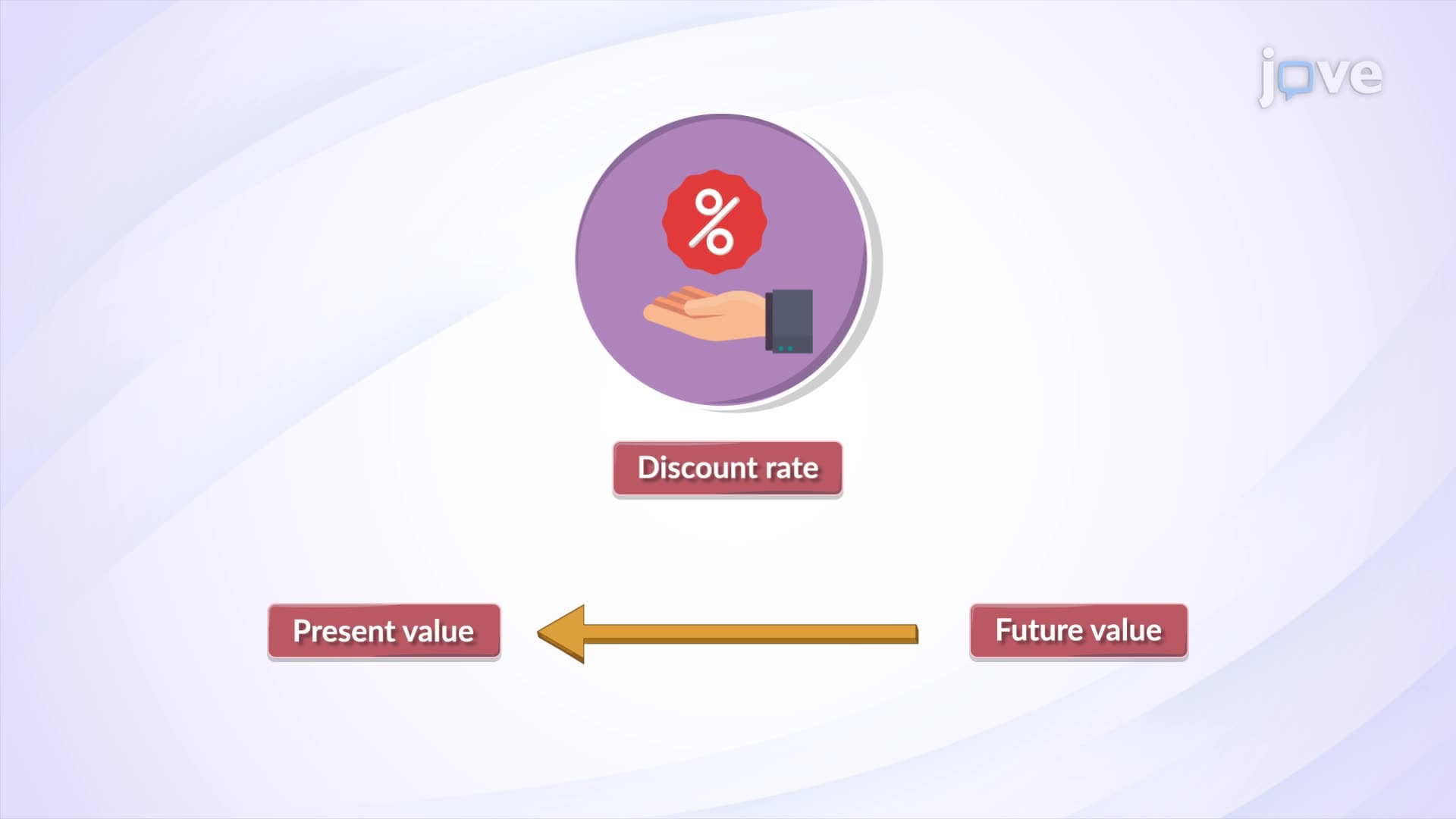
American corporations make multi-billion dollar capital allocation decisions daily, with time value money principles driving every choice from Amazon's warehouse investments to Apple's R&D spending. The time value of money definition explained reveals why $100 today outpaces $100 received next year-money's earning potential through investment returns makes present value superior to future value. Microsoft's recent $69 billion Activision acquisition exemplifies this concept, as delayed deal closure would have reduced the acquisition's strategic value through opportunity costs and market shifts. Watch the full video on JoVE Coach to master this concept with expert-led visuals and step-by-step explanations.
When Berkshire Hathaway's Warren Buffett evaluates acquisition targets, he relies fundamentally on what is time value of money principles to determine fair value. This core financial concept drives virtually every strategic business decision, from capital budgeting to compensation design. The time value money definition centers on a simple truth: money available today holds greater value than identical amounts received in the future due to earning potential and inflation erosion.
Corporate treasurers at companies like General Electric use time value of money concept explained frameworks to optimize cash management strategies. When GE negotiates supplier payment terms, choosing between immediate 2% early-pay discounts versus standard 30-day terms requires present value calculations. Similarly, when structuring customer financing options, the company must balance competitive pricing with the time value of delayed payments.
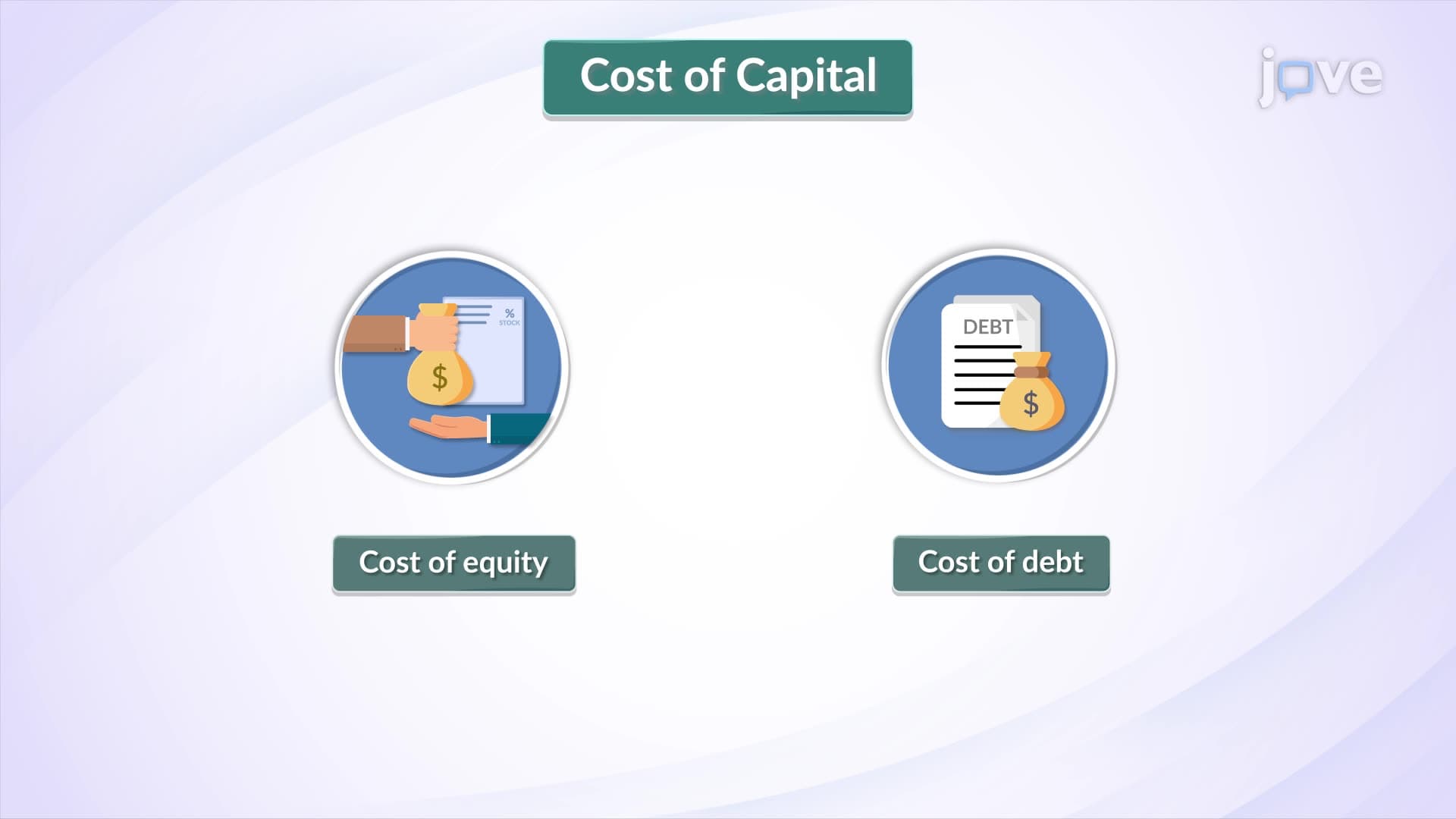
Investment committees rely heavily on time value overview principles when evaluating capital expenditure requests. A manufacturing expansion requiring $10 million today must generate sufficient future cash flows to exceed this present value investment, accounting for the company's cost of capital and alternative investment opportunities.
The time value money notes reveal why timing matters in competitive strategy. Netflix's early investment in original content, despite significant upfront costs, demonstrates time value thinking-early market entry and brand building created competitive advantages worth far more than the initial investment's future value equivalent. This strategic application extends beyond pure financial calculations to encompass market positioning and competitive moats.
For managers developing time value of money study guide applications, consider how this concept influences contract negotiations, employee stock option valuations, and long-term strategic planning. Companies like Starbucks structure multi-year lease agreements using present value analysis, ensuring optimal location investments while managing cash flow timing.
Related Micro-courses